Pregnancy's Impact on the Brain
"Baby brain" is a term often used to describe the forgetfulness and perceived cognitive decline some women experience during pregnancy.
However, a recent and the largest study to date reveals that pregnancy induces significant structural changes in the brain, providing new insights into neurological adaptations in expectant mothers.
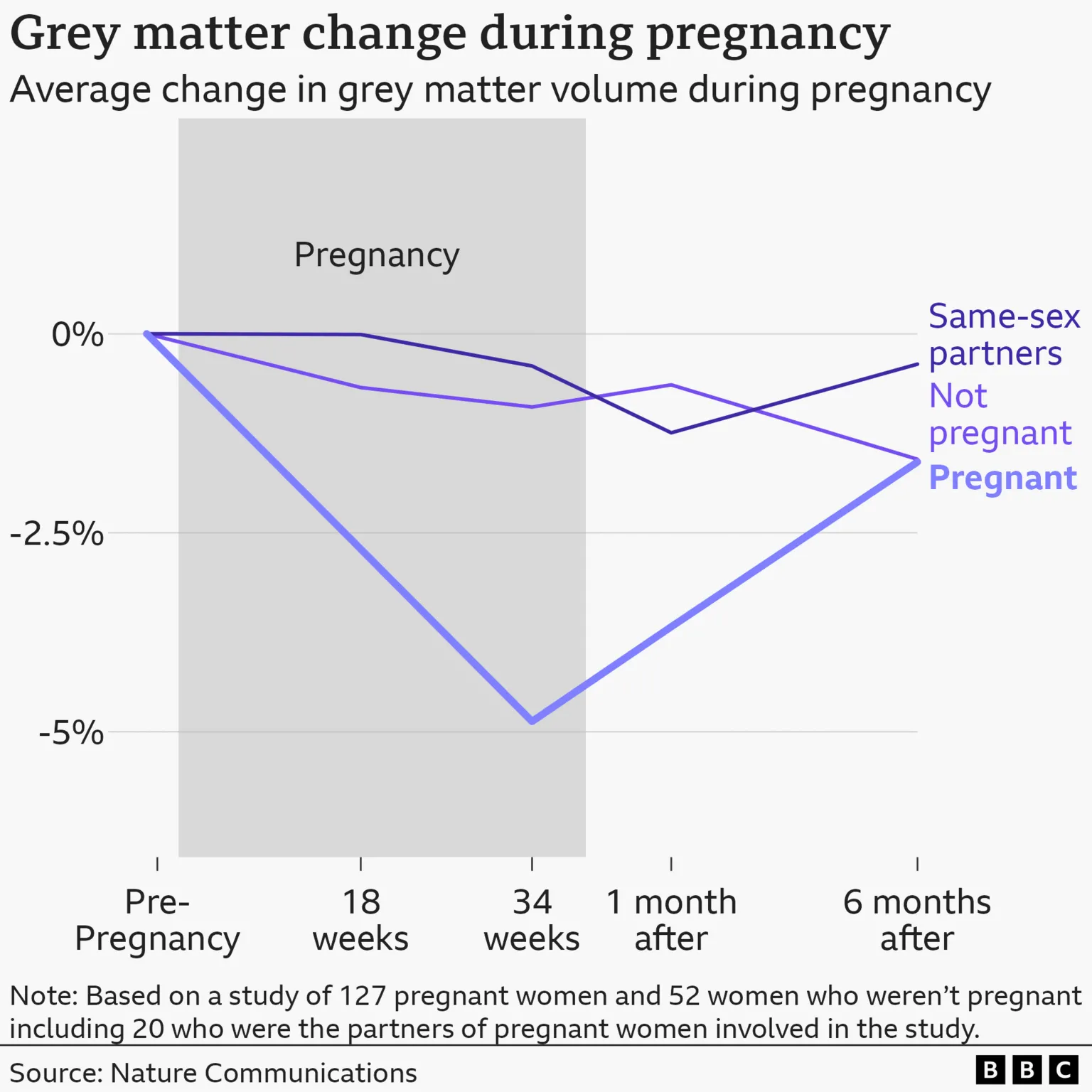
The research indicates that grey matter—the brain region rich in neurons responsible for processing information, emotions, and empathy—decreases by nearly 5% on average during pregnancy.
Rather than signaling a deficit, these changes may enhance maternal abilities to care for newborns, according to scientists leading the study in Spain.
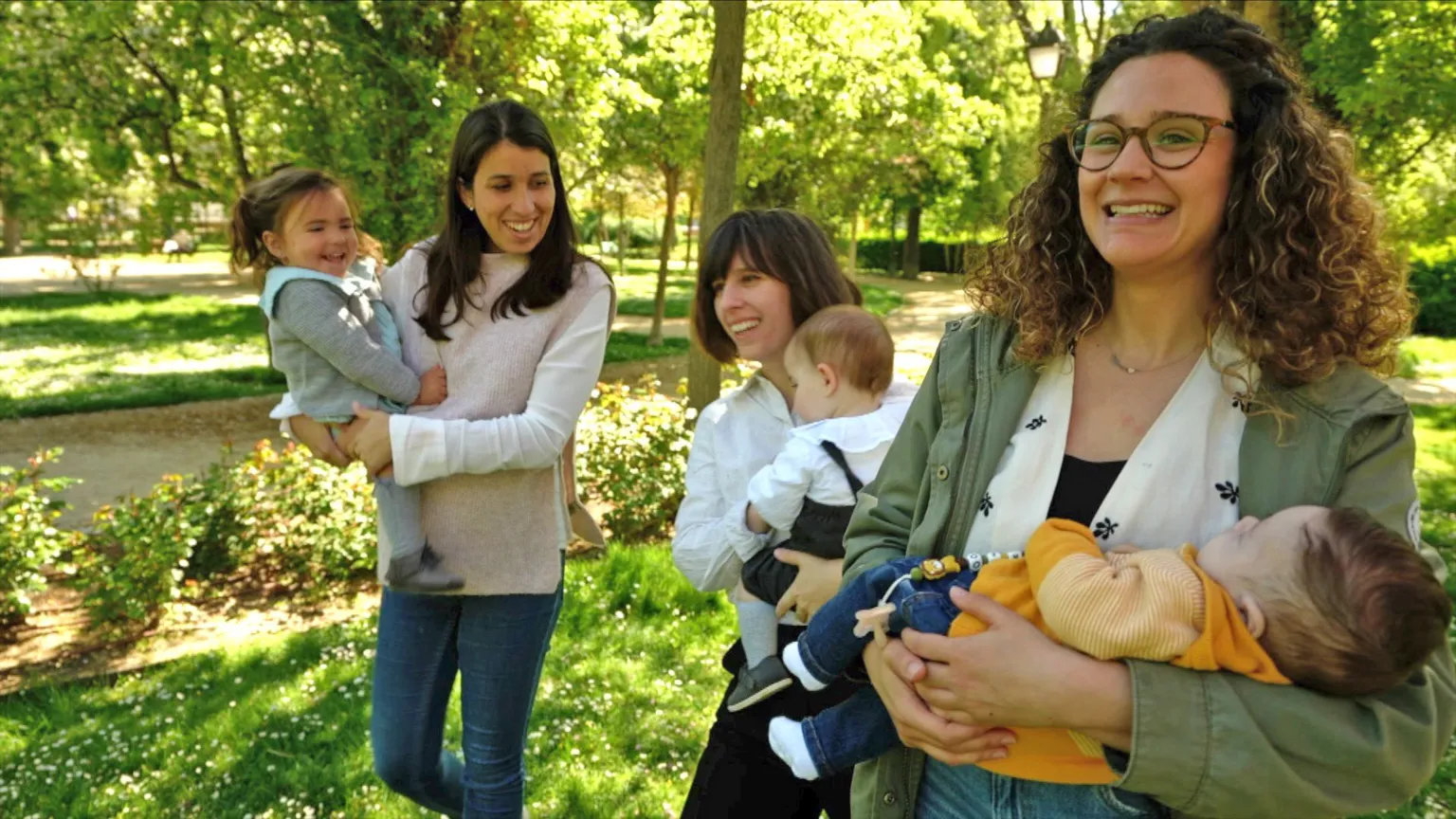
One participant, now a new mother, expressed relief at the findings and frustration with the stereotype of pregnant women being infantilized.
"Rather than becoming dumber, we are becoming more specialised for the job," said Tania Esparza.
The BBC was granted exclusive access to the Be Mother project and its participants.
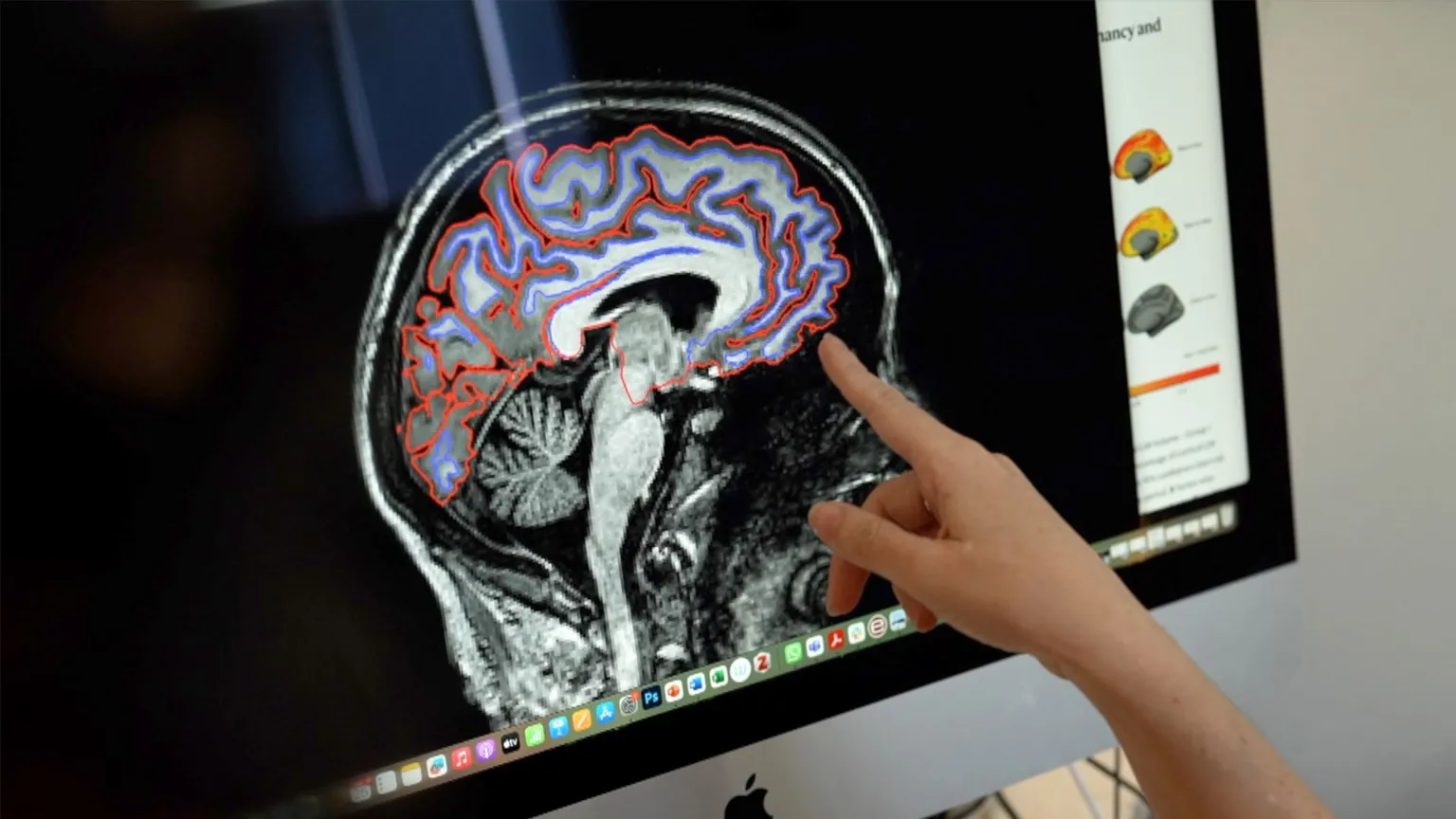
The study involved brain scans of 127 pregnant women conducted before, during, and after pregnancy, compared with scans from a smaller group of women who were not pregnant.
The scientists found that the greater the brain changes, the more likely women reported strong emotional bonding with their babies.
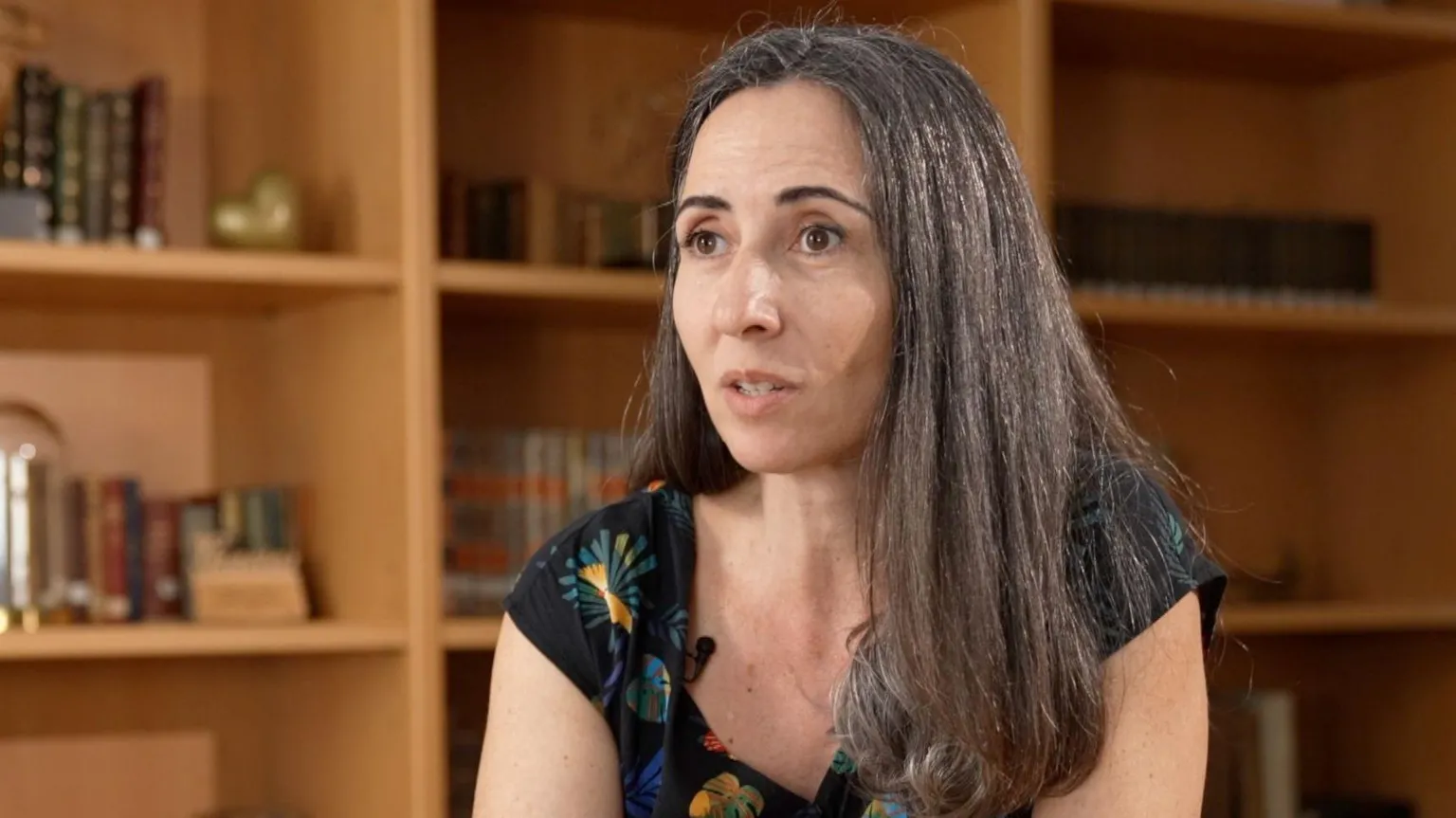
These adaptations may be positive for newborn care, explained Prof Susana Carmona from the Gregorio Marañón Health Research Institute in Madrid.
"We find in biology, as in life, sometimes less is more."
This could reflect the brain "rewiring" or remodeling itself to prepare for motherhood, Carmona said.
"I like to use the metaphor of pruning a tree," she said. "Some of the branches are cut to make it grow more efficiently."
Pregnancy affects multiple organs—the heart enlarges, lung capacity increases—so it is logical that the brain also undergoes changes, Carmona added.
She cautioned against focusing solely on potential memory deficits, emphasizing that new mothers acquire a broad range of new skills.
Research on brain changes during pregnancy remains limited, and Carmona advocates for more studies during this critical period in women's lives.
Study Methodology and Findings
The pregnant women in Madrid and Barcelona underwent five MRI scans each, alongside hormone tests and questionnaires assessing emotional changes throughout and after pregnancy.
For comparison, the research team scanned 52 women who had never been pregnant, including 20 partners of pregnant participants.
"We did this to try to start to tease out whether the changes they saw were to do with the biological process of pregnancy or more the process of becoming a mum," Carmona explained.
She noted that parenting extends beyond pregnancy, stating,
"You can be many types of parents, and you don't need to be pregnant to be a good one."
The study, published in the journal Nature Communications, was not designed to directly investigate the commonly reported "baby brain" phenomenon of memory lapses and brain fog, but it does confirm structural brain changes during pregnancy.

Pregnant women showed an average grey matter reduction of nearly 5%, which partially recovered by six months postpartum, though not completely. In contrast, grey matter volume in non-pregnant women remained stable.
While minor fluctuations in grey matter are normal over time, the nearly 5% decrease observed was unexpected, Carmona said.
One brain region with notable and lasting grey matter changes was the default mode network, involved in self-perception, empathy, and altruism.
The transformation may result from pruning of nerve networks and alterations in blood vessels and supporting cells, representing positive brain rewiring.
Such changes resemble those seen during adolescence, when the brain matures through grey matter thinning and neural refinement.
Animal studies have long shown that pregnancy triggers profound brain changes in mammals.
Research in mice suggests pregnancy hormones activate specific nerve cells to initiate maternal behaviors; without these hormones, mice largely ignore their offspring.
Carmona's team found that hormones likely play a key role in humans as well.
They collected urine and saliva samples from participants on five occasions and observed that rising estrogen levels in some women correlated closely with grey matter reduction.
Further research is needed to map the neurological changes during pregnancy and motherhood, Carmona said, which could improve understanding of pregnancy and conditions like postpartum depression.
Prof Liz Chrastil from the University of California highlighted the study's importance for enhancing caregiver-infant attachment and developing better support for new mothers.
Memory and Cognitive Function During Pregnancy
This study did not specifically assess memory changes during pregnancy. However, a 2016 study by Carmona's team involving 25 pregnant women found no significant memory decline, though other research presents mixed results.
Carmona acknowledged that some women experience forgetfulness and emphasized the varied experiences among pregnant women.
"Pregnancy places a huge metabolic load on your body," she said, "so you may have less energy and less sleep and feel less alert and forgetful."
Ana Mudrinic, a new mother in London, shared her experience of occasional forgetfulness during pregnancy.
"I wanted to send an email to my boss and in that moment, I simply couldn't remember her name."
However, Ana also noted increased resilience in her work life after pregnancy.
"I don't get emotionally impacted by stress as I used to before, because all of a sudden, some things are not as important as they used to be."
"I might forget to do things that aren't related to [my baby], but I've learnt to prioritise her," she said.
Changing Perspectives on Motherhood
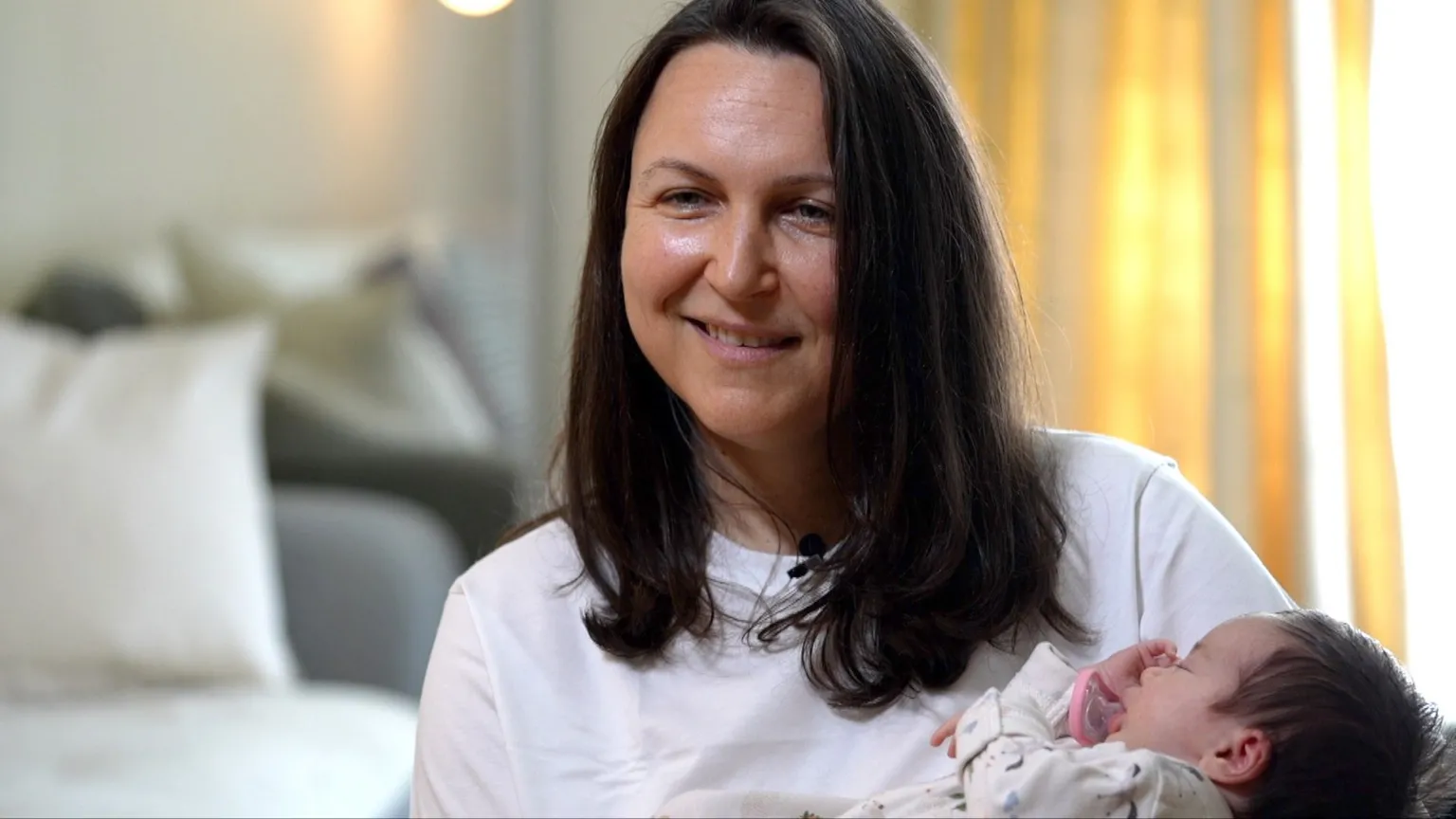
Back in Spain, Tania Esparza credited Carmona's earlier research as influencing her decision to have a child.
"I was excited by the idea that I could meet a new, different version of myself."
She called for a shift in societal attitudes toward mothers.
"They are undergoing tremendous transformation, and we need to approach them as someone who is coming outside of a cocoon and becoming something different."