

Parents Making Sacrifices to Afford Vital Equipment
Samantha Tolmie has stopped eating hot meals to afford the critical equipment that sustains her son’s life, a situation shared by many parents across the UK who are cutting back wherever possible to care for their children.
"I forget that it's not normal for someone not to cook food or to sit without the lights on because it saves energy,"Samantha explains.
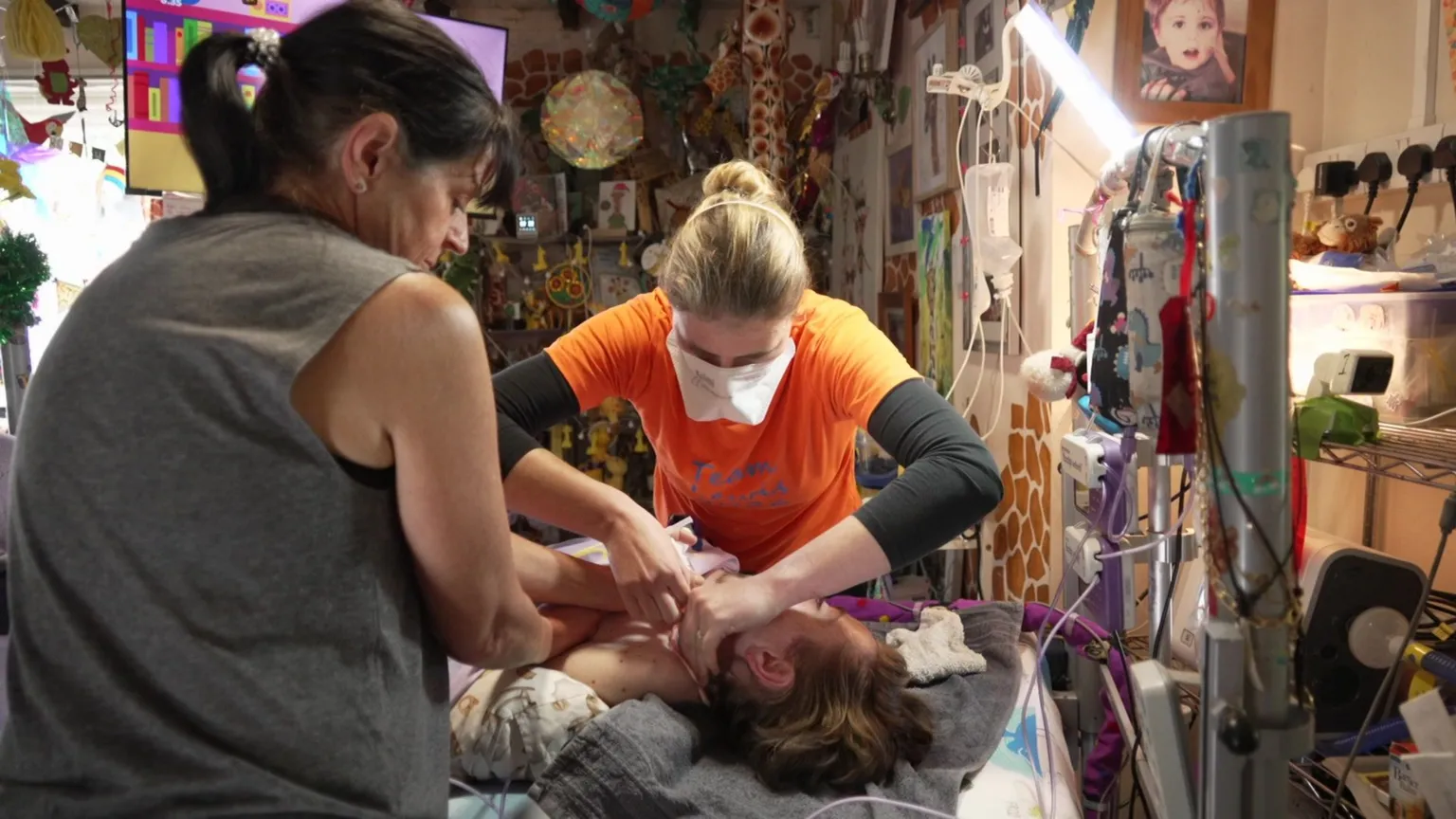
Her son Lewis, aged 22, relies on a ventilator, humidifiers, suction machines, and oxygen concentrators after becoming seriously ill as a toddler. These machines must remain powered continuously to keep him alive.
Due to soaring energy costs, Samantha faces monthly bills exceeding £400, forcing her to make difficult cuts.
"I can't switch anything else off,"she says.
"I've given up me to be here for Lewis, so I will do whatever I need to keep him alive."
Across Yorkshire, charities supporting disabled children and young people report a concerning increase in parents and carers skipping meals to cover additional expenses.
The Department for Energy Security and Net Zero states the government is
"determined to fight people's corner to tackle the cost-of-living crisis."
Lewis’s medical equipment requires constant power, causing Samantha’s energy bills to rise from about £100 to at least £400 monthly. At one point, her energy provider suggested doubling her direct debit to £845 per month.
"I was terrified. That's more than my rent,"she recalls.
Consequently, Samantha, who lives in Doncaster, limits her energy use wherever possible. She turns off lights and no longer cooks hot meals, surviving on one meal daily of Marmite sandwiches and fruit. Occasionally, Lewis’s nurses bring her hot food out of sympathy.
She worries that upcoming changes to the energy price cap, effective from 1 July and to be announced by Ofgem, may increase her bills further.
"I know everybody is struggling with these prices, but we can't cut back any more. I can't switch anything else off,"she says.
Although Samantha has received support from City of Doncaster Council, the government, and charities, she struggles with the stigma of claiming benefits and cannot work due to Lewis’s need for 24-hour care.
"I feel shame that I have to claim benefits from the government, because I've worked hard all my life and now I can't. I just wish people could see how hard it is for families like mine, that we're not sat around taking payouts from taxpayers pockets, that we work really hard and we do have value."
She notes that the financial assistance she receives does not cover all expenses; for example, one rent payment covers only two-thirds of what she owes.
"Lewis needs his tracheostomy tapes changing daily."
Financial Challenges for Disabled Families
Disability charity Scope estimates that disabled households require an additional £1,095 monthly on average to meet their costs. While the Personal Independence Payment (PIP) supports 3.7 million people in the UK, the average payment is £465 per month, leaving a shortfall of £630.
Family Fund, a York-based charity providing grants for essential household items to families with disabled children and young people, reports demand nearly doubled to almost 300,000 requests last year. However, they are unable to meet all requests without additional funding.
The charity’s Cost of Caring report found that 44% of parents and carers surveyed said their benefits did not cover essential costs, and over half admitted to skipping meals to pay household bills.
"Families are having to choose between things like heating their homes or the parents having dinner just so that they can afford to run their households,"says Lizzie Shelmerdine, Family Fund's head of research and evaluation.
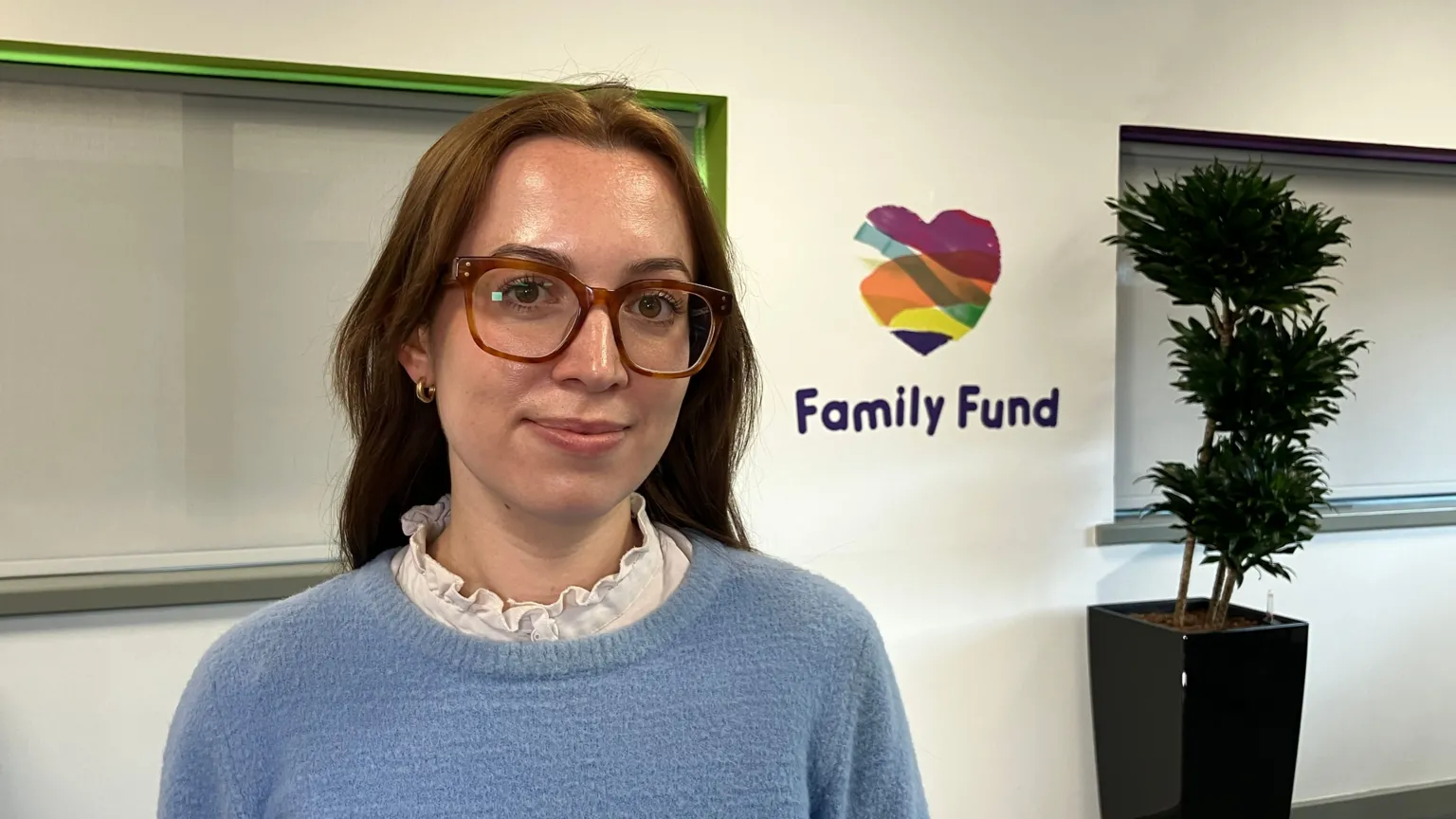
Family Fund estimates that 745,300 families across the UK are eligible for their grants.
"There's definitely more support needed to make sure that parents get the respite and the help they need,"Shelmerdine adds.
Support from Hospices and Charities
Martin House Children's Hospice in Wetherby provides palliative care and respite for children and young people with serious illnesses. Vicki Greensmith, director of clinical services, notes the high number of children in deprived areas of Yorkshire with life-shortening conditions.
"We certainly have families who come here who don't have any garden, don't have carpet in the bedroom, and live in poverty. So I think coming here is incredibly special because it's just a break from some of those struggles that families will have in their homes."
The hospice also supports families after the death of a child. Recently, they assisted a family unable to afford a headstone for their son.
"They knew that they weren't going to be supported in funeral costs, and they were potentially going to lose their housing when their son had died. These are the types of decisions families are making and it's incredibly stark and increasingly common for us to hear those types of things."
Contact, a charity operating a helpline for parents and carers of disabled children up to age 25, emphasizes the importance of understanding benefit entitlements.
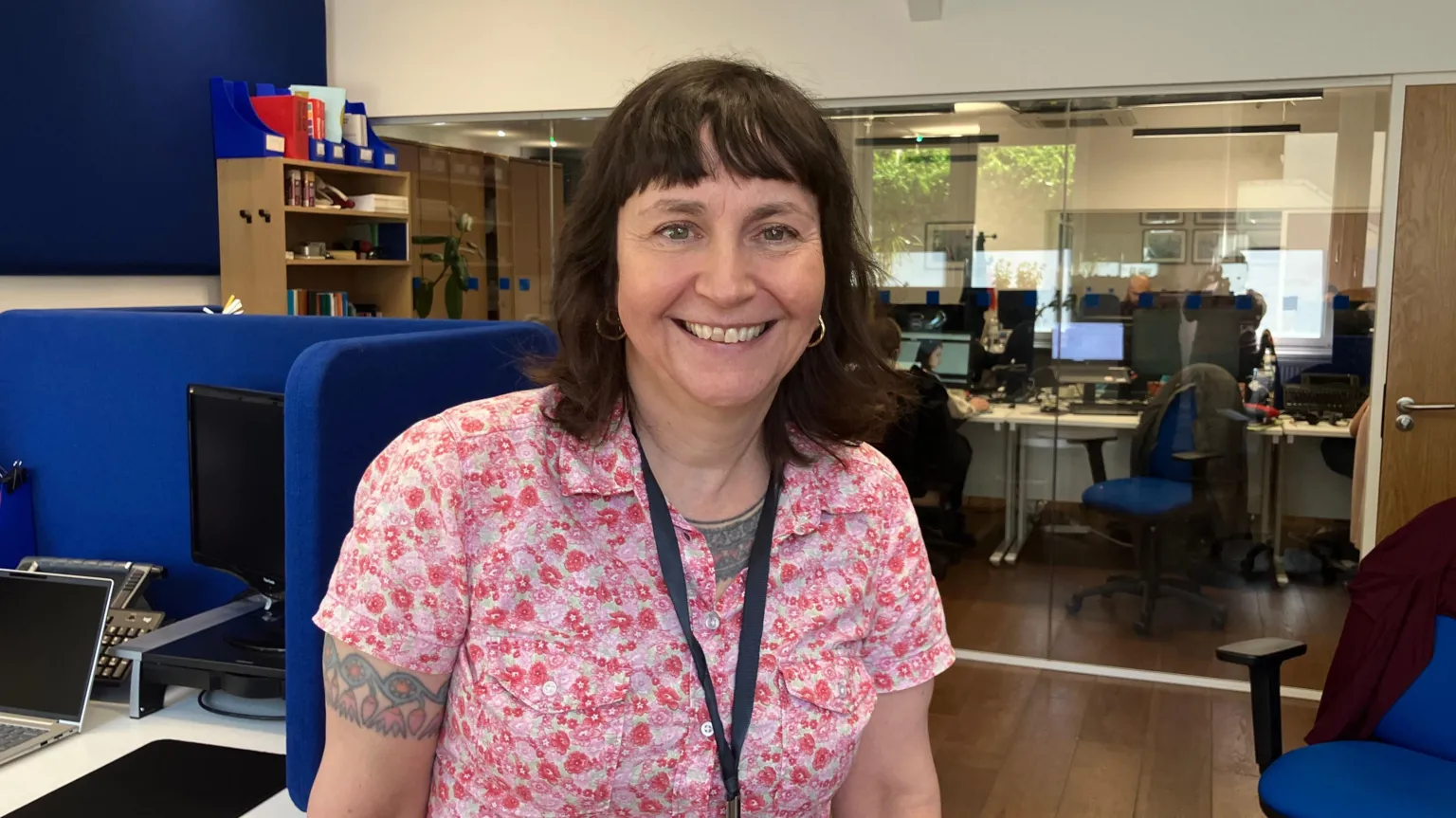
"When parents come through to us and they talk to one of my team, we'll be looking to check that they're claiming all the benefits that they're entitled to,"says Angie Fenn, head of information and advice.
"We still hear from many parents who have been told that their child isn't disabled enough or that they need a diagnosis in order to claim disability living allowance. We'd also be advising them to keep in touch with their utility companies and not to ignore any concerns they have."
Government Support Measures
The Department for Energy Security and Net Zero states it continues to support families through expanded eligibility for the Warm Home Discount and additional assistance with energy and living costs.
"The energy price cap fell by £117 a year at the start of April, with savings locked in until the end of June. We are also supporting households using heating oil and freezing rail fares and prescription charges. The government is determined to fight people's corner to tackle the cost-of-living crisis."
For those affected by issues discussed in this article, the BBC Action Line offers resources and support.
Listeners can also access highlights from West Yorkshire, South Yorkshire, and North Yorkshire on and catch up with the latest episode of Look North.


