

Health Crisis in Awoye Amid Persistent Oil Pollution
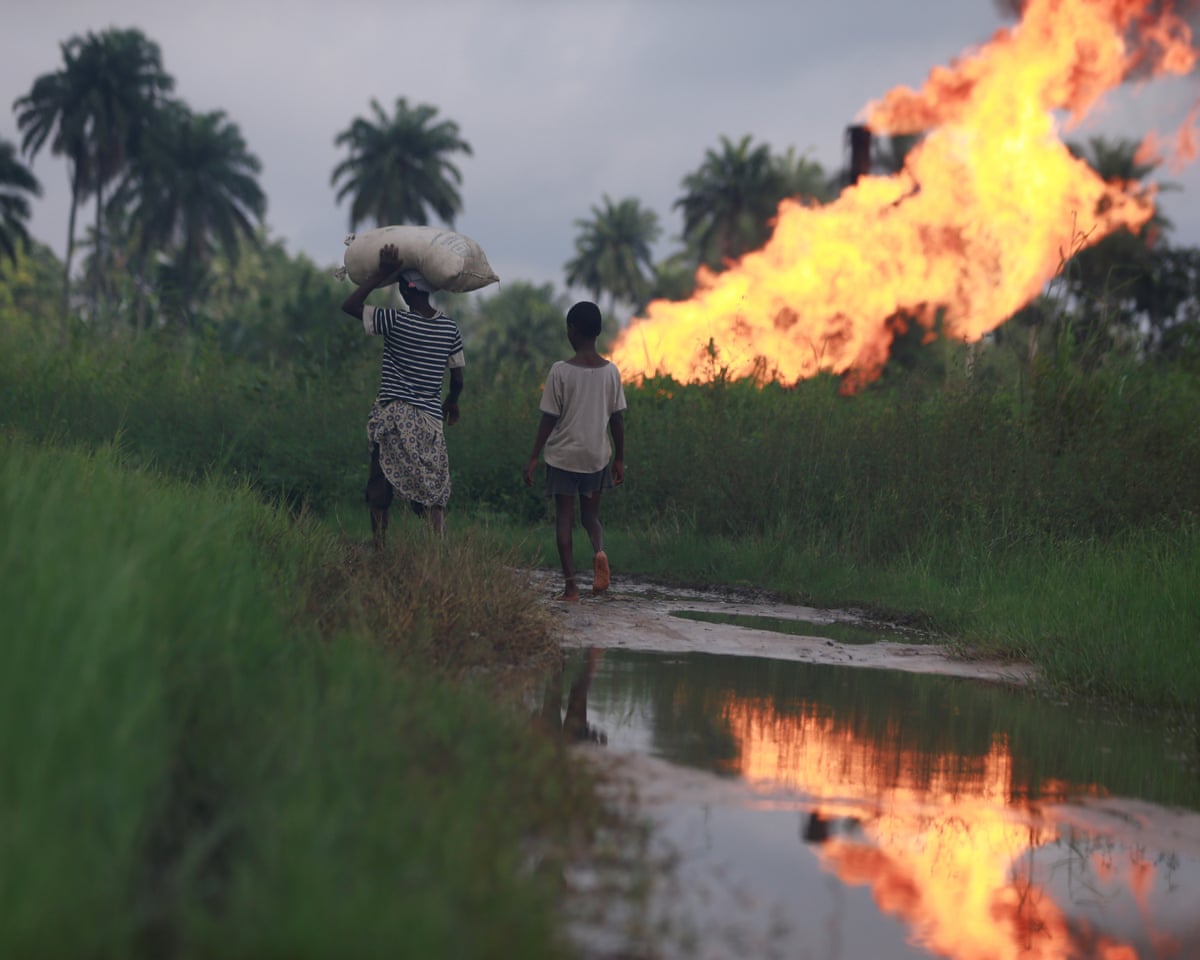
In Awoye, a village on Nigeria’s Niger Delta coastline, residents continue to endure the effects of pollution from a burning offshore oil well, six years after a blowout incident. Bodunwa Orugbemi sits on a narrow hospital cot opposite her 21-year-old son, Ijadopin, who has been hospitalized for days. She can hear the distant Atlantic Ocean and smell crude oil in the air drifting from the shore. Her son, unable to speak, has been swallowing small spoonfuls of food while suffering from severe respiratory and skin ailments.
Orugbemi recounts that Ijadopin began coughing one evening in May inside their wooden home. The cough worsened over days, followed by skin irritation and breathing difficulties.
"He started shivering and coughing uncontrollably. Now he can eat, but he still cannot speak,"
she says. She attributes his illness to the ongoing pollution from the Ororo-1 offshore oil well, which has been burning continuously for years, releasing smoke, soot, and toxic fumes into nearby communities.
Her husband, a fisherman, no longer brings home the catches that once sustained their family.
"The sea is different,"
she explains.
"He sometimes stays out all day and barely brings anything."
Widespread Impact on Communities Along Ilaje Coast
Across settlements along Ondo state’s Ilaje coast, residents report similar health issues including persistent coughs, respiratory problems, skin conditions, and collapsing livelihoods. These are linked to the blowout at the oil well in April 2020.
Philip Jakpor, executive director of the NGO Renevlyn Development Initiative, highlights a recurring pattern in the oil-rich Niger Delta region: environmental disasters with prolonged consequences and a lack of health monitoring for affected populations.
"What is happening in Awoye is not unique,"
Jakpor says.
"In the Niger Delta, the plight of oil-polluted communities has reached a point where people are forced to live with contaminated air and water. They continuously inhale toxic substances without knowing the damage this may be causing to their bodies."
Background of the Ororo-1 Oil Well Incident
The Ororo-1 oil well was initially drilled by Chevron Corporation, which later capped and abandoned the field. Subsequently, Nigeria’s Department of Petroleum Resources awarded licenses to indigenous firms Owena Oil and Gas and Guarantee Petroleum, which operated the field until the blowout triggered the well to ignite.
Six years later, pollution remains a daily reality for local communities.
Temilorun Patrick Ajimisogbe, a fisherman from Awoye, recalls the explosion.
"It was around 7pm when the explosion happened. The whole community shook. At first, we thought it was thunder rolling in from the ocean, but when we rushed out of our houses, we saw thick smoke rising from the offshore drilling facility. Since that day, nothing has been the same,"
He describes how fishers avoided the water for days due to fear as soot and the stench of crude oil spread along the coast.
Years later, residents still report coughs, skin irritation, dizziness, and severe impacts on fishing.
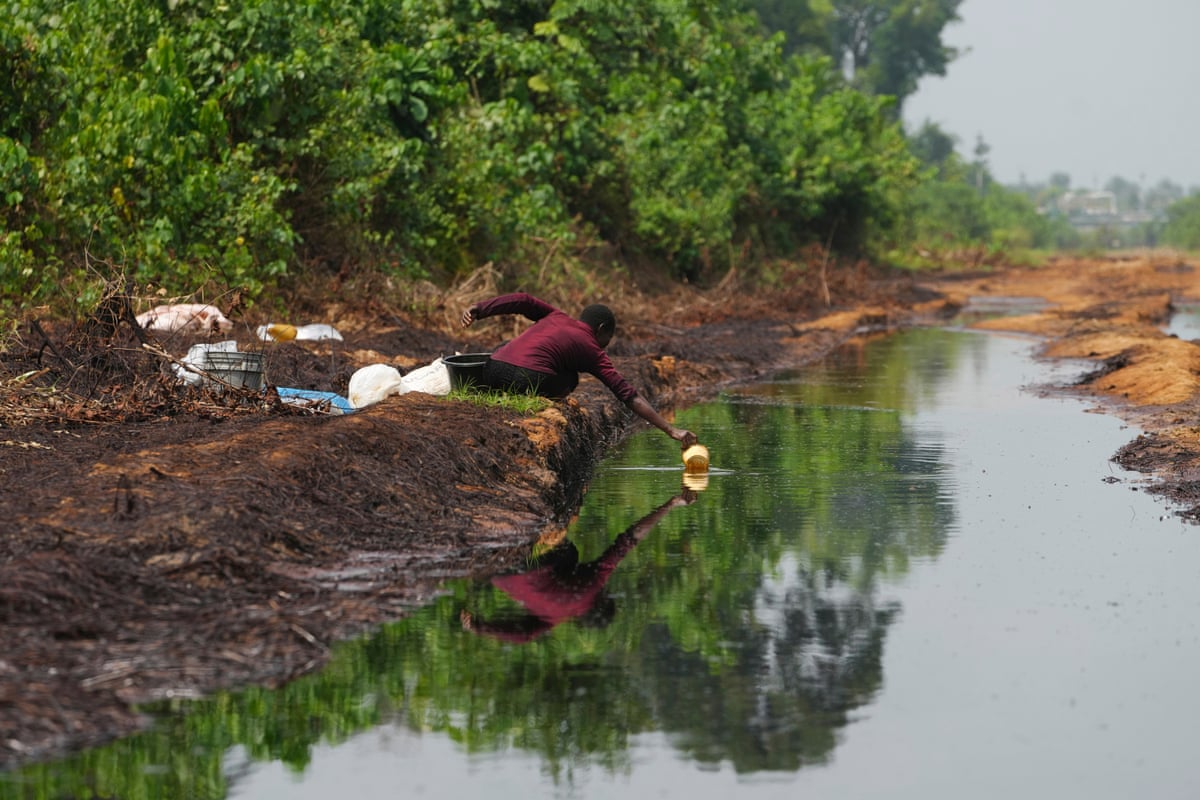
"Sometimes, we wake up in the morning and just see oil spread everywhere,"
Ajimisogbe says.
"Before we know it, the water will carry it away again."
Residents note that black soot settles inside water containers and on uncovered food, yet no government agency has conducted a comprehensive public health assessment.
Health Risks and Environmental Concerns
Dr. Bieye Briggs, an environmental health expert, emphasizes the concern over prolonged exposure to toxic substances in Nigeria’s oil-producing regions.

"While pollution may indeed pose a problem, our primary concern should not be limited to the mere presence of pollutants,"
he states.
"What is truly worrying is the lack of an adequate bio-monitoring regime to determine what people may be ingesting into their bodies."
A study by the Kebetkache Women Development and Resource Centre in Otuabagi, Bayelsa state, where Nigeria’s first commercial oil wells were drilled in the 1950s, revealed the presence of polycyclic aromatic hydrocarbons (PAHs) in women’s blood, alongside contamination of soil and water.
Dr. Nnimmo Bassey, of the Health of Mother Earth Foundation, a Nigerian think tank, explains that continuous burning of crude oil releases hazardous pollutants such as benzene, sulphur dioxide, particulate matter, and PAHs, which are linked to cancer, respiratory, and cardiovascular diseases.
"If you consider what the people in Awoye have been continuously exposed to for six years, it may be comparable to what communities face where there is constant gas flaring and oil spills,"
Bassey says.
"You can be sure there will be elevated levels of blood disorders, cancers, skin diseases, breathing difficulties and, of course, deepening poverty, because their livelihoods are being destroyed."
Healthcare Access and Livelihood Challenges
Families in Awoye primarily depend on local medicine vendors and underfunded clinics. Healthcare access is limited in the Ilaje riverbank communities, which are mostly reachable only by boat, and there is virtually no specialist respiratory care available.
Meanwhile, fishing livelihoods are collapsing. Awoye’s fishers once returned from the Atlantic with baskets full of croaker, catfish, tilapia, mackerel, and barracuda.
"When you cast your net, sometimes the fish smell of crude oil,"
Ajimisogbe notes.
"Unless you buy fuel worth 60,000 to 70,000 naira [£33 to £39], twice as much as before, and travel much farther out to sea, you’d hardly get a decent catch."
In some areas, oil contamination forms slick layers over the water’s surface, blocking oxygen exchange and destroying vital breeding grounds for marine life. Ajimisogbe reports that dead fish sometimes wash up near polluted creeks after heavy discharges.
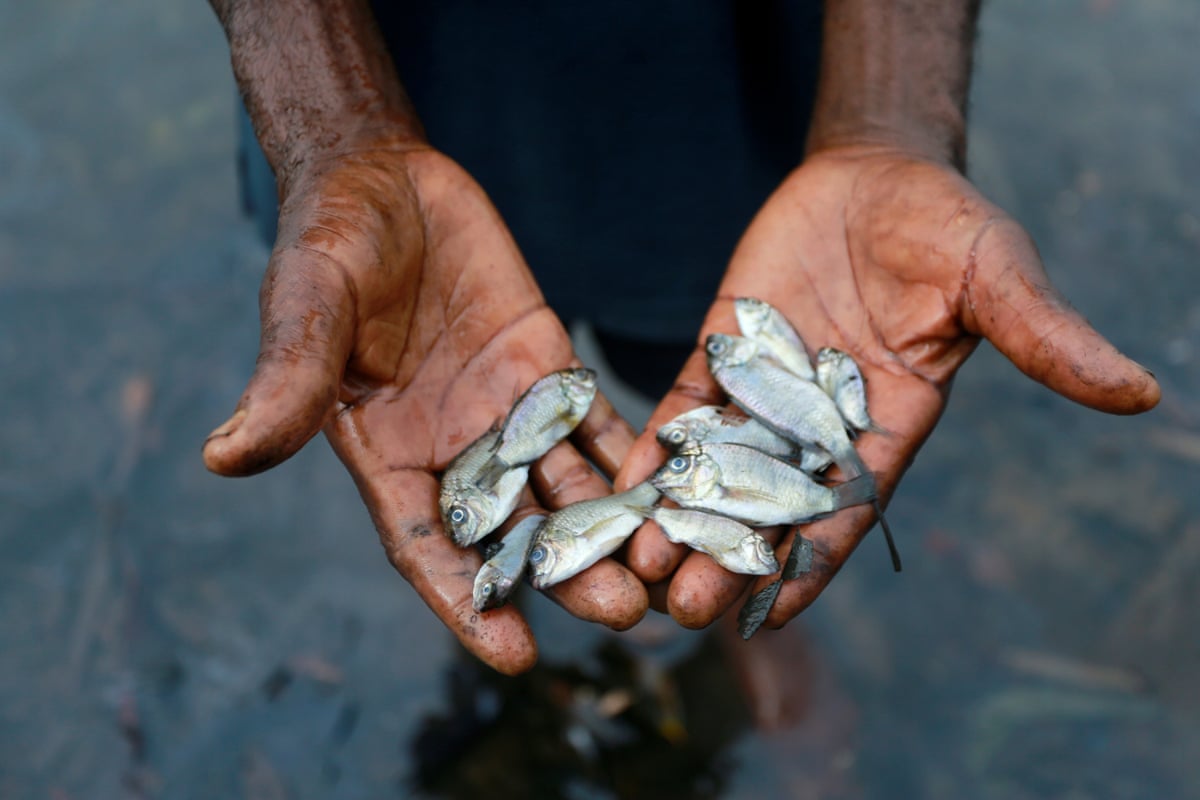
Women who sell fish in local markets face lower incomes and rising debts due to dwindling catches.
"At first we thought the fire would stop,"
says Christianah Abiye, a fishmonger.
"Now it feels like we have been abandoned with it."
Community Frustration and Calls for Action
Happiness Abiye, Awoye’s traditional leader, expresses frustration over repeated pleas for assistance being ignored amid ongoing suffering.
"Our people are dying slowly, with increased sickness and hunger linked to this pollution,"
he says.
"Fishermen no longer catch like before, children are coughing, and women spend their little money treating illnesses that were rare before this fire.
We feel abandoned,"
he adds.
"It is as if the lives of coastal people do not matter to those in power."
Systemic Failures in Environmental Governance
Environmental campaigners argue that the disaster highlights systemic failures in Nigeria’s environmental governance.
"The Niger Delta environment has become a completely sacrificed zone. We talk a lot about oil spills and gas flaring, but we hardly talk about produced water,"
Bassey states.
"Communities are carrying the health burden, while regulators remain largely absent."
Experts advocate for Nigeria to develop a system for monitoring environmental and health risks. Currently, there is no comprehensive study on the long-term health effects of oil pollution in the Niger Delta.
"You breathe it every day,"
Abiye says.
No representatives from Owena Oil and Gas or the Ondo State government responded to requests for comment from .


