

High Vet Bills Spark Concern Among Pet Owners
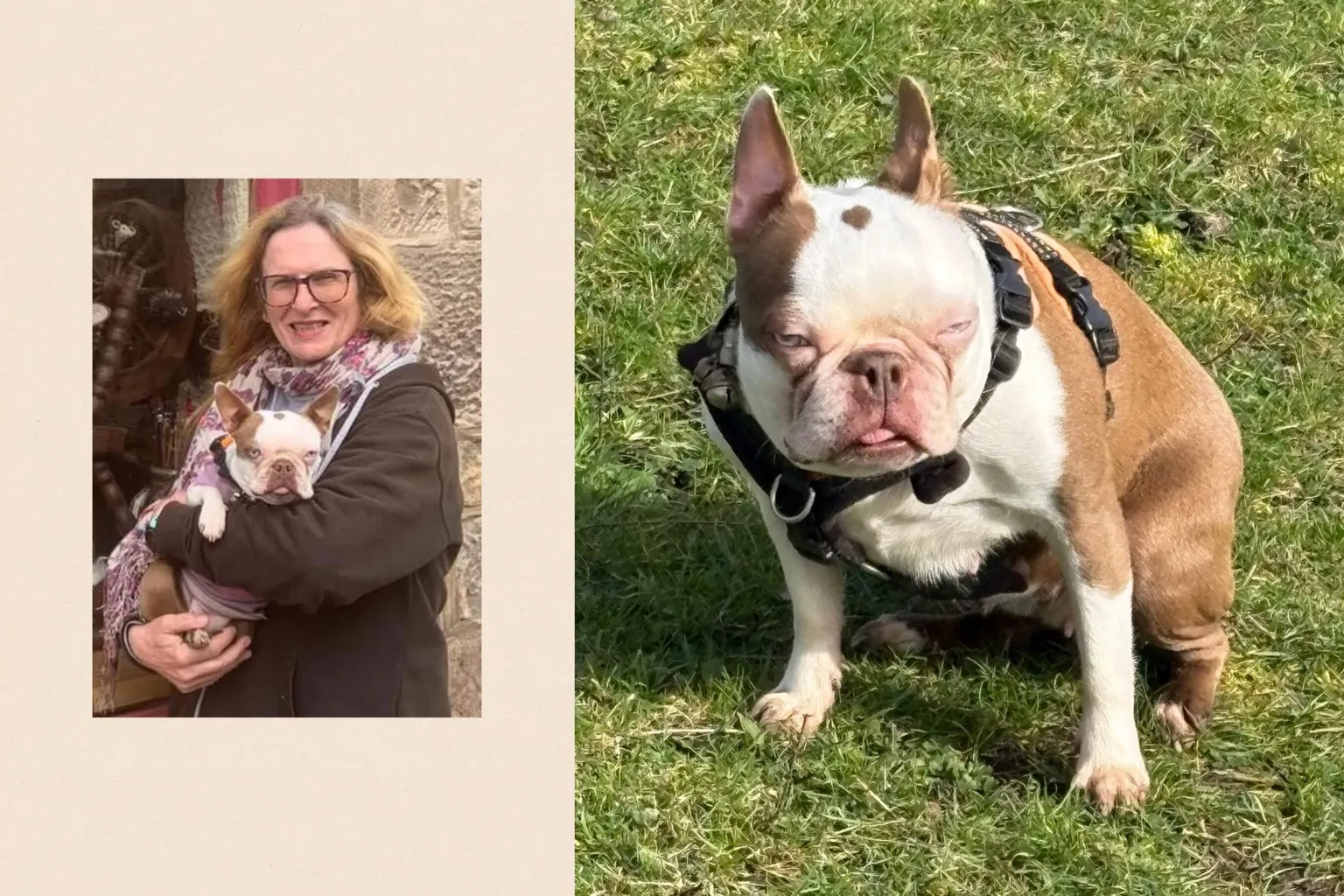
In October 2023, Louise Burns noticed her Boston terrier, Bow, was breathing unusually. She took Bow to the vet, where she was informed that Bow's airway was swollen. Bow underwent a tracheostomy followed by another operation to ease her breathing. After four days, Louise's bill totaled £7,783.77.
Louise's insurance covered only the first £3,000, and during the emergency, she felt compelled to pay the remainder.
"You're not really in a position to go and get a second opinion where you've got a dog that's not breathing properly,"said Louise, 72, from Thundersley, Essex, who contacted BBC Your Voice. Despite this, she found the cost substantial.
Journalist Emma Barnett has reported on rising veterinary bills for over two years and has received numerous complaints from pet owners like Louise about increasing costs.
The Competition and Markets Authority (CMA), a UK government watchdog, reports that average veterinary prices rose by 63% between 2016 and 2023, significantly outpacing inflation. To address this, the CMA conducted a formal UK-wide investigation into the veterinary industry and is preparing a final report recommending operational changes for veterinary practices.
Veterinarians have expressed feeling pressured to generate revenue from a shrinking client base. In 2013, only 10% of UK veterinary practices were owned by large corporate groups; today, that figure has increased to 60%.
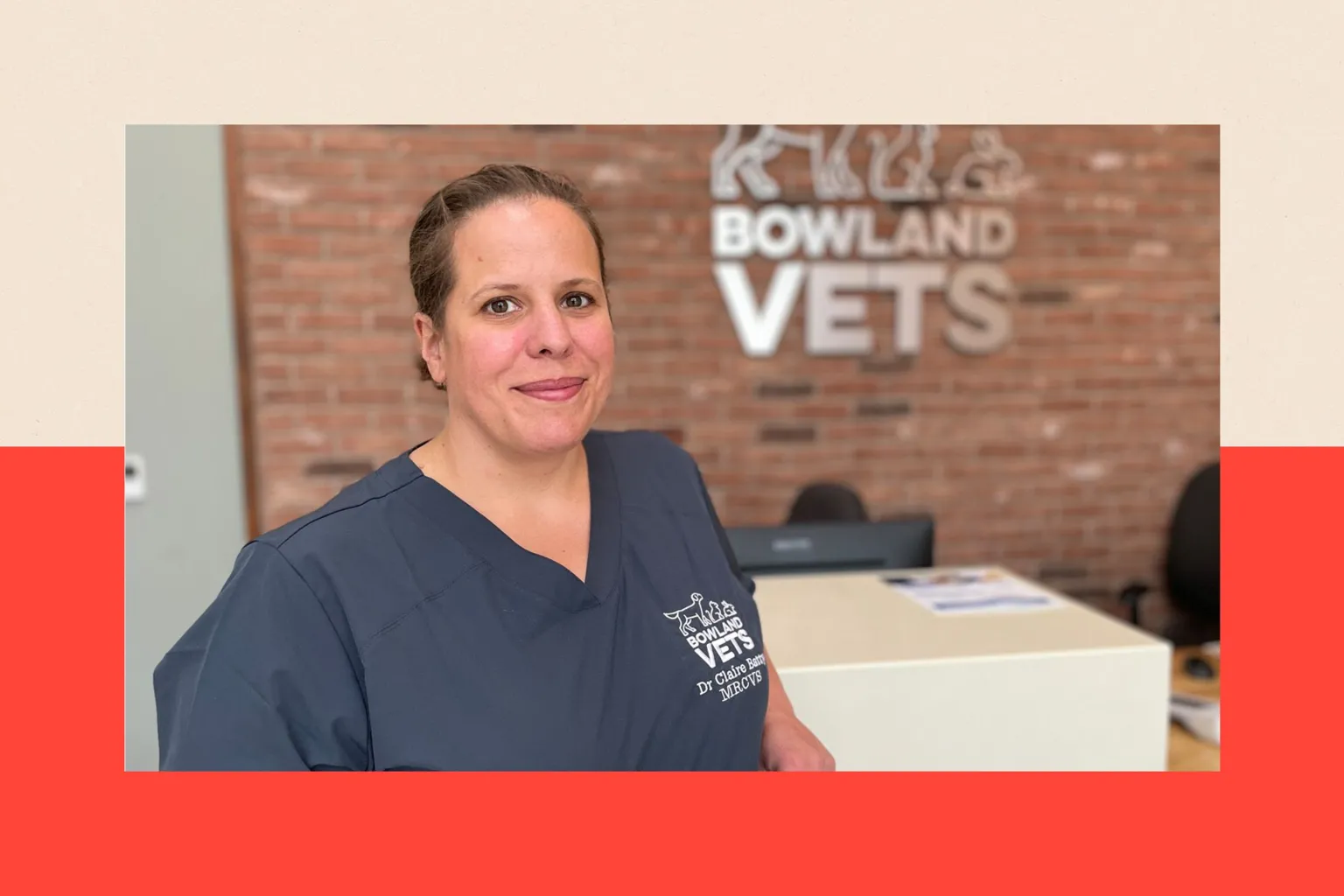
Claire Batty, who opened an independent veterinary practice near Whalley, Lancashire, in 2023, previously worked for a large corporate firm but left due to dissatisfaction with profit-driven directives.
"I was fed up with being told by somebody who's sat behind a desk you're not earning enough money,"she explained.
Many pet owners suspect corporate ownership contributes to rising prices. However, Rob Williams, president of the British Veterinary Association (BVA), which represents independent vets, cautions against oversimplification.
"It's too reductive to say this one thing happened, therefore all the prices have shot up,"he said.
Large veterinary corporations, which operate over two-thirds of UK practices, concur with the BVA's view that attributing cost increases solely to corporate ownership is inaccurate. They cite factors such as advancements in treatment options, increased staff wages, and heightened customer expectations as contributors to rising costs.
Nonetheless, the reality remains that veterinary prices are high, and many owners find them unaffordable. The question remains: what can be done to reduce these costs?
Increasing Transparency in the Veterinary Sector
UK pet owners spent £6.3 billion on veterinary and other pet-care services in 2024, according to the CMA, averaging just over £365 per pet-owning household.
Prices vary significantly across the UK. Analysis by Clear Vet of over 500 practices found that an out-of-hours emergency consultation averages £209 nationally, ranging from £142 in Yorkshire to £295 in Manchester.
The CMA's forthcoming report is highly anticipated by both vets and pet owners. Its provisional report, published late last year, identified issues including a lack of transparency regarding practice ownership and insufficient pricing information for pet owners. The report also highlighted the concentration of ownership among veterinary practices and clinics.
The CMA is expected to recommend measures to improve transparency about pricing and ownership.
Currently, identifying a local vet's ownership can require extensive investigation, often buried in website fine print. Determining treatment costs is even more challenging; the CMA found that 84% of veterinary practice websites provide no pricing information.
Many veterinarians express concern that enforced transparency could increase operational costs, particularly for smaller practices.
The CMA is also likely to advocate for easier access to cheaper medicines online, including capping prescription costs and requiring vets to inform pet owners about potential savings from purchasing medicines online.
However, industry representatives, including the BVA, worry that such measures may ultimately disadvantage consumers.
Williams highlights two potential unintended consequences. Online pharmacies are often owned by large veterinary chains; two major groups account for 70-80% of medications supplied via this route.
"It is quite ironic that the CMA would design a remedy that would potentially push large volumes of income to two of these businesses,"he said.
"That doesn't seem to be a terribly competitive thing to do."
Independent Practices and Market Innovation
Williams and many independent vets express concern that reduced profits from medicines could force practices to raise fees for clinical services or reduce staff numbers. They argue that profit margins for independent practices are slim compared to large corporations.
Claire Batty states,
"We do actively say to people, you can gladly get an online prescription,"but she adds,
"It does stick in my throat who profits from that - namely some of the big chains."
Williams is optimistic that new independent veterinary practices could disrupt the market similarly to how Lidl and Aldi transformed the supermarket sector, which was once dominated by a few established brands.
Batty believes her practice offers
"transparency with pricing and charging fairly,"and notes that media coverage of CMA reports has increased public awareness about practice ownership, leading some pet owners to choose independent providers.

Several new veterinary startups have introduced subscription models bundling professional services, akin to some dental chains, aiming to innovate the sector.
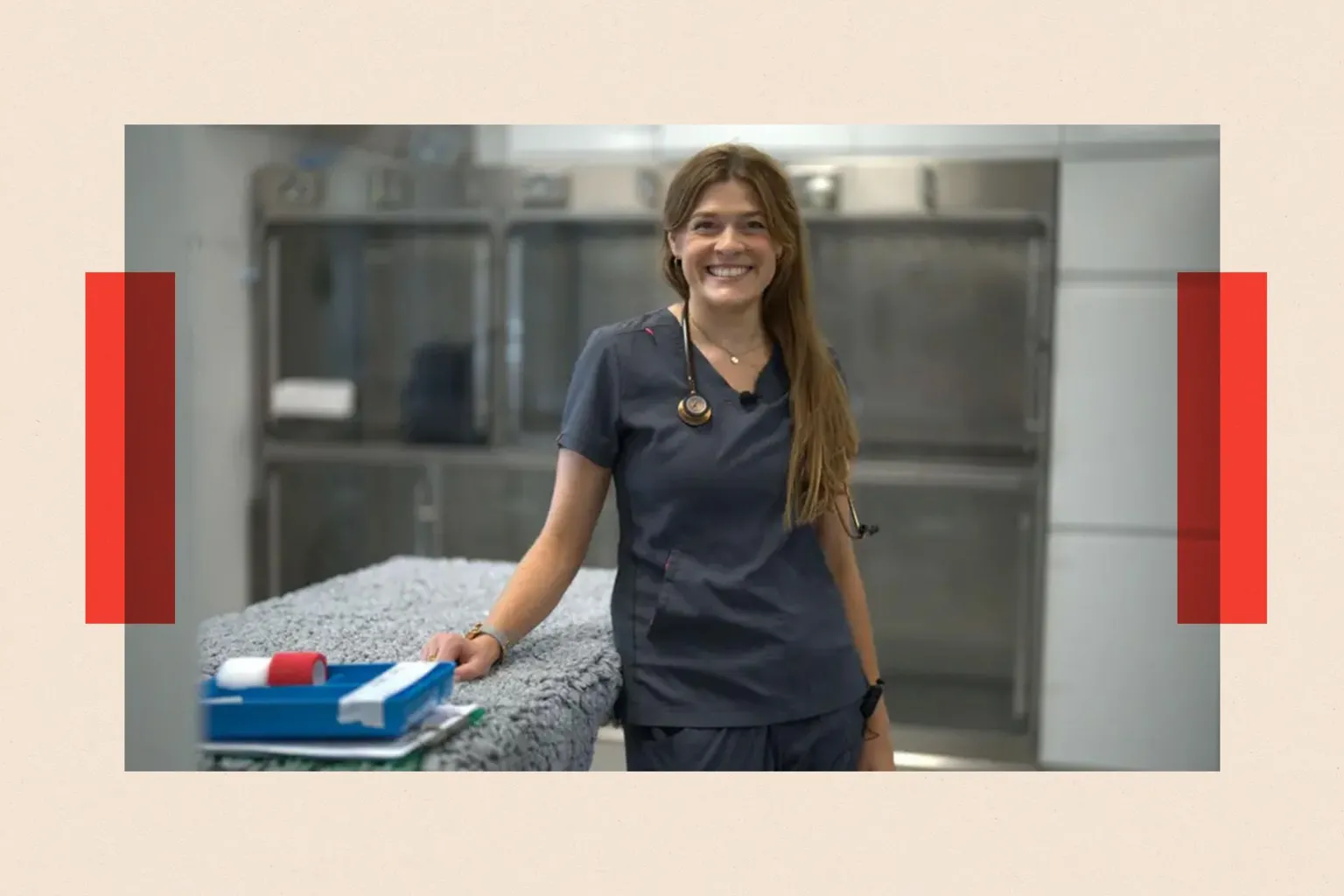
Francesca Verney, veterinary director at independent practice Pet People in London, supports this approach.
"Subscriptions give predictability, transparency and remove barriers to care,"she said.
"It's great for vets as we get to see patients often before they get really sick - removing suffering and intervention, and it's equally valuable to clients when budgeting for their pet's care."
Modernizing Veterinary Services with Technology
Technological advancements may also enhance veterinary services. Some practices now offer apps enabling clients to chat with vets in real time.
Williams notes that artificial intelligence could reduce time spent on paperwork and processing diagnostics, freeing vets to spend more time with animals.
Two widely shared opinions within the profession have emerged. First, the public's perception of healthcare costs is skewed by the NHS system, which obscures the true cost of human medical treatment, making it difficult to gauge reasonable pet care expenses.
Lord Trees, the only veterinarian in the House of Lords and founder of the Veterinary Policy Research Foundation, which recently estimated the veterinary industry's value to the UK at approximately £20 billion, identifies this perception as a significant challenge.
"The public are not attuned to the real costs of providing healthcare and the quality of service you get from the veterinary profession is exemplary,"he said.
"You've never heard of anybody having to wait months and months and months for elective surgery for your dog - it'll be done within a week or two, and the emergency will be done within an hour or two."
Second, veterinarians seek modernization of the Veterinary Surgeons Act, enacted in 1966 when practices were typically owned and operated by individual surgeons. Williams explains that current regulations focus on individual vets rather than the practices themselves, despite over two-thirds being owned by non-veterinarians.
This regulatory gap means vets risk professional sanctions, while practice owners face minimal consequences. The government has pledged reforms, though implementation may take years. Williams notes,
"The public will have a lot of protection from the fact that the businesses themselves are also regulated."He welcomes the change but doubts it will affect customers directly.
Considering Breed Choices and Associated Costs
Reducing veterinary bills may also require reconsidering breed choices and expectations regarding treatment to prolong animal lives.
Breeds such as pugs, French bulldogs, and English bulldogs commonly experience breathing difficulties due to their facial structure, while Scottish Fold cats frequently suffer from arthritis.
Williams does not discourage purchasing these breeds but advises prospective owners to be aware of potential costs.
"It is something that people don't think enough about,"he said.
"They're often swayed by fashion and social media influencers and that's not a good thing. Equally, if somebody has done the research and knows Breed X has problem Y, and I know that that is expensive to do, but are happy to take that on board, because they can afford it that's okay too."
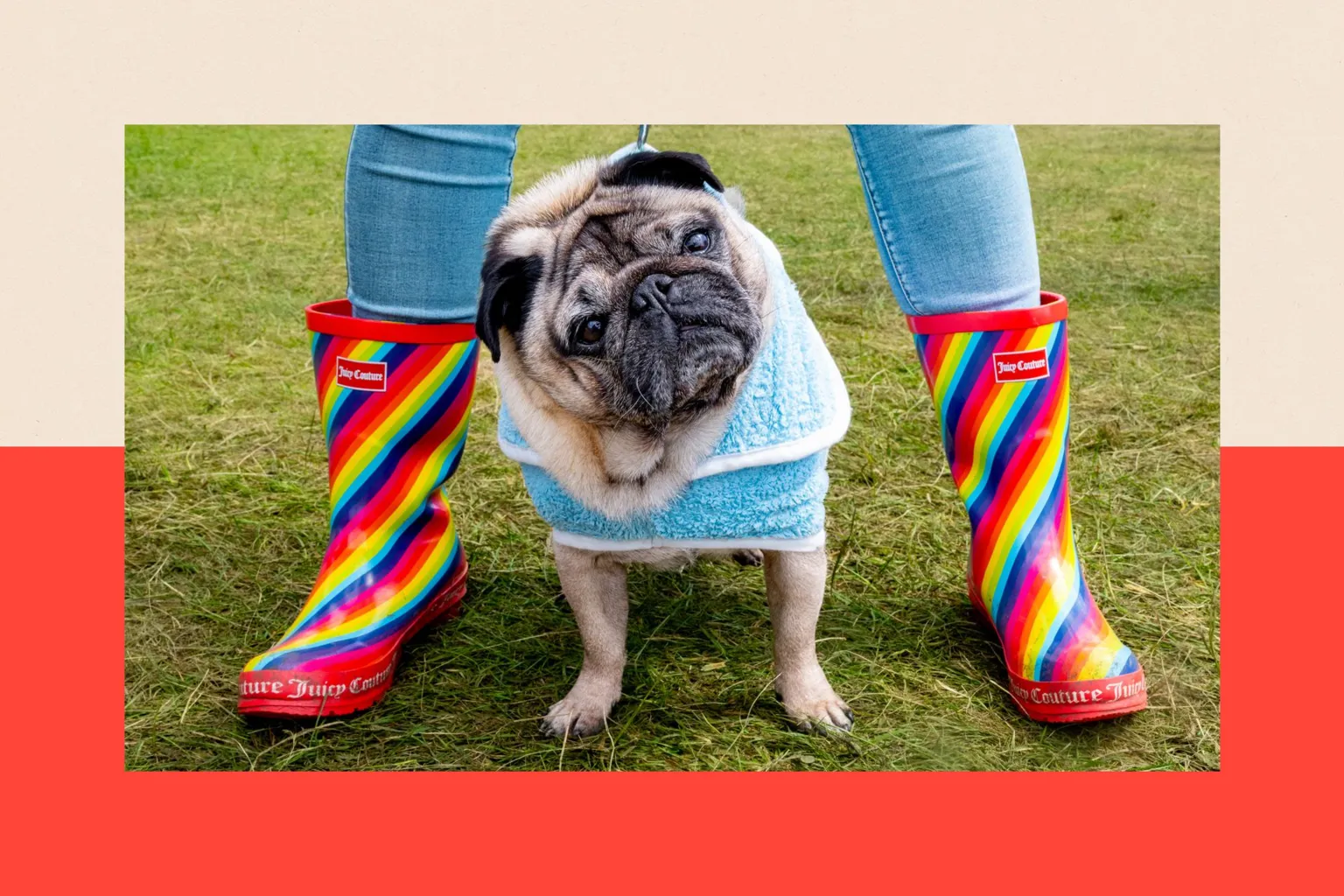
For cats, Williams suggests choosing regular domestic breeds, and for dogs, mixed breeds may generally be healthier than pedigrees, though this is disputed by pedigree advocates.
Batty concurs that some breeds incur higher veterinary costs but observes that people are becoming more discerning in their choices. She notes that breeds like cockapoos and cavapoos often have significant skin and ear problems and advocates for improved breeding regulations.
Balancing Pet Care and Animal Welfare
Another challenging discussion involves the increasing tendency to treat pets as family members, with many owners willing to spend substantial sums on their health.
A recent poll by a pet food company found that half of 2,000 surveyed pet owners viewed their pets as their children. Social media frequently features individuals identifying as "pet parents," a trend some veterinarians consider problematic.
Batty emphasizes the need for veterinary guidance in treatment decisions.
"We could do this, but is this fair, and is it in their best interest of the animal?"she said.
"We're there to be the voice of the animal."
Veterinarians often refer to "contextualised care," providing treatment appropriate to the animal's welfare and the owner's financial capacity.
This approach requires clients to understand that availability of treatments does not always justify their use.
While no quick solutions exist to reduce veterinary costs, ongoing debate may encourage the public to reconsider how they care for their pets.
Correction
An earlier version of this article incorrectly stated that the BVA represents both large operators and independent vets. It has been updated to clarify that the BVA represents independent vets only and to provide additional information on arguments made by larger operators.
About BBC InDepth
BBC InDepth is the website and app home for in-depth analysis, fresh perspectives challenging assumptions, and detailed reporting on major issues. Emma Barnett and John Simpson curate the most thought-provoking reads and analyses every Saturday. Readers can for the newsletter below.



