

Music Therapy Revitalizes Patients with Neurological Conditions
NHS patients suffering from complex neurological disorders experience significant improvements during music therapy sessions, according to a music therapist involved in their rehabilitation.
The Royal Sussex County Hospital (RSCH) in Brighton offers these sessions to individuals with conditions affecting the brain, spinal cord, and nerves, including epilepsy, multiple sclerosis (MS), Parkinson's disease, and stroke.
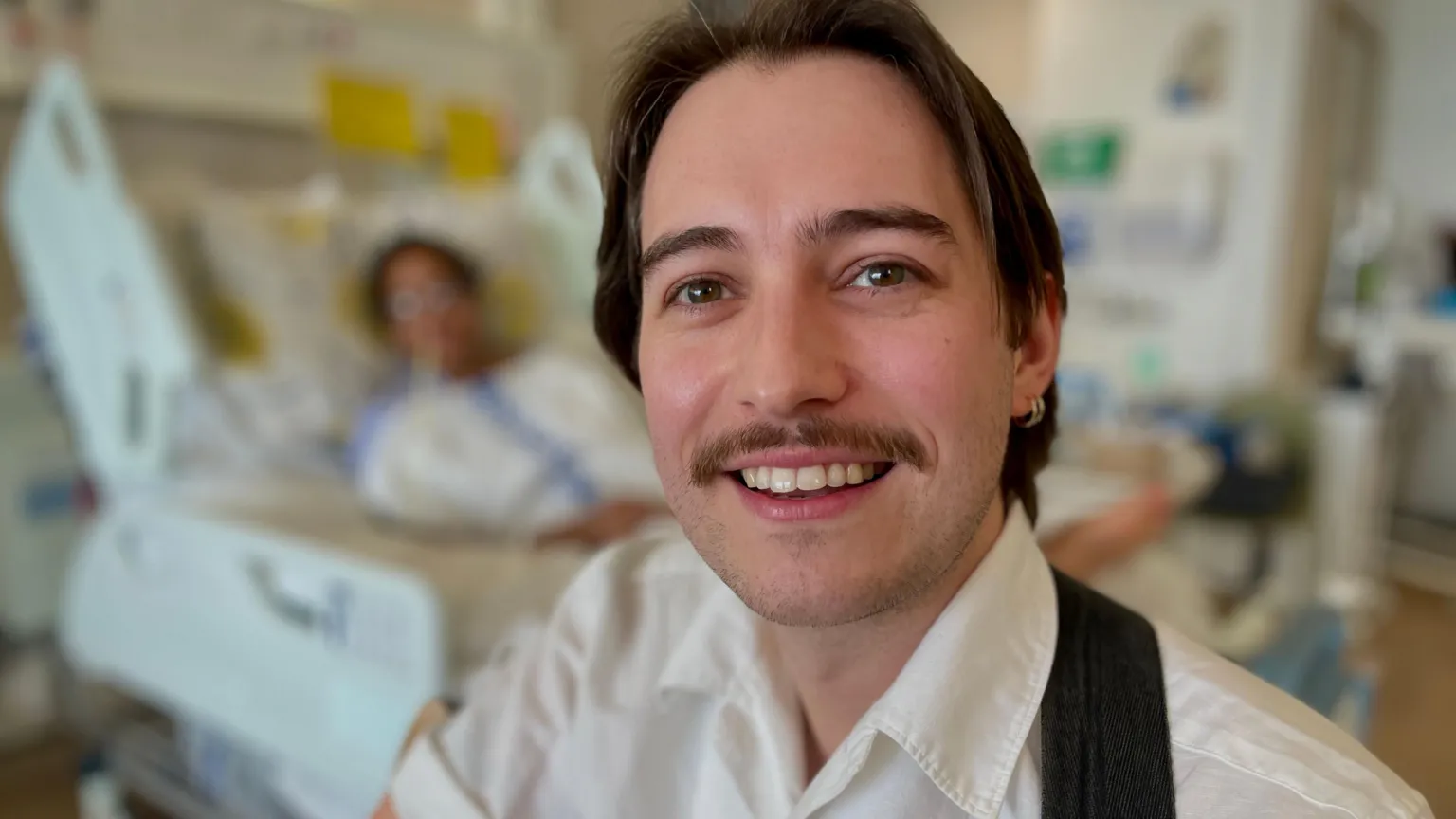
Music therapist Joe Jezard, who conducts the sessions, emphasizes the potential of music as a powerful medium to re-establish neural connections and facilitate healing and restoration.
"By being musical you can see them come alive in different ways that might not have been possible otherwise,"
he said.
The music therapy service is supported by funding from Nordoff and Robbins, a dedicated music therapy charity.
Patient Experiences and Benefits
Anuli, a patient on the neurological ward at RSCH, shared her positive experience with the therapy sessions, noting their contribution to her recovery.
"Before I came to the hospital, I found it difficult to sing,"
she explained, adding that she previously enjoyed singing at home and in church.
"Singing with Joe has been really helpful in bringing strength in my vocal cords,"
she added.

Consultant neurologist Dr John Young highlighted that patients gain from additional rehabilitation opportunities that may not be available through standard physiotherapy and occupational therapy.
Jezard elaborated on the holistic nature of music therapy, stating:
"Because music speaks to all the different parts of our lives, from the rhythms we need to maintain to be well, to the ways in which we respond to tone and pitch in people's voices to communicate, having the opportunity to engage in music making is a way to keep those things alive."
Research and Clinical Perspectives
A 2023 report by Nordoff and Robbins indicated that music therapy supports relaxation, offers emotional support, and enhances overall wellbeing.
Consultant neurologist Dr Eva Bunting reflected on the broader impact of neurological diseases on patients and their families, emphasizing that the effects extend beyond the brain and spinal cord.
"It is a significant life-changing event that can have a wider impact on people and their families as well,"
she said.
"Music therapy really has the potential to be quite transformative in that circumstance in a very holistic way."
Dr Bunting further noted that music can serve as an effective means of communication between patients experiencing illness, their families, and clinical staff.
"[It can] enable a form of communication which maybe can happen without words,"
she added.
For more information and updates, follow BBC Sussex on Facebook, X, and Instagram. Story ideas can be sent to southeasttoday@bbc.co.uk or via WhatsApp at 08081 002250.


