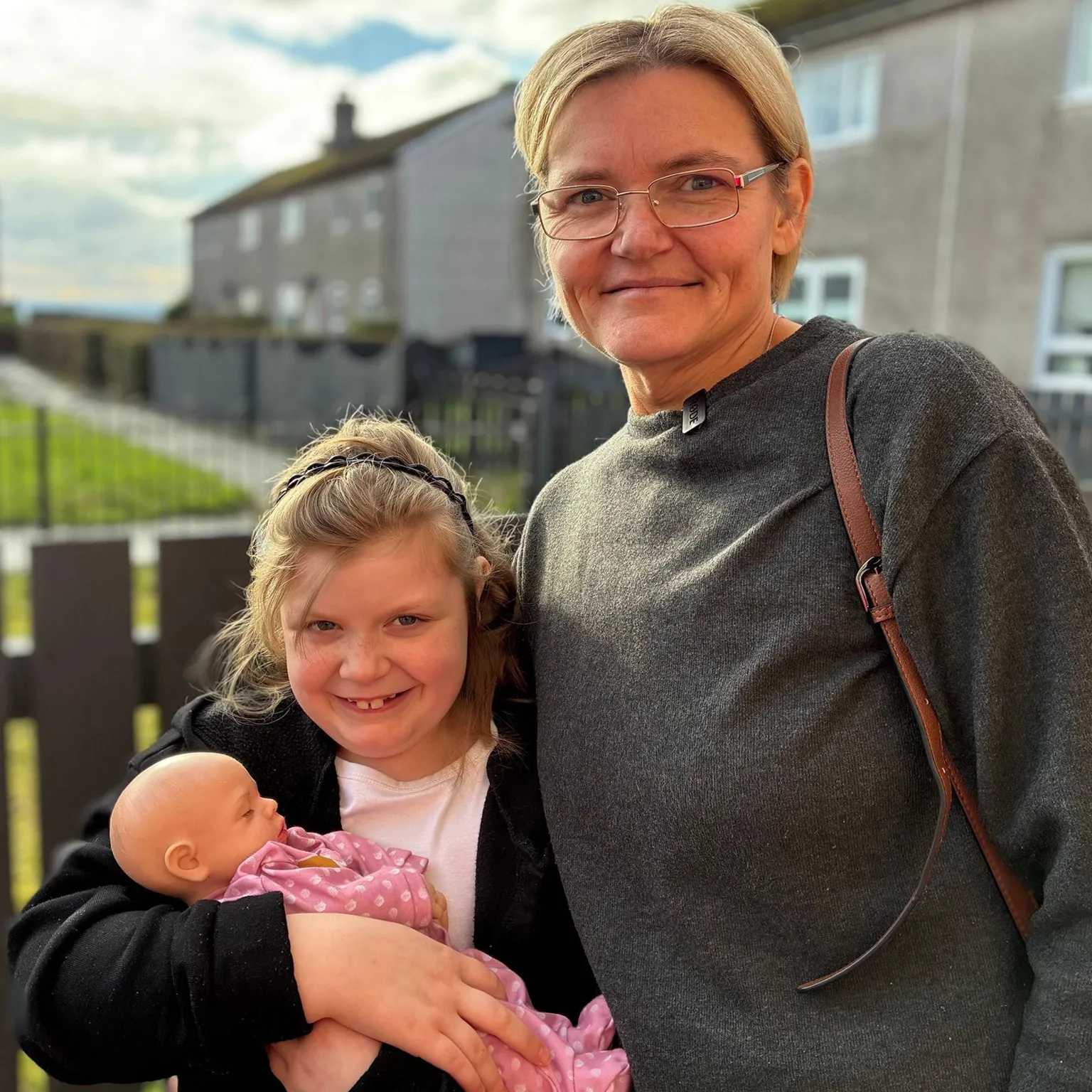
Children Reported to Have Lifelong Conditions After Treatment at Glasgow Hospital
Parents have informed MSPs that children treated at the Queen Elizabeth University Hospital (QEUH) in Glasgow have developed debilitating conditions linked to their medical care. Concerns have been raised regarding prolonged use of anti-infection treatments, which some believe have caused chronic stomach pain and incontinence among affected children.
The Scottish government faces calls to initiate an investigation into these claims, particularly focusing on children who received prophylactic drugs due to infection risks at the hospital. Families allege that health authorities have not been transparent about the treatments administered.
NHS Greater Glasgow and Clyde maintains that the use of prophylactic medication is an established infection prevention method and asserts the hospital remains safe for patients.
A spokesperson for First Minister John Swinney indicated that the issues are being examined "as a matter of urgency".
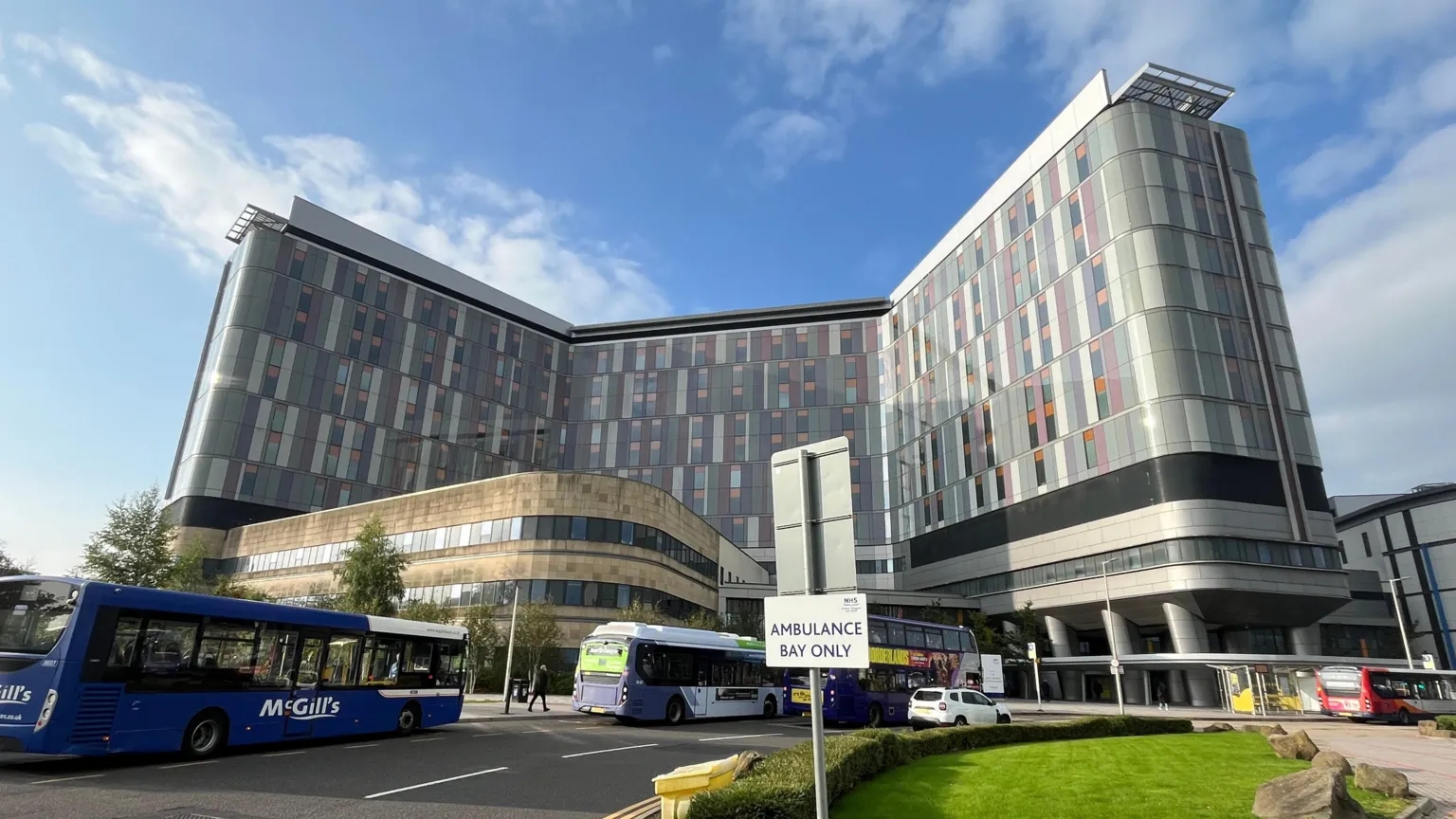
After years of denying problems, the health board acknowledged last month that faults in the hospital's water system likely contributed to infections among child cancer patients at the QEUH campus, which includes the Royal Hospital for Children.
A public inquiry is underway to investigate how design, construction, and system failures led to safety concerns and whether these could have been avoided. The inquiry concluded last month, with findings expected later this year.
Separately, the Crown Office and Procurator Fiscal Service is reviewing seven patient deaths to determine if there is sufficient evidence of criminal offences such as corporate homicide or breaches of health and safety legislation.
Personal Accounts from Families
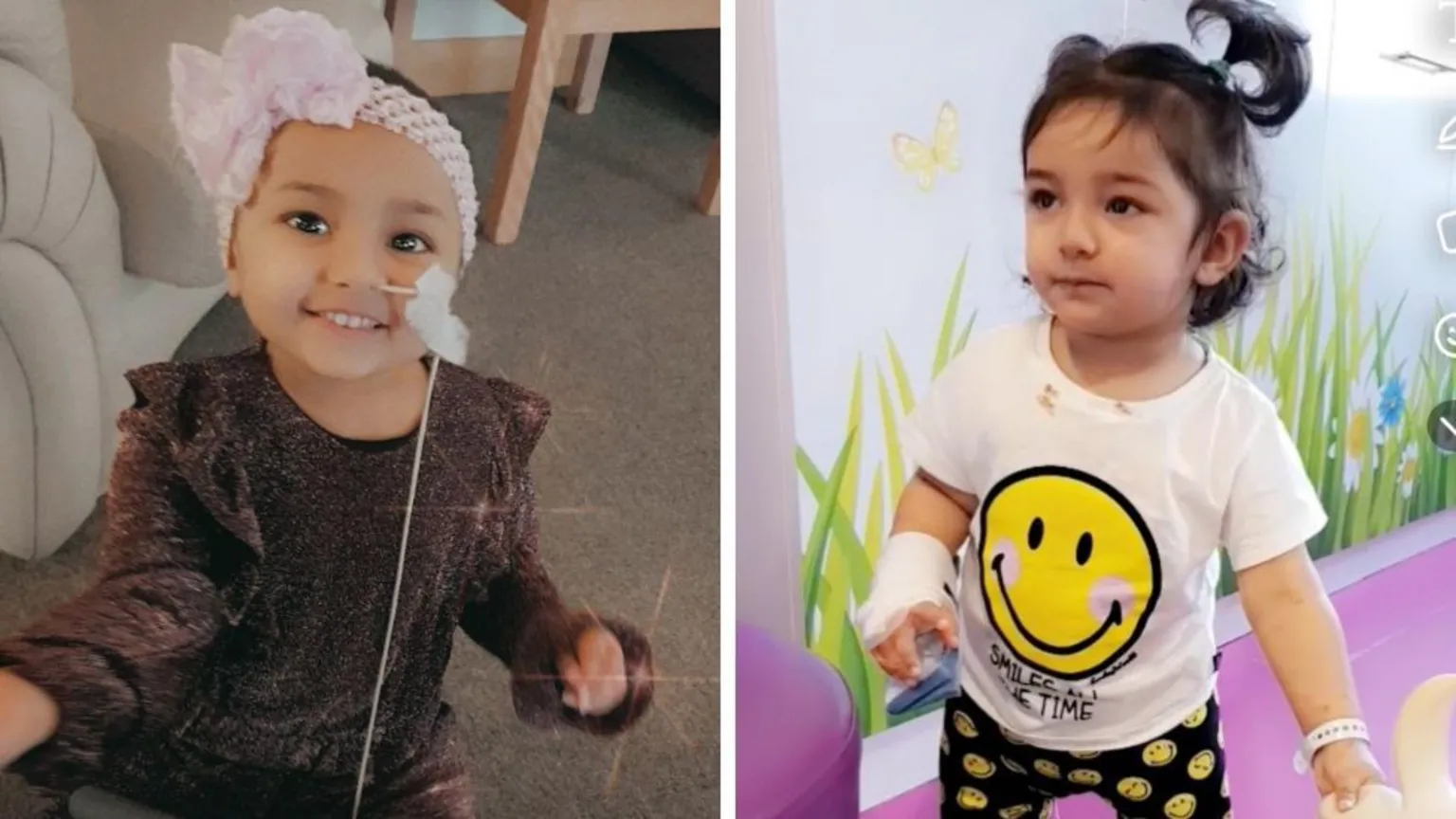
Aneeka Sohrab's daughter, Eshaal, was treated at the QEUH between 2018 and 2020 following a leukaemia diagnosis. Sohrab reports that her daughter contracted multiple infections during her hospital stay.
She states that Eshaal was prescribed prophylactic drugs for 10 months, although she was later informed the treatment should have lasted only two weeks. Sohrab told BBC Scotland News that her daughter now suffers from severe, ongoing symptoms.
"My daughter wakes up with sore stomachs, sore legs, her stomach cramping to the point that she's screaming every morning,"
Sohrab believes the extended drug regimen was due to infection risks at the hospital and alleges that health officials were not truthful about the treatment.
She added that hospital doctors suggested her daughter's stomach pain might be caused by hunger.
"Why not tell me the truth and tell me that could be a side-effect of the medication. Nobody has told the truth so far? It's really disappointing, really upsetting and you can understand why we're angry because this is not just our children, it's the children of Scotland."
Her case and others were raised during First Minister's Questions by Scottish Labour leader Anas Sarwar.
Sarwar stated that some children experienced chronic stomach pain and incontinence, with one boy suffering tooth enamel loss due to illness. He also cited a girl experiencing limb pain preventing school attendance and another requiring regular hormone injections.
The first minister did not dismiss the possibility of establishing an investigation but emphasized that the ongoing inquiry is intended to provide families with the "answers they deserve."
Sohrab, who observed FMQs from the gallery, commented on the first minister's response:

"I feel John Swinney today did turn his back on us physically as well as theoretically."
She accused the SNP leader of being "afraid to open up a can of worms."
Sarwar called for an expert panel to review individual cases like Eshaal's, noting that such cases may not receive detailed examination by the Scottish Hospitals Inquiry.
Charmaine Lacock's daughter Paige, who was three years old when she contracted a "life-threatening" infection during cancer treatment at the QEUH in early 2019, also shared her experience.
Lacock said her daughter was prescribed prophylactic drugs for 10 months, but a US consultant later advised that the treatment should have lasted only two weeks.
Lacock urged the government to establish an expert group immediately.
"God forbid Paige has a relapse and we have to come back to the hospital – I want to make sure that the hospital is safe because the second time round she might not be as lucky as to walk away."
Sarwar stated that parents were told prophylactic drugs were standard treatment unrelated to hospital infections.
He criticized the handling of the situation, citing "cover-ups, secrecy, misdirection and downright deception," and said parents had been "misled and treated appallingly."
First Minister Swinney told parliament he would "always listen with care to the perspective and interest of families" affected by the infections scandal and would do all he could to alleviate their suffering.
The SNP leader maintained that it was appropriate to await the inquiry's report but said he would consider Sarwar's proposal for an expert review.
Later, the first minister's spokesman reiterated that the government would address the concerns raised by Sarwar "as a matter of urgency."
Hospital Safety and Official Statements
A spokesperson for NHS Greater Glasgow and Clyde expressed sympathy for the distress experienced by children and families following illness.
They asserted that consultants have always been transparent with families regarding medication.
The spokesperson explained that cancer treatments can significantly weaken patients' immune systems, making prophylactic drugs necessary to prevent potentially life-threatening infections.
They added:
"These can be prescribed as part of routine clinical management associated with an underlying condition or as a precaution if there are concerns about environment.
The environment at the Royal Hospital for Children is safe and this medication continues to be prescribed to some patients receiving treatment as part of patient medical protocol."