

Ongoing Risks in Unregulated Baby Sleep Industry Highlighted in Parliament
Lives remain "still at risk" due to the unregulated baby sleep industry, a parliamentary debate was informed last night.
Members of Parliament are urging the government to establish a timeline for legislation that would mandate training and background checks for those providing paid support to families, following a BBC investigation.
Labour MP Connor Rand described the sector as the "Wild West" and advocated for the introduction of "mandatory safeguarding and qualification standards" for all individuals offering paid assistance to families.
The debate was prompted by undercover footage obtained by the BBC, which revealed that some self-styled baby sleep experts have been advising parents in ways that medical professionals warn could increase the risk of Sudden Infant Death Syndrome (SIDS).
Liberal Democrat MP Tom Morrison emphasized the need for "a proper regulatory framework to make sure these charlatans that are putting out bogus sleep advice on social media... are held to account."
Health Minister Karin Smyth affirmed that "public safety is and has to remain the top priority."
Rand referenced the death of Madison Bruce Smith, a baby from his Altrincham and Sale West constituency, as a tragic example of the consequences of unqualified practitioners operating without oversight.
The MP, who led the debate, presented a series of recommendations as the government contemplates regulation of the sector.
These recommendations include the implementation of mandatory minimum safeguarding and paediatric qualification standards, supported by the National Nanny Association and The Lullaby Trust.
Rand also called for mandatory enhanced Disclosure and Barring Service (DBS) background checks for all individuals working with children, including nannies, maternity nurses, infant sleep consultants, and childcare professionals operating in private homes.
He highlighted a significant gap in postnatal support for new parents and urged the government to outline plans to invest in health visitor services.
Rand stated that the "infant sleep industry has boomed... as the support that used to be provided by the state has been stripped back."
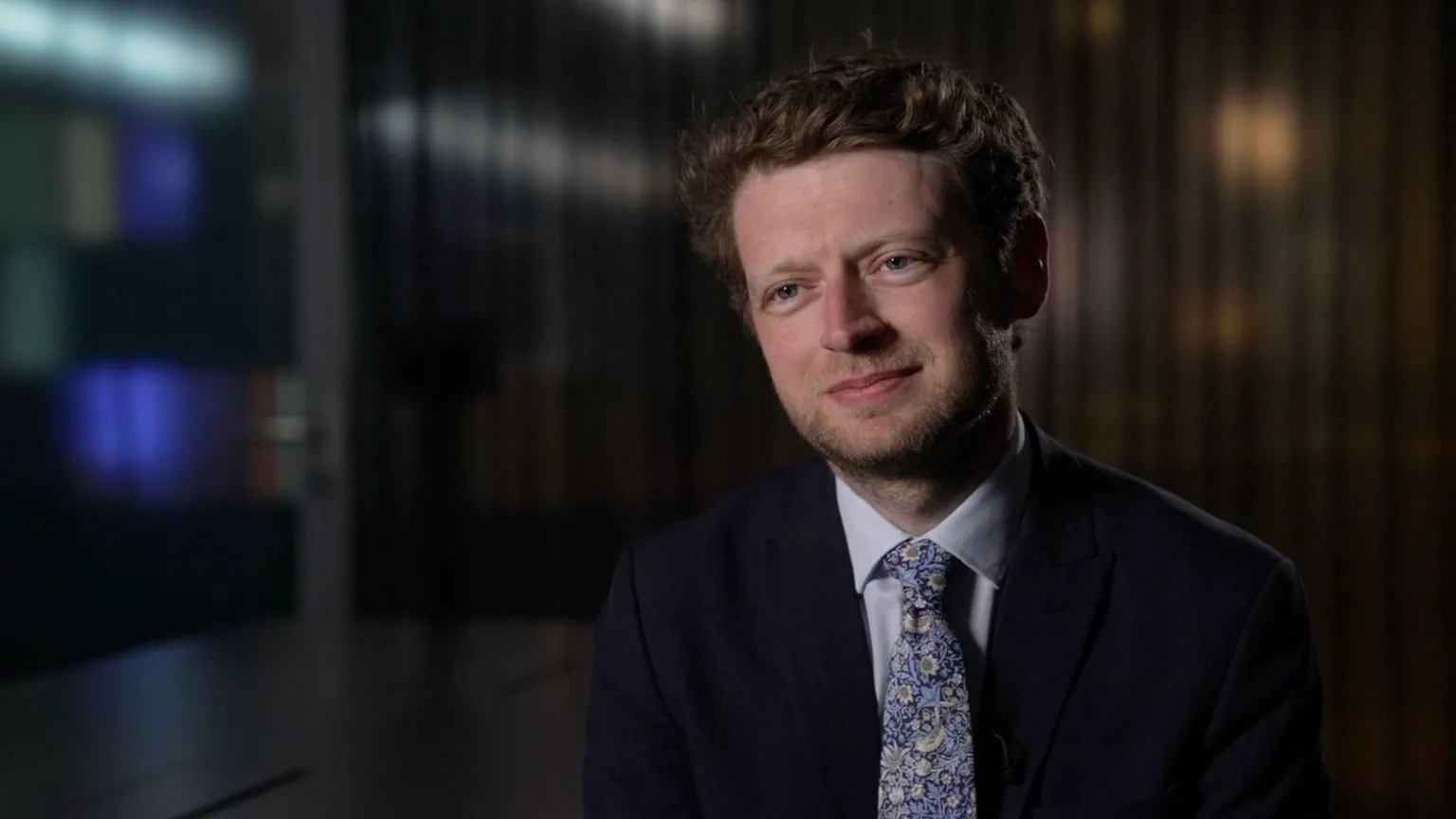
Conservative MP Robbie Moore expressed his full support for the proposals Rand presented, emphasizing his desire to see regulation extended to nannies, maternity nurses, and infant sleep practitioners.
Allie Bell and Maria Culley from the National Nanny Association expressed hope that the debate marks "the start of meaningful reform" and the beginning of regulation for maternity nurses, nannies, and the broader baby sleep industry.
"Families deserve clarity about the qualifications, training and safeguarding standards of those caring for their children, particularly during the earliest and most vulnerable stages of a child's life,"Bell and Culley told the BBC.
Last month, The Lullaby Trust, the UK's leading baby-safety charity, and MP Tom Morrison wrote to Health Secretary Wes Streeting calling for "urgent action" to "ensure that no more babies' lives are put at risk due to unregulated and bogus sleep advice."
Currently, anyone may identify themselves as a maternity nurse, sleep expert, or consultant without any formal training, oversight, or accountability.

DUP MP Jim Shannon highlighted the lack of regulation in a sector that primarily serves "sleep-deprived and vulnerable parents."
During the debate, Shannon stated:
"Anyone can buy a website domain, call themselves an infant sleep expert or a maternity nurse and charge vulnerable sleep-deprived parents hundreds of pounds for unregulated, untested and potentially unsafe advice."
He added that parents "need to have security in that advice that they are taking comes from a solid foundation and that qualifications, or lack of qualifications are clear."
The Department for Health and Social Care (DHSC) announced in March that legislation would be amended to restrict who may use the title "nurse."
This change means that individuals working hands-on as night nannies would no longer be permitted to operate under the title "maternity nurses."
Rand called for a clear timeline for the introduction of legislation and stated that new regulations should also apply to those using titles such as sleep consultants or practitioners.
Minister Smyth reiterated the government's plans to protect the title of nurse during the debate, adding that a "call for evidence on the protection of the title nurse" will be published "shortly."
Concerns Over Women's Vulnerability and Unsafe Advice
Following the BBC investigation, numerous parents have spoken out, emphasizing that the government's commitment to enhanced regulation is "absolutely essential" for the safety of babies and maternal mental health.
Aimee Beesley, a mother of two, welcomed the proposed changes and stated that "babies' lives are at risk" under the current unregulated system.
When she was sleep-deprived and struggling with postnatal depression after the birth of her first child, she paid hundreds of pounds for assistance from a sleep consultant and self-described maternity nurse with thousands of followers online. She had assumed there was already a regulatory body overseeing such professionals.
She reported receiving advice that included placing her babies in their own room at eight weeks old and positioning muslin towels around their heads in the cot.
Beesley believes that self-described maternity nurses "capitalise on women's vulnerability" and "say whatever they want" online.
Now qualified in infant sleep herself, she supports the idea that "any coach worth their salt would be prepared to re-train under the right regulatory body."
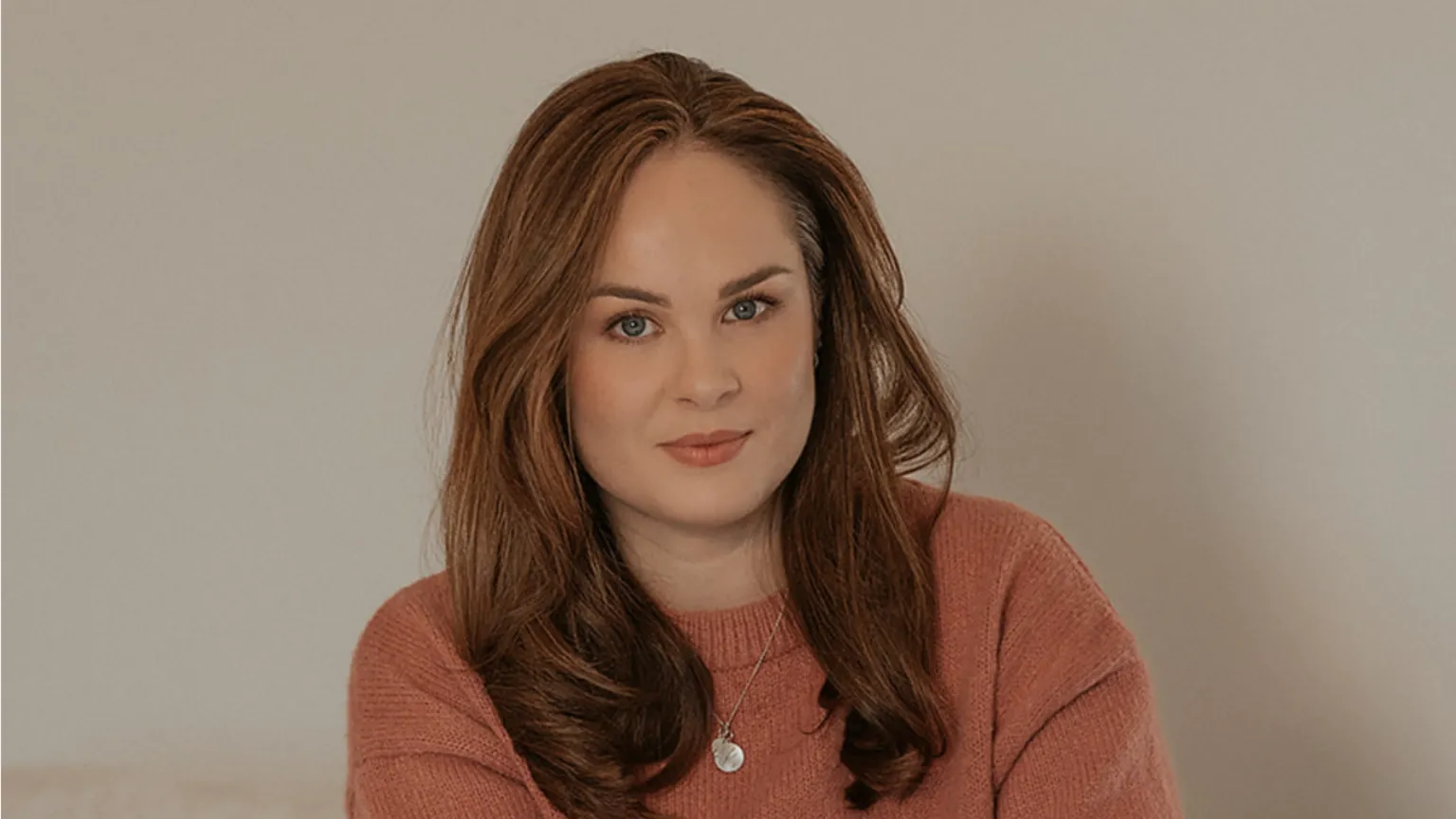
Responding on behalf of the government, Minister Smyth acknowledged that the early stages of parenting are "a really worrying and stressful time... and rogue advice from so-called experts can have a damaging and devastating effect on those who seek reputable advice and guidance."
She outlined existing support available to new parents, including the Healthy Babies programme, which "supports new parents and families by offering integrated preventative and universal support, including perinatal mental health, parent-infant relationships and infant feeding in the 1,001 days from pregnancy to age two."
Individuals affected by the issues raised in this story are encouraged to contact the BBC team at ParentingInvestigation@bbc.co.uk.
Information and support on child bereavement are available through the BBC Action Line.


