

Mould Found in Cancer Ward at Glasgow Hospital
Mould growth has been identified in a cancer ward at the Queen Elizabeth University Hospital (QEUH) in Glasgow, a hospital currently under scrutiny due to a series of controversies, the Health Secretary Neil Gray has confirmed.
Last month, certain rooms within the adult bone marrow transplant unit at QEUH were sealed off following concerns about "potential water ingress." Gray informed Members of the Scottish Parliament (MSPs) that mould had been detected in one of these closed rooms.
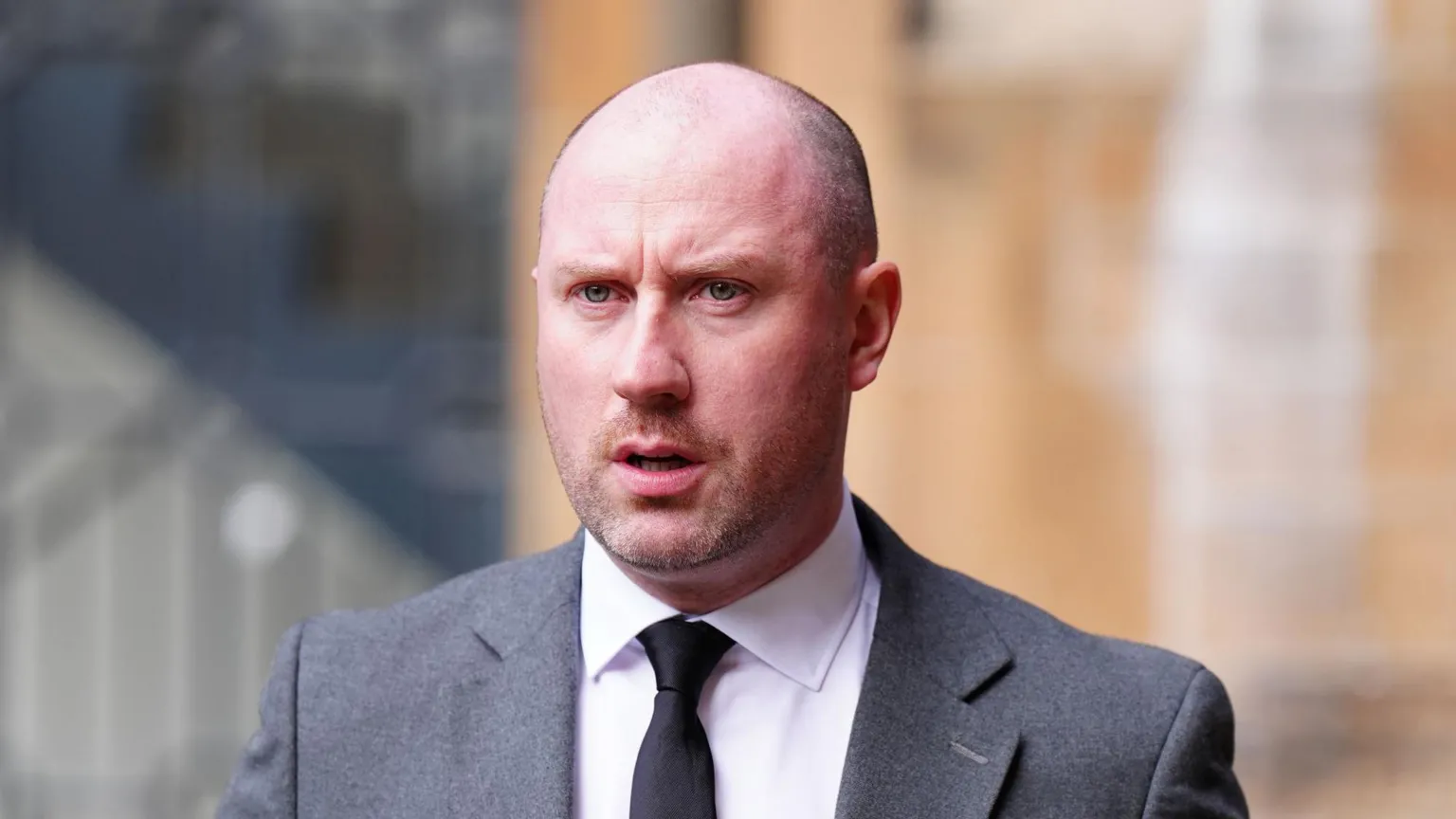
The QEUH, one of the largest hospitals in the United Kingdom, has been the subject of a national inquiry initiated in 2019 after multiple patient deaths and elevated infection rates were reported.
In January, NHS Greater Glasgow and Clyde acknowledged during the inquiry that infections affecting some child cancer patients were likely linked to the hospital’s water system.
Health Secretary Addresses Water Ingress and Mould Issues
Neil Gray was responding to questions from Scottish Conservative MSP Meghan Gallacher regarding water ingress problems at the hospital. He stated:

"In the interests of full transparency, I am making Parliament aware that this morning it was confirmed that a swab taken from room 85, which was closed on 19 February, has shown mould growth."
"As colleagues would expect, I have made it clear to Greater Glasgow and Clyde that I expect their continued focus to see these issues resolved as soon as possible."
Alert Status and Government Response
First Minister John Swinney recently confirmed that a red alert had been issued for one of the hospital’s wards. The Scottish government was initially informed of an amber alert on the ward on 26 February. This alert was escalated to red on 5 March before being downgraded back to amber.
Both Gray and Swinney have indicated that the increase in alert levels is largely attributable to heightened media attention rather than an immediate threat to patient safety.
Concerns Raised by MSP and Government Actions
Meghan Gallacher acknowledged the media interest but emphasized that the public would be concerned by these developments. She remarked:
"The cabinet secretary has just outlined bone marrow transplant patients are among the most vulnerable in the NHS, and common airborne mould can cause life-threatening infections."
"Can I ask the cabinet secretary what further action the government is taking to ensure that the wards, not the ones that you've mentioned, but other wards, have also been inspected for mould and water ingress?
When will the bone marrow ward be safe for use, and, ultimately, who will be held accountable for this latest incident at Queen Elizabeth University Hospital?"
In response, Gray said he had visited the QEUH the previous Wednesday and confirmed that safety measures were being implemented by staff while the ward remains operational. He added:
"There are rooms that are closed in order to manage safety and to take a risk-averse approach and to ensure, as Meghan Gallacher rightly says, that the risks are being managed given the immunosuppressed patients with clinically-driven medications."
Ongoing Oversight and Public Confidence Measures
NHS Greater Glasgow and Clyde has been contacted for comment regarding the situation. Recently, the health board announced the establishment of a new oversight group intended to enhance public confidence in the safety standards at QEUH.


