

Fatal Meningitis Cases Reported in Kent
Two individuals have died following a meningitis outbreak in Kent. The local Member of Parliament confirmed the death of a Year 13 pupil at Queen Elizabeth's Grammar School in Faversham on Monday. The second fatality was a student at the University of Kent.
The UK Health Security Agency (UKHSA) reported receiving notifications of 13 cases exhibiting symptoms of meningitis and septicaemia between Friday and Sunday in the Canterbury area. Health authorities are administering antibiotics to some students in the region as a precautionary measure against the infection.
What is Meningitis and Invasive Meningitis?
Meningitis is an infection affecting the protective membranes surrounding the brain and spinal cord. It can affect individuals of any age but is most prevalent among babies, young children, teenagers, and young adults. Prompt treatment is critical due to the potential severity of the illness.
The infection's cause, whether bacterial or viral, can be identified through diagnostic tests. Bacterial meningitis is less common but more severe than viral meningitis. It can result in blood poisoning (sepsis) and brain involvement.
This serious condition, known as invasive meningitis, occurs when the infection spreads into the bloodstream or the brain's protective linings. Both deceased individuals in the Kent outbreak are believed to be aged between 18 and 21. The exact meningitis strain involved has not yet been determined.
Recognizing Meningitis Symptoms
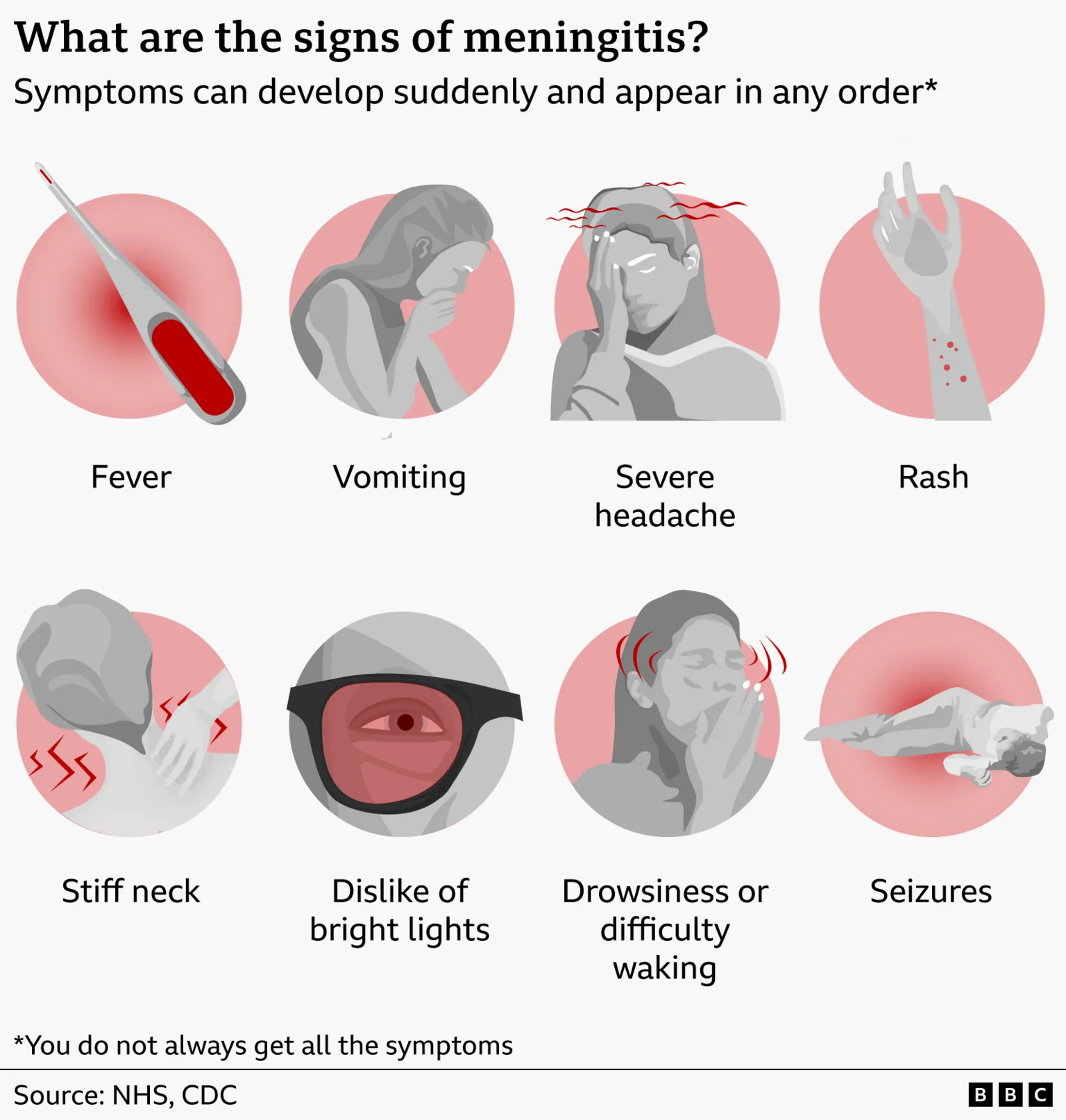
Symptoms of meningitis can develop rapidly and may include:
Transmission of Meningitis
Some individuals may carry meningitis-causing bacteria in their nose or throat without showing symptoms but can transmit it through saliva or respiratory droplets via coughing, sneezing, kissing, or sharing utensils. Although less common, the infection can also spread from someone actively affected by meningitis.
It is possible to contract meningitis more than once. Reports suggest the Kent outbreak may be linked to a social event in Canterbury attended by some of those who became ill. While meningococcal disease outbreaks are rare, they can occur in environments where people congregate closely, such as college campuses.
Preventing the Spread
The most effective method to prevent disease transmission during a local outbreak is administering antibiotics to individuals who may have been exposed. In Canterbury, some students are receiving this treatment as a precaution, despite the specific bacterial strain not yet being identified.

Vaccination Against Meningitis
Two vaccines provide protection against the primary causes of meningococcal meningitis and septicaemia. The MenACWY vaccine protects against four meningococcal groups: A, C, W, and Y, and is offered to teenagers at 14 years of age.
The MenB vaccine targets meningococcal group B bacteria and is recommended for infants starting at eight weeks old, with subsequent doses at 12 weeks and a booster at one year.
Meningitis can also arise as a complication from other infections; therefore, several other vaccines contribute to protection. The six-in-one vaccine (DTaP/IPV/Hib/Hep B) given to young children protects against diphtheria, tetanus, whooping cough, hepatitis B, polio, and Haemophilus influenzae type b (Hib).
Additionally, the pneumococcal vaccine protects infants from serious infections caused by pneumococcal bacteria, including meningitis. The MMRV vaccine, administered to infants, offers protection against measles, mumps, rubella, and chickenpox.
Checking Vaccine Status
If unsure about vaccination history, individuals should contact their general practitioner or consult their personal health record (commonly known as the red book). The MenACWY vaccine is available free of charge for anyone who missed it at school, up to their 25th birthday. Most young people in the UK receive this vaccine during Year 9 or 10 at school.
The MMR vaccine is also free for anyone who missed it in childhood, regardless of age. The MenB vaccine was introduced into the UK childhood immunisation schedule in 2015, so current teenagers may not have received it. Some have obtained the vaccine privately, and there are ongoing discussions about expanding NHS provision of MenB vaccination to teenagers and young adults; however, it is not currently offered by the NHS for this age group.
What to Do if Meningitis is Suspected
Anyone experiencing symptoms of meningitis or septicaemia should seek urgent medical attention at the nearest Accident and Emergency department or by calling 999. Early intervention can be lifesaving.
Students in the Canterbury area are advised to trust their instincts and not wait for all symptoms or a rash to appear before seeking help.
"Students are particularly at risk of missing the early warning signs of meningitis because they can be easily confused with other illnesses such as a bad cold, flu or even a hangover,"
health officials warn.
Students are encouraged to check on friends who go to bed feeling unwell and to seek medical advice promptly through their GP or the NHS 111 service if symptoms develop.


