

Meningitis Cases Confirmed Among Reading Students
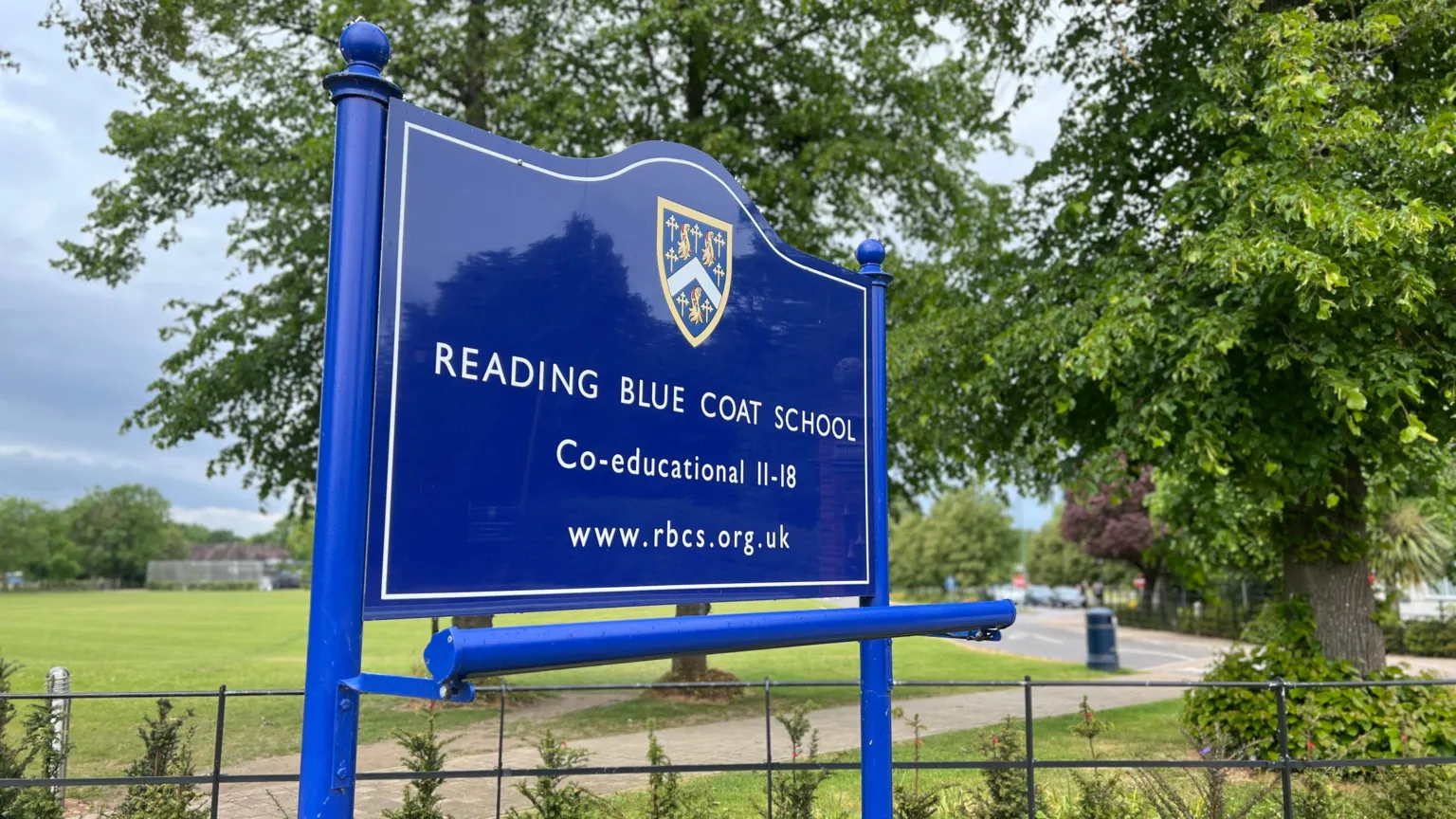
Two individuals diagnosed with meningitis in Reading have been confirmed as pupils at two separate schools. The students, one attending Reading Blue Coat School and the other enrolled at Highdown Secondary School and Sixth Form, are currently undergoing treatment, according to the UK Health Security Agency (UKHSA).
Connection to Henley College Case and Social Network Identified
Earlier this week, the UKHSA announced the death of a sixth-form pupil at Henley College in Oxfordshire due to meningitis. The agency has since identified a social network linking the three young people affected by the illness. As a precautionary measure, close contacts associated with all three cases are being offered antibiotics.
Henley College issued a statement expressing condolences:
"Our thoughts and sincere condolences are with the student's family and friends at this extremely difficult time."
"We are supporting those affected within our college community and are following the advice and guidance given by the UK Health Security Agency."
"Out of respect for the family, we will not be providing further detail at this time."
The UKHSA has not disclosed further specifics regarding the nature of the social connections among the cases.
Details on the Meningitis Strain and Recent Outbreaks
The agency confirmed that one of the cases has been identified as Meningitis B (MenB), with additional testing ongoing. It also clarified that this strain differs from the MenB outbreaks reported earlier in the year.
Two months prior, two fatalities linked to MenB occurred in Kent, associated with a nightclub in Canterbury. In April, three young individuals contracted meningitis in Dorset.
The UKHSA is actively disseminating information about the infection to students and parents at all affected schools and has emphasized that the risk to the broader public remains low.
Expert Commentary on the Situation
Dr Shamez Ladhani, consultant epidemiologist at the UKHSA, described the occurrence of three separate outbreaks within a short timeframe as "really unfortunate."
"This is a very rare disease but when it strikes it can be very lethal,"
he stated, describing the situation in Reading as "evolving."
"Just like Kent was, just like Dorset... it is difficult to know where it is going to go from here,"
"Hopefully it will settle down. At the moment, every indication is that there is no increased risk to any of the students in Reading, but the situation is evolving and if that changes we will take action if needed."
Speaking on BBC Radio 4's Today programme, Dr Ladhani elaborated:
"We have the strain from one of the three cases [in Reading] and we know that it is completely distinct to the one that caused the outbreak in Kent and the one that caused the outbreak in Dorset."
"We have identified a social network where these three are connected and we are almost certain that this is going to be the same strain."
"The fact that they have the infection means that we have the same preventative measure and will try and identify the contacts and protect them with antibiotics and vaccines."
Background on Meningococcal Disease and Vaccination
Annually, approximately 300 to 400 cases of meningococcal disease are diagnosed in England. The illness is most prevalent among babies, young children, teenagers, and young adults.
Meningitis symptoms can develop rapidly and may include:
- High fever
- Severe headache
- Stiff neck
- Nausea or vomiting
- Sensitivity to light
- Confusion or difficulty concentrating
- Seizures
- Sleepiness or difficulty waking
- Loss of appetite or thirst
- Skin rash
The UKHSA advises young people to verify that they are up to date with vaccinations, including the MenACWY vaccine offered to pupils in Years 9 and 10. This vaccine remains available free on the NHS for individuals up to 25 years of age but does not provide protection against all meningitis strains.
Other strains, such as MenB, continue to circulate among young populations.



