

What is meningitis B?
Meningitis is an infection of the protective membranes surrounding the brain and spinal cord. There are several types, with meningitis B being particularly serious. It can affect individuals of any age but is most prevalent among babies, young children, teenagers, and young adults. Since 2015, babies have been offered a vaccine against MenB, meaning that teenagers and young adults over 11 years old have not previously received this vaccination.
Who will be offered the MenB vaccine?
Individuals born between 1st September 2007 and 31st August 2008, as well as those under 25 years old starting university or residential further education for the first time in autumn, will be eligible for the MenB vaccine. The vaccine will be provided free of charge through the NHS. Two doses, administered at least four weeks apart, are required for optimal protection.
Each UK nation has slightly different plans for vaccine delivery. In England, community pharmacies will be involved, with appointments becoming available from the end of July. Eligible individuals will be contacted directly via the NHS App, text messages, and email. Those under 25 beginning university for the first time will be able to book appointments directly with participating pharmacies. International students under 25 entering their first year of university are advised to receive their first dose in their home country where possible.
Experts note that cases of invasive meningococcal disease typically peak between October and November annually, which increases the risk for new university students. Young people attending university are at higher risk of contracting meningitis B, as the strain can spread in shared accommodation.
Why aren't all teens being offered the vaccine?
The Joint Committee on Vaccination and Immunisation (JCVI), government advisers, determined that offering the MenB vaccine routinely to all teenagers on the NHS is not cost-effective. This decision is subject to ongoing review. While the MenB vaccine effectively protects infants, its efficacy is lower in young people. Additionally, although the vaccine targets the most common versions of the B strain, it does not cover all variants. The vaccine does not prevent bacterial transmission between individuals. Protection lasts several years but is not considered lifelong.

Currently, all teenagers are offered a separate meningitis vaccine, the MenACWY vaccine, which protects against some other strains but not MenB.
How does meningitis spread?
Transmission requires close personal contact. Some individuals carry the bacteria in their nose or throat without symptoms but can spread it through saliva exchange via coughs, sneezes, kissing, or sharing vapes and drinks.
This year, a significant outbreak occurred at the University of Kent in March, with additional unusual clusters reported in Weymouth, Dorset, and Reading, Berkshire.
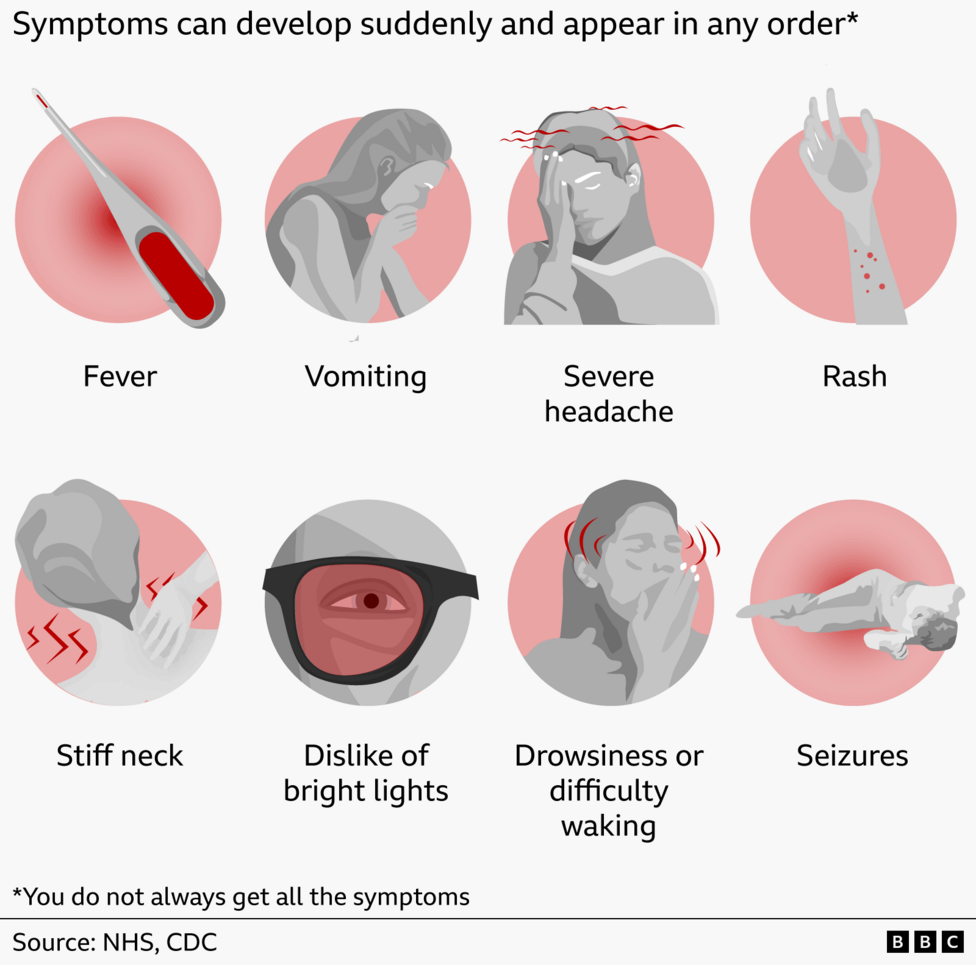
Why does meningitis affect young people and can older people still get it?
Students are particularly at risk because they come into close contact with many new people when starting university. They often live in shared accommodation and communal spaces, increasing exposure risk. Older adults can also contract meningitis, especially those with weakened immune systems, but the highest risk groups remain young people and babies.
Should I pay for a meningitis vaccine?
Vaccination is a personal decision. High street pharmacies offer the full two-dose course for approximately £220. Following the Kent outbreak, both Boots and Superdrug have reported increased demand. The charity Meningitis Now advocates for MenB vaccines to be available "at a fair price" and has called for wider NHS availability to protect teenagers and young adults. Some parents have opted to purchase the vaccine privately for their children in response to recent outbreaks.
For further information, see articles on meningitis symptoms, transmission, and recent outbreak investigations.


