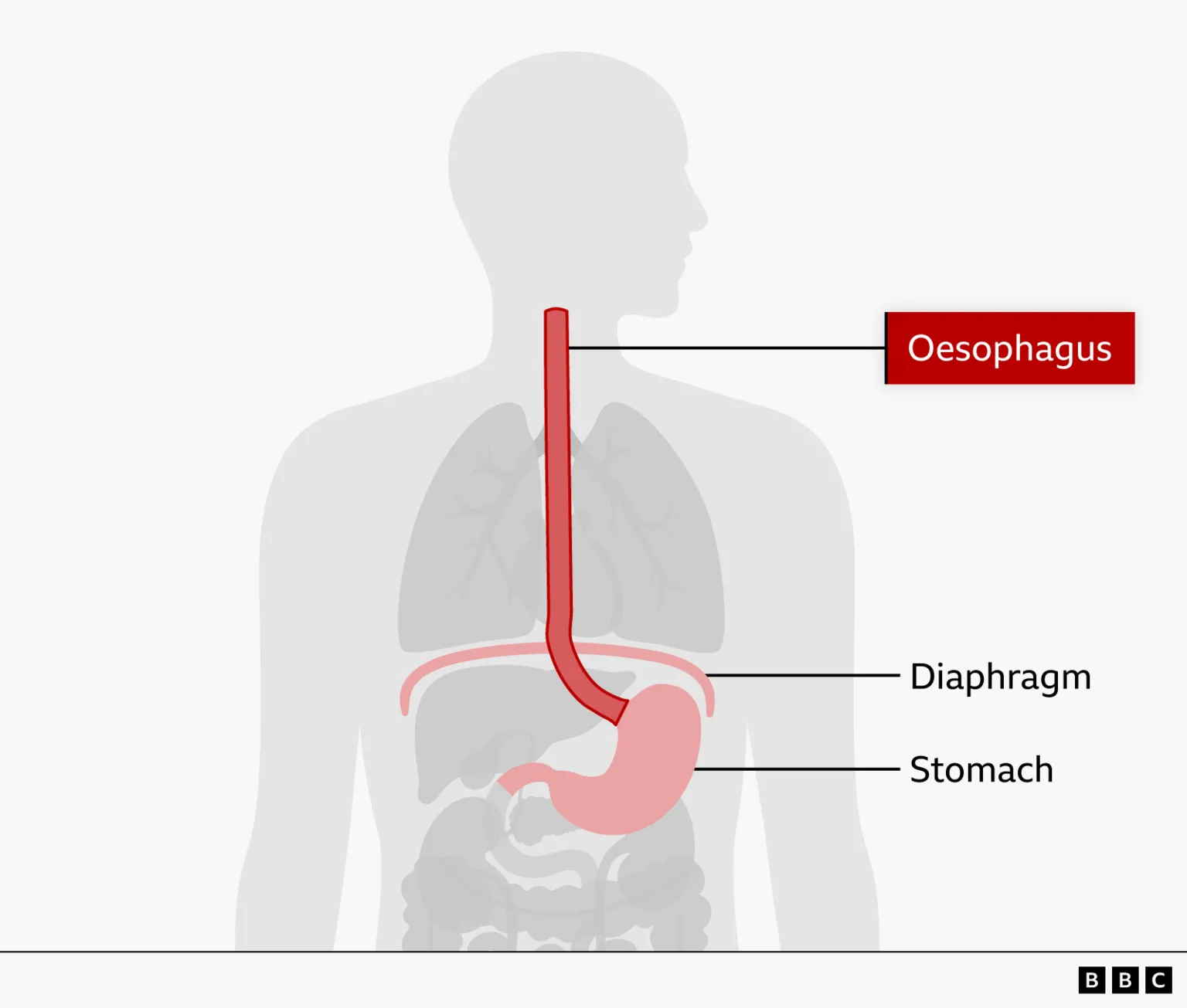
Breakthrough in Lab-Grown Oesophagus Transplants
Scientists in the UK have successfully grown fully functioning oesophagi in the laboratory and transplanted them into miniature pigs. This advancement, detailed in the journal Nature Biotechnology, presents promising prospects for patients such as two-year-old Casey Mcintyre, who was born missing an 11cm segment of his oesophagus.
Casey's mother, Silviya, shared that they were informed prior to his birth about the significant challenges he would face with his food pipe and the extensive surgeries that would be necessary.
Currently, doctors have repositioned Casey's stomach to bridge the gap in his oesophagus. Despite this, he continues to rely on a feeding tube as he develops his swallowing ability.
"The repeated surgeries have left him with some damage to his vocal cords so he's developing his speech and noise-making to catch up.
Once he's eating enough through his mouth, we'll be able to take his tube out."
Casey's father, Sean, described the learning curve they have experienced as new parents, adapting to feeding him through a stomach tube and managing urgent hospital communications at all hours.
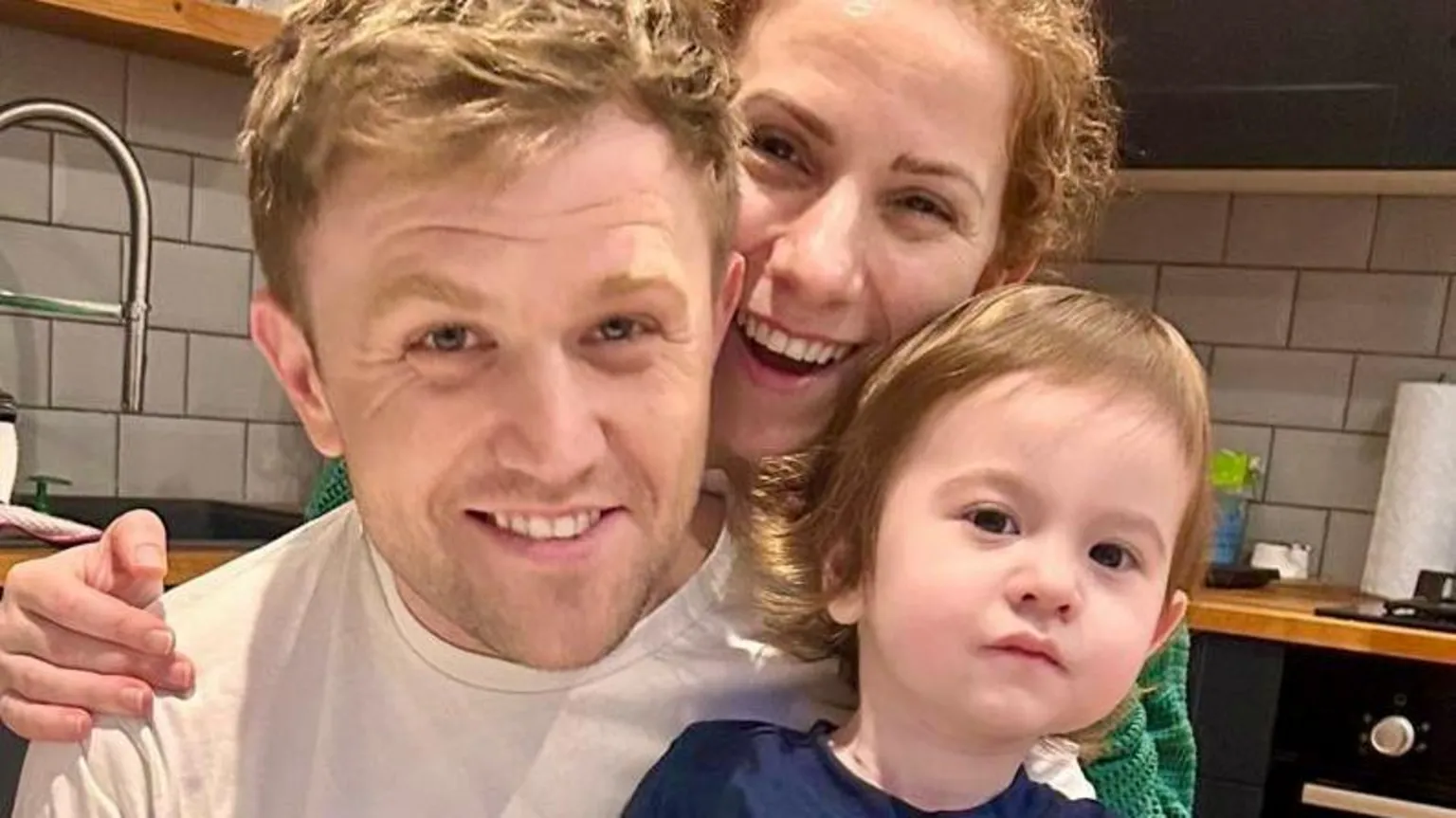
"To look at him, he's just amazing and we are very proud of him.
Whatever the team did for him was really a miracle. But the idea that there could be one operation early in your child's life that could transplant a working piece of oesophagus, and then we could move on, would be life-changing."
Condition Prevalence and Research Model
Each year, approximately 18 babies in the UK are born with the same oesophageal defect as Casey.
The research conducted on pigs demonstrates the feasibility of safely creating and replacing a full section of the oesophagus, restoring normal function including swallowing in a living organism.
Importantly, the transplanted oesophagi did not require anti-rejection medication, as the implants were grown using the recipient animal's own cells.
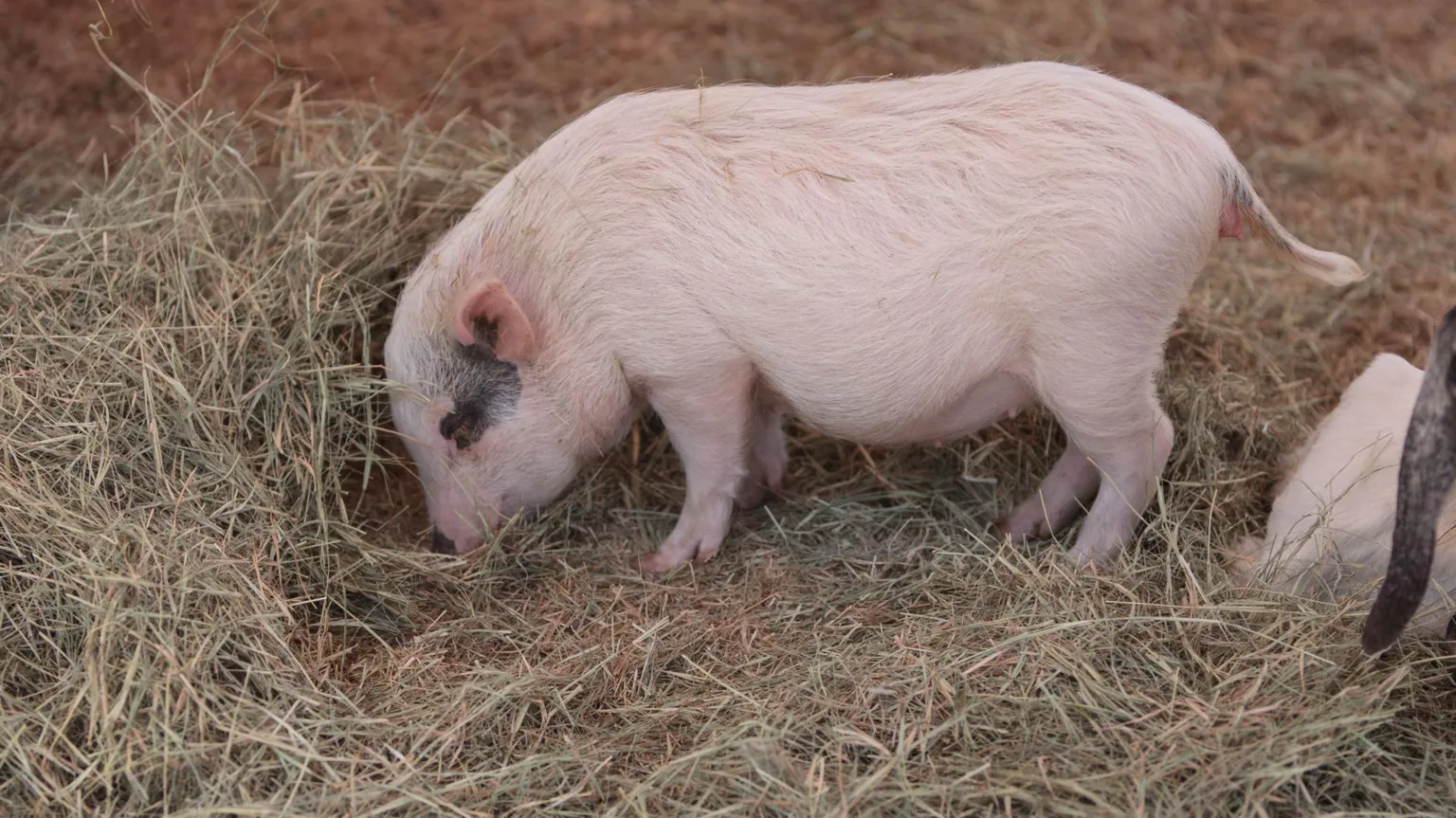
The team selected Göttingen minipigs for the study, the smallest domestic pig breed globally, due to their anatomical and cellular similarity to human children in size and composition.
Methodology for Growing New Oesophagi
To engineer the new food pipes, scientists harvested oesophagi from donor pigs and removed all cells, preserving the underlying structural scaffold.
They then seeded this scaffold with new cells and placed it in a bioreactor, a specialized device that circulates essential growth fluids through the tissue, allowing it to mature over one week.
Transplantation Outcomes in Mini Pigs
Eight pigs received the lab-grown oesophagus transplants and recovered successfully, developing functional swallowing muscles capable of moving food toward the stomach.
Five of these animals survived until the six-month endpoint of the trial, with their grafts exhibiting functional muscle tissue, nerves, and blood vessels.
Expert Insights and Future Prospects
Professor Paolo De Coppi, who led the research team at Great Ormond Street Hospital and University College London, expressed optimism about offering this treatment to children within the next five years.
"The oesophagus is a really complex organ, without a blood supply from its own vessels, so it cannot be 'transplanted' in the way you might expect.
To develop alternatives, it is essential to work with animal models that closely reflect human anatomy and function."
He noted that the graft is not suitable for adults with oesophageal conditions such as cancer due to size incompatibility. The engineered oesophagus is designed to grow alongside children as their natural oesophagus increases in size and length.