

Experiencing Air Pollution Exposure
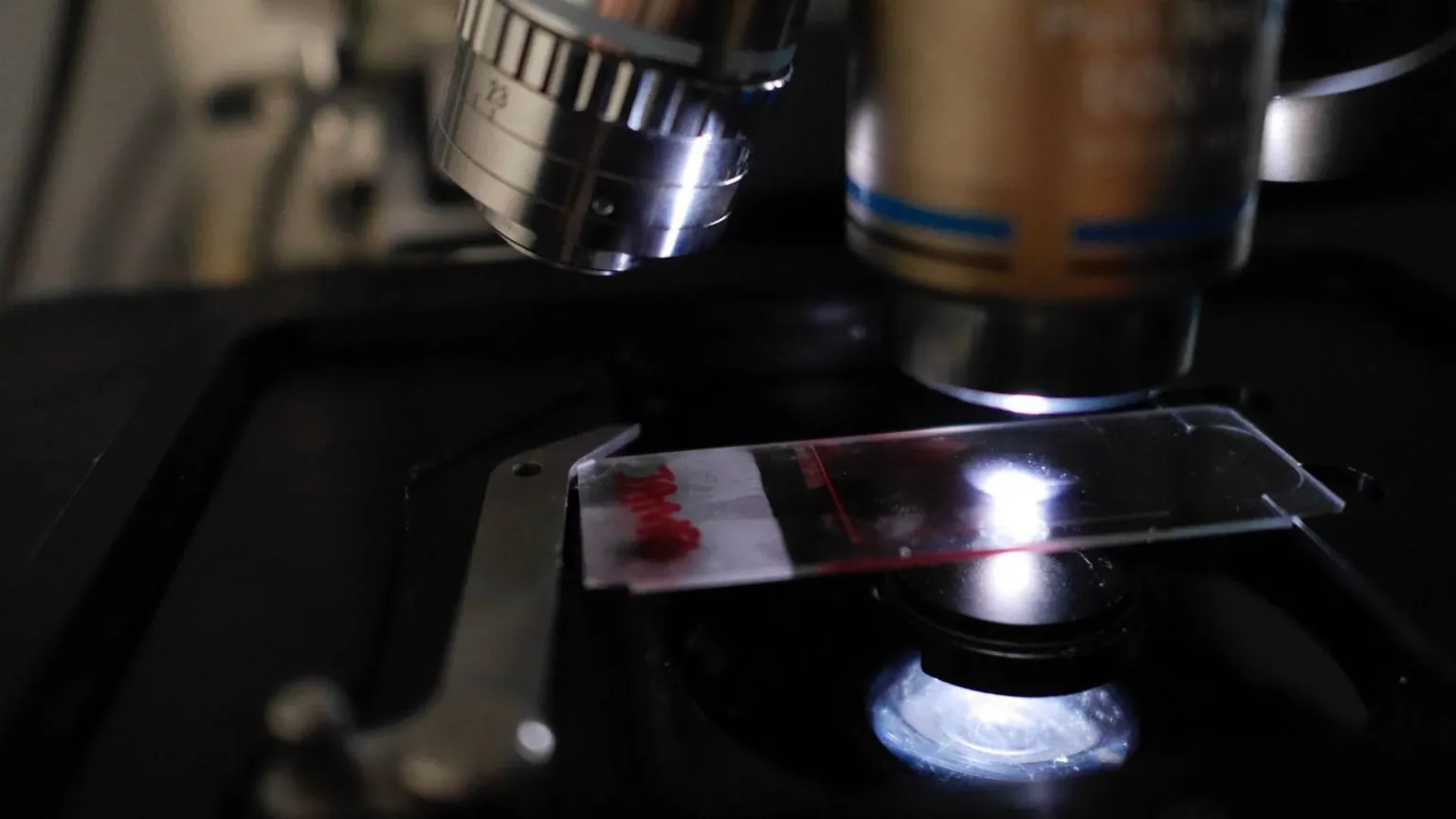
I'm in a laboratory examining my blood under a microscope. Instead of seeing pristine red blood cells, some are marked with black spots. I am among the first people globally to observe air pollution accumulating inside the body.
Less than an hour earlier, I stood beside four lanes of busy central London traffic. It was the kind of road where the air tastes unpleasant and leaves a gritty sensation in the mouth.
I volunteered to stand there for 10 minutes, inhaling polluted air as part of an experiment to understand how air pollution affects the body and harms health.
In the UK, poor air quality is estimated to cause 30,000 deaths annually, in addition to affecting unborn babies and worsening conditions such as asthma and dementia.
Most of the pollution I inhaled originated from traffic—emitted invisibly from exhaust pipes and also generated by tyre and brake wear.
Prof Jonathan Grigg, from Queen Mary University of London, refers to this location as his "exposure chamber".

Over the noise of engines and sirens, he explains that many people mistakenly believe air pollution is filtered out by the nose or mouth or trapped and expelled from the lungs.
"What we're looking at is whether the smallest particles are not only staying in your lung, but moving across into your bloodstream and going around your body," says Grigg.
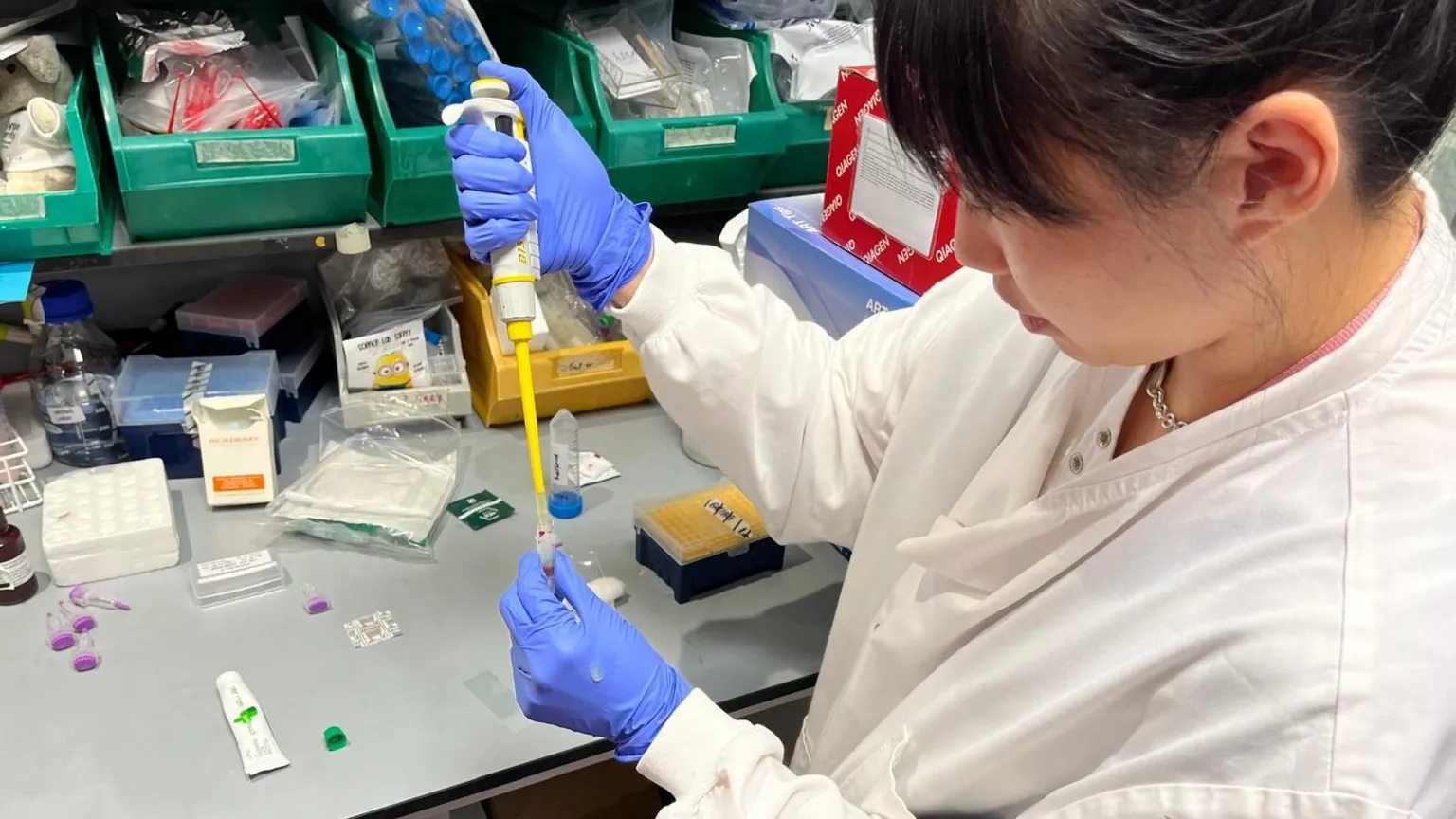
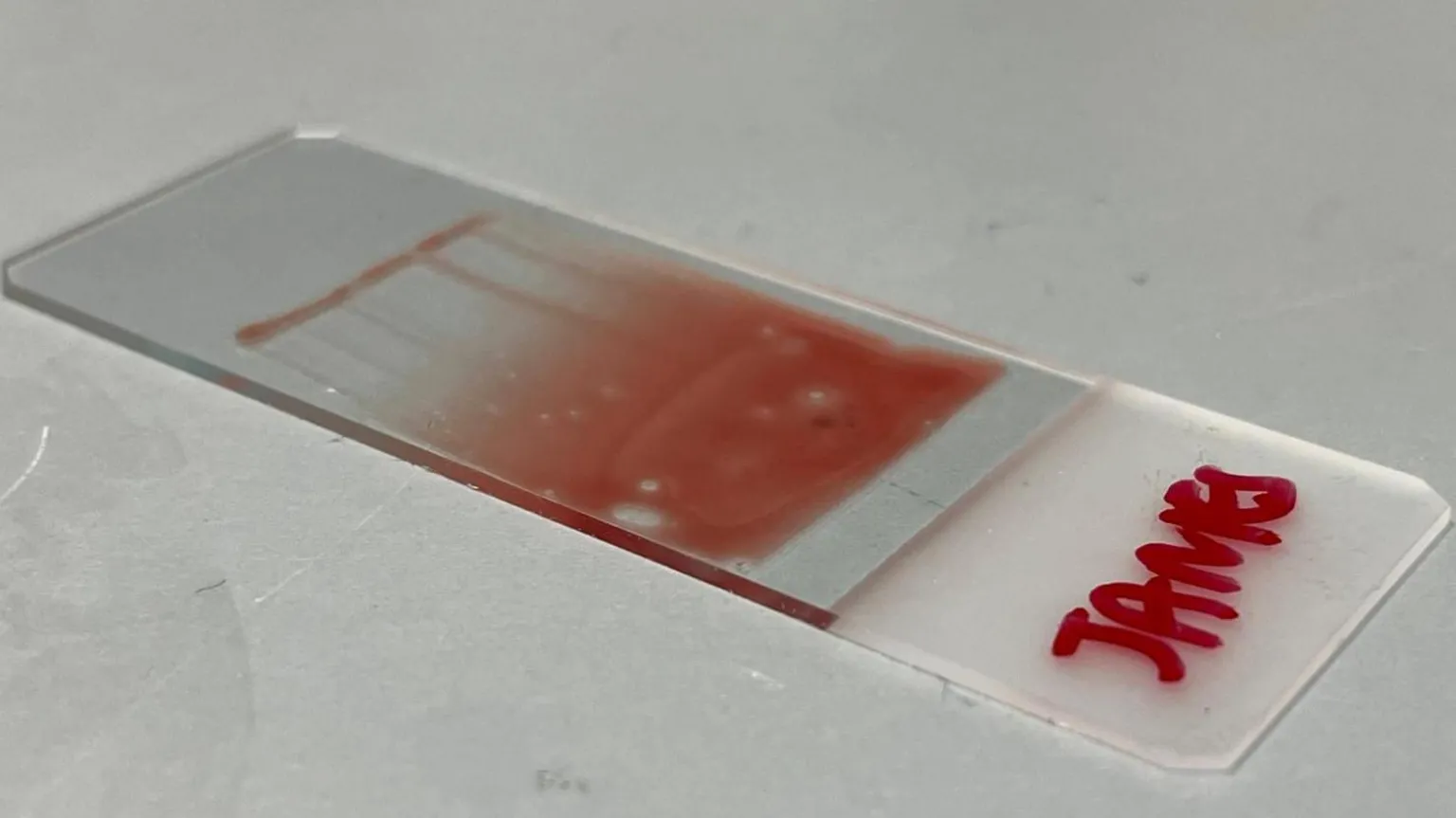
After exposure to London air, we returned to the laboratory where my finger was pricked and a blood sample prepared for analysis.

Observing Pollution in the Blood
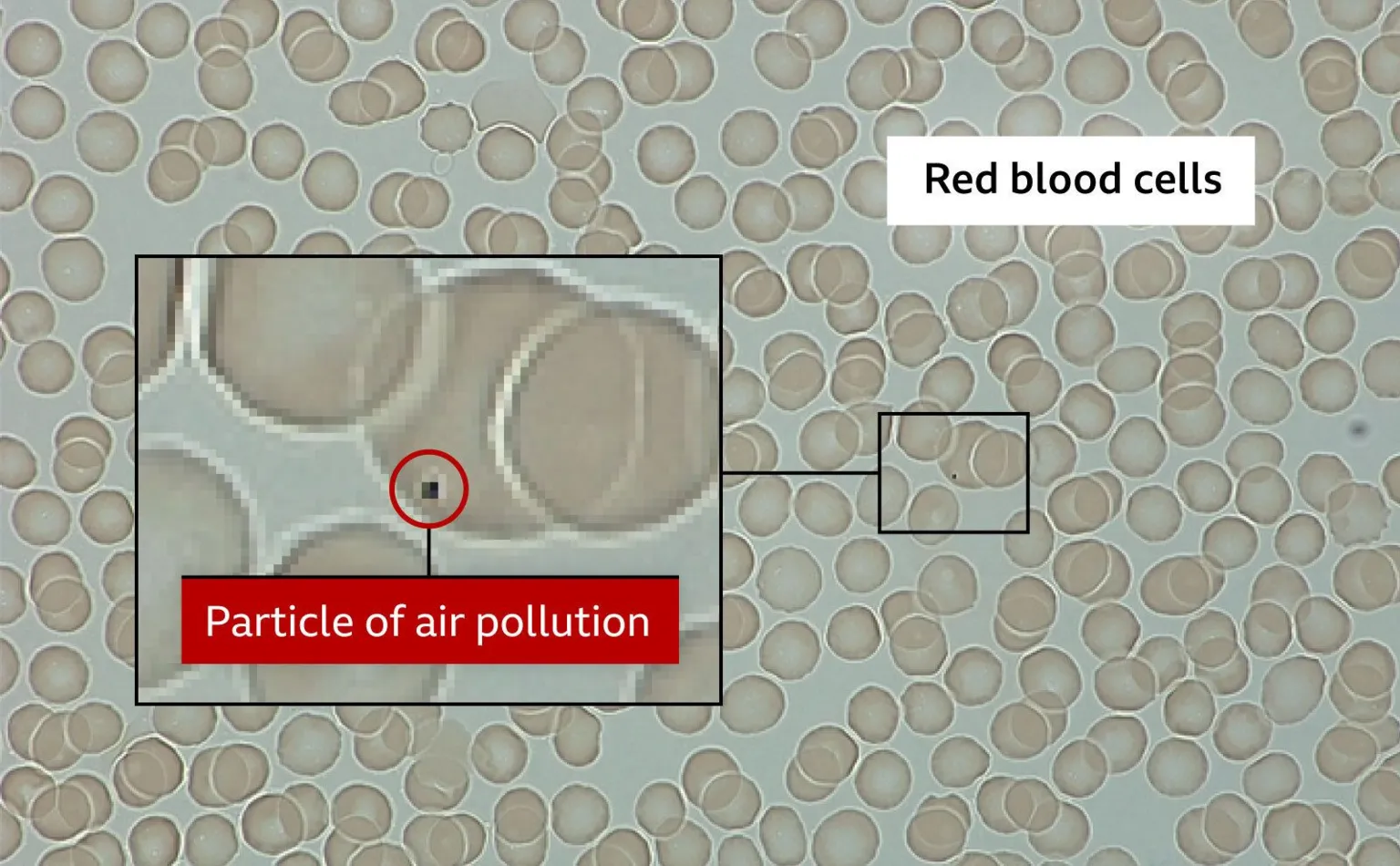
Under the microscope, the red disc-shaped cells that carry oxygen are clearly visible.
It took a few minutes to adjust my eyes, but then the air pollution became evident. Tiny black dots appeared attached to the red blood cells.
These dots are carbon particles and other chemicals, resembling miniature lumps of coal, produced by incomplete fuel combustion. They are known as PM 2.5, indicating particles smaller than 2.5 micrometres.
I was not surprised to see pollution, as this was the purpose of the experiment, but I felt a sense of contamination.
Researcher Dr Norrice Liu has examined over a dozen volunteers' blood samples for this study.
On average, one in every two to three thousand red blood cells carried a particle of pollution.
While this ratio may seem small, when scaled to the full five litres of blood in an adult, researchers estimate approximately 80 million red blood cells transport pollution throughout the body.
"It's a bit upsetting to see that, isn't it?" says Liu. "Every time I walk by a busy road, now I'm thinking how much of this is travelling around my body… you just feel like you don't want to be out on the road much."
I stood beside the road for only 10 minutes. The traffic was busy but not extreme. It is likely that many people's blood has appeared similar.
Pollution Levels and Health Implications
The Queen Mary University team demonstrated that pollution levels in the blood decrease after about two hours of breathing clean air.
Grigg was "pretty shocked" by how visible the pollution was in the blood but emphasized the key question is its destination.

"It's not being breathed back out," he explains. "Some may be filtered out by the kidneys and leave the body in urine. But the most likely answer is that particles of pollution are 'wiggling their way through the lining of the blood vessels and lodging in various organs'."
This research helps explain why air pollution is linked to numerous health issues beyond the lungs, including effects on the brain and unborn babies.
Black carbon deposits from air pollution have been found in human tissues, including placentas analyzed after birth.
"There's no reason why it's choosing one organ over another," says Liu, "so chances are they're everywhere."
Other air pollutants, such as nitrogen oxides, are gaseous and invisible under the microscope but are also known to cause harm.
Global Impact and Expert Insights
The World Health Organization states that 99% of the global population breathes polluted air, resulting in seven million deaths annually.
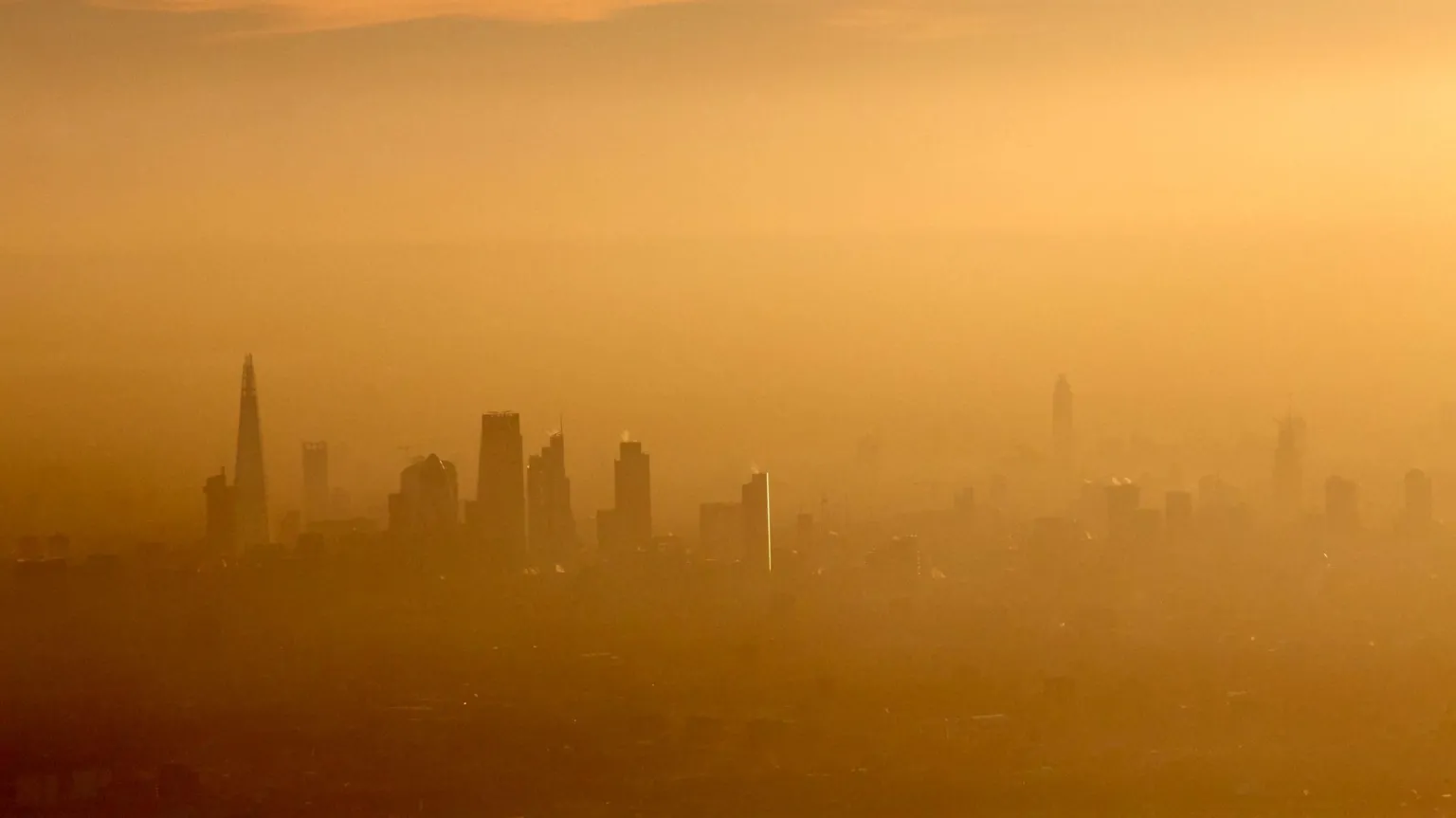
A Royal College of Physicians report estimates that air pollution causes 30,000 deaths each year in the UK.
Sir Stephen Holgate, who led that report, affirmed the undeniable health damage caused by air pollution.
"It's nailed, it's game set and match," he said, noting that the clearest evidence comes from regions reducing pollution and observing health improvements.
However, as air pollution is now largely invisible, unlike the smogs of the past, most people do not realize they are inhaling it daily or understand the ongoing harm.
Air pollution has been linked to damage throughout life and across multiple organs.
While there are various mechanisms by which polluted air harms the body, triggering inflammation is considered primary. Inflammation is the body's natural response to injury or infection but can also affect blood vessels, increasing the risk of heart attacks and strokes.
Inflammation in the lungs has been shown to activate dormant cancerous cells, which can develop into fatal tumors. Approximately one in ten lung cancers in the UK are attributed to air pollution.
Even in the womb, air pollution is believed to alter how a developing baby's DNA functions during critical developmental stages.
"There's a very sensitive period when air pollution can cause a problem and it undoubtedly does: small lungs, small heart and some problems with brain development," says Sir Stephen.
In older adults, components of air pollution appear to accelerate dementia by promoting the formation of toxic protein plaques in the brain.
Mitigating Exposure
Advice exists on reducing exposure to air pollution, such as walking on quieter side streets or staying away from road edges to increase distance from traffic. This is particularly important for babies in strollers, who are closer to exhaust pipe height.
Grigg's study found that wearing a tight-fitting FFP2 mask reduced pollution in the blood, though he does not recommend universal mask use.
"We're not saying that everyone should wear a mask," says Grigg, adding that clinically vulnerable individuals, such as those recovering from heart attacks or with chronic respiratory diseases, might benefit in high pollution areas.
However, air pollution is often generated by others, making it difficult to avoid exposure simply by relocating from a busy road.
Improvements in air quality are occurring through changes to vehicles—not only the adoption of electric cars but also stricter emissions standards for newer diesel and petrol engines.
Grigg emphasizes the importance of understanding the mechanisms by which pollution causes harm to increase pressure on policymakers to reduce exposure.
"I think the more we understand the mechanisms of how it can cause these effects, the more we can add to the pressure for policy makers to reduce exposure - because that's the answer in the end."
Inside Health was produced by Tom Bonnett.


