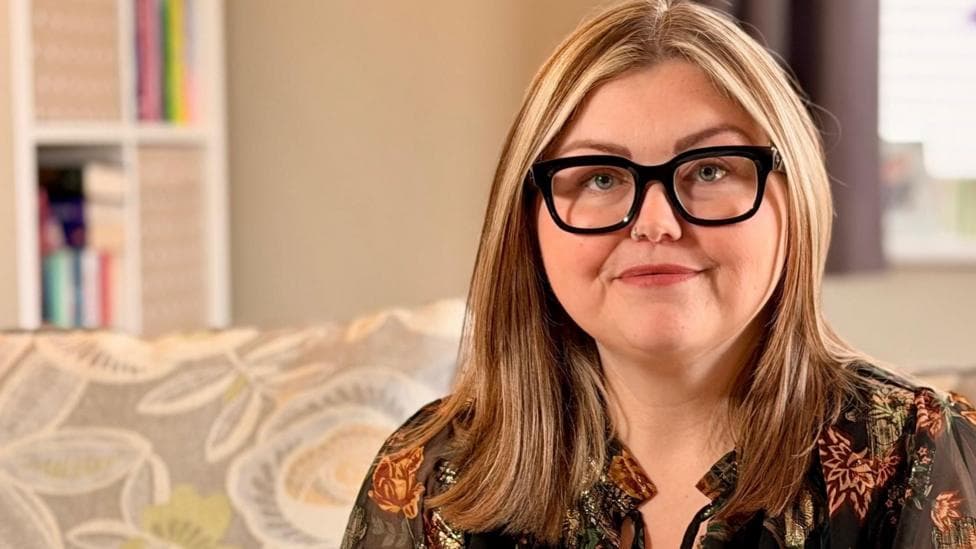
Vivienne Duval spent decades experiencing unexplained digestive problems, exhaustion, and persistent pain before discovering at age 58 that her lifelong flexibility was not a blessing but a symptom of an underlying connective tissue disorder. Her journey to diagnosis mirrors that of hundreds of thousands of people across the UK living with Hypermobility Spectrum Disorder (HSD), many of whom wait nearly two decades for medical recognition of their condition.
Vivienne had always possessed exceptional flexibility and could perform every yoga pose without difficulty. It was only when she encountered a social media video describing the symptoms of HSD that the scattered health issues she had endured for years suddenly made sense.
"I saw myself in everything they were saying,"she recalls.
"So I armed myself with all the information and went to my doctor."Her suspicion proved correct: she had hypermobile joints, and what had seemed like separate, unrelated ailments were in fact interconnected manifestations of the same disorder.

What is hypermobility spectrum disorder?
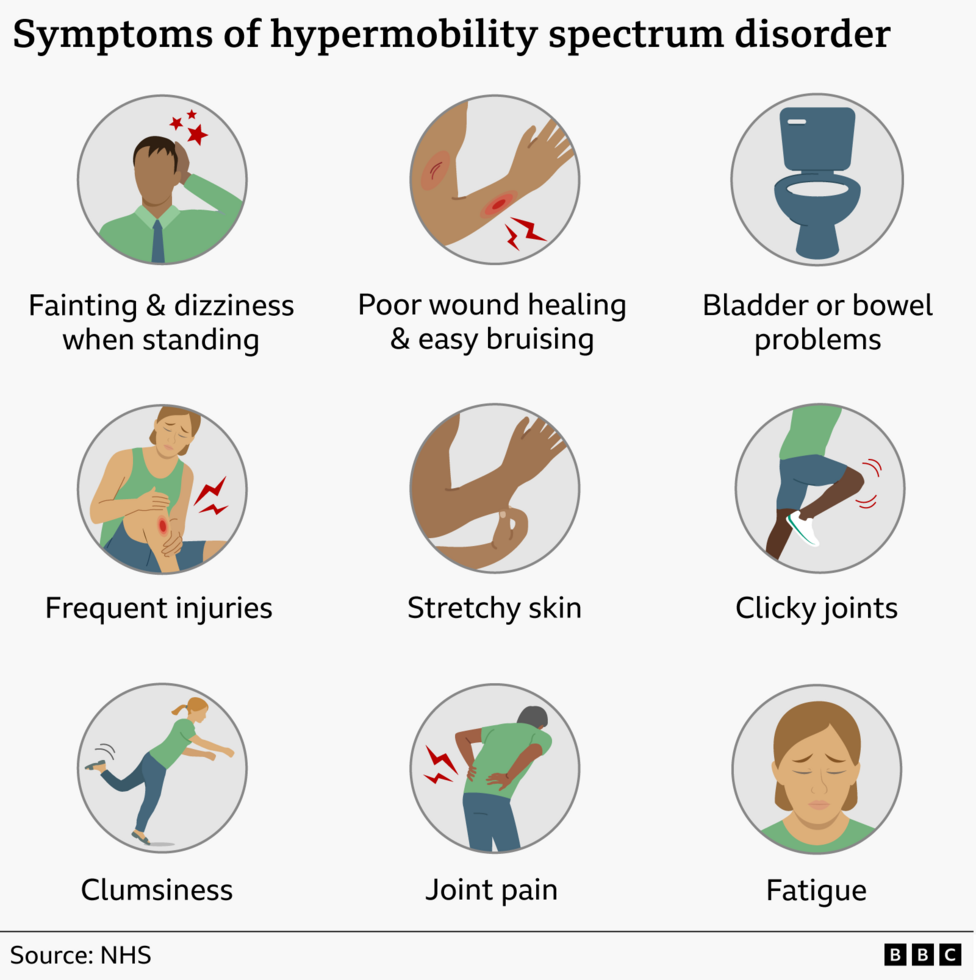
Hypermobility Spectrum Disorders are connective tissue conditions characterised by joints that move beyond their normal range of motion. The underlying cause involves lax collagen between connective tissues, forcing muscles to work considerably harder to maintain joint stability. This excessive muscular effort produces widespread fatigue and pain, alongside clumsiness and coordination difficulties. The disorder also affects the digestive system, where stretchier connective tissue can trigger gastrointestinal symptoms. Emerging research has identified links between HSD and neurodiversity, including autism and ADHD.
Some individuals, including Vivienne, also have hypermobile Ehlers-Danlos Syndrome (hEDS), a more severe variant diagnosed through evidence of hypermobility and faulty connective tissue throughout the body, often accompanied by musculoskeletal complications such as joint dislocations.
How long do patients wait for diagnosis?
The diagnostic delay for HSD and hEDS in the UK is staggering. According to research published in June 2026, patients with these conditions wait an average of 19 to 21.7 years before receiving a diagnosis, with the longest delays occurring in Wales at 21.7 years. A national survey conducted between 2023 and 2024 documented these experiences across the UK, revealing significant regional variation and health inequalities.
The diagnostic process is hampered by the absence of a dedicated clinical guideline from the National Institute for Health and Care Excellence. Dr Jessica Eccles, a researcher specialising in brain-body interactions and hypermobility, describes diagnosis as a
"postcode lottery in terms of where you are and what opportunities are available to you for assessment."She notes that HSD and hEDS appear to disproportionately affect women, an imbalance she attributes to broader gaps in women's health research. Analysis of the survey data found that autistic adults reported more HSD and hEDS symptoms and more co-occurring physical and mental health conditions than non-autistic respondents.
The research revealed a troubling lack of clinical support: fewer than one-third of those diagnosed reported that their GP had initiated management for the disorder, and only 13% had access to a clinician with specialist knowledge of hypermobility conditions.
Where do patients turn for help?
The absence of structured medical guidance leaves many sufferers searching for answers independently. Dr Stephanie Barrett, a consultant physician and rheumatologist, observes that she encounters patients in her clinic repeatedly who are unable to work due to severe cognitive dysfunction linked to hypermobility, yet receive minimal support. Vivienne expresses the frustration many experience:
"I need to be able to help myself and I don't know where to go. I'm finding out about this condition on social media."
Luke Grindlay, 23, was identified as having HSD during primary school when teachers noticed he struggled to grip pens and cutlery. Despite his early diagnosis, he has not pursued treatment, attributing this partly to what he describes as
"imposter syndrome,"fuelled by the scarcity of accessible information about the condition.
"If you go online to research this, there's nothing there… I'm going through a lot of pain, but because I can't find anything about it, it's almost like I'm making too much of it."
The unpredictable nature of HSD symptoms intensifies this sense of self-doubt. Some days permit relatively pain-free activity such as running long distances, while other occasions—a shopping trip, for instance—can provoke exhaustion disproportionate to the exertion involved. Luke works in golf, a role requiring extended periods standing on courses, which causes him considerable discomfort.
"It's hard for me to tell people, because not many people know about the condition."He reports that the physical impacts have become more pronounced as he has aged.

How does hypermobility affect daily life?
The practical consequences of HSD extend into work and social functioning. Vivienne previously worked as a massage therapist in workplace settings but found she could not sustain prolonged standing without becoming exhausted. She transitioned to providing massage therapy for people living with dementia, a role with lower physical demands that better accommodates her condition. Her social activities have similarly contracted due to fatigue and pain limitations.
Dr Eccles notes that HSD symptoms can deteriorate or emerge following a significant stressor—puberty, menopause, or illness. Some research suggests a connection to Covid-19 infection. An individual might navigate much of life with flexible joints relatively unaffected, only to experience a dramatic worsening triggered by an external environmental stressor.
What treatments are available?
Although HSD has no single curative treatment, management strategies exist. Physiotherapy can be beneficial, with Dr Barrett explaining that targeted muscle strengthening helps stabilise the skeletal system by
"toning up and strengthening the key muscles which hold the skeleton together."Gentle exercise modalities such as swimming may also provide relief for some patients.
However, Dr Barrett cautions against the tendency to dismiss HSD as a minor condition requiring only basic physiotherapy and self-management. She emphasises that
"it takes people working together and sharing ideas, and for the government to recognise this, to tackle this."Systemic change requires coordinated effort and political commitment to address the condition's impact on quality of life and workforce participation.
The diagnostic landscape is beginning to shift. The Ehlers-Danlos Society has announced that a clinician diagnostic pathway for EDS and HSD will be published in March 2027, potentially streamlining identification and management across the NHS. Additionally, a clinical research trial examining hEDS opened recruitment on 20 February 2026 and continues to enrol participants until 31 December 2027 across London hospitals, offering opportunities for affected individuals to contribute to advancing treatment knowledge.
What happens next?
The publication of a dedicated diagnostic pathway in March 2027 represents a significant milestone in standardising HSD and hEDS recognition across clinical practice. Until then, patients will continue to navigate a fragmented system where access to diagnosis and specialist care depends heavily on geography and clinician awareness. The ongoing research trial provides one avenue for participation, though recruitment remains limited to specific London locations. Advocacy organisations and medical professionals are pressing for the government to recognise hypermobility disorders as a public health priority requiring investment in training, specialist services, and patient support infrastructure.