Assisted Dying Legislation Advances in Scotland
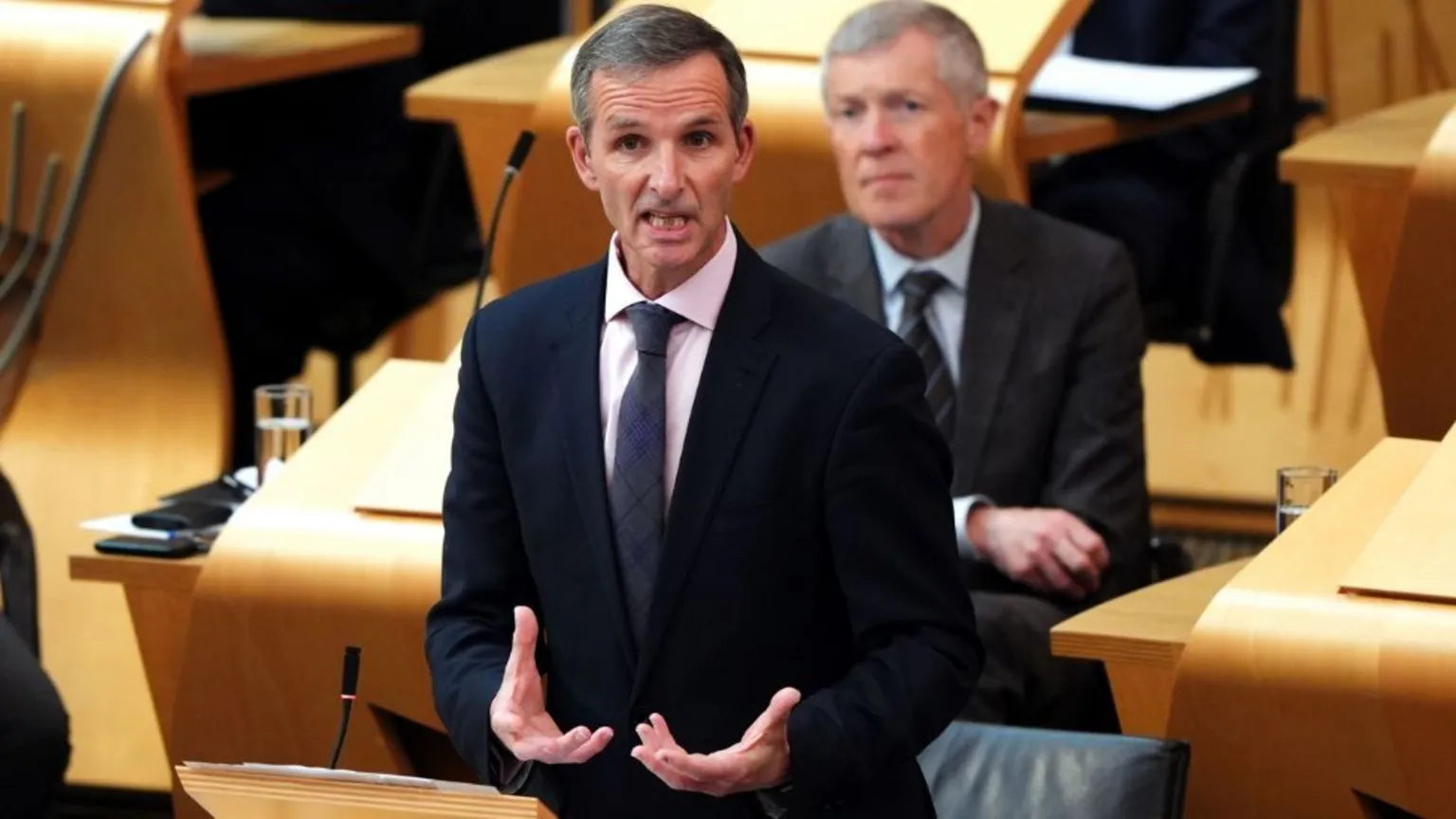
Assisted dying may soon become legal in Scotland as Members of the Scottish Parliament (MSPs) prepare for a landmark vote. In May, parliamentarians endorsed the general principles of the Assisted Dying for Terminally Ill Adults (Scotland) Bill following an emotionally charged debate. The bill, introduced by Liberal Democrat MSP Liam McArthur, is scheduled for a final vote this week.
A similar bill aiming to legalise assisted dying in England and Wales is progressing through the Westminster parliament, although its passage appears unlikely.
Since the initial vote, several significant amendments have been made to the Scottish bill. Most notably, the minimum age for individuals seeking assisted dying has been increased from 16 to 18 years. Additionally, MSPs have agreed to restrict eligibility to terminally ill individuals with a prognosis of six months or less to live.
The Assisted Dying for Terminally Ill Adults (Scotland) Bill outlines that eligible applicants must:
To establish capacity, the bill requires that applicants must be capable of understanding information and advice regarding the assisted dying process. They must also be able to make, communicate, comprehend, and remember their decision. Individuals suffering from mental disorders that could impair their decision-making ability are excluded from eligibility.
This definition of capacity marks a key distinction from the UK bill, which generally assumes capacity unless proven otherwise. The suitability of each approach in assisted dying legislation remains a subject of debate.
Under the Holyrood bill, a person wishing to end their life would begin by signing an initial declaration. Two medical professionals would then verify eligibility and assess whether the individual is under any pressure or coercion.
This initial declaration would be followed by a 14-day reflection period. For patients expected to die before this period ends, it may be shortened to as little as 48 hours.
If the individual chooses to proceed, they would make a second declaration. Doctors are required to speak privately with the patient to confirm the absence of coercion or pressure. They must also discuss palliative care options.
If the patient still wishes to continue, a medical practitioner or authorised health professional would provide an "approved substance" for self-administration to end their life. The specific lethal drug to be used has yet to be determined, but the bill mandates that it must be self-administered.
The legislation would permit a proxy to sign declarations on behalf of those physically unable to do so and would establish a new offence for coercing or pressuring a terminally ill adult into assisted death.
Medical professionals involved in the process would be exempt from criminal and civil liability.
Both the Scottish and UK bills affirm that participation in assisted dying is voluntary.
Unlike the UK bill, the original Holyrood bill included a conscientious objection clause, stating that individuals or organisations opting out must not face any detriment. However, this provision was removed after the Scottish government noted that employment protections fall under the UK government's jurisdiction.
Health Secretary Neil Gray indicated that such provisions could be added later with Westminster's consent. The UK government has expressed willingness to collaborate with Holyrood ministers if the bill passes.
The bill was amended to specify that it cannot take effect until employment protections are established through regulations at Westminster. Additionally, the UK government must approve the lethal drugs used for assisted dying in Scotland.
Concerns Over Legal Challenges and Eligibility
MSPs have been granted a free vote on assisted dying, allowing them to vote according to personal conviction rather than party lines.
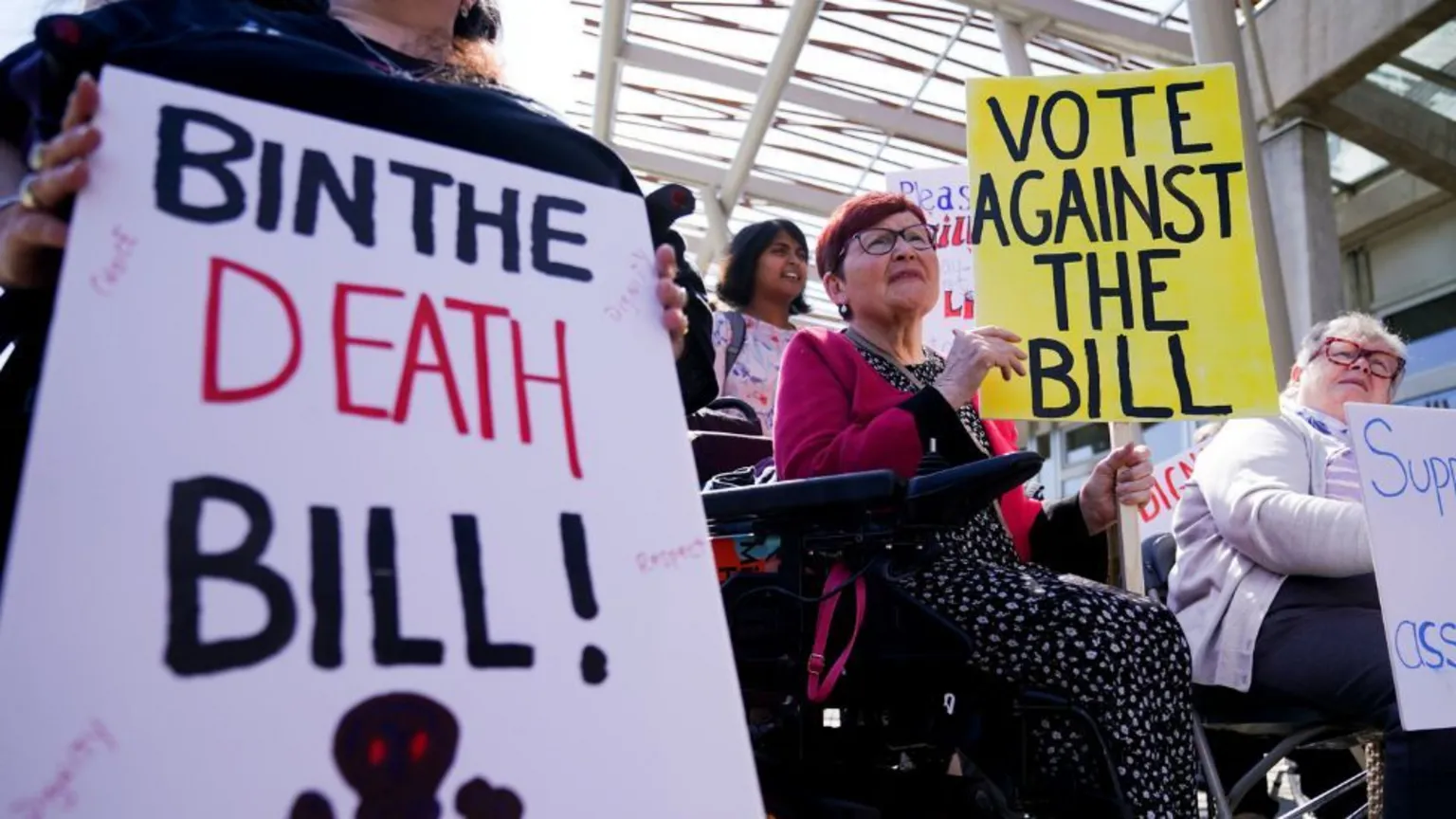
Several MSPs have cautioned that if the bill becomes law, it could face human rights legal challenges that might lead to expanded eligibility over time. This "slippery slope" argument has been frequently raised during Holyrood debates.
Concerns have also been voiced regarding residency requirements and the fair assessment of decision-making capacity in individuals with mental disorders.
Further questions include the adequacy of the reflection period, methods to assess coercion, and which professionals would be authorised to provide end-of-life assistance.
Another critical issue is the definition of a terminally ill person. The Westminster bill defines terminal illness as having less than six months to live.
Originally, the Scottish bill did not specify a life expectancy timeframe. Instead, it defined terminal illness as having "an advanced and progressive disease, illness or condition from which they are unable to recover and that can reasonably be expected to cause their premature death."
Opponents argued this definition was overly broad, but McArthur initially opposed including a life expectancy limit, citing medical expert advice. However, to reassure undecided MSPs, he agreed to amend the bill to align with other jurisdictions and the UK bill by including the six-month prognosis limit.
Following stage one concerns, the bill now explicitly states that disability and mental illness alone do not constitute terminal illness.
Concerns about coercion risks have been raised, with some MSPs fearing that individuals could be pressured into ending their lives.
Former health secretary Michael Matheson told parliament that coercion would be an "inevitable" consequence of the bill.
McArthur insisted the bill will provide dying people with the freedom to choose how they end their life.
Assessing NHS Capacity and Financial Implications
Beyond ethical considerations, questions have arisen about whether the NHS has the capacity and funding to support assisted dying.
Cost estimates accompanying the bill project approximately 25 assisted deaths in the first year, increasing to up to 400 annually after 20 years. It is assumed that roughly one-third of applicants will not proceed with assisted dying.
The NHS is expected to bear most of the financial costs, estimated at £200,000 in the first year and rising to about £342,973 after two decades.
Main expenses include clinician payments, staff training, and the cost of drugs used to end life.
However, supporting documents claim the legislation would be "effectively cost neutral" due to savings from reduced care costs and decreased spending on services such as Dignitas.
The government has disputed this claim, stating that implementing assisted dying would require a "reprioritisation" of budget plans.
Assisted dying bills have been proposed previously at Holyrood but none have advanced this far. The upcoming vote represents a historic moment for the Scottish Parliament.