

Possible Prevention of Ovarian Cancer with Earlier Testing
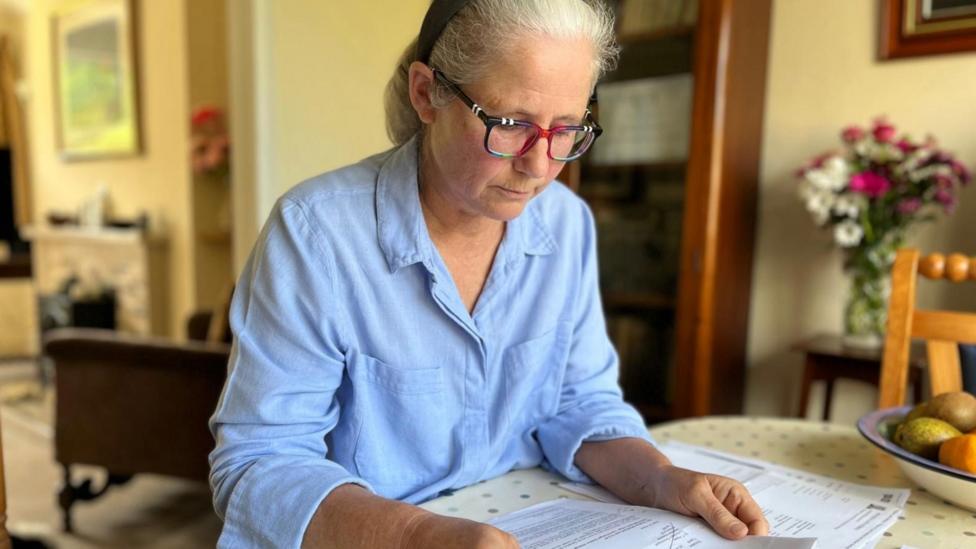
Heather Morgan, a woman from Monmouthshire, believes her ovarian cancer might not have developed if she had lived across the border in England. Diagnosed with breast cancer 12 years ago, Heather was ineligible for a genetic test in Wales that would have revealed her high risk for ovarian cancer.
At the time, the testing guidelines in Wales differed from those in England. Although Welsh policies have since aligned with English standards, Heather had completed her treatment before the changes and was not offered the test.
"If I had been tested (in 2014), we would have immediately known I was at high risk of ovarian cancer," Heather said. "I feel very upset. If I had known about the increased risk, I would have had my ovaries removed."
Support and Awareness for Hereditary Cancer Risks
Heather now supports a charity providing advice to individuals with hereditary cancer to raise awareness of testing guidelines. A helpline for hereditary breast cancer has recently launched the first information centre in Wales, also offering support for cancers linked to BRCA gene mutations.
Wendy Watson, founder of the helpline, highlighted inconsistencies between health boards in Wales and England.
"Our healthcare is a postcode lottery," she said. "It shouldn't be like that – NICE guidelines should resolve this, but at least we are here to provide people with access to information."
Due to these policy differences, Heather was unaware she carried a BRCA gene mutation for seven years after her breast cancer diagnosis. This mutation increases lifetime risk for breast and ovarian cancers. After detecting a lump in her abdomen, tests confirmed ovarian cancer.
Heather has retained the letter stating she was ineligible for testing.
"If I had been tested in 2014, we would have known immediately about my high ovarian cancer risk," she said. "I would have had my ovaries removed immediately. If I had been informed about the option of a double mastectomy then, I would have chosen that too."
In 2014, patients under 50 with triple-negative breast cancer in England were immediately offered genetic testing, but such tests were not available in Wales. Heather, then aged 46, received a letter from the All Wales Medical Genomics Service explaining that the Welsh Government was committed to meeting NICE guidelines within the financial year and was working to increase testing capacity.
Changes in Guidelines and Impact on Patients
Within a year, Welsh testing guidelines changed, but Heather had completed treatment and was not invited for testing.
"Everything has changed," Heather explained, noting the statistical 35% chance of surviving 10 years. "When I go to the supermarket and spend a bit too much, I wonder why save money when I might die soon. Something came through the post about retirement homes – am I going to live that long? Should I worry about that? No."
Heather's family has observed similar inconsistencies in health trusts in England. She has two adult daughters; her younger daughter was invited for genetic testing in northeast England, but her elder daughter in northwest England was not.

"I feel very sorry about that," said Louise, a mother of two.
Louise Owen's Experience with Genetic Testing and Breastfeeding
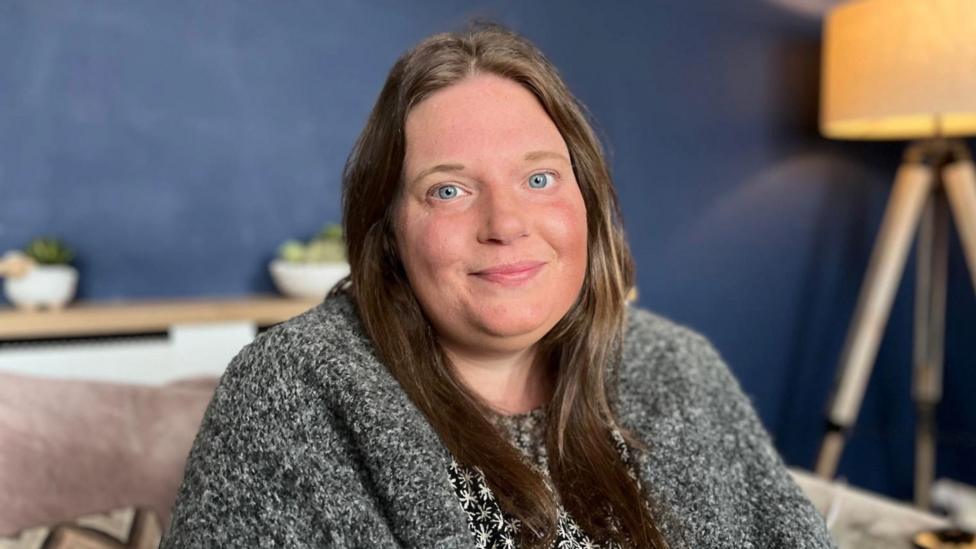
Although Louise's experience differs, she shares common themes of conflicting advice and inconsistencies, which led her to seek support from the helpline. Aware for over a decade that she carries the BRCA2 gene mutation, Louise had her first MRI scan at age 30 as part of hereditary risk screening.
However, she was informed that annual MRI scans were not possible while breastfeeding, despite her own research suggesting it was safe.
"I feel very sorry about that," said Louise, "because I feel I have to choose between being screened or continuing to breastfeed."
Concerns raised by The Breastfeeding Network, the Royal College of Radiologists, and the Society of Radiographers focus on the substance injected before breast MRI scans. They conclude that while personal choice is key, it is safe to continue breastfeeding after an MRI scan as there is no evidence of risk to the baby or child.
However, Breast Test Wales stated that MRI breast screening is possible during breastfeeding but the accuracy of imaging is reduced due to breast tissue changes, which may lead to unnecessary interventions.
Louise wishes to continue breastfeeding her three-year-old child until he is ready to stop.
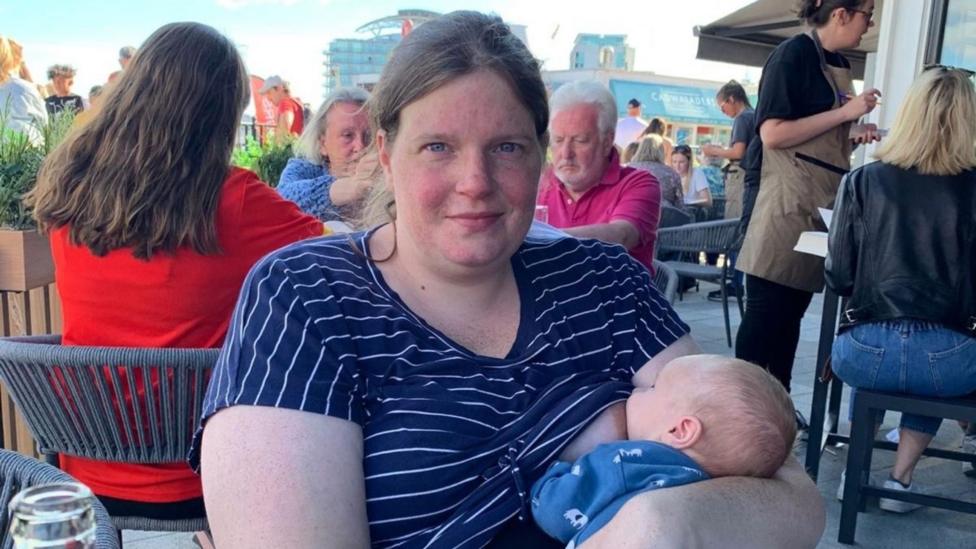
After witnessing her mother suffer years of cancer treatment before passing in 2016, Louise has been mindful of her own cancer risks and believes screening would provide peace of mind. As a peer support worker in breastfeeding, she also feels strongly about continuing to breastfeed her child until he is ready to stop.
She explained that her mental health suffered when she stopped breastfeeding her first child earlier than desired but improved with support and a more successful experience the second time.
"It has made me believe in myself more," she said. "Because I did what I wanted to do – I achieved it and I am quite proud of myself for that."
Calls for Prostate Cancer Screening and Other Initiatives
Other voices have called attention to men falling through gaps in prostate cancer screening, while a former lorry driver has launched a breastfeeding clothing brand.
A spokesperson for Breast Test Wales said:
"The All Wales programme for screening this very high-risk group of women was introduced earlier this year across all regions to provide a consistent service in hospitals throughout Wales. The latest guidelines from the Royal College of Radiologists advise against MRI or mammogram screening during pregnancy due to reduced sensitivity from breast changes. This could lead to false negatives, missed cancers, or false positives and unnecessary interventions such as biopsies. MRI breast screening is possible during breastfeeding but imaging accuracy is reduced due to breast tissue changes, which may also lead to unnecessary interventions."
Follow Cymru Fyw on Facebook, X, Instagram, or TikTok. Send story ideas to cymrufyw@bbc.co.uk or contact via WhatsApp at 07709850033. for the latest Wales news on your mobile device.


