

Health Officials Advise Caution with Lambs Amid Infection Concerns
Health authorities are advising the public to avoid handling lambs during farm visits this spring following an outbreak of a parasitic infection linked to farm animals last year that affected dozens of people.
In April 2025, Michael, then four years old, was among over 80 individuals diagnosed with cryptosporidiosis, a gastrointestinal infection caused by the cryptosporidium parasite, traced back to a petting farm.
Michael's father, Gareth, recounted that his son was hospitalized for four days suffering from fever and severe diarrhoea.
Dr Andrew Nelson of Public Health Wales (PHW) emphasized the importance of recognizing that young farm animals can harbor pathogens that cause illness.
Cryptosporidiosis symptoms include severe diarrhoea, vomiting, fever, and stomach cramps, and the infection can be particularly serious for young children and vulnerable populations.
Data from the previous year indicated that Public Health Wales confirmed over 525 cryptosporidium cases, with 35% involving children under the age of 10.
Michael's Experience at Cowbridge Farm Shop
During a visit to Cowbridge Farm Shop at Marlborough Grange Farm in the Vale of Glamorgan with his grandmother in April 2025, Michael held and bottle-fed a lamb.
"We'd taken him before," said Gareth, from Bridgend.
"Michael had his hands washed and sanitised immediately after, he changed his clothes when we got home."
Gareth and his partner, Kate Wiejak, noted that Michael developed a fever a few days later while they were on holiday in Spain.
They sought medical attention at a local centre, initially suspecting the symptoms could be related to sun exposure, pool water, or food consumption.
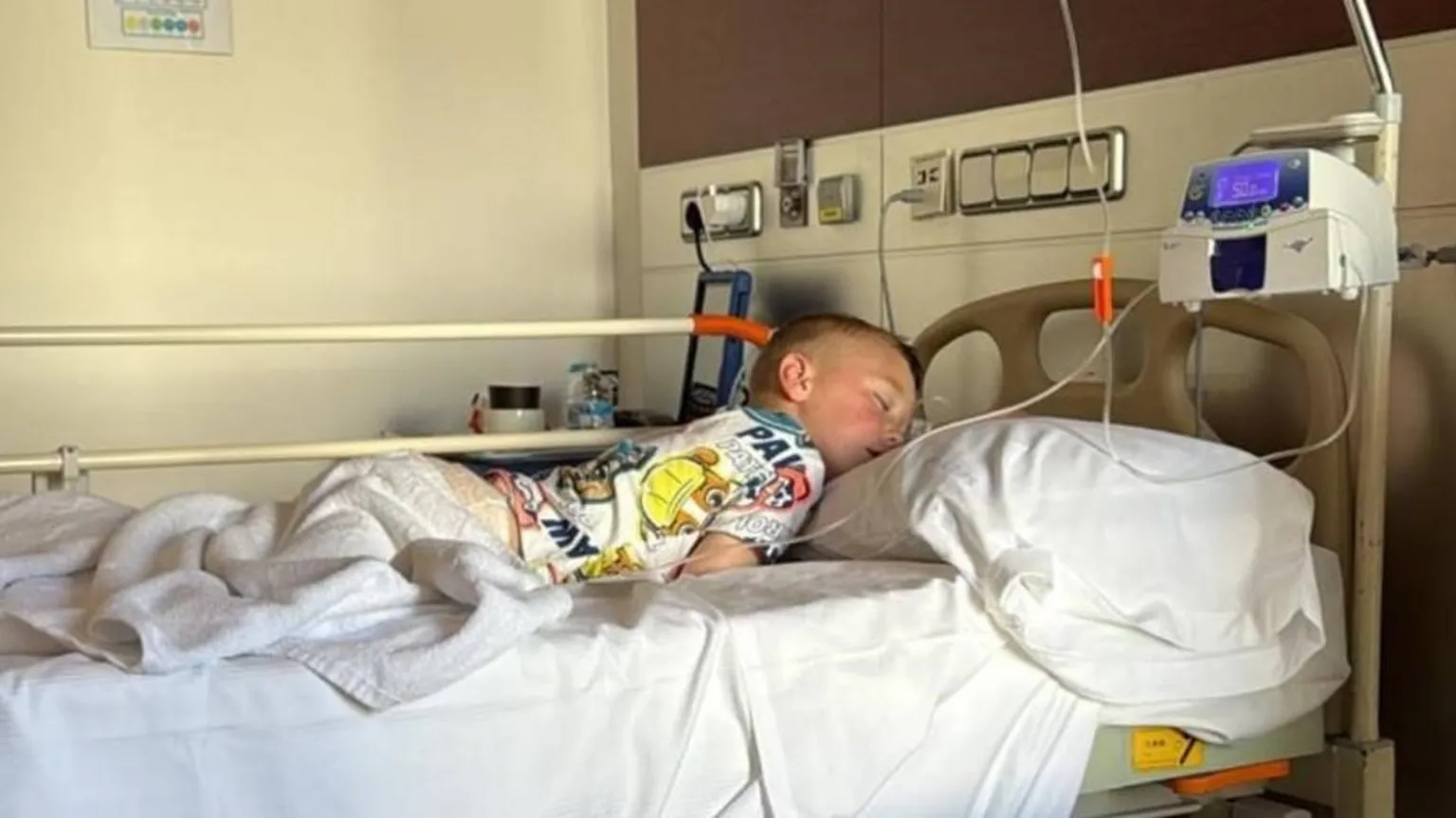
Michael was admitted to hospital where he experienced a high fever and severe diarrhoea, requiring intravenous fluids and continuous pain management.

"It was the worst experience I've ever been through in my entire life," Gareth recalled.
"We thought we'd lose him."
After four days in hospital, upon returning to the UK, the family consulted a general practitioner who requested a stool sample for testing.
Gareth received confirmation from PHW that Michael was infected with cryptosporidium and that other cases had been identified.
Following the outbreak, the farm shop voluntarily suspended its feeding and petting activities and cooperated fully with the investigation, according to PHW. The BBC has contacted the farm shop for comment.
"I'm not against farmers creating another income for themselves, I encourage it," Gareth stated.
"It's not really the farmers' fault but even if they're taking steps it's just not ever going to be enough to eliminate the possibility.
"I would advise people not to do it at all if I'm being blunt, but I also accept most people would ignore me and have a lovely time.
"We did more than most but still caught it."
Gareth acknowledged that while risks exist in various environments such as parks and playgrounds, he considered farm visits different due to the higher potential for infection.
"Yes, loads go and possibly only a handful contract the illness but the risk to those children could be very, very serious. It's an absolute lottery.
"Michael was in good health and seeing him go through it knowing his health was tip-top I would dread to think about anyone going through that with a lowered immune system."
Public Health Wales Issues Precautions for Farm Visits
In response to last year's outbreak, PHW has issued guidance for individuals planning farm and petting attraction visits this spring, including:
- Do not pick up lambs; avoid holding, cuddling, or kissing them as these are high-risk activities for infection transmission.
- Wash hands thoroughly with warm running water and liquid soap after contact with animals, fences, or surfaces; hand gels and wipes are not effective substitutes.
- Closely supervise children, particularly regarding handwashing and before eating or drinking.
- Avoid eating or drinking near animals and use designated areas exclusively.
- Wear appropriate clothing and footwear and clean any soiled items promptly.
PHW has also provided guidance for farms hosting events during lambing season, recommending clear hygiene protocols for staff and visitors, accessible handwashing stations, keeping lambs enclosed, and allowing feeding only from outside enclosures.
Farmers Highlight Safe Practices
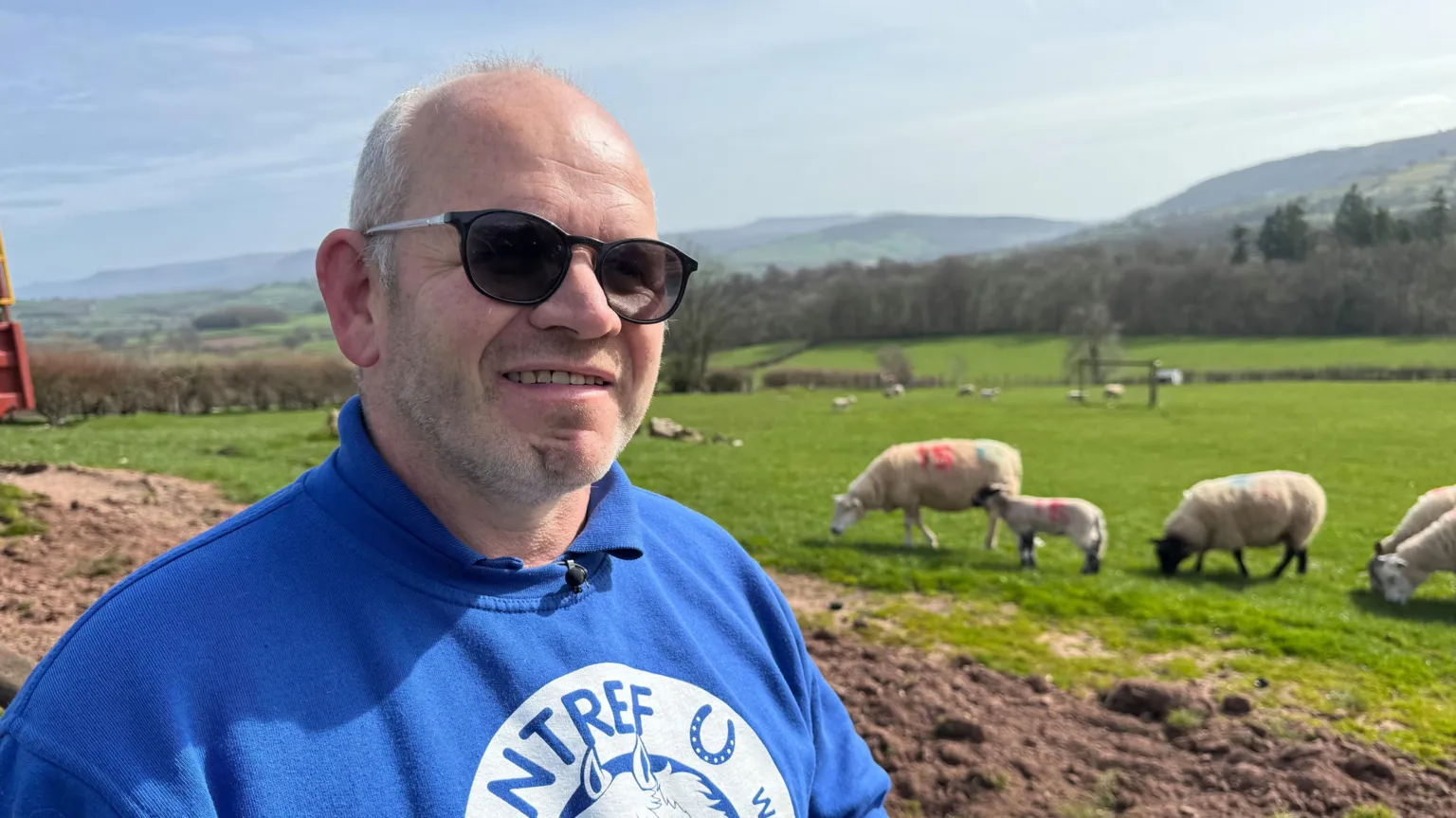
PHW has recognized farmers such as Colin Evans, who has operated Cantref Farm near Brecon, Powys, for 20 years, for implementing effective safety measures.
"We couldn't sleep at night if we didn't know we did everything to minimise the risk of visits to the farm," Evans said.
"The whole farm is designed around safe interaction with animals.
"Lambing season is a magical time, and we love sharing it with the public, but it's so important that people enjoy it safely. That's why I always encourage families to visit proper lambing experiences where everyone is protected."
Visitors at Cantref Farm can observe lambs being born and bottle-feed them through pens, with safety ensured by providing warm water and soap for handwashing afterwards.
Dr Andrew Nelson, senior epidemiologist at PHW, stated:
"Lambing season is a wonderful opportunity for families to enjoy the countryside, but it's vital to remember that young farm animals can carry germs that cause illness.
"By avoiding close contact with lambs and practising good hand hygiene, visitors can significantly reduce the risk of infection and enjoy a safe Easter."
PHW advises that anyone experiencing diarrhoea or vomiting within two weeks of visiting a farm should contact their GP or call NHS 111.
Those who become ill are urged to stay away from work, school, or nursery until symptom-free for at least 48 hours.


