

Limited Gluten-Free Food Options and High Prices in Guernsey
A mother of two has expressed concerns over the limited selection and high prices of gluten-free food available in Guernsey to meet her family's dietary requirements.
Debbie, who has been diagnosed with coeliac disease for over 20 years, stated that both she and two of her children follow gluten- and dairy-free diets.
The States of Guernsey confirmed that patients diagnosed with coeliac disease can obtain certain gluten-free foods on prescription. They also noted that patients are referred to a dietitian and advised to consult Coeliac UK for additional guidance and support.
The Channel Islands Co-op stated that it collaborates with suppliers to maintain competitive pricing. The BBC also contacted Waitrose for comment.
Coeliac disease is an autoimmune condition triggered by gluten, a protein found in wheat, barley, and rye. The only effective treatment is a strict gluten-free diet.
Debbie, who works as a community healthcare assistant, emphasized the necessity of strict gluten-free adherence for her 11-year-old son Kian and 9-year-old daughter Riva-Mae.
"For me and for Riva-Mae, we tend to get stomach aches and digestive issues if we even eat a crumb of gluten. My son would be physically sick," she said.
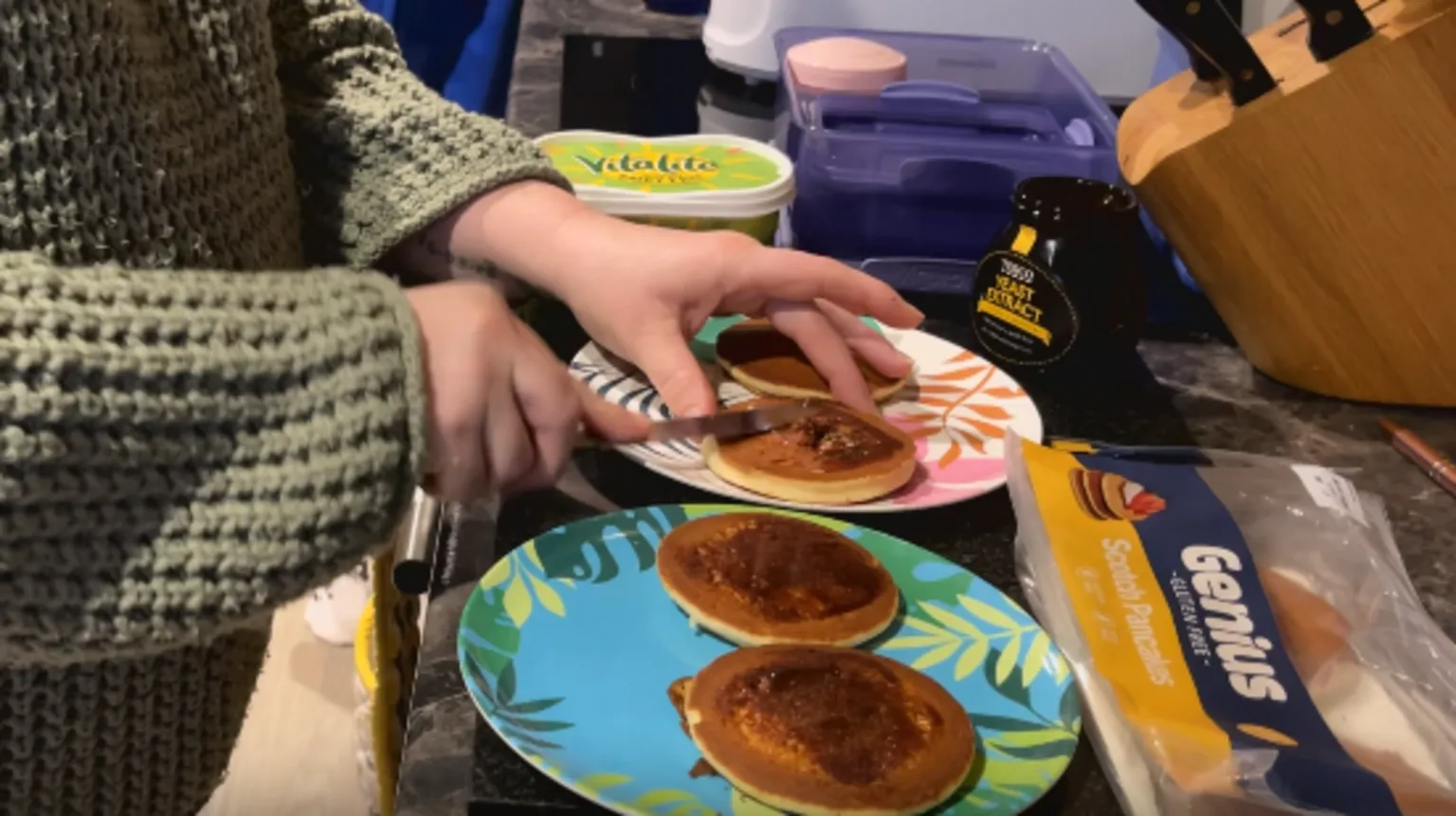
"We've got to be very careful. So with things like butter, we've got a tub for me and the children. My husband's got a different one, so there's no cross-contamination.
"We class ourselves as the normal ones and Dad's the odd one out."
High Costs and Multiple Shops Required for Supplies
Debbie explained that she often needs to visit three or four different stores to gather weekly supplies, a process that takes all morning, with prices significantly higher than regular products.
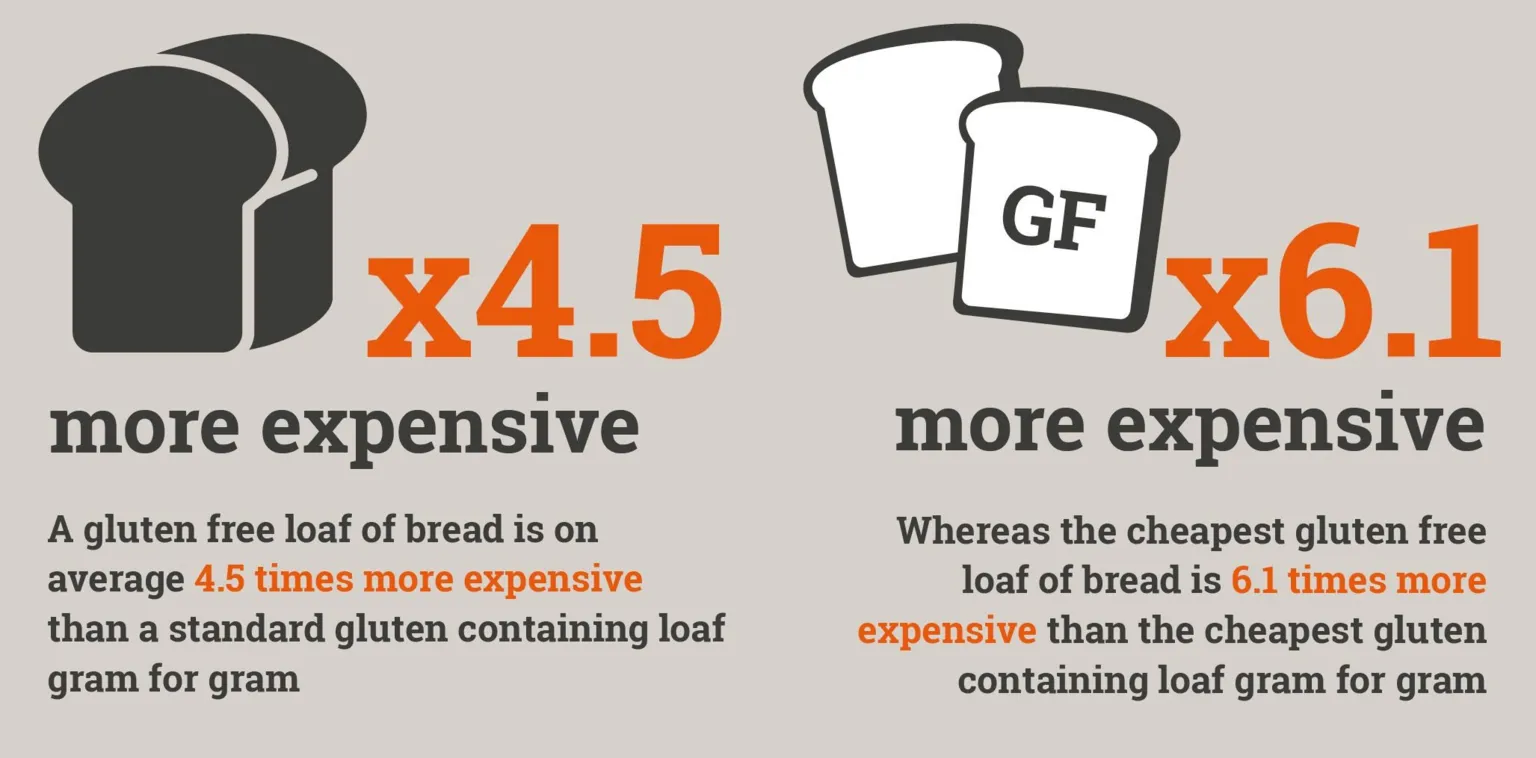
"It seems supermarkets label foods with 'gluten-free' and add £2 to the price," she remarked.
She noted that at one point, the only bread her son Kian would eat cost £4.68 per loaf.
"I find myself counting how many things they have in their lunchbox so we don't run out," said Debbie.
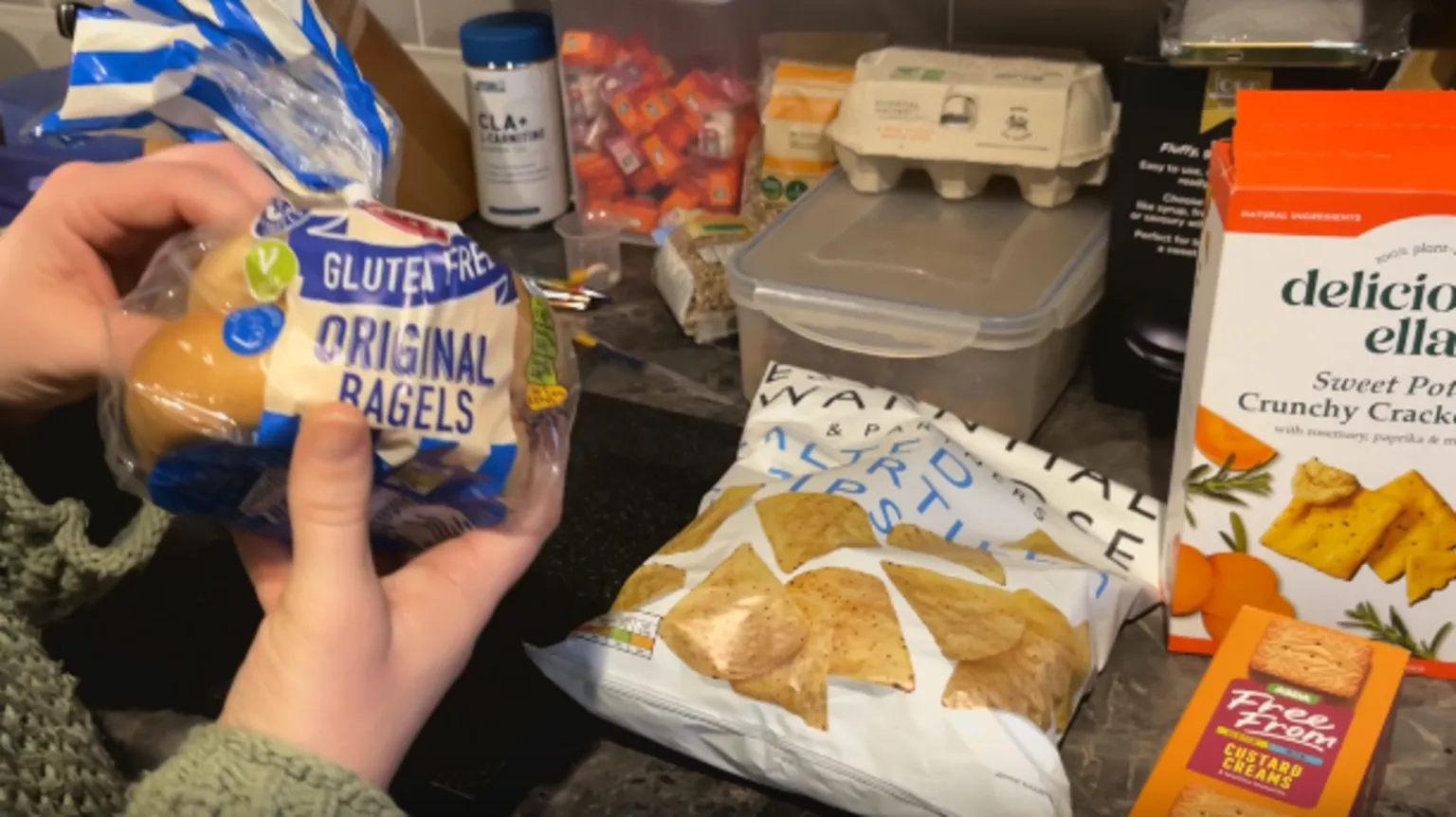
Debbie mentioned that a friend in the UK sends her a box of gluten-free products monthly, which ends up being more economical even after including postage costs compared to purchasing locally in Guernsey.
A recent report by Coeliac UK indicated that sufferers have been paying approximately 35% more for their weekly groceries during the cost of living crisis; however, Debbie stated that prices are even higher in Guernsey.
The States of Guernsey reiterated that coeliac patients can obtain certain gluten-free foods on prescription, though a prescription charge applies per item.

Debbie added that she previously received bread and pasta on prescription but found them unsatisfactory, so now purchases these items independently.
Understanding Coeliac Disease
According to Coeliac UK, approximately one in 100 people in the UK have coeliac disease, but only 36% have been diagnosed.
The charity explained that the disease is genetically linked; if a first-degree family member has coeliac disease, the likelihood of others having it increases to one in ten.
Symptoms vary widely among individuals, ranging from mild to severe, and can include digestive issues and other health problems.
Coeliac disease is distinct from allergies or food intolerances. Coeliac UK provides a symptom checker on its website for further assessment.
Retailers' Efforts and Price Factors
The Channel Islands Co-op stated its commitment to offering a reliable range of products for customers with specific dietary needs, including gluten-free options.
It acknowledged the importance of choice and availability for those managing coeliac disease or gluten intolerance and noted that it regularly reviews its product ranges across Guernsey stores.
The Co-op explained that higher prices for gluten-free products are mainly due to specialist ingredients and stricter manufacturing processes required to prevent cross-contamination, which increase wholesale costs.
Nevertheless, the Co-op continues to work closely with suppliers to keep prices as competitive as possible.
Dietitian Advice and Nutritional Guidance
Myfanwy Datta, clinical lead dietitian for The States of Guernsey, stated that patients diagnosed with coeliac disease are referred to dietitians to manage their condition and ensure adequate nutrient intake.
She advised islanders with coeliac disease to have an annual review with their GP to monitor blood levels.
Guernsey-based nutritional therapist Carol Champion recommended that individuals with coeliac disease focus on consuming naturally gluten-free foods such as potatoes, rice, oats, and sweet potatoes, rather than relying heavily on ultra-processed gluten-free products.
"These often have added chemicals, flavourings, stabilisers and glues, are often lacking many real nutrients and could have a detrimental effect on someone's health," she said.
Follow BBC Guernsey on X, Facebook, and Instagram. Story ideas can be sent to channel.islands@bbc.co.uk.


