

Early Ambitions and Career Beginnings
Giving birth to twins solidified Lucy Wall's aspiration to become a midwife. However, after finishing school, it took her ten years before she could start training for her desired profession of delivering babies.
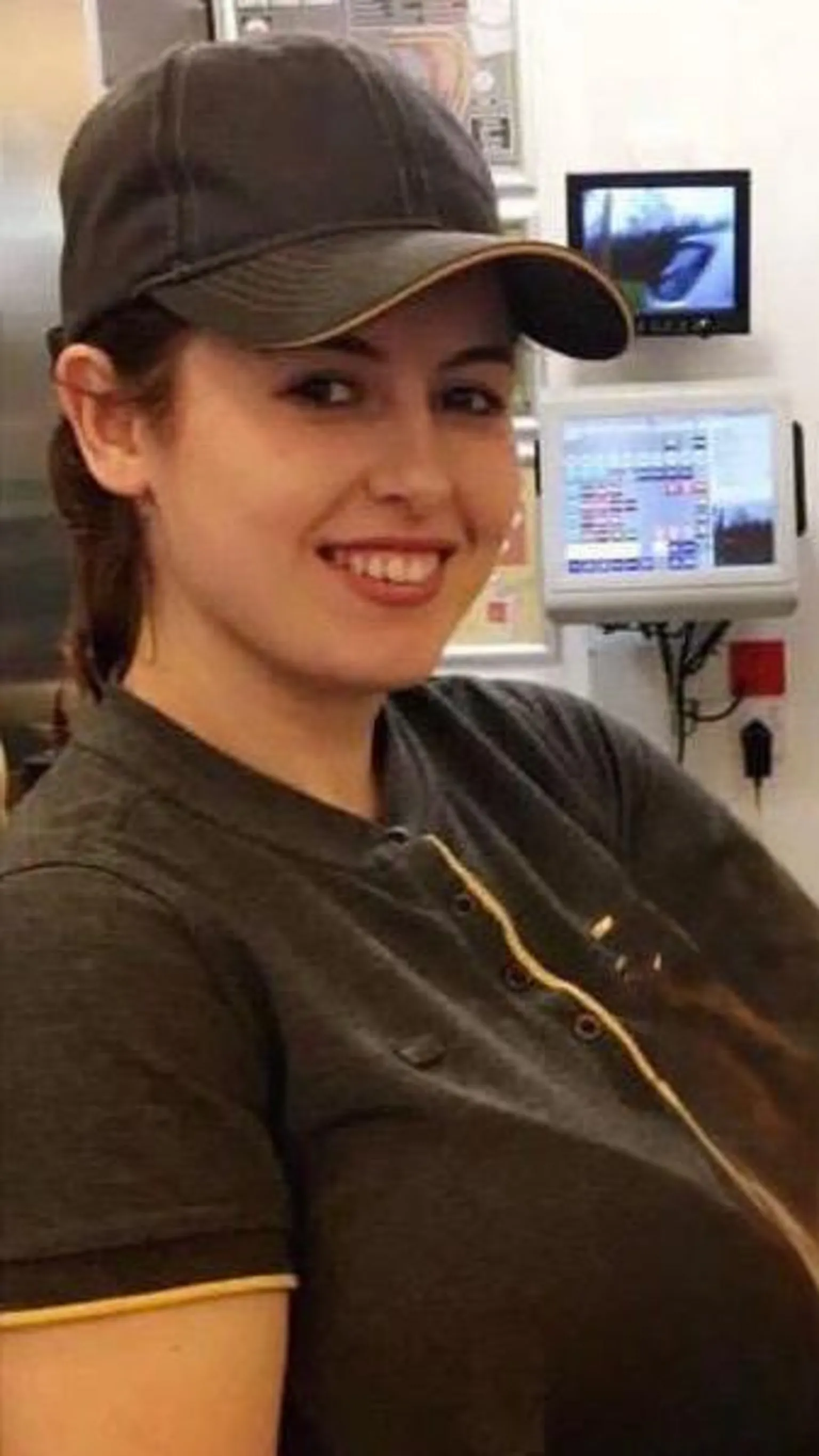
She attributes her success in securing a healthcare assistant position in the maternity ward of Prince Charles Hospital in Merthyr Tydfil to the transferable customer service skills she developed while working at McDonald's.
Lucy joined the fast-food chain straight after school in November 2012, and did a foundation year at university while working so that she might one day transfer into healthcare.
Transitioning into Healthcare
Now 31 years old and three years into her role, Lucy is in her first year of midwifery training, continuing to work alongside some of the staff who delivered her own twins.
"In McDonald's you see all sorts of ages and abilities and I was able to connect with infants all the way up to the elderly, plus those with additional needs,"she explained.
She humorously noted that her talkative nature was not ideal for the drive-through, as it slowed down the line of cars, but she adapted her role within the company to help secure her initial NHS position.
"I was applying for jobs within the health board, but I'd get feedback saying I lacked NHS experience."
To address this, Lucy requested her managers to formalize a role she had been informally performing—supporting vulnerable customers—into a secondment.
"It was after that secondment that I applied for the new maternity healthcare assistant role at Prince Charles Hospital - I do think that's what changed my CV."
Exactly ten years after starting at McDonald's, Lucy joined the NHS in her hometown of Merthyr, assisting women on the maternity ward through their mothering journey, both before and after labour.
Training and Experience
In September, she began her midwifery course. Lucy noted that her practical experience as a healthcare assistant has helped her, especially as a person with dyslexia, to better grasp the academic demands of the three-year program.
"It's lovely to be able to support women,"she said.
"There's a lot of people who come through the door - in a health setting, McDonald's, or wherever you go - we don't know what the situation is at home, and maybe it's not the family set up that others have got.
So being able to support them in a way that they feel special, valued and looked after in this environment is really nice."
Personal Experience and Professional Insight
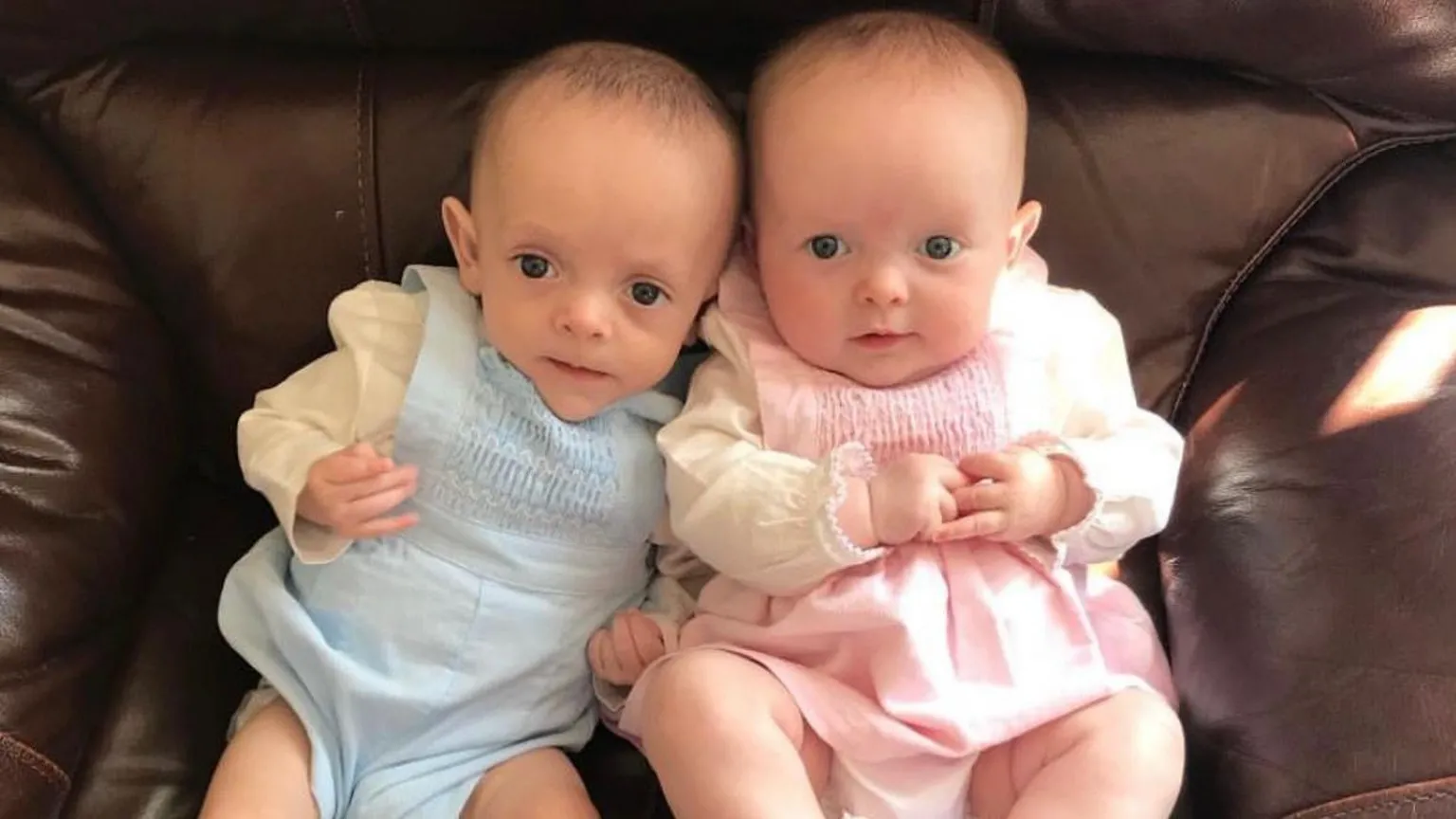
Lucy's own pregnancy provided her with unique insights. Her eight-year-old daughter Aurora was delivered vaginally, while her twin, Theo, was born via emergency Caesarean due to a placental abruption.
"I've been in that vulnerable position when I've had to put my care into someone else's hands,"she reflected.
"I work now with a lot of people that supported me during my time. I still get emotional sometimes speaking to them."
Lucy continues to work alongside some of the staff who helped deliver her twins Aurora and Theo eight years ago.
Maternity Services and Workforce Challenges in Wales
A report on maternity services published earlier this year highlighted insufficient staffing levels across Wales to meet the rapid increase in Caesarean births. The then-government in Wales promised to redevelop workforce plans in response.
At a time when trainee nurses and paramedics in Wales have faced difficulties securing posts within an NHS constrained by financial limitations, Richard Hughes, executive director of nursing and midwifery at Cwm Taf Morgannwg health board where Lucy works, emphasized the ongoing need for midwives.
"We've got nurses and midwives staying in employment longer than they traditionally would have done,"he said, noting that some retired staff have returned to clinical roles.
"That's a positive in that we're retaining the experience to support new midwives coming through, but it also then means that we've got less free space in order to bring new midwives online."
He explained that health boards collaborate with the government and Health Education and Improvement Wales (HEIW) to ensure the appropriate number of training posts are commissioned, but further changes may arise following the recent maternity assessment in Wales.
The increase in Caesarean rates across the UK requires health boards in Wales to consider the necessary workforce composition to support this trend.
"Our midwives today are working in a high risk profession - the stakes are high,"Hughes said.
"They carry that burden every single day and they manage to support families where things haven't gone right and where they're going through some really difficult times.
But they're also there to help and support families in celebrating some really joyous occasions."


