Former UN Climate Chief Highlights Fossil Fuel Dependence and Health Impacts
Countries are being "held hostage" by their reliance on fossil fuels, warned Christiana Figueres, a former UN climate chief, who described the health impacts of climate change as "the mother of all injustices." Figueres, an international climate negotiator instrumental in delivering the 2016 Paris Agreement, made these remarks upon her announcement on Wednesday as co-chair of a new Lancet Commission.
Lancet Commissions are international collaborations that analyze major global health issues and influence policy. This particular commission will examine legal frameworks to hold countries accountable for the health harms caused by sea-level rise and aims to report its findings by September 2027.
While the announcement coincides with the ongoing US-Israel conflict involving Iran, Figueres emphasized that the current fuel crisis serves as "dramatic proof" of the global dependence on fossil fuels. This dependence is a key driver of geopolitical instability and the health impacts that the commission will investigate.
Sea-Level Rise as a Health and Justice Issue
The commission follows recent research highlighting sea-level rise as not only an environmental challenge but also a critical health and justice issue. Rising seas contaminate drinking water, damage food supplies, and displace entire communities from their homes.
Sea-level rise is uneven globally, influenced by weather patterns, ocean currents, and gravitational changes as ice sheets melt. The rise is accelerating, with levels higher than global averages in the Pacific region. This threatens island nations such as Tuvalu, Kiribati, and Fiji, which may become uninhabitable within decades.

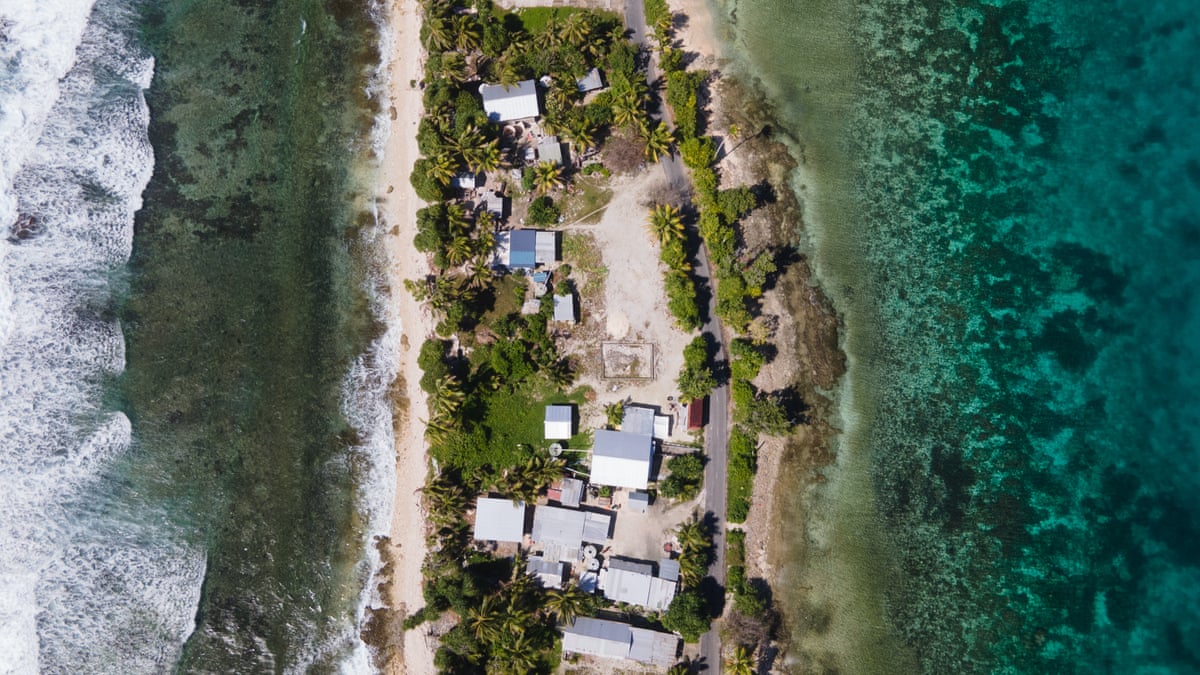
Many coastal cities worldwide are also at risk, including New Orleans in the United States, Cardiff and London in the United Kingdom, and Amsterdam in the Netherlands.
In March, new research revealed that sea-level rise projections have been underestimated due to inaccurate modeling. In some regions of the global south, including Southeast Asia and the Indo-Pacific, sea levels may be 100cm to 150cm higher than previously thought.
Framing Climate Change Through Health and Human Experience
"We in the climate community are very guilty of explaining things in way too esoteric terms, as though climate change were something that is not happening now," Figueres said.
"So framing these issues in terms of health, in terms of dignity, in terms of livelihoods, in terms of identity and cultural continuity … provides a much better context to the challenge of reducing emissions, because we then understand that this really is about the human experience on this planet …
"Just from a health perspective, it is now affecting drinking water, it’s affecting sanitation, it’s affecting food security because of the salinisation of all of these lands that are ocean front.
"It is happening now, it is a crisis of health and it is the mother of all injustices."
Intergenerational Trauma and Displacement
Figueres highlighted that the commission will also address the intergenerational trauma and inequity caused by displacement due to sea-level rise.

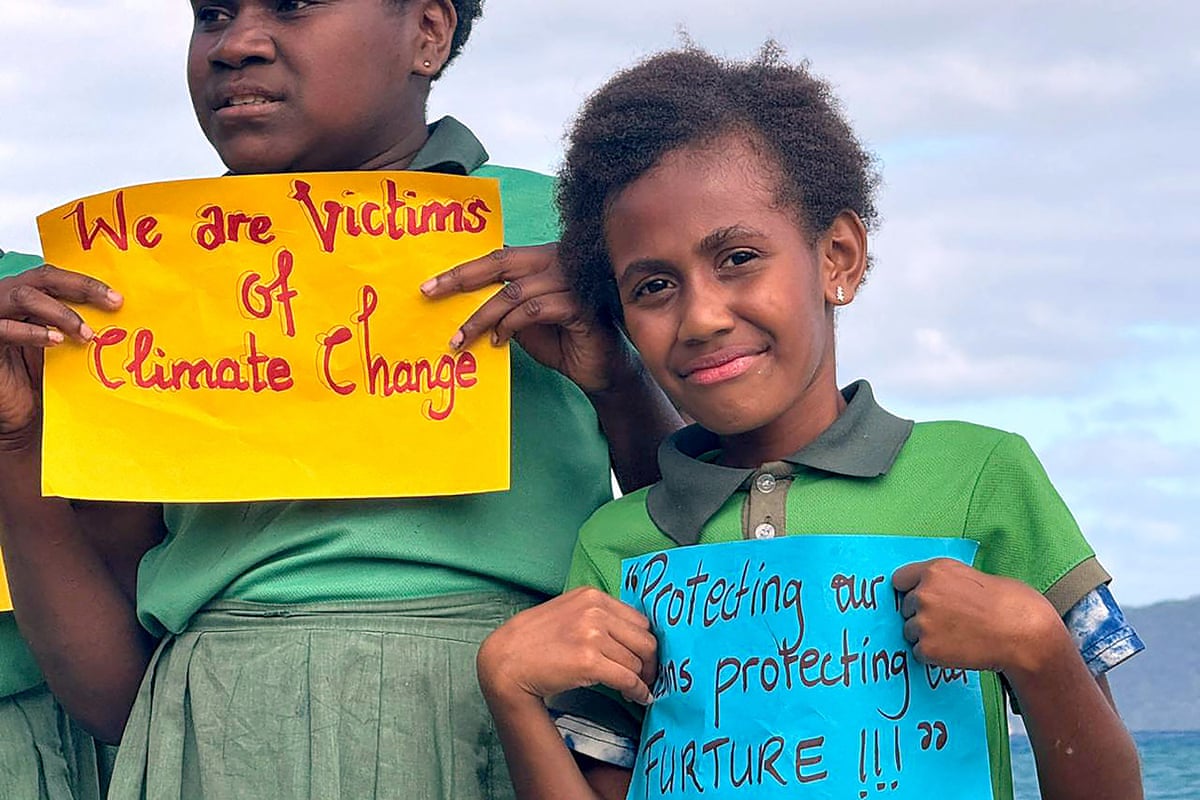
"Can you imagine the pain of having to leave the bones of ancestors and being displaced in order to be able to protect the future of children?" she asked.
"That is a pain that is already being experienced in the Pacific. That is a pain that we cannot put in economic terms. The grief is huge."
She further noted the psychological impact on younger generations.
"Young people are growing up understanding that they are in a world that is already ravaged by climate change.
"How many of them don’t even want to have children because they’re so concerned about the conditions under which those children might have to grow up and live?"
Legal Accountability and Climate Justice
The commission will explore mechanisms to hold major polluters accountable for irreversible harm inflicted on countries that have contributed least to climate change. It will assess existing legal instruments, identify gaps in protections, and consider new approaches to safeguard health and uphold justice for affected communities.
A recent advisory opinion from the International Court of Justice (ICJ) found that countries have a legal obligation to prevent harm to the climate, and failure to do so could result in compensation and other forms of restitution.
Although the ICJ opinion is non-binding, Figueres believes it will encourage a rise in climate litigation cases and lead to groundbreaking claims.
"Just the fact that the ICJ came out with an unequivocal opinion is already a crucial first step in terms of legal consequences," she said.
In May, Vanuatu will lead a United Nations General Assembly resolution to uphold the ICJ ruling, which, if passed, would influence the global implementation of the findings.
However, UN experts have reportedly attempted to block the resolution from being considered, reflecting growing resistance to explicit references to fossil fuels and legal responsibility for climate harm.
Challenges of Legally Binding Agreements
Figueres cautioned that legally binding agreements alone are insufficient to address the health harms of the climate crisis. She recalled Canada’s withdrawal from the Kyoto Protocol just before facing billions in penalties for failing to meet emissions targets.
"They simply sent me a letter and said, ‘Madam executive secretary, hereby, Canada removes itself from the Kyoto protocol.’ So having a legally binding agreement does not guarantee at all that any country would comply."
She expressed belief that change is more likely to result from a combination of legal pressure, scientific evidence, and appealing to the "enlightened self-interest" of governments and corporations.
"That is why it is important to lay bare the consequences of inaction," Figueres said, adding: "Companies should understand for their business continuation, they should reduce emissions. Governments should understand that in order for them to stabilise their economy, and protect their people, they should reduce emissions.
"I just think that enlightened self-interest based on scientific facts – which is what the commission is going to put forward – is a much more effective route to emission reductions than a legally binding agreement from which anybody can withdraw."
Images Depicting the Impact of Sea-Level Rise
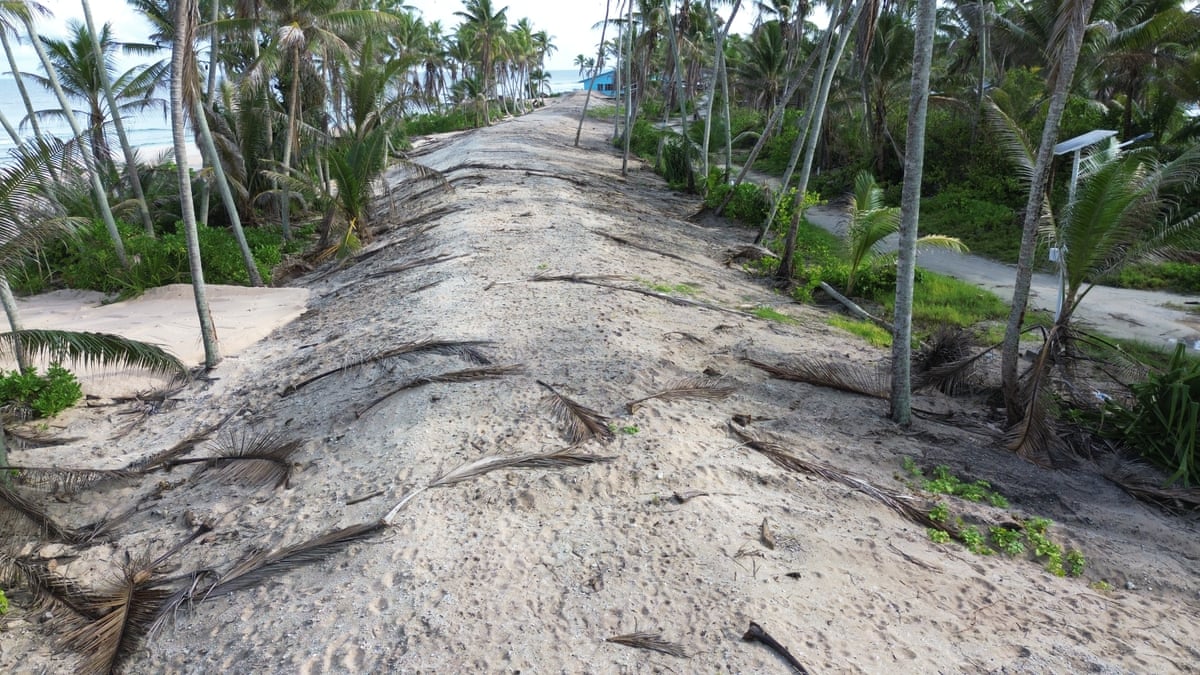
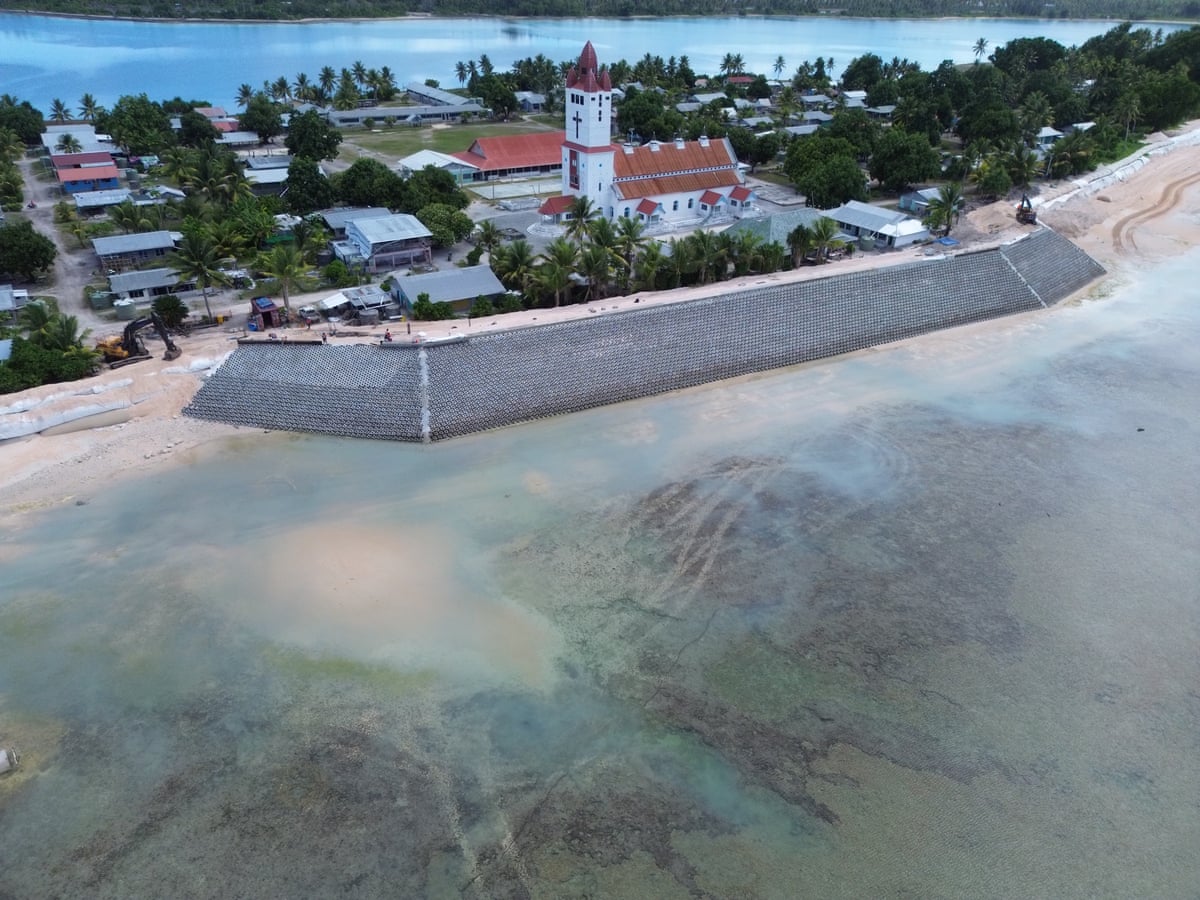
Tuvalu was the first country in the Pacific to access climate finance from the UN-backed Green Climate Fund, and efforts such as sea walls at Nanumea are part of adaptation strategies.