

Introduction
Former amateur rugby players diagnosed with early onset dementia report receiving "no help and no hope" in managing their condition.
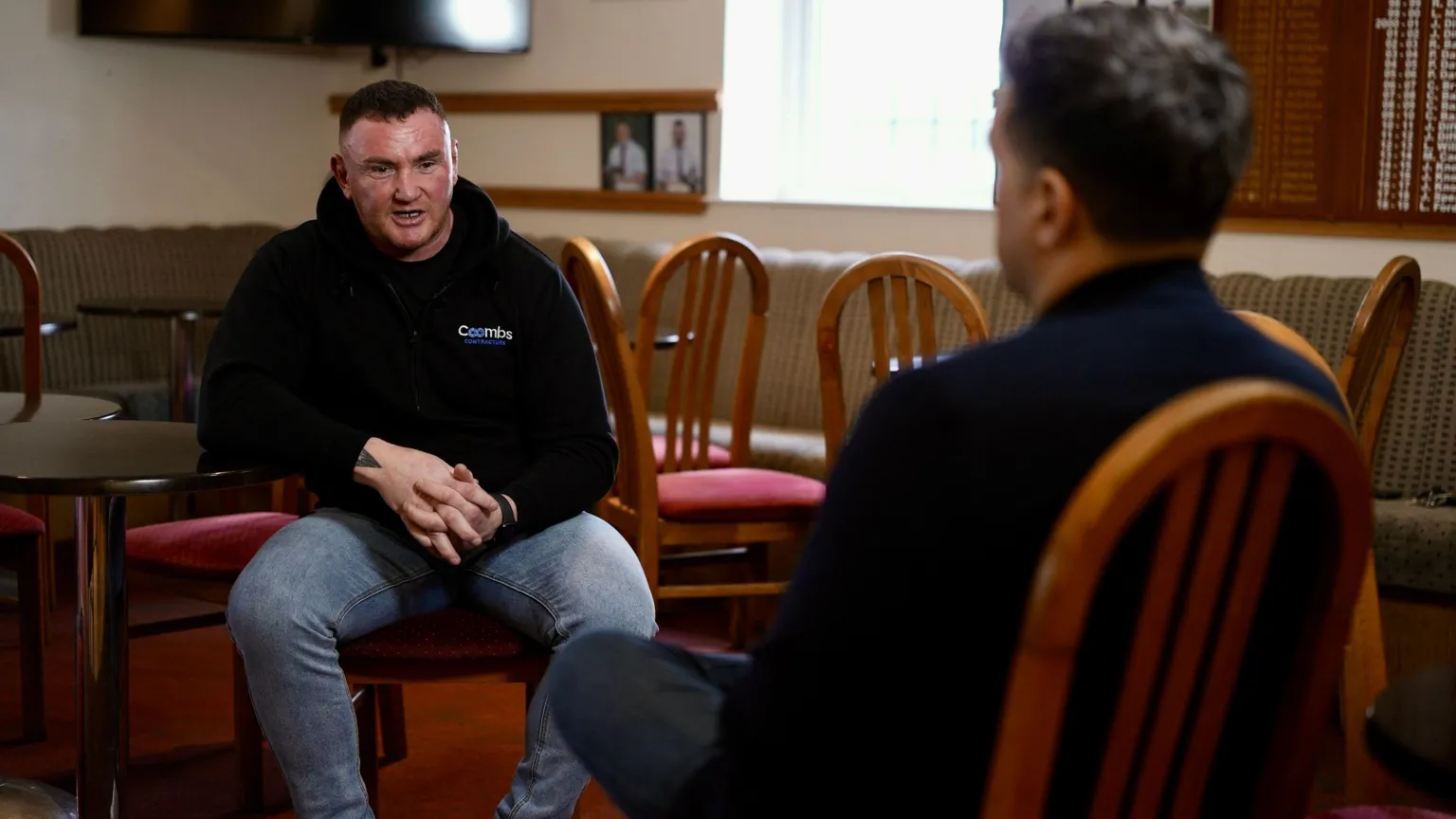
Ross Coombs, 43, an ex-soldier and police officer who captained British Army and club rugby teams in south Wales, has been diagnosed with early onset dementia and probable Chronic Traumatic Encephalopathy (CTE), a brain disease associated with repeated head trauma.
Ross recounted an incident where he was instructed to continue playing after a head injury that "saturated" his shirt with blood, highlighting the lack of adequate medical and financial support available to affected players.
The Welsh government stated that former players can access assistance through Memory Assessment Services and the Dementia Care Pathway, emphasizing that dementia services should be aware of CTE risks. The British Army, Welsh Rugby Union, and World Rugby have been approached for comment.
Ross Coombs' Rugby and Military Background
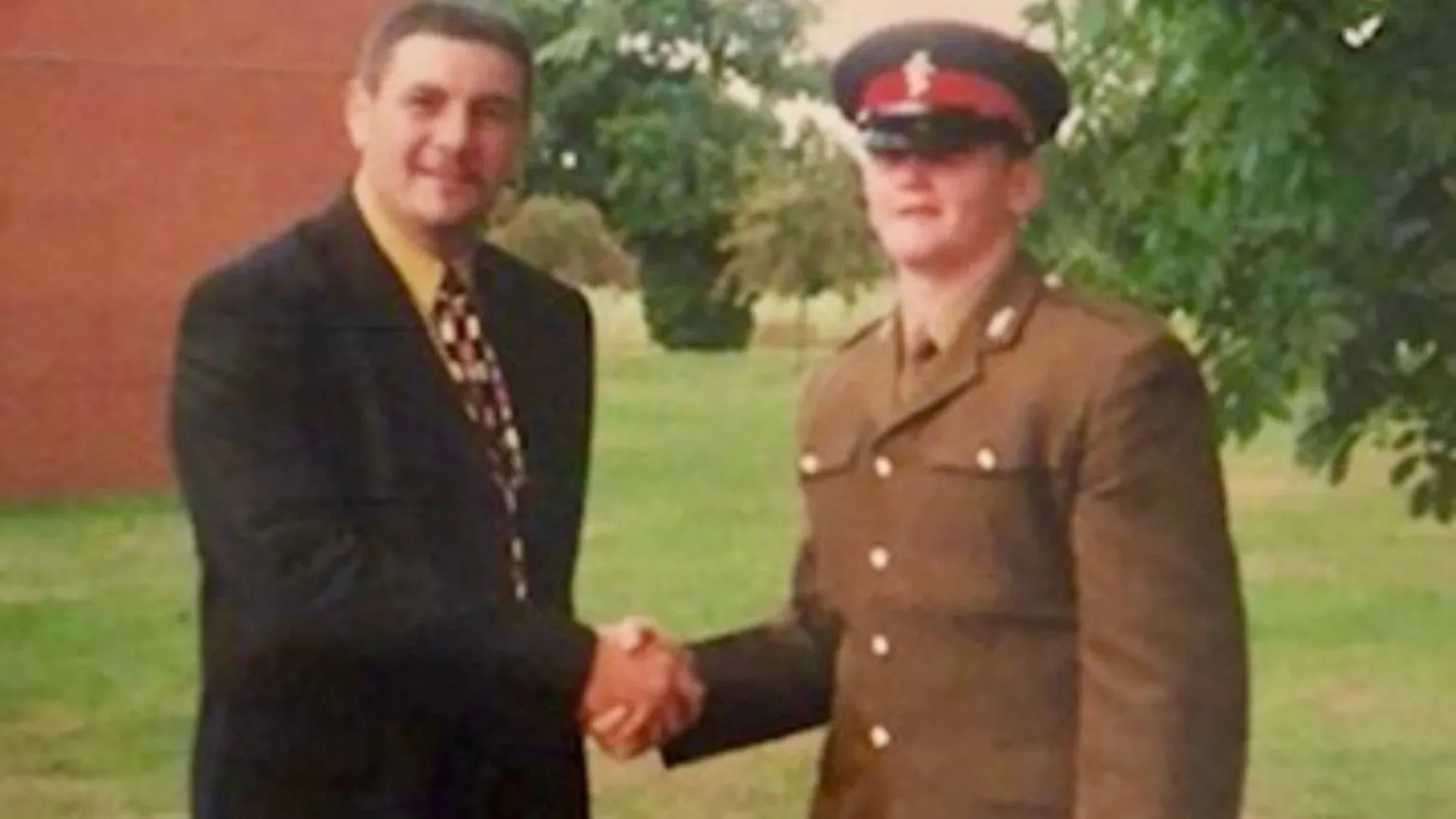
Ross began playing rugby at age nine and joined the Royal Electrical and Mechanical Engineers (REME) at 16, where he was quickly selected to play for the regiment.
He played rugby union and rugby league for the British Army and combined services teams, while also participating in club matches on weekends.
Ross captained teams including Merthyr and Newbridge before playing for other clubs such as Newport, Nelson, Blaenavon, Bargoed, and Monmouth.
"At one point, between rugby league and rugby union, I was playing about 50 games a year,"he said.
Current World Rugby guidelines limit elite players to 30 full games per season; however, no official game-wide guidance exists for amateur players.
Injuries and Medical Treatment
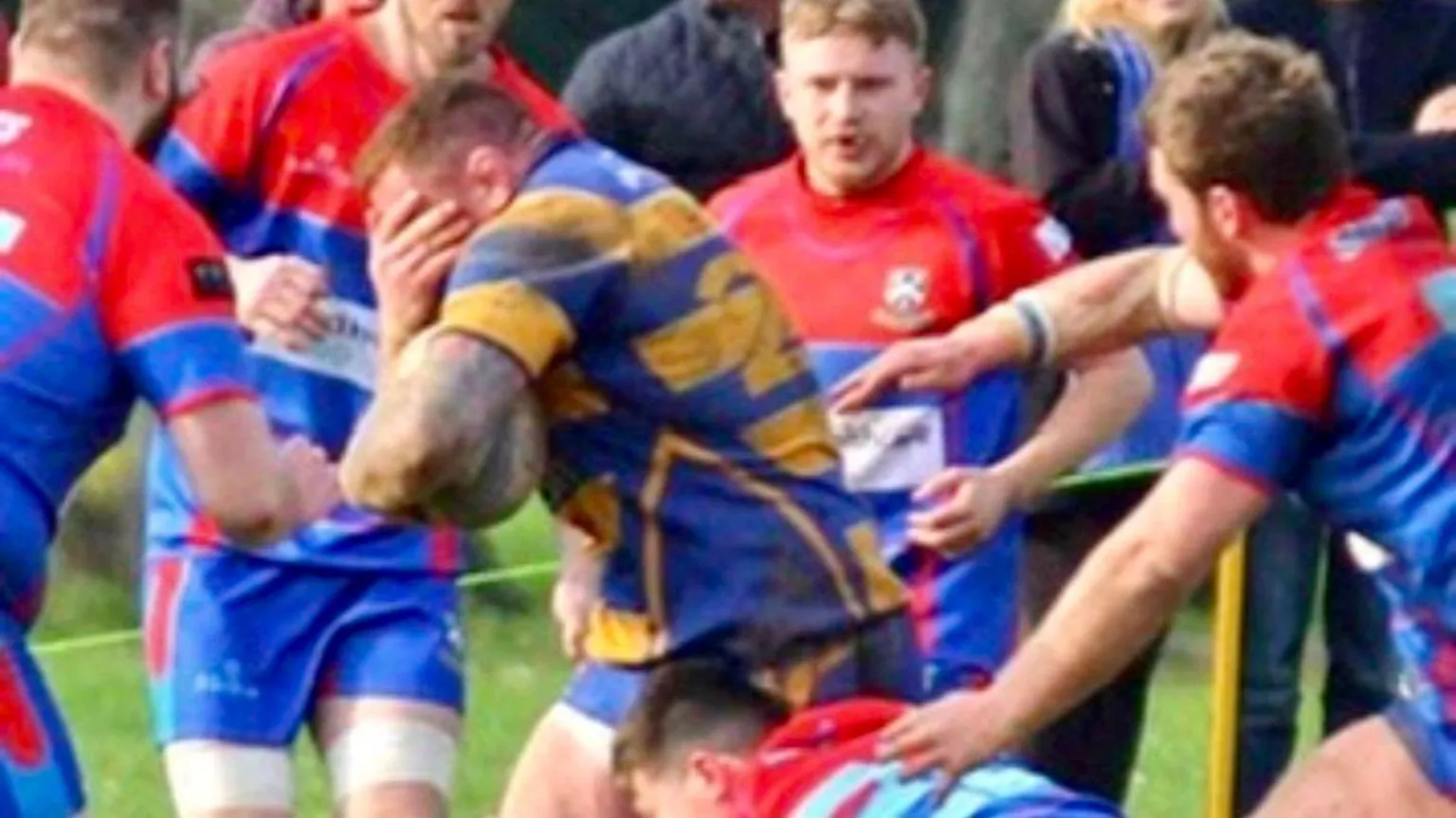
During his rugby career, Ross sustained arterial bleeds, lost teeth, multiple head injuries, and concussions. He described being expected to continue playing after being knocked unconscious.
"It was a bit of a macho era,"he explained.
One severe injury resulted in fractures to his eye socket, cheekbone, and jaw. Despite the trauma, Ross continued playing immediately after the impact, which left him with metal plates in his face.
Medical treatment was often minimal, sometimes limited to a wet sponge known in rugby circles as "the magic sponge." After one head collision, Ross said his shirt "was saturated in blood," but he was told to "put some vaseline on that, change your shirt and get back on."
Diagnosis and Personal Impact
In 2024, Ross was diagnosed with early onset dementia and probable CTE, a brain condition linked to repeated head injuries.
CTE symptoms can include mood and behavior changes, memory loss, and movement difficulties. However, a formal diagnosis can only be confirmed post-mortem.
"On the surface, you try and put a brave face on - but deep down inside you know you're not right,"Ross said.
He reported experiencing suicidal thoughts, depression, and memory loss, including an inability to recall the birth of his son.
"It dawned on me - I literally can't remember being in that room - I can't remember anything from his childhood,"he added.
Ross's brother, Andrew Coombs, 41, a former Wales international, has been diagnosed with the same conditions.
"We don't know what's around the corner for us,"Ross stated.
Concerns About Player Protection and Support
Ross expressed frustration that players are not better protected from head injuries.
"It is frustrating to think that this could have been prevented - allowing people to carry on and put themselves at such a risk."
World Rugby, the Welsh Rugby Union (WRU), and the Rugby Football Union (RFU) have previously affirmed their commitment to safeguarding players.
There is increasing concern among former amateur players regarding the extent of the issue.
"The kind of support and care - it's just non-existent, there's just none out there,"Ross said.

Another former player, who requested anonymity to protect his family, represented Wales at age grade levels including U21s and played alongside prominent players in his youth. He disclosed having contemplated suicide due to the lack of assistance and hope.
Some former players worry about financial stability if forced to leave work prematurely due to their condition.
"There is no support, there is nothing at all - I've been to see two neurologists, neither neurologist had any in-depth knowledge of CTE,"Ross remarked.
Welsh Government and Medical Community Response
The Welsh government indicated it is not currently conducting research to determine the prevalence of CTE among former players and is unaware of other studies. However, it shared the UK Concussion Guidance with health boards, sports clubs, and governing bodies in 2023.
"One of the things that's become very important to me is making sure my family are financially sound,"Ross said as he attempts to access his army and police pensions early.
He is also seeking to claim on a life insurance policy.
"I tried to make a claim on my critical illness life insurance policy - under the category for traumatic brain injury.
[I] provided them with the scan, which clearly identifies areas of neurodegeneration within the brain."
Ross's claim was rejected because the medical report did not include the phrase "death of brain tissue."
Legal and General, his insurance provider, apologized for any distress caused during the claims process and offered £450 in compensation.
The company stated that CTE is "not covered" by the policy and that the definitions for Traumatic Brain Injury and Dementia were not met by the medical evidence provided.
"Further scans have been offered by the customer's medical team, and we have told him we can consider the claim further if the results of these are provided,"a spokesperson added.
Legal Action and Recognition of the Issue
Ross is among hundreds of former rugby players, including former Wales captain Ryan Jones and England World Cup winner Steve Thompson, pursuing legal action against rugby's governing bodies over head injuries sustained during their careers.
He believes the issue's scale remains unrecognized.
"I'm 100% certain there are a lot of people very similar to me, played at the same level - without the doctors - where it was very physical, with potential neurodegeneration and CTE,"he said.
"There's got to be thousands of people in the same boat as I am."

Expert Opinion on CTE Awareness and Diagnosis
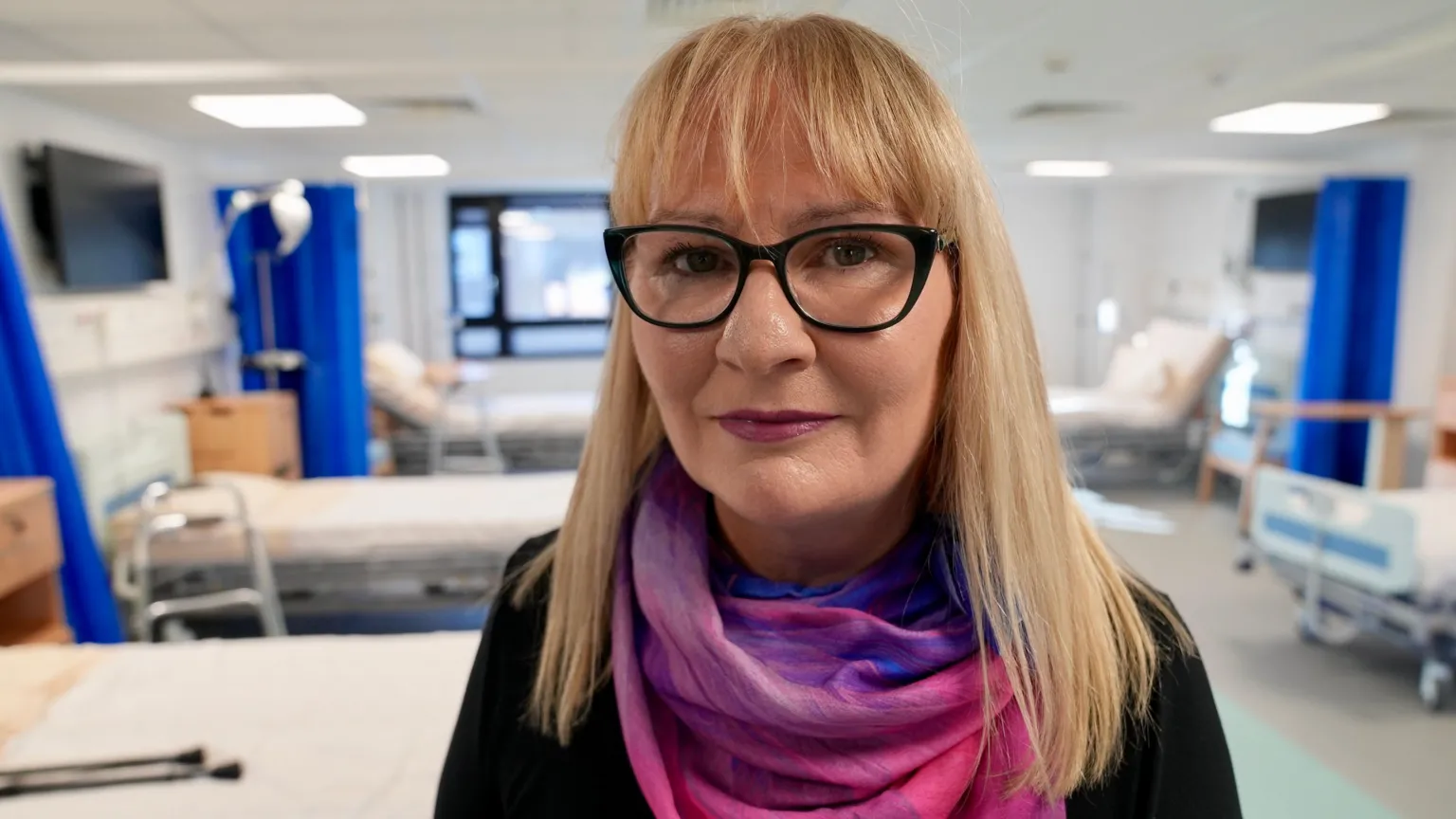
Lesley Butcher, a dementia expert and senior lecturer at Cardiff University, highlighted patients' concerns about financial security and cognitive decline.
"Many patients had concerns about how they're going to pay their mortgage, are they going to forget their children's names, their wife's face, are they going to be able to work again?"
Lesley, a registered nurse, noted that the prevalence of CTE remains unclear due to complex diagnostic criteria.
"We can't actually diagnose the condition until somebody's died, which isn't particularly helpful,"she said.
She emphasized the challenges faced by general practitioners (GPs) in identifying CTE, stating that there is limited research on GP awareness.
"The health service should be geared up to identify it,"Lesley added.
She warned that the absence of strict diagnostic criteria could cause tension and frustration for former players seeking health services, insurance claims, or early pensions.
Welsh Government and Rugby Bodies' Statements
The Welsh government stated:
"There is no specific treatment for CTE, and a definitive diagnosis can only be made post-mortem. However, Memory Assessment Services (MAS) across Wales are working to identify dementia earlier by strengthening links with GPs and communities, promoting brain health, and supporting timely diagnosis. The Welsh Government expects dementia services to be aware of CTE risk where there is a history of head trauma."
It added:
"Former players can currently access support through Memory Assessment Services and the existing Dementia Care Pathway. National work led by NHS Performance and Improvement includes delivering GP training to improve early detection of dementia."
World Rugby, the WRU, and RFU previously stated:
"Acting on the latest science, evidence and independent expert guidance, we constantly strive to safeguard and support all our players - future, current, and former."
Support Resources
If you have been affected by the issues raised in this story, a list of organizations providing help and support is available via BBC Action Line.


