

Family Mourns Loss of Teen to Meningitis Amid Kent Outbreak
A father has expressed that his family is "beyond devastated" following the death of his daughter from meningitis, as health officials identify the strain responsible for an outbreak in Kent.
The family said they have "no words to express their loss" after Juliette, an 18-year-old sixth form student at Queen Elizabeth's Grammar School in Faversham, died on Saturday.
Alongside Juliette, a 21-year-old University of Kent student also died amid the outbreak of "invasive" meningitis, which has resulted in 11 additional confirmed cases in the Canterbury area.
Meningitis B Identified as Cause of Outbreak
Dr Gayatri Amirthalingam, representing the UK Health Security Agency (UKHSA), confirmed that meningitis B (MenB) has been identified as the strain behind the current cases.
MenB is the most common cause of meningococcal meningitis in the UK. However, routine vaccinations against this strain were only introduced in 2015, meaning many students and young adults in their late teens are not vaccinated.
Tributes to Juliette from School Community
Juliette's head teacher, Amelia McIlroy, described her as "a genuinely caring and attentive listener, a true friend who listened with warmth, respect and sincere interest to her peers and to our staff."
"In short, she was a lovely girl," Ms McIlroy added.
Precautionary Measures at University of Kent
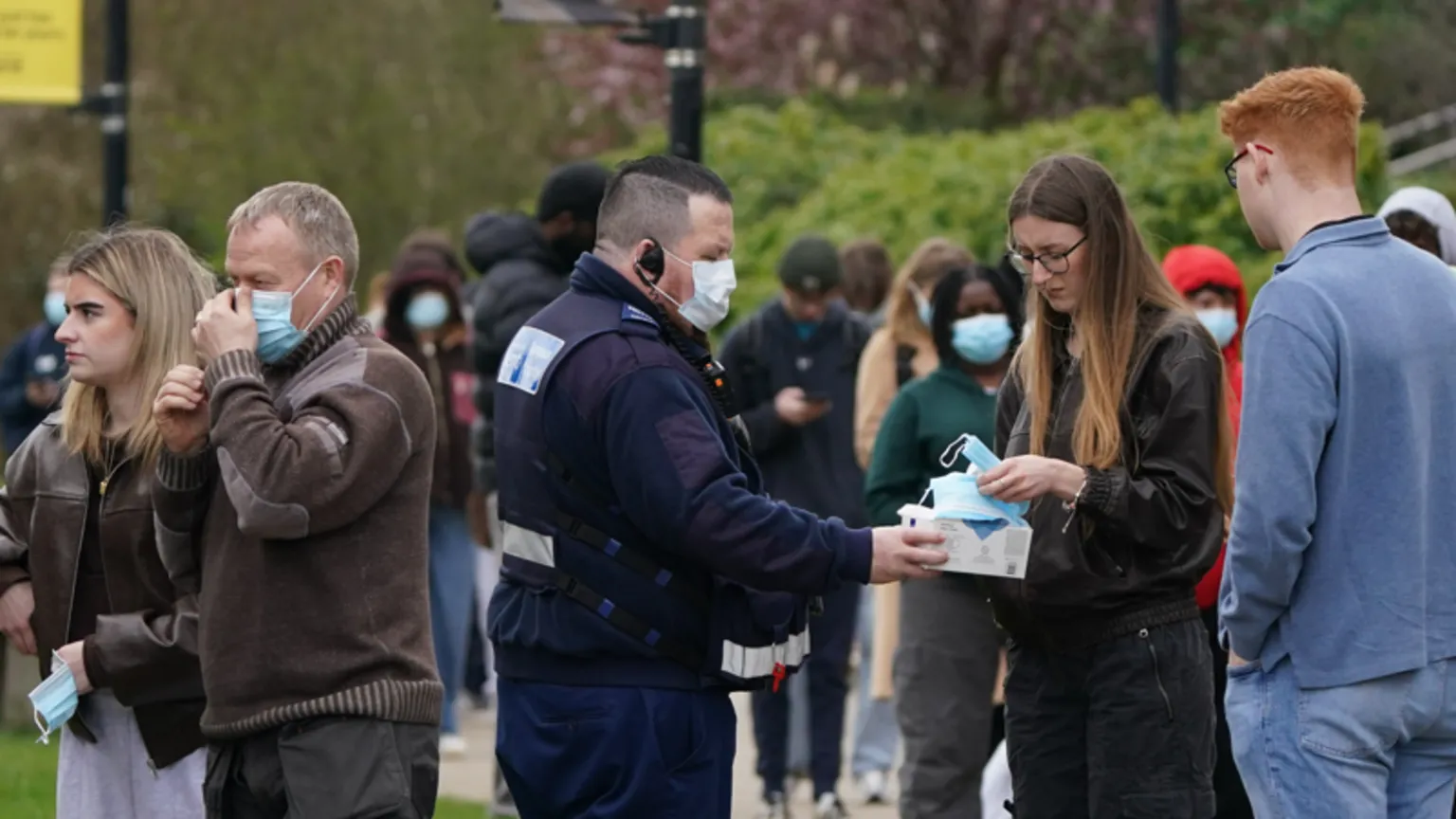
On Tuesday morning, students at the University of Kent continued to queue to receive precautionary antibiotics as a preventive measure against the outbreak.
More than 30,000 residents in Canterbury have been contacted by the UKHSA regarding the outbreak, which officials describe as "particularly large" and "unprecedented in recent years."
UKHSA Response and Investigation
Dr Amirthalingam, deputy director of immunisation at the UKHSA, stated in an interview with BBC Radio 5Live Breakfast that the outbreak appears to be caused by the group B strain.

She emphasized that the agency's response to the MenB outbreak has been "very swift," addressing concerns about the speed of the public health reaction.
"The first cases were identified on Saturday," she said.
When questioned about the timeliness of the response, Dr Amirthalingam replied,
"Absolutely."
She noted that the initial cases were treated with utmost seriousness, with local public health teams promptly identifying close contacts who would benefit from preventative antibiotics.
Dr Amirthalingam also remarked that the rapid succession of cases is "certainly unusual," with multiple cases emerging in a short timeframe.
Link to Nightclub Event and Public Health Advice
The outbreak is believed to be linked to a nightclub event in Canterbury. The UKHSA has urged anyone who attended Club Chemistry on 5, 6, or 7 March to come forward for preventative antibiotic treatment as a precautionary measure.
University Operations and Antibiotic Availability
The University of Kent campus remains open, although all scheduled assessments for the coming days have been cancelled to prioritize health and safety.
Antibiotics are available from 08:30 GMT at several locations: the Gate Clinic at Kent and Canterbury Hospital, Westgate Hall in Canterbury, and the Carey Building at Thanet Hub in Westwood.
Vaccination Programmes and Coverage
Routine vaccination against MenB for babies and young children was introduced in 2015. Additionally, children aged 13 or 14 are offered vaccination against other meningitis strains through school-based programmes.
Contact and Follow-Up
For updates and information, follow BBC Kent on Facebook, X, and Instagram. Story ideas can be sent to southeasttoday@bbc.co.uk or via WhatsApp at 08081 002250.


