
Campaign for Enhanced Allergy Protections in NI Schools
The mother of a boy who died following a severe allergic reaction at school is advocating for new legislation to safeguard pupils in Northern Ireland schools.
Helen Blythe has been campaigning for mandatory teacher training and a requirement that each school implement a dedicated allergy policy.
Her five-year-old son Benedict died in December 2021 after accidental exposure to cow's milk protein at a school in England. This tragedy led to the introduction of new legislation known as Benedict's Law for schools in England.
Blythe was scheduled to meet Education Minister Paul Givan in person on Monday evening but was informed he was "too busy" to attend.
The Department of Education states that schools in Northern Ireland currently follow guidance rather than statutory law, resulting in varying allergy safety measures across schools. Several families in Northern Ireland have called for legislative change.
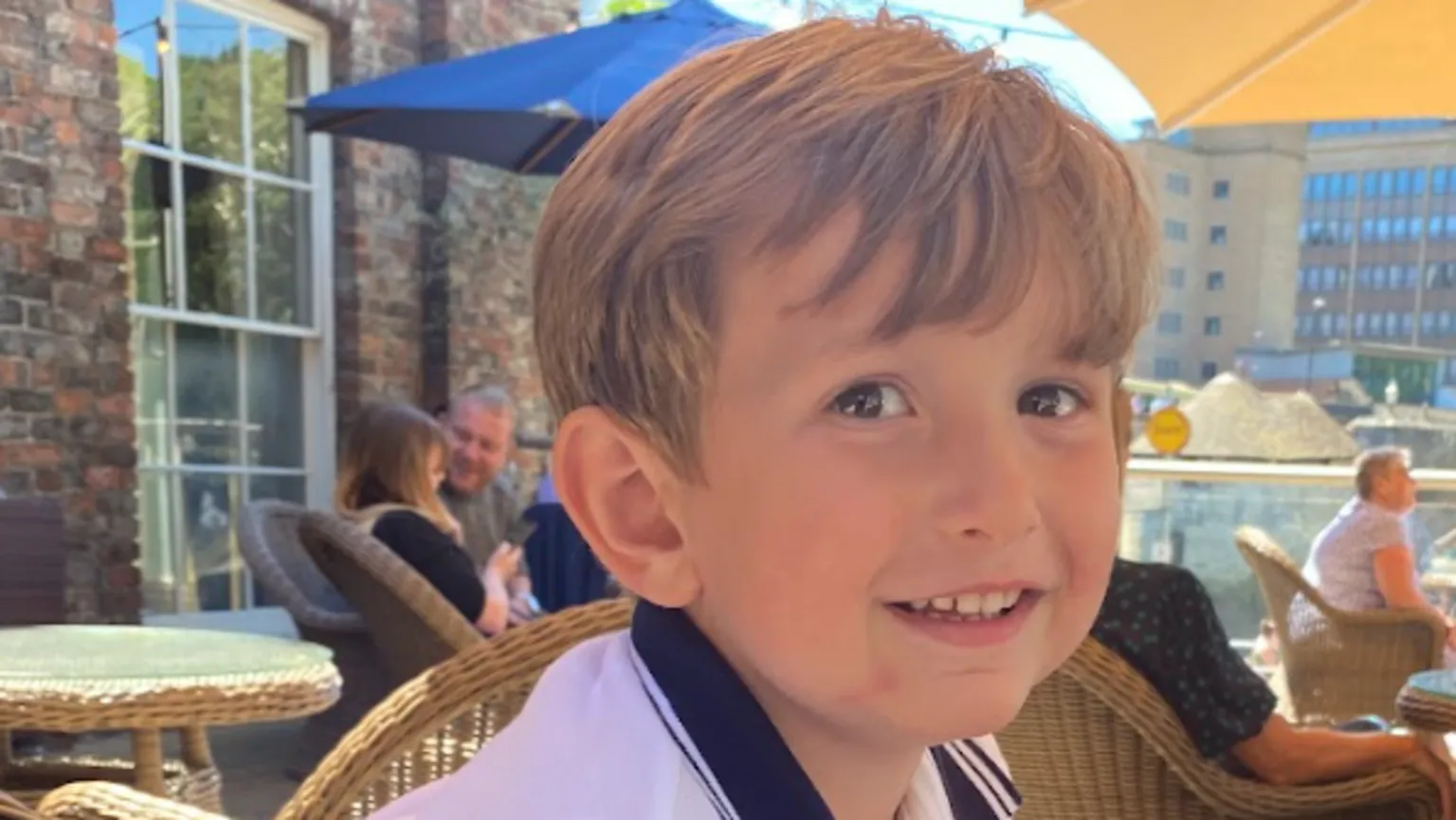
What Happened to Benedict?
Benedict was a pupil at Barnack Primary School, located between Stamford and Peterborough.
An inquest jury concluded that the school did not fully implement all measures intended to prevent the fatal anaphylactic reaction. They identified risks of contamination with other milk products and delays in administering an adrenaline auto-injector.
"We knew that he had allergies and multiple allergies and we communicated that to the school when he started,"Blythe told NI.
"The plan that we had provided to the school wasn't communicated to the staff members caring for him. There weren't spare adrenaline auto-injectors."
Adrenaline auto-injectors (AAIs), such as EpiPen and Jext, are prescribed to individuals at risk of severe allergic reactions.
Guidance for Northern Ireland Schools
Benedict's Law, developed in response to this tragedy, mandates national protections to improve allergy safety in schools. It requires all schools to have spare EpiPens and trained staff available.
Currently, Northern Ireland schools operate under guidance rather than legal requirements, which leads to inconsistencies in allergy safety measures from school to school.
Blythe noted that this reliance on guidance rather than law has surprised many people.
She added that clearer standards would help teachers and school staff feel more confident when responding to allergic reactions.
"We know that unions are supportive of these measures... because they recognise that for their members, it gives them the kind of education and support that they need to feel confident,"she said.
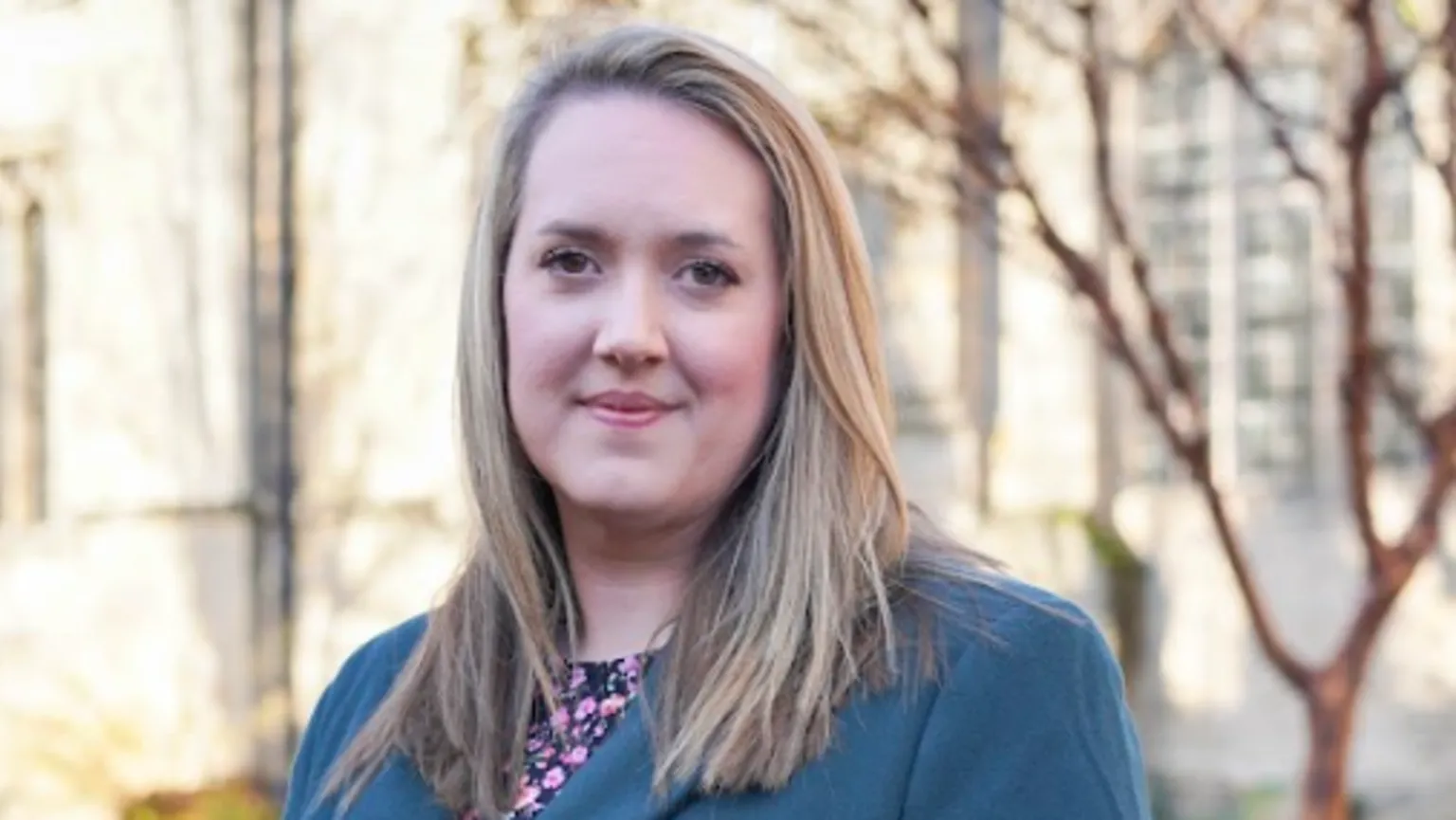
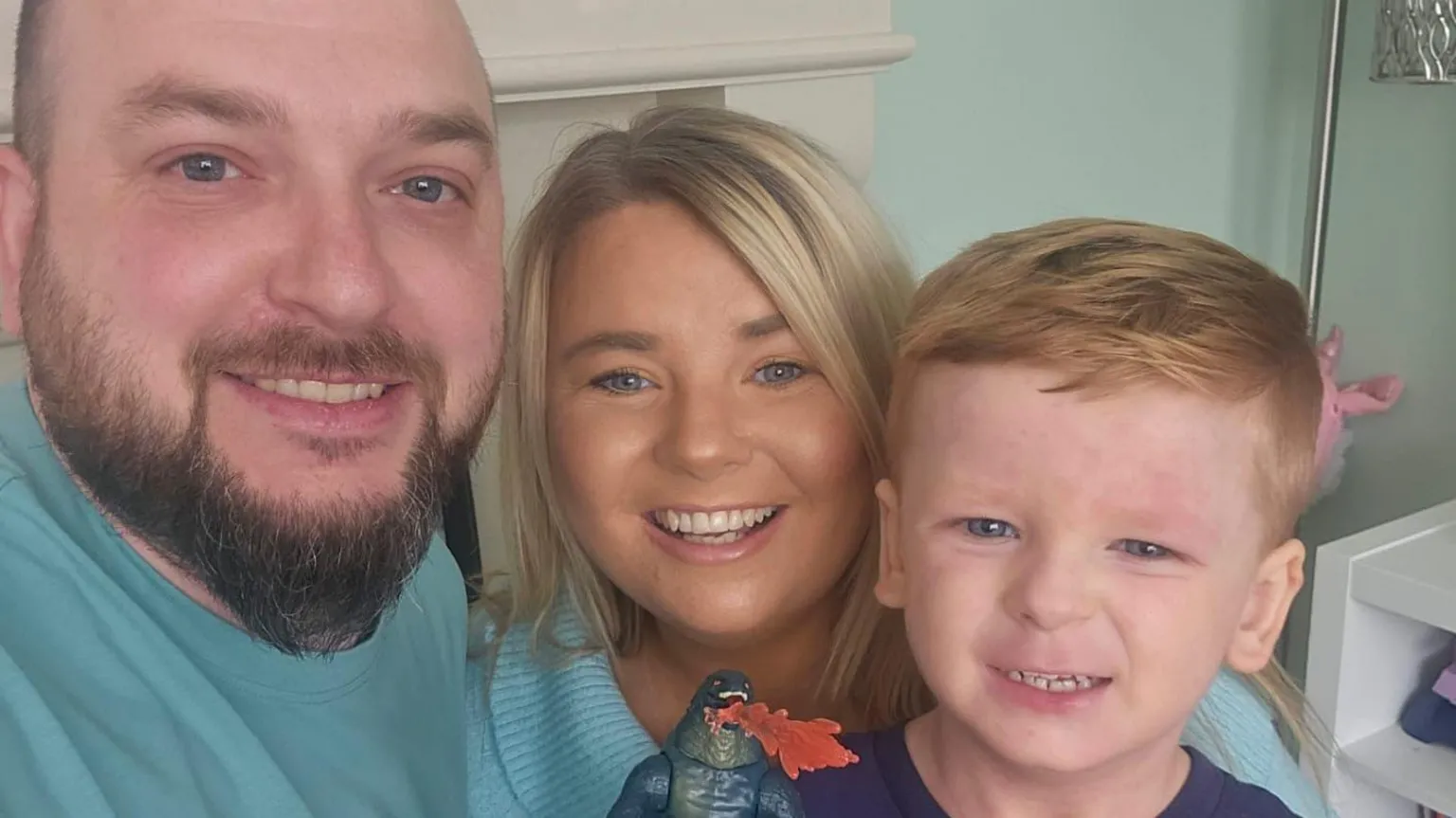
The Parents Demanding Change
Stephanie Kerr's four-year-old son Caolán has multiple severe allergies including peanuts, milk, and eggs.
She described the anxiety experienced daily, which intensifies when considering school attendance.
"I'm very, very anxious. I'm nervous all the time,"she said.
"The phone goes and you see the nursery name and you're just going, 'Is this the day?'"
Stephanie's primary concern is whether staff possess the necessary knowledge and training to handle emergencies.
"When you're relying on other people, you want them to have all the knowledge and understanding that they need to deal with things,"she explained.
"Our main concern is around the emergency medication, EpiPens and the policies that are in place at the minute.
"I think they're not tailored specifically to life-threatening allergies and that's sort of where the issue is."
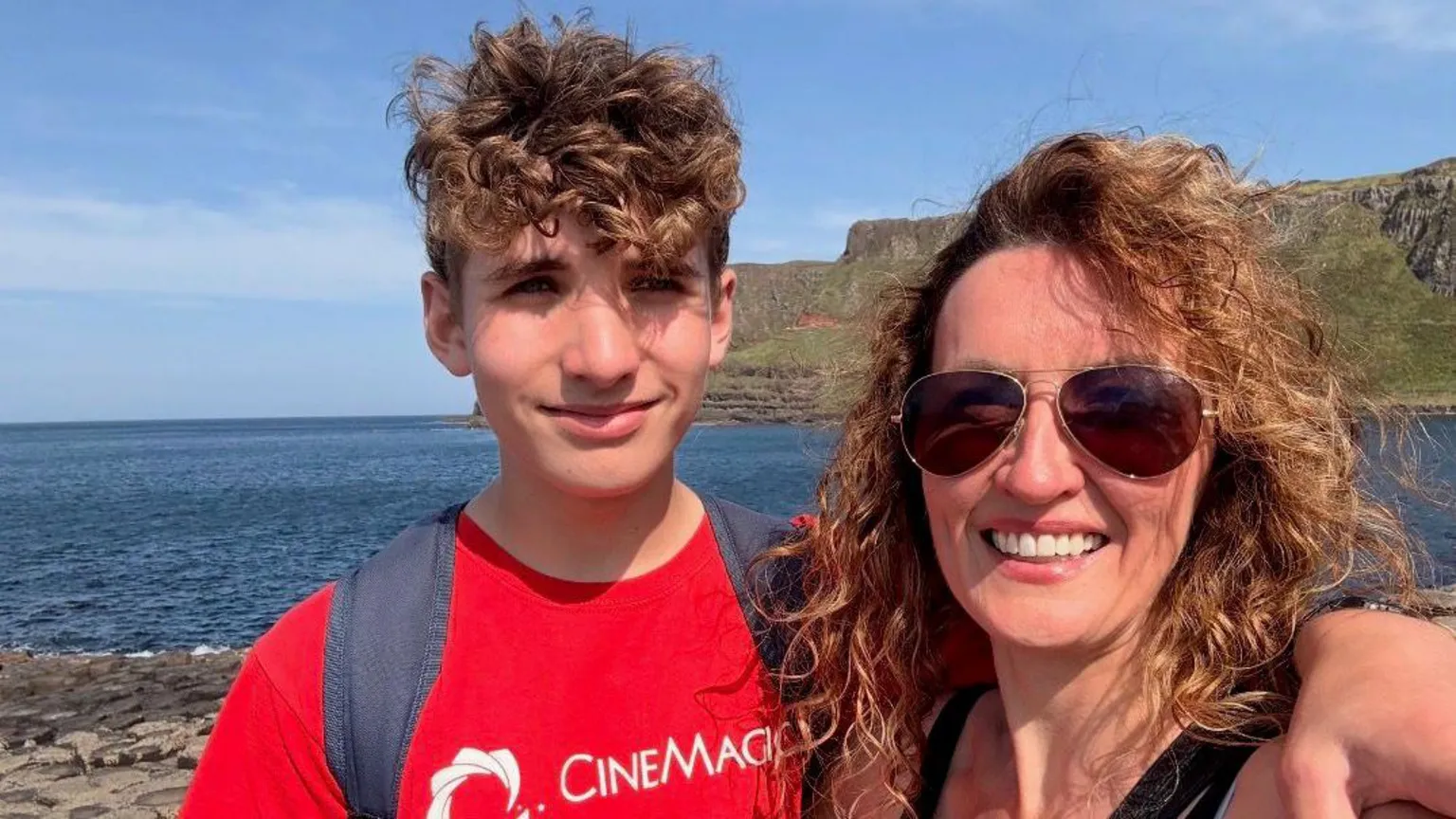
"This Could Be Life or Death"
Lesley Burnside's 15-year-old son Joe has severe allergies to eggs, nuts, and legumes. She noted that the pressure to manage allergies does not lessen as children progress through the school system.
"I'm relying on Joe to take a lot more responsibility for himself now,"she said, adding that staff awareness is not always consistent.
She highlighted that the seriousness of allergies is often underestimated.
"People think somebody will just feel a bit sick for a while… but the adrenaline pen isn't 100% guaranteed,"she cautioned.
Burnside expressed that families frequently feel isolated in managing allergy risks.
"It would be so beneficial and reassuring for schools to learn from each other and implement things that are successful across the board,"she said.
"At the end of the day, this could be a life or death situation for all of us any day of the week."
Carolyn Benson, from Desertmartin near Magherafelt, shared concerns about how well schools and catering staff understand allergy risks, based on her daughter Hannah's severe allergies.
She recalled a distressing incident during a school open day when Hannah was nearly served food containing milk.
"The experience left her extremely upset and very fearful then of being safe when moving to big school,"she said.
While her daughter's primary school has been supportive, Benson noted that Hannah's confidence can be undermined by errors or uncertainty in other environments.
"To have Benedict's Law in place - and it to be a policy that every single member of staff in that school has to know what anaphylaxis is, what it looks like and how to deal with it, would just make kids so much more safe."
Department of Education Response
The Department of Education in Northern Ireland stated that schools are advised to develop and regularly review policies for supporting pupils with medical needs, making reasonable adjustments to meet those needs.
They explained that for pupils with severe allergies, healthcare professionals provide a detailed Individual Healthcare Plan (IHP), which is agreed upon by parents and the school.
"IHPs are vital in helping school staff understand a pupil's condition and ensure their safety and inclusion in school activities,"the department said.
Additionally, the Education Authority's catering service implements measures such as menu screening for allergenic content, annual allergen training for catering staff, and provision of special diets.
Looking Ahead
Blythe hopes Benedict's Law will be adopted in Northern Ireland.
"We've had cross-party support from MLAs, the education committee has been incredibly supportive,"she said.
"The decision sits on the shoulders of one person which is [education minister] Paul Givan to make the decision 'yes or no' about keeping children with allergies in Northern Ireland safe."


