Experimental Immune Reset Puts Lupus Into Remission
An innovative treatment designed to reset a malfunctioning immune system has successfully induced remission of lupus in early clinical trials conducted in the UK.
Experts suggest this therapeutic approach may also hold promise for treating other autoimmune disorders such as multiple sclerosis and rheumatoid arthritis.
One of the initial patients treated, Katie Tinkler, described her condition as being better than it has been in 30 years since her diagnosis.
Previously, Katie struggled to walk alongside her children but now enjoys skiing and has discontinued all lupus medications. Lupus is a chronic autoimmune disease affecting approximately 50,000 individuals in the UK, characterized by the immune system attacking the body's own tissues.
Women constitute 90% of lupus patients in the UK, with diagnoses commonly occurring in young adulthood.
When the immune system attacks the body, symptoms include joint pain, skin manifestations, and damage to organs such as the kidneys.
Katie was diagnosed in 1993 at age 20. Despite her condition, she maintained an active lifestyle, including working as a fitness instructor, though she kept steroids on hand to manage flare-ups.
During an interview in her Surrey home, decorated with a glitterball hanging from the ceiling, Katie recounted how flare-ups in her hands once made it difficult to lift a cup of tea. She required medication 45 minutes before rising to mitigate morning pain.
Over the past decade, her lupus became more aggressive, necessitating extended hospital stays. The disease was causing damage to her heart, lungs, and kidneys, bringing her close to requiring dialysis.
"Lupus at its worst was in bed, unable to move, going downhill rapidly, possibly dying…now I'm living,"
Speaking a year and a half after receiving the experimental treatment, Katie exhibits renewed vitality and enthusiasm for life.
"It's amazing. I'm living like a normal person, I'm literally saying yes to anything. I sort of forgot that you could feel this good,"
How the Treatment Works
The treatment Katie underwent at University College London Hospitals (UCLH) involves resetting the immune system by inducing a targeted immune response against the malfunctioning components.
This method creates a controlled immune 'civil war' where one part of the immune system is engineered to eliminate the disease-causing elements.
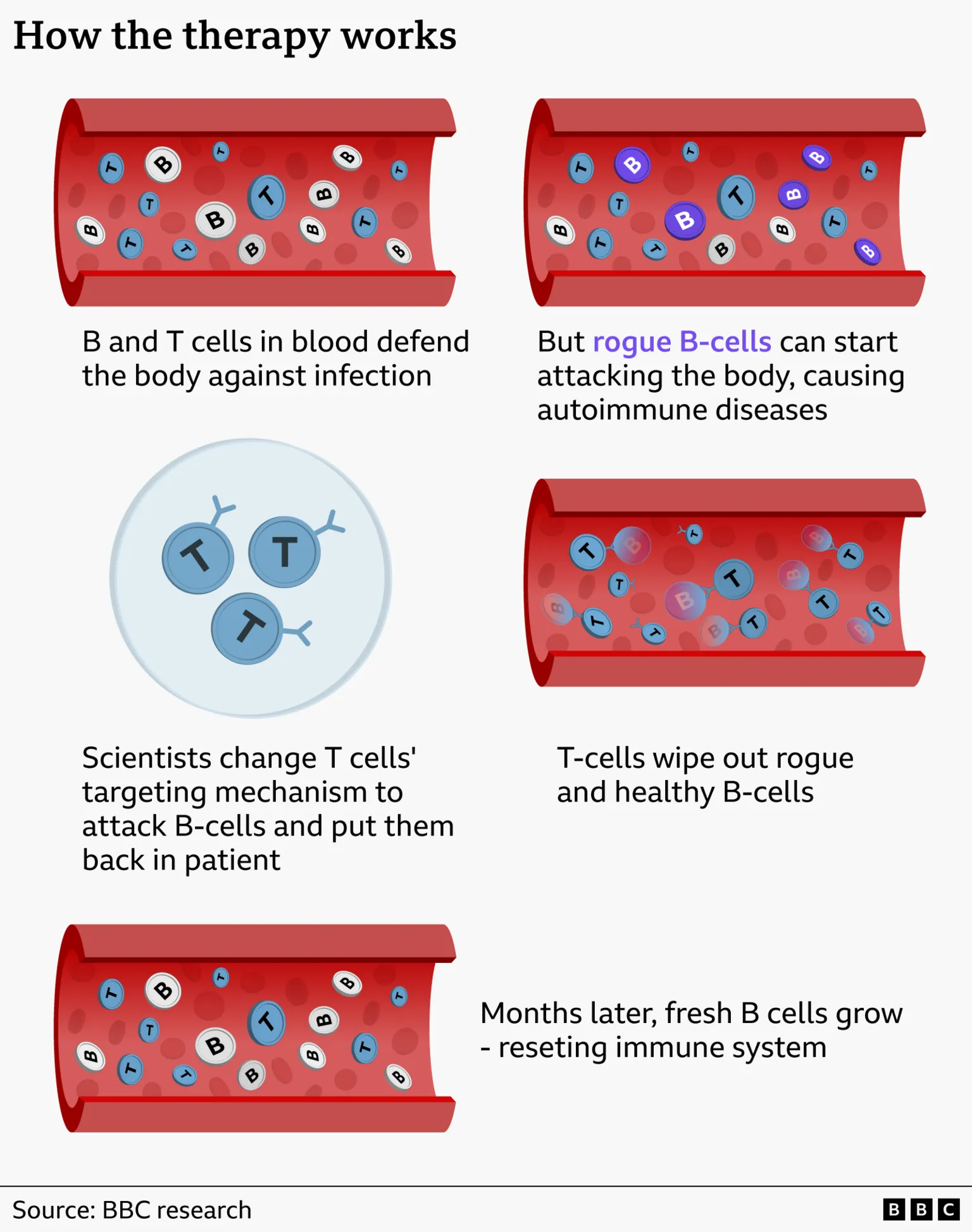
The therapy focuses on two types of white blood cells: B cells and T cells, which normally protect the body from infections.
In lupus and similar autoimmune diseases, B cells become aberrant and produce antibodies that attack the body's own tissues.

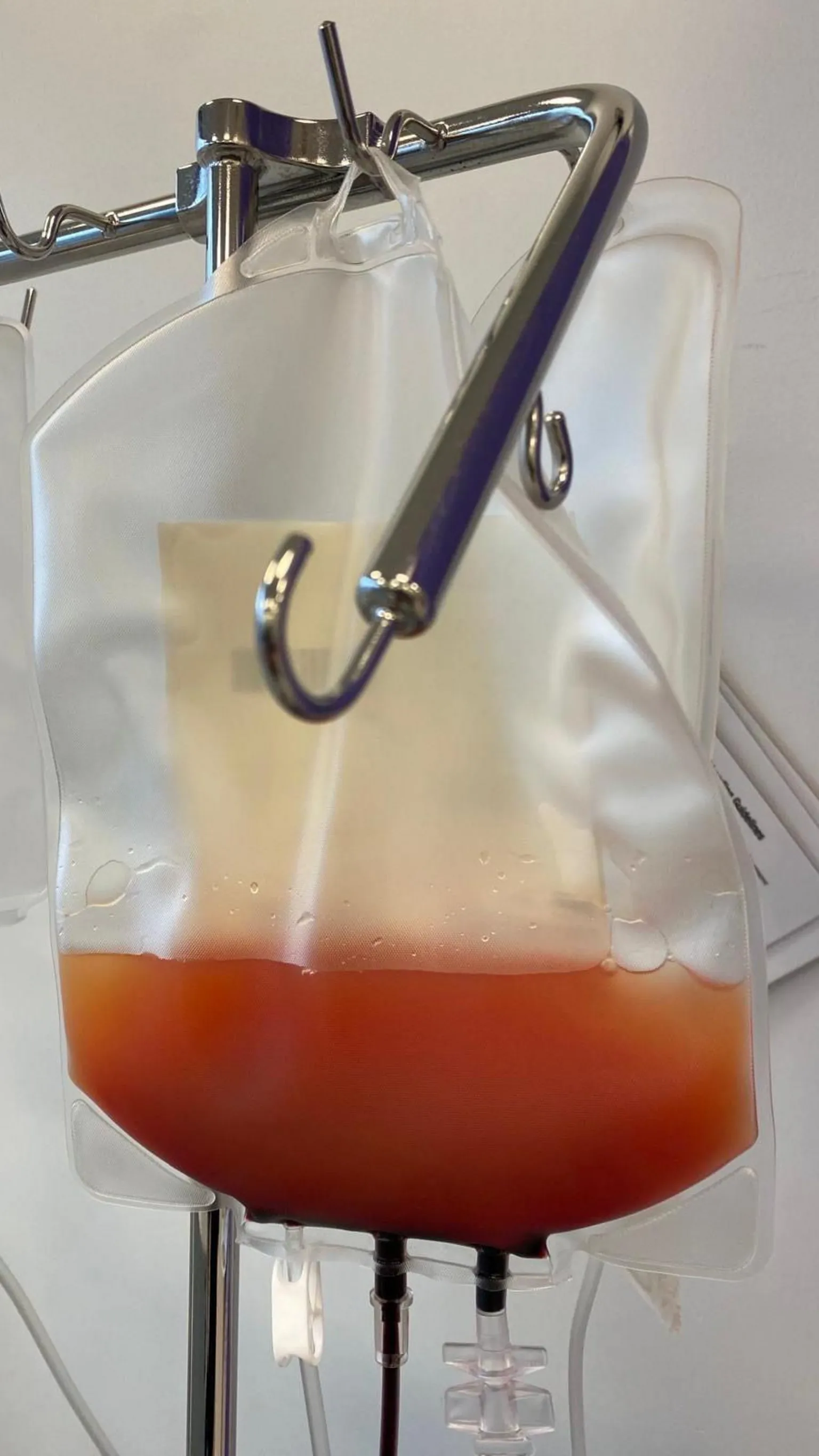
Scientists extracted millions of Katie's T cells and genetically modified them in the laboratory to alter their targeting mechanism so they would attack B cells. These modified T cells were then reintroduced into her body.
Once inside, the engineered T cells destroy both rogue and healthy B cells. Over the following months, new healthy B cells regenerate, effectively resetting the immune system.
The procedure carried significant risks, and Katie recalls a letter sent to her general practitioner stating that she was aware of the possibility of death due to the treatment's dangers.
The process was arduous and included chemotherapy to prevent rejection of the modified T cells.
Katie received the treatment in November 2024 and remains well, no longer requiring lupus medication, with her organ functions restored.
"I can live to an old lady with these kidneys and that is phenomenal. My heart's much better, my lungs much better. My blood disorder is no longer there,"
Trial Results and Future Prospects
Among the first six patients treated, five remain in remission. One patient experienced a lupus flare after 11 months but showed overall symptom improvement.
The research team presented their data at the EULAR European Congress of Rheumatology, reporting that patients have maintained remission for over 18 months.
However, the duration of remission and the treatment's efficacy in a larger patient population remain uncertain.
Dr Maria Leandro, consultant rheumatologist at UCLH, commented to :
"If we were to have patients in remission for three-to-five years consistently, that would be a major gain in lupus, it may be longer than that, but we'll have to wait and see.
This is clearly a significant step forward towards a possible cure, so it is very exciting."
This therapeutic approach, known as CAR-T (chimeric antigen receptor T-cell) therapy, is already approved for treating certain blood cancers such as leukaemias and lymphomas.
The current data represent some of the earliest evidence that CAR-T therapy can be effective in autoimmune diseases.
Given that many autoimmune diseases share similar mechanisms involving aberrant B cells, CAR-T therapy could potentially be applied more broadly.
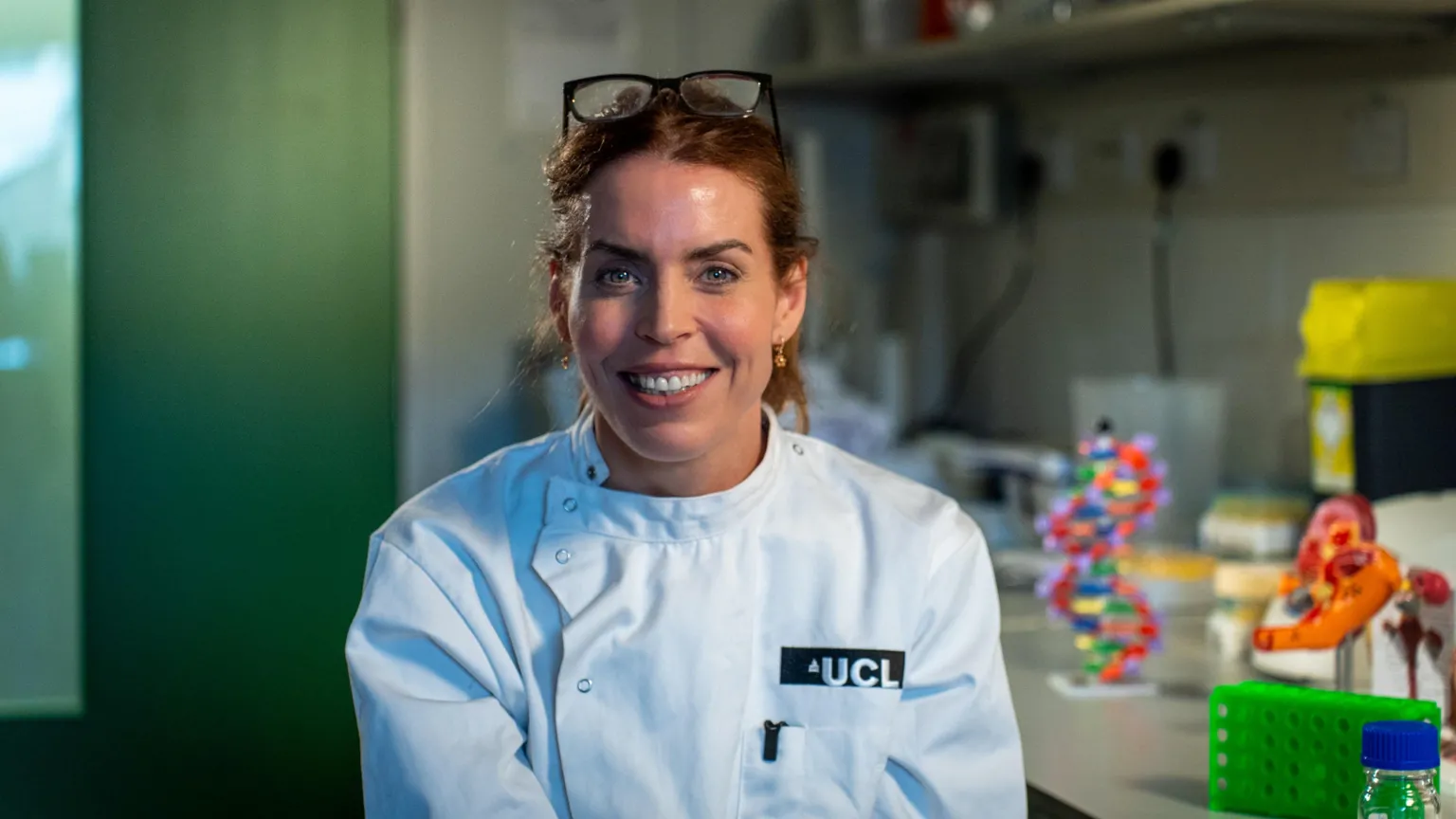
Dr Claire Roddie from UCL, who is involved in CAR-T research, told :
"We're really excited about the potential of CAR-T cell therapy for autoimmune diseases.
Multiple sclerosis would be one condition, we've got a clinical study running right now, and rheumatoid arthritis, for instance, huge number of patients affected by this disorder... huge potential."
Katie's New Outlook
Katie is uncertain how long the treatment's effects will last but is determined to embrace life fully.
"I want to climb mountains, I'd love to do Kilimanjaro, I'd love to do a triathlon again, I just want to participate, and I want to say yes to as many things as I possibly can."