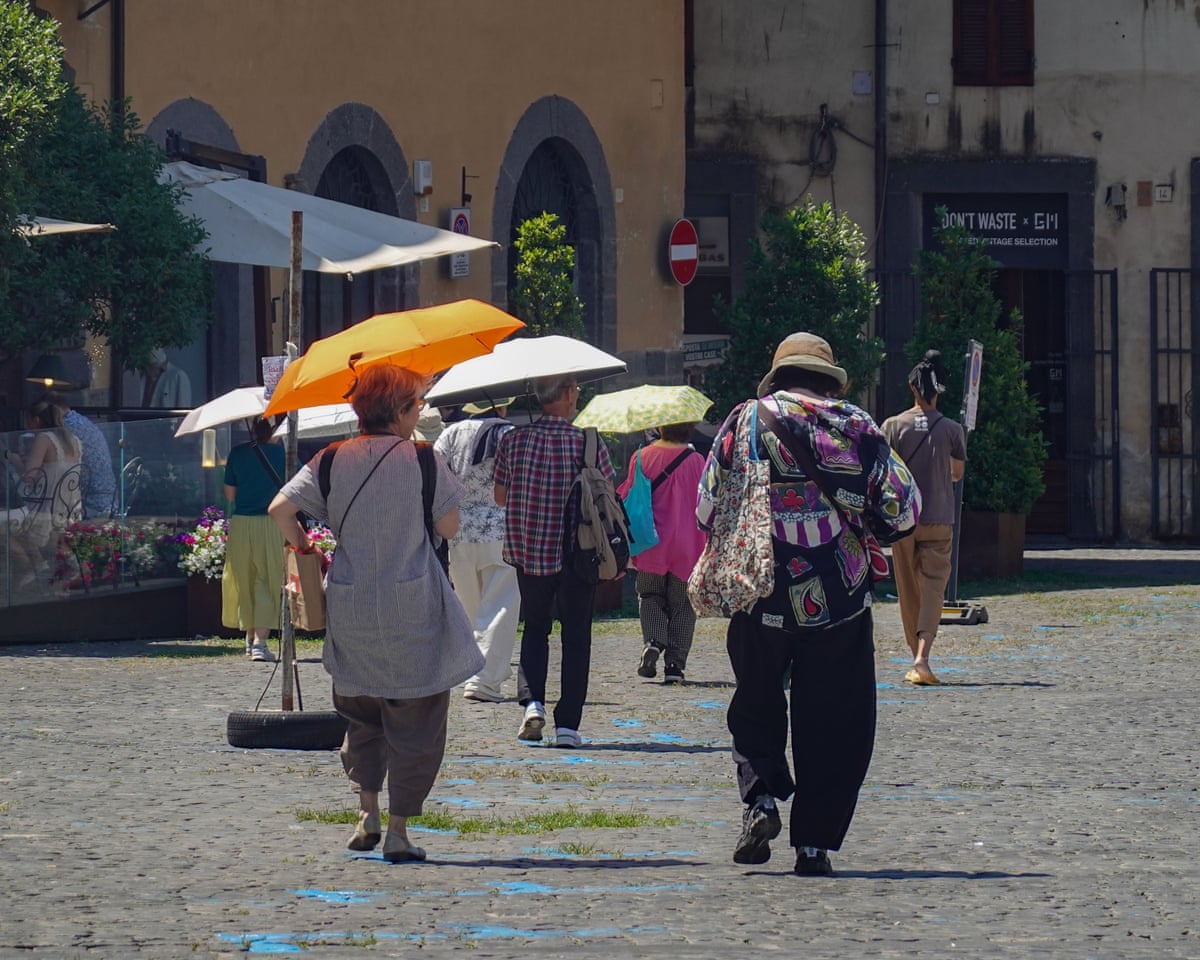
Paris Pride March Postponed Amid Extreme Heat Warnings
Organisers of the Paris Pride March postponed the event scheduled for the weekend after police directed a date change to prevent overwhelming emergency services already strained by the extreme heat, according to AFP.
“The march has been postponed,” said Anouk Veyret, co-president of the Inter-LGBT association.
“We’re thinking of holding it in September, but the whole team needs to meet to see how we can bounce back.”
The Pride March in Lyon, also planned for Saturday, was cancelled on Friday.
Health officials in the UK have issued warnings about the heatwave’s impact on services, noting a significant rise in life-threatening emergency calls as record-breaking temperatures continue to affect the country.
Several hospitals have declared critical incidents; University Hospital Southampton cancelled numerous planned operations and some outpatient appointments.
The London Ambulance Service (LAS) reported its highest number of life-threatening emergencies ever on Wednesday. Chief Operating Officer Craig Harman anticipates demand will increase daily over the coming days.
With England’s World Cup match scheduled for Saturday, Harman advised the public to consume alcohol responsibly and to drink plenty of water between alcoholic drinks.
“It’s not just the elderly and people with underlying health conditions affected by the heat,” Harman told the Press Association. “I’m saying to people I need you to drink water even when you’re not thirsty, stay out of the sun during the hottest parts of the day, and particularly avoid exercising outside and putting your body under additional heat and strain.”
In the UK, leading security, military, and academic experts will join a newly formed government taskforce to address escalating climate change threats, PA reports.
The taskforce, co-chaired by climate minister Katie White and security minister Dame Angela Eagle, will advise on anticipating and responding to climate-related risks, which are increasingly linked to geopolitical instability and economic disruption.
Officials stated the group will identify gaps in the UK’s preparedness, assess the most serious climate and nature threats to national security, review resilience efforts across government, and recommend measures to enhance readiness.
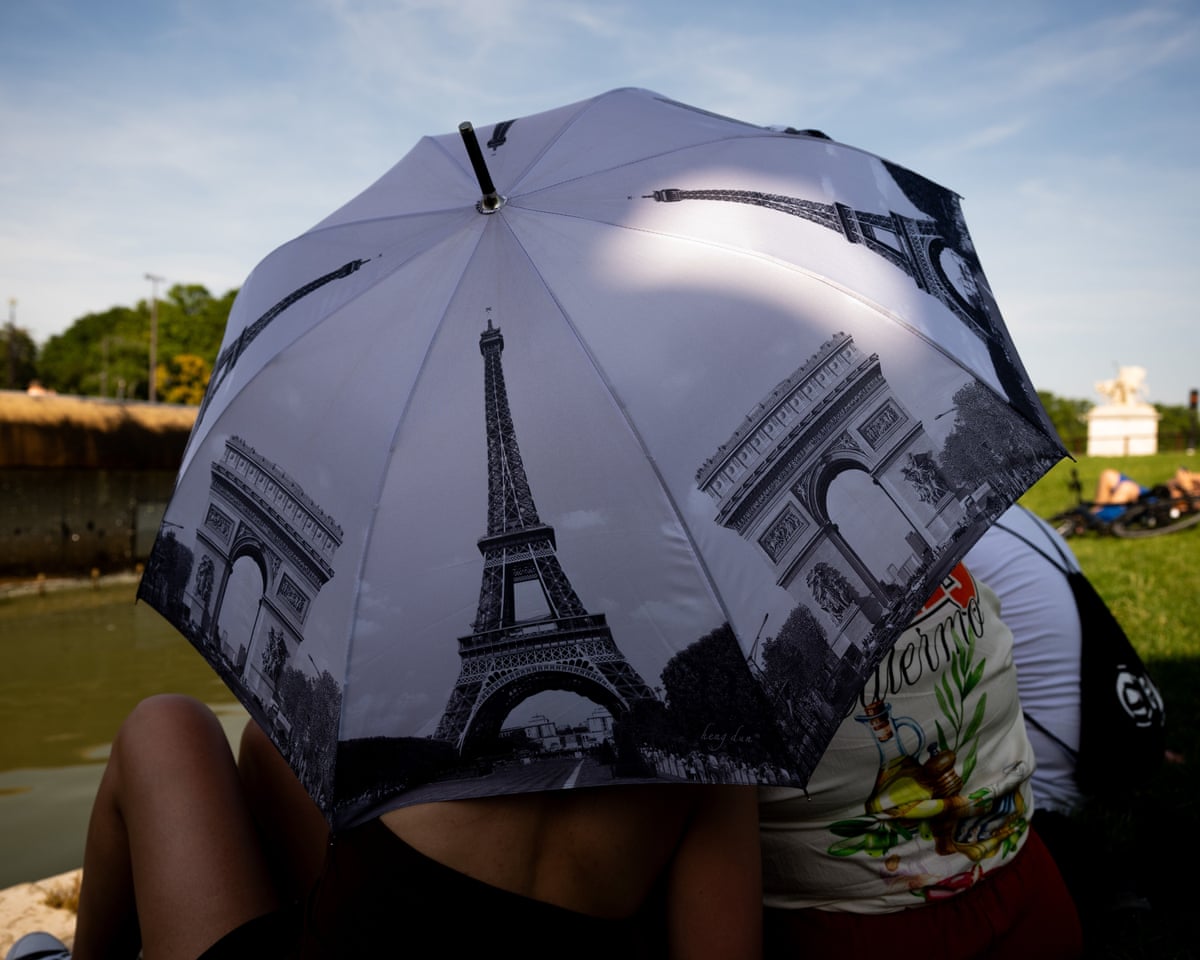
Belgium Cancels Waterloo Battle Reenactment Due to Heatwave
Belgian authorities cancelled this weekend’s reenactment of Napoleon’s defeat at Waterloo amid the ongoing heatwave, AFP reported.
The annual event features hundreds of enthusiasts dressed in Napoleonic-era costumes recreating the 1815 battle for history enthusiasts.
“Waterloo 2026 reenactments cancelled: safety first,” the organisers stated.
“The safety of the public, participants, volunteers, emergency service workers cannot be compromised.”
Belgium is experiencing near-record June temperatures as part of a broader European heatwave.
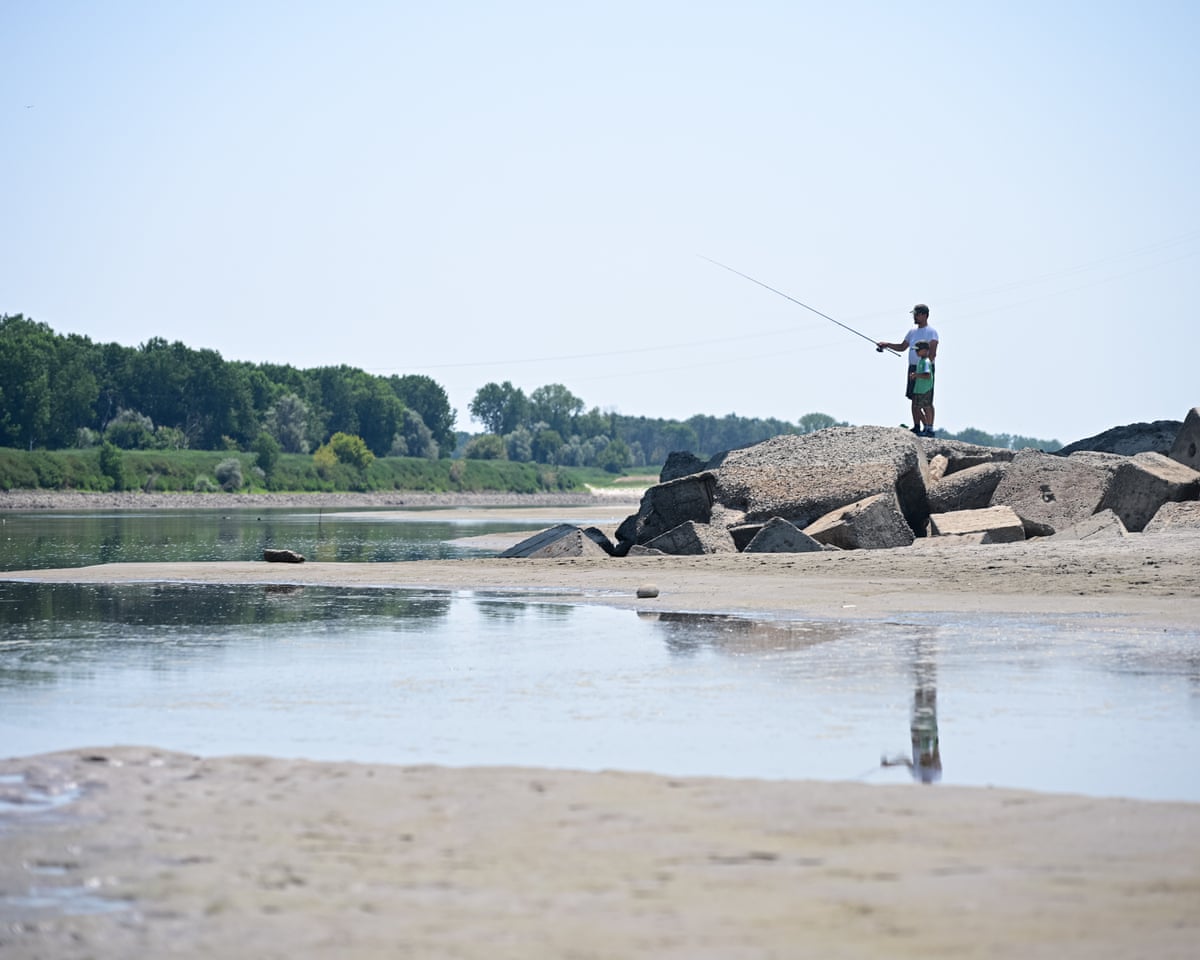
Near Italy’s Po River estuary, clam fishers are struggling with algae blooms caused by the heat, AFP reported.
“On top of all our problems, now there’s this crazy heat, so long, so unexpected,” said Paolo Mancin, head of a fishers’ cooperative, standing in 31°C water.
“Algae form and the clams are dying in large numbers.”

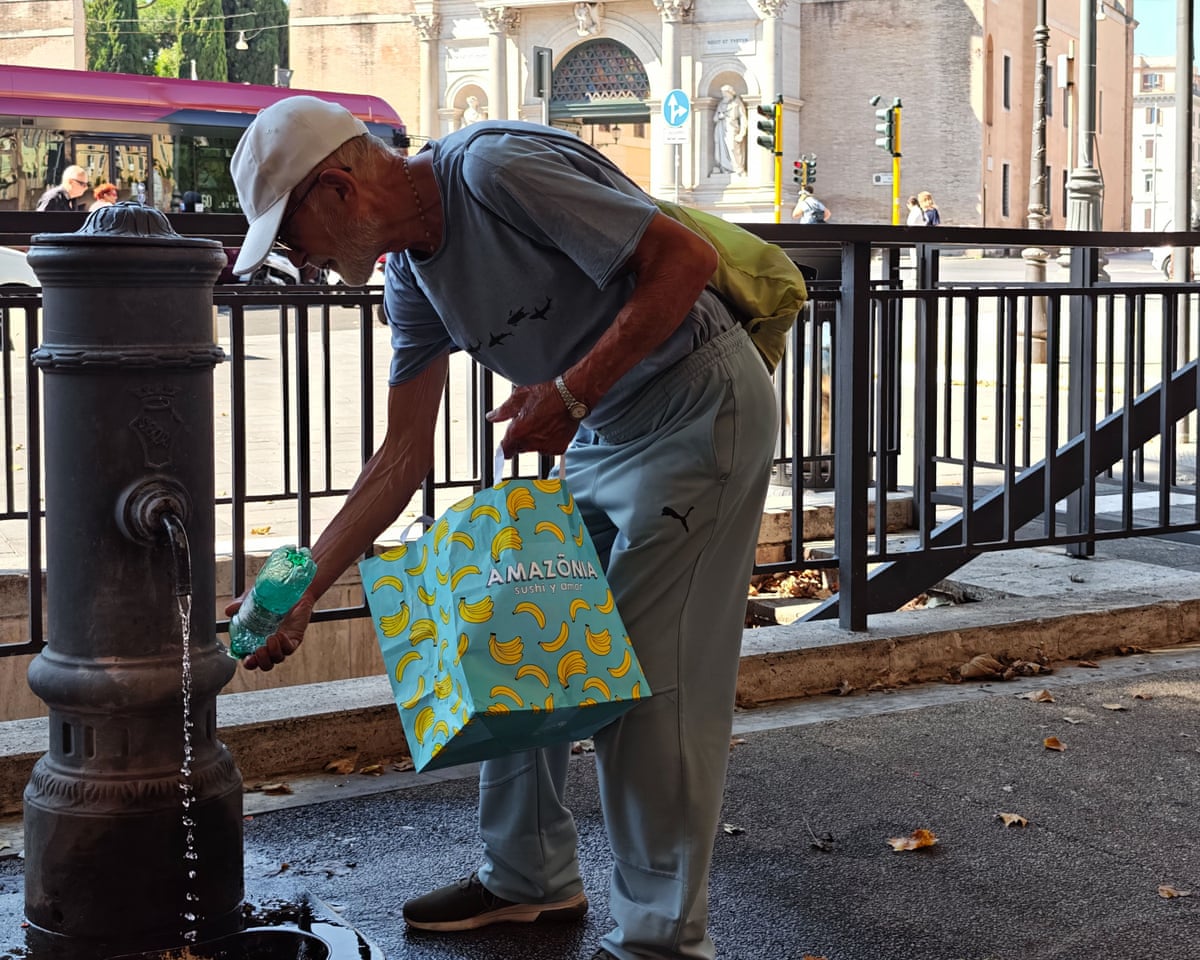
Genoa Joins 18 Italian Cities Under Red Heat Alert; Courts and Cultural Sites Restrict Access
Genoa became the 18th Italian city under a red extreme heat alert, joining cities such as Bologna, Florence, Rome, Turin, and Verona.
Palermo’s courthouse suspended hearings until 29 June, while Florence’s Uffizi Gallery extended a suspension of ticket sales, allowing entry only to those with prior bookings, according to ANSA.
“Due to the exceptional heatwave currently affecting the country (and Florence in particular) access to the Uffizi Gallery will be restricted to those with a pre-booked ticket only until and including Sunday 28 June. We apologise for any inconvenience caused,” the Uffizi Gallery stated.
Germany and Poland Expected to Reach 40°C This Weekend
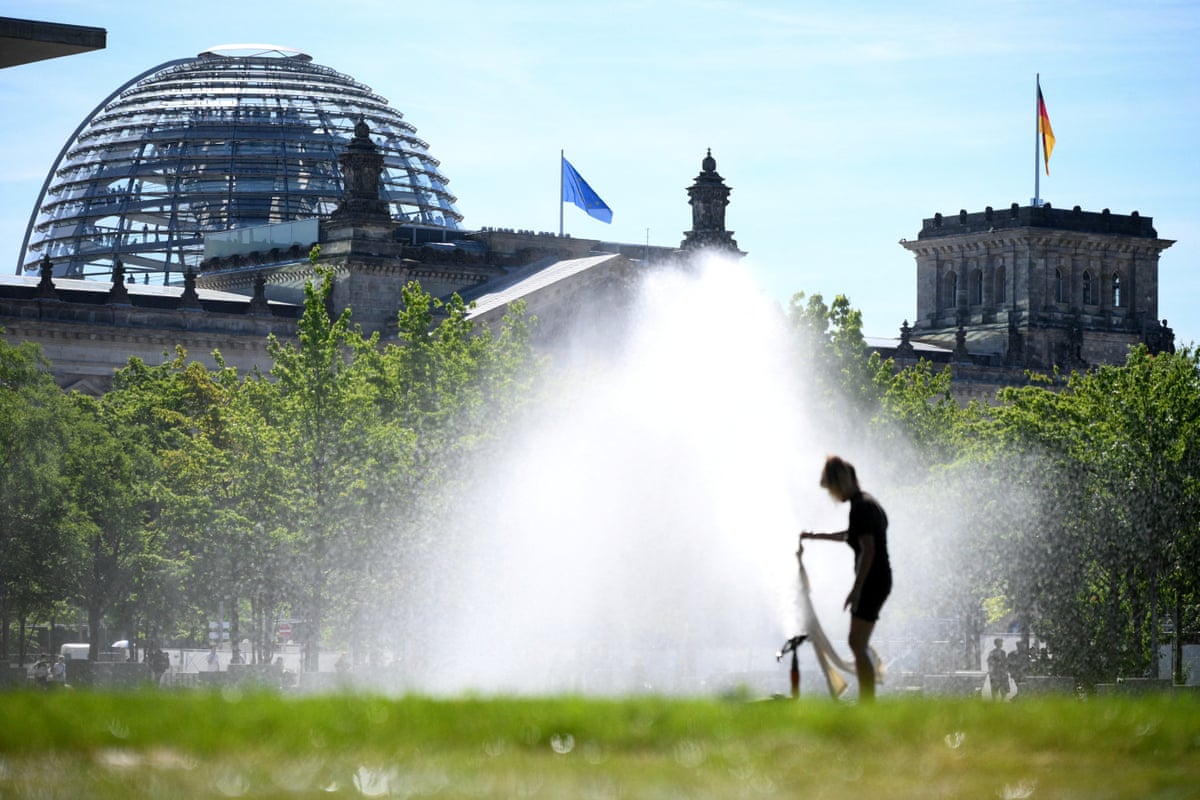
Temperatures are forecast to rise sharply in central and northern Europe this weekend, with Germany and Poland expecting highs of 40°C or more on Saturday and Sunday.
This follows recent extreme temperatures in parts of Europe.
The Austrian Grand Prix in Spielberg, taking place this weekend, has implemented heat protocols, the first race to do so this season. Temperatures during the race are expected to reach the low 30s Celsius, nearly 10°C above the venue’s usual conditions.
Derbyshire Firefighters Combat Large Wildfire
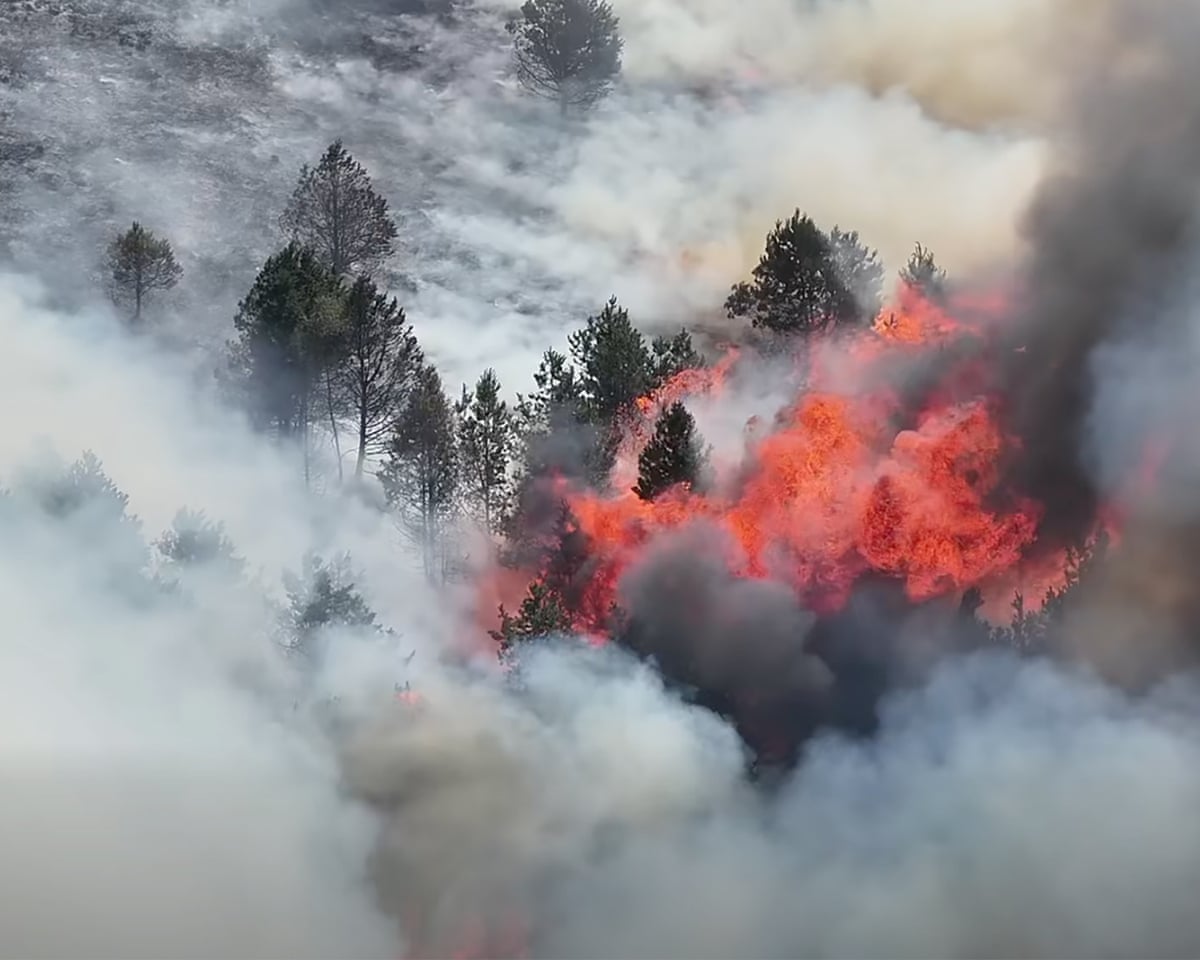
Firefighters in Derbyshire continue efforts to control a large wildfire that has burned over 500 square meters of moorland and woodland on Tintwistle Moor near Glossop.
The fire began Wednesday evening, with crews from Manchester and Derbyshire deploying a water-dropping helicopter and six fire engines on Thursday.
Thick smoke is affecting nearby villages and causing road closures. Residents have been advised to keep windows and doors closed. Ash and smoke are also impacting air quality in parts of Bolton and Greater Manchester.
“The ground is tinder dry and the slightest spark from a campfire, a tiny burning ember from a barbecue, or a flake of ash from a discarded cigarette could soon escalate to a major incident so please act responsibly,” said Derbyshire Fire and Rescue Service.
150 Million Europeans Face Temperatures Above 35°C Today
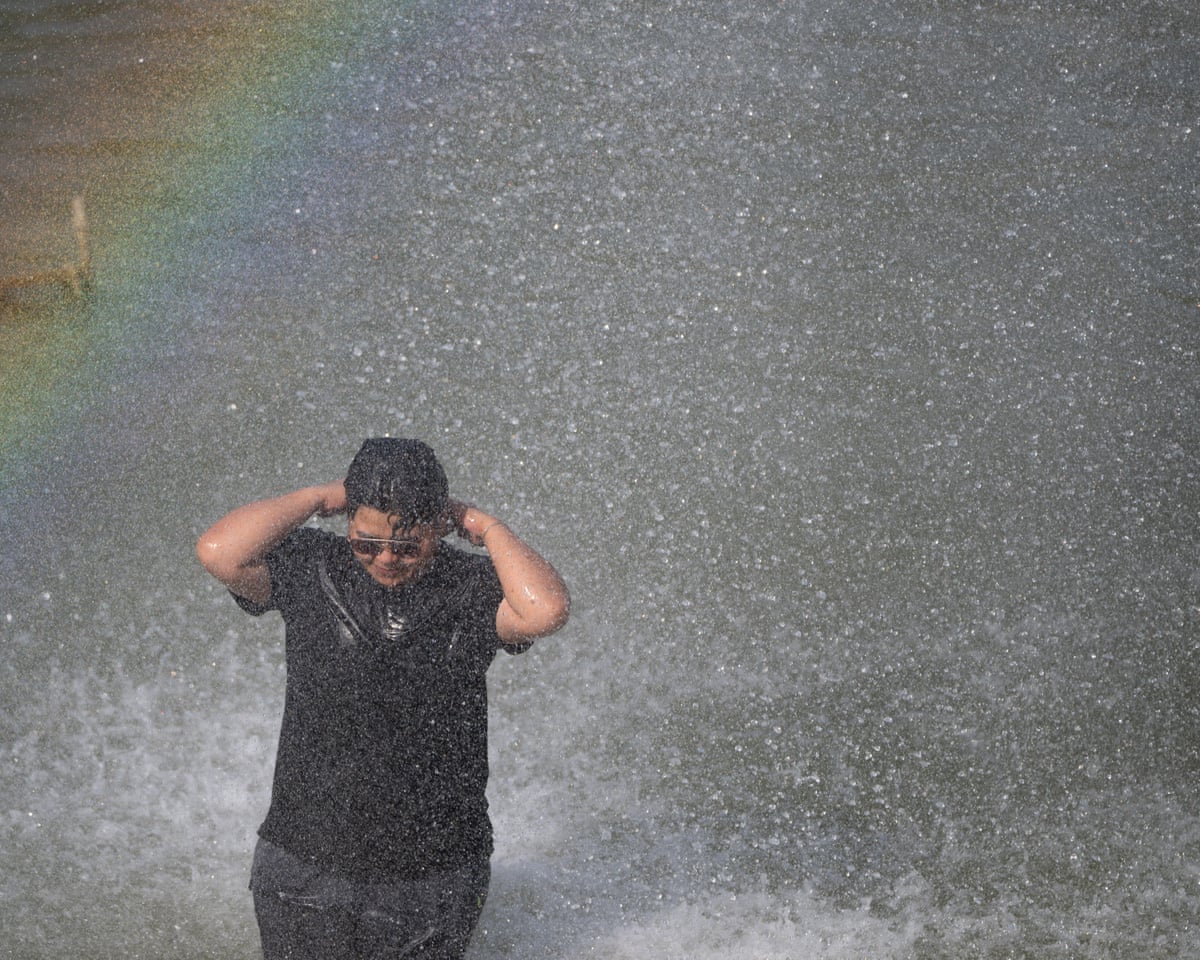
At least 150 million Europeans are expected to experience temperatures exceeding 35°C today, a significant increase from 94 million on Wednesday and 101 million yesterday, according to AFP estimates.
More than 420 million people across Europe, excluding Turkey, will encounter temperatures above 30°C, representing approximately 70% of the population.
Paris Police Request Cancellation of Pride March and Solidays Festival
The Paris police prefect has requested organisers of the Pride march and the Solidays music festival to cancel their events due to ongoing extreme heat.
This measure aims to prevent further health crises as the healthcare system faces unprecedented pressure from the weather.
“While the weather forecast shows no improvement, some large-scale cultural or protest events, such as the Solidays festival, the Pride March, and the athletics meeting at the Charléty stadium, are still scheduled for this weekend.
Despite the adjustments made by the organisers and their efforts to increase their internal first aid capacity, the influx of several hundred thousand people to these events will create a high risk of overburdening a healthcare system already stretched to its limits.
Therefore, considering these factors and in order to concentrate the remaining resources on assisting the most vulnerable, the Prefect of Police has asked the organisers to cancel their events.
Should they refuse, the Prefect of Police will prohibit them by decree.”
Experts Warn Extreme Heat Poses Structural Economic Risks to Europe
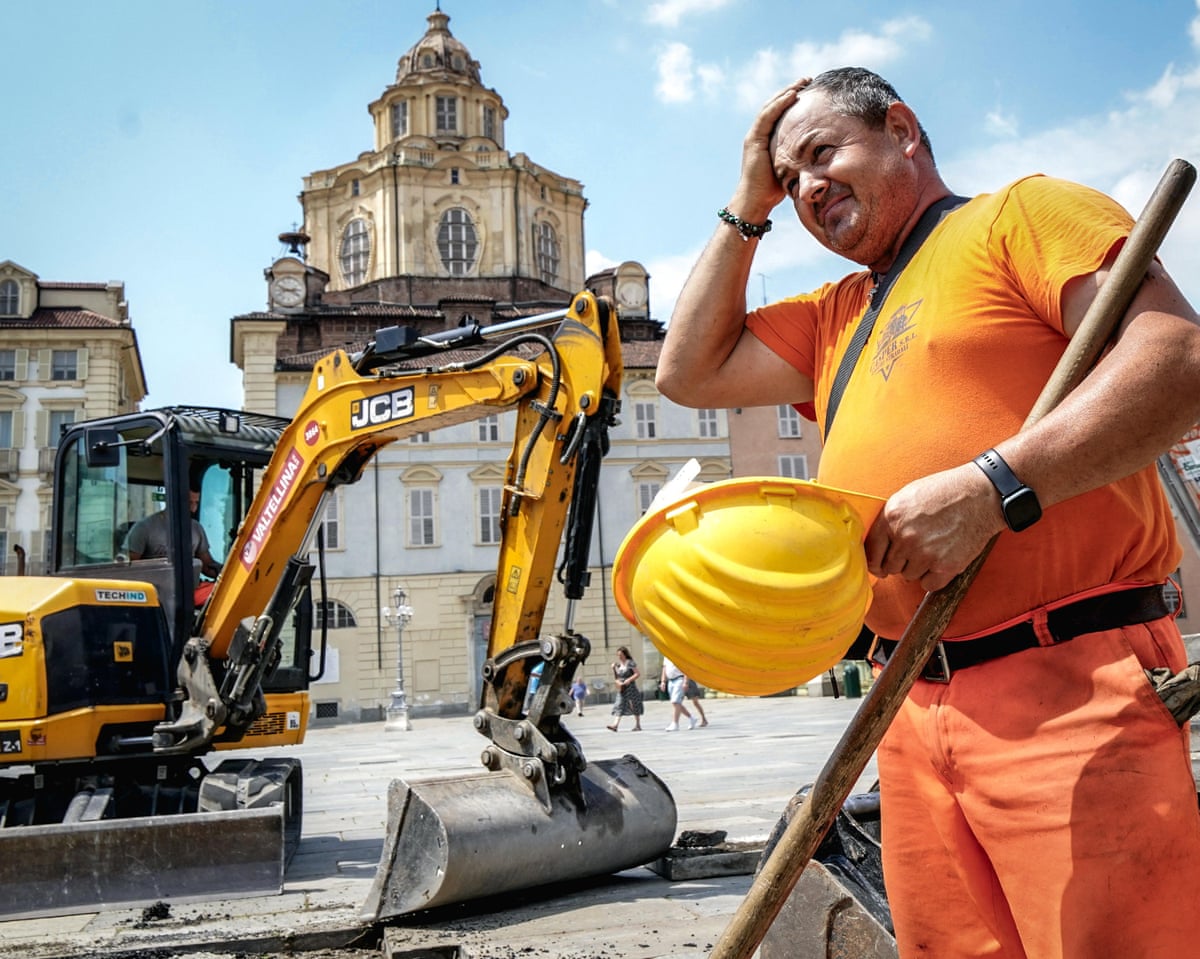
The current heatwave affecting the UK and much of western Europe has caused widespread disruption, including sweltering offices, disrupted commutes, school closures, and hazardous conditions for outdoor workers at risk of dehydration and heatstroke.

There is increasing recognition that frequent extreme heat events significantly reduce productivity and threaten Europe’s already sluggish economies. Economists caution that without adaptation of ageing infrastructure and buildings, economic growth will be adversely affected.
Robert Marks, lead climate economist at Oxford, stated:
“Temperatures in the high 30s and low 40s would likely lead to substantial productivity losses and directly disrupt labour across construction, agriculture, manufacturing, retail and hospitality and other sectors which are unable to provide a protected work environment.”
“These sectors represent 27% of economic activity in the UK and an average of 35% in western Europe. As a result, a four-day heatwave could reduce quarterly labour productivity growth by 1.5 percentage points in the UK and up to two percentage points in the rest of western Europe.”
Research by the International Labour Office indicates agriculture and construction sectors in western, northern, and southern Europe will experience the largest loss of working hours by 2030 due to heat.
Researchers at the European Environment Agency found extreme heat is becoming a “structural economic risk” for Europe. France, Spain, and Italy are among the most exposed economies to heat stress costs; the UK was not included in the study.
Productivity losses intensify sharply above 30°C, while energy costs for cooling machinery and buildings rise simultaneously.
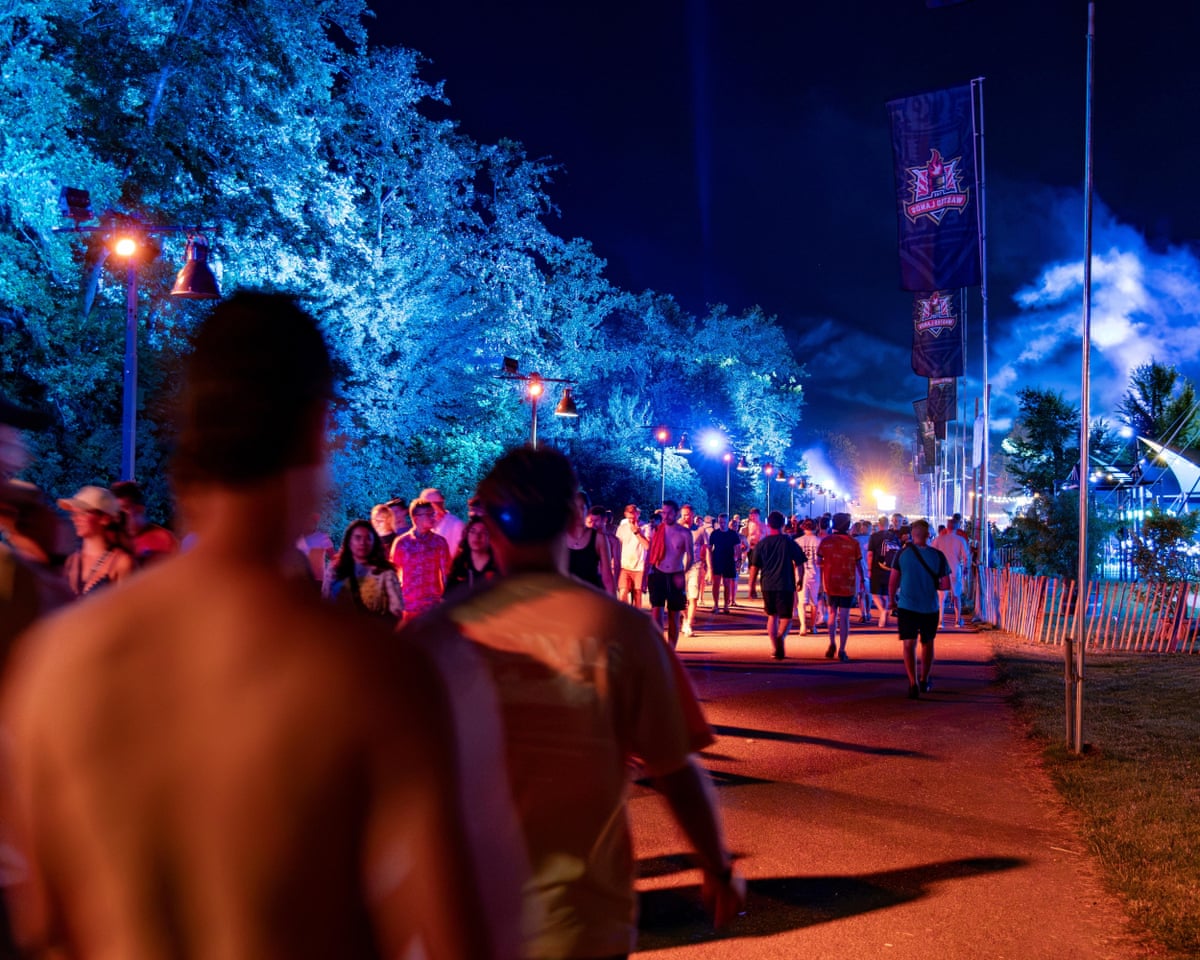
In the Netherlands, the electronic music festival Defqon.1 was cancelled for the remainder of the weekend following the country’s first-ever red extreme heat alert.
“This is the first time the Netherlands has ever issued a code red warning because of high temperatures. Together with the authorities, we are therefore forced to cancel the remaining days of Defqon.1.”
France Reports 55 Heatwave-Related Drownings
France’s sports minister Marina Ferrari reported that 55 people have drowned since the heatwave began, expressing concern that the number could rise as the heat continues.
She noted that two-thirds of drownings occurred in unsupervised or unauthorized swimming areas.
Currently, 61 French departments remain under the highest red extreme heat alert.
As the heatwave moves eastward, Belgium, the Netherlands, Germany, and parts of central Europe are expected to experience more extreme temperatures today.
Forecasts include 39°C in Frankfurt, 37°C in Amsterdam and Bologna, 36°C in Brussels and Geneva, 35°C in Prague and Zurich, and 34°C in London and Zagreb.
Temperatures will peak over the weekend in central Europe, with Berlin expected to reach near 40°C on Saturday, and Prague and Warsaw on Sunday.
Scientists Confirm Human-Made Climate Change as Cause of Heatwave
A study released Friday confirmed that human-made climate change is “unequivocally” responsible for the record-breaking heat in Britain, France, Spain, and Switzerland, while the Netherlands issued its first-ever red heat alert, AFP reported.
The World Weather Attribution group stated such exceptional June temperatures would have been “virtually impossible” 50 years ago.
The study, conducted by scientists from the UK, US, and other countries, concluded that a similar heatwave in June 1976 would have been 3.5°C cooler during the day.
“The chance of a heatwave like this has changed immensely,” said Theodore Keeping, lead author from Imperial College London.
The UK Met Office extended a red heat alert into Friday for a large area of southeast England, marking the first time such warnings have been issued for three consecutive days.
The red warning remains in place until 9pm for London, Oxfordshire, Bedfordshire, Hampshire, and Kent. Amber heat warnings cover a wider area on Friday and extend into Saturday for parts of east and southeast England.
Yellow warnings for thunderstorms are in effect across Scotland, England, Wales, and Northern Ireland on Friday.
Scotland faces a weather warning for thunderstorms and heavy rain throughout Friday, following days of high temperatures. The Met Office recorded 31.2°C at Threave in Dumfries and Galloway on Thursday.
Rainier conditions are expected as weather systems move in from the northwest. The Scottish Environment Protection Agency has issued flood alerts for all areas of Scotland except Shetland.
In France, authorities are preparing for continued intense heat. Paris will implement a ban on public alcohol consumption during certain hours starting at noon, including takeaway alcohol sales, to alleviate strain on overwhelmed hospitals.
At least 48 people have died from drowning in France since the heatwave began.
Germany, Austria, Italy, and Czechia are forecast to experience further temperature increases as the heatwave progresses east and south.
The London Ambulance Service reported its highest number of life-threatening emergencies ever on Wednesday, with a 50% increase compared to a typical June Wednesday and a 30% rise in cardiac arrests.
Chief Operating Officer Craig Harman expects demand to grow daily over the next few days and urged the public to stay hydrated and drink responsibly ahead of England’s World Cup match against Panama.
In Paris, cardiac arrest callouts increased fourfold, and Italian reports indicated five heat-related deaths on Wednesday.