Patients in England living with a specific form of incurable breast cancer can now obtain Enhertu through the NHS, marking a reversal of a decision made two years earlier when the drug was judged to represent poor value for money. The medication can extend survival by nearly seven months on average, with some patients living up to three years longer than they would without treatment.
From Thursday onwards, physicians in England have been authorised to prescribe the drug for patients with HER2-low metastatic breast cancer. Wales is anticipated to follow in the near future, though the guidance does not automatically extend to Northern Ireland. Women in Scotland have had access to Enhertu through the NHS since 2023, and the treatment is already available across 26 other European nations.
The reversal follows sustained pressure from patient advocacy groups and charities since 2024, when the National Institute for Health and Care Excellence (NICE) determined that Enhertu failed to meet cost-effectiveness criteria. According to reports published on 16 September 2026, England has now reached an agreement to make the drug available after the earlier impasse over pricing.
Health Secretary Yvette Cooper commented on the development:
Enhertu can be life-changing, and this recommendation means NHS patients will finally be able to benefit from it. It is a tribute to the campaigners and charities who never stopped pressing for this.
The decision will benefit approximately 1,000 women annually who have been diagnosed with HER2-low breast cancer. Breast Cancer Now, a leading charity in the field, acknowledged that campaigners' determination had ultimately succeeded, yet noted that thousands of patients had been denied access during the delay and many had died as a result.
Why did NICE change its mind?
The primary driver behind NICE's reversal was a trade agreement between the United Kingdom and the United States, concluded in December 2025, under which the UK government committed to spending 25% more on medicines. As part of this arrangement, NICE resumed discussions with the companies and NHS England under a higher cost-effectiveness threshold introduced following the trade deal announcement.
The organisation increased the upper threshold for how much the NHS will pay for every additional year of good quality life a medication provides—a measure known as a QALY (Quality-Adjusted Life Year)—from £30,000 to £35,000. Additionally, at the end of August, NICE introduced a more refined methodology for assessing patient quality of life. These two modifications proved sufficient to alter the cost-benefit calculation in Enhertu's favour.
The BBC understands that Daiichi Sankyo and AstraZeneca, the drug companies involved, have not substantially reduced their prices since the initial rejection. Patient campaigns for Enhertu and other treatments are believed to have contributed to the reconsideration as well.
What was the original rejection?
NICE first concluded in March 2024 that Enhertu was not recommended for advanced HER2-low breast cancer following chemotherapy, after commercial negotiations failed to produce an acceptable price point. The organisation subsequently stated that the pharmaceutical companies had declined to offer pricing that would render Enhertu cost-effective for the NHS, describing it as the first breast cancer treatment the body had been unable to recommend in six years.
Who are the patients affected?
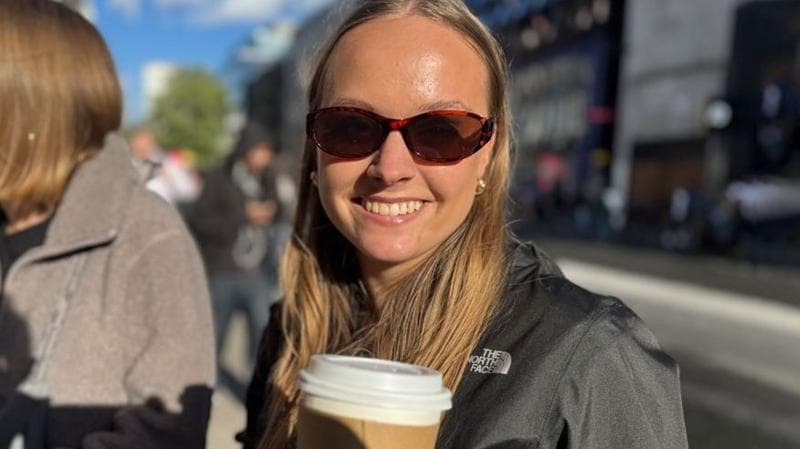
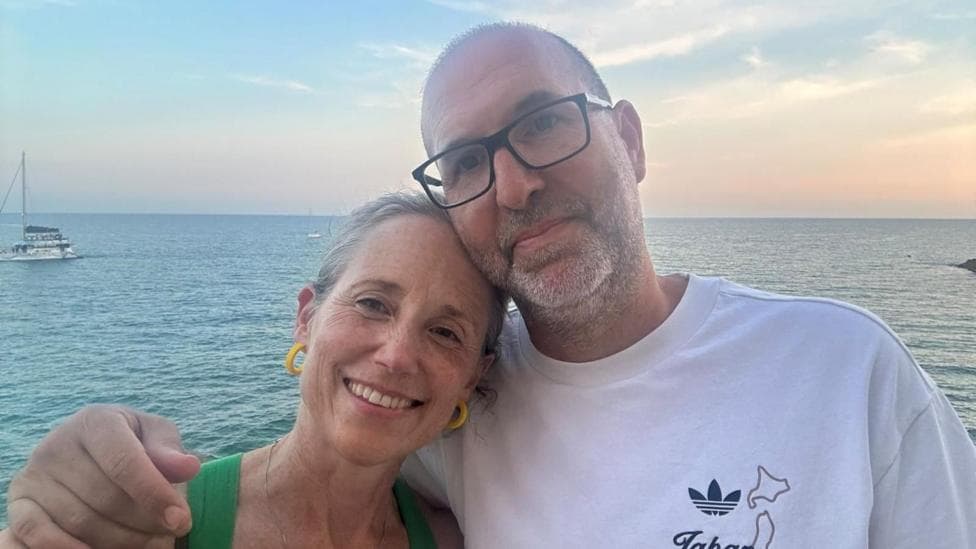
Kate Wills, 51, has HER2-low metastatic breast cancer that has spread to her bones and lungs. Despite her terminal diagnosis, her outward appearance and lifestyle reveal little of her condition. She maintains a demanding professional role, is married with teenage and early-twenties children, and her social media presence reflects an active and fulfilling life, with only occasional medical appointments hinting at her underlying illness.

Kate described the period before access became available as
incredibly painfulto know that a drug capable of extending her life existed but remained beyond her reach. Upon learning that Enhertu would become available on the NHS, she became emotional:
I really can't believe it. I'm so relieved, I'm overjoyed. It's so hard keeping hope when you have stage four cancer. This gives me enormous hope.
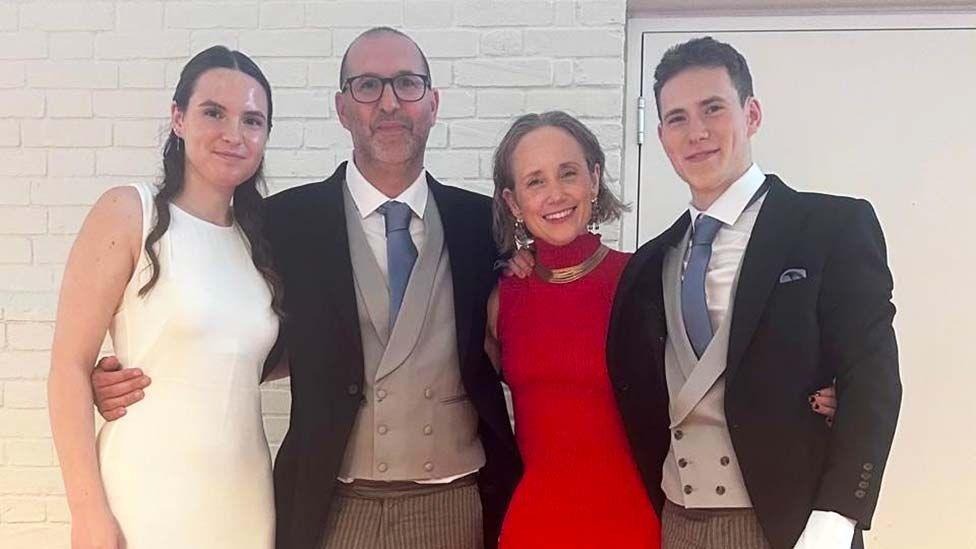
Her children are in their teens and early twenties. Kate has previously focused on remaining alive long enough for her youngest to complete secondary education. The availability of Enhertu has shifted her aspirations:
Now I've just dared to dream that I might be around to see them fall in love, to get married.
For Kate, the news carries mixed emotions. Her immediate thoughts turned to
those women, my friends, who didn't get this in time.
Who missed out on the drug?
Jeannie Ambrose was one patient who did not live to see Enhertu become available. Two years ago, at age 53, she spoke to a national broadcaster about her situation. She stated:
I'm not ready to die yet. I want to stay alive, I want to keep living. I should be concentrating on enjoying time with my family and friends. I should not be campaigning, using the time I've got left to fight.
Jeannie died in January 2026. Kate believes her friend would have been
thrilled but also angry at how long it's taken and how rejected we've felt.
Claire Rowney, chief executive of Breast Cancer Now, acknowledged the bittersweet nature of the breakthrough:
Today we can finally say we did it.However, she added:
we can't celebrate this momentous decision without remembering the devastating cost of this delay.
The charity has called on the government, NICE, NHS England, and the pharmaceutical industry to collaborate in reforming what it describes as a broken system, ensuring that patients with incurable metastatic breast cancer are not forced to expend precious months and years campaigning for treatments that could extend their lives.
What do the regulators and companies say?
Helen Knight, director of medicines evaluation at NICE, expressed satisfaction that a
commercial solutionnow permits the treatment to be made available on the NHS in England. She acknowledged, however, that the decision
comes too late for many families.Knight emphasised NICE's role in ensuring that NHS expenditure on new medicines reflects the benefits they deliver while safeguarding health resources for other essential services.
Daiichi Sankyo and AstraZeneca have welcomed NICE's decision. AstraZeneca has called for
strong collaborationacross the healthcare system to ensure
faster, more equitable patient access in the future.
What happens next?
NICE's guidance on trastuzumab deruxtecan for HER2-low metastatic or unresectable breast cancer was last reviewed on 25 July 2024 and will be reviewed again if new evidence is likely to change the recommendation. The organisation has indicated it stands ready to review the guidance once more should the company present a new evidence package or commercial offer.
For Kate, the prospect of accessing Enhertu represents a fundamental shift in her outlook. The thought of dying prematurely
when there was a drug that I just could almost reach but couldn't gethad been
so incredibly painful.She concluded:
To know that I can get it now is absolutely everything.