
Chloe's Difficult Choice
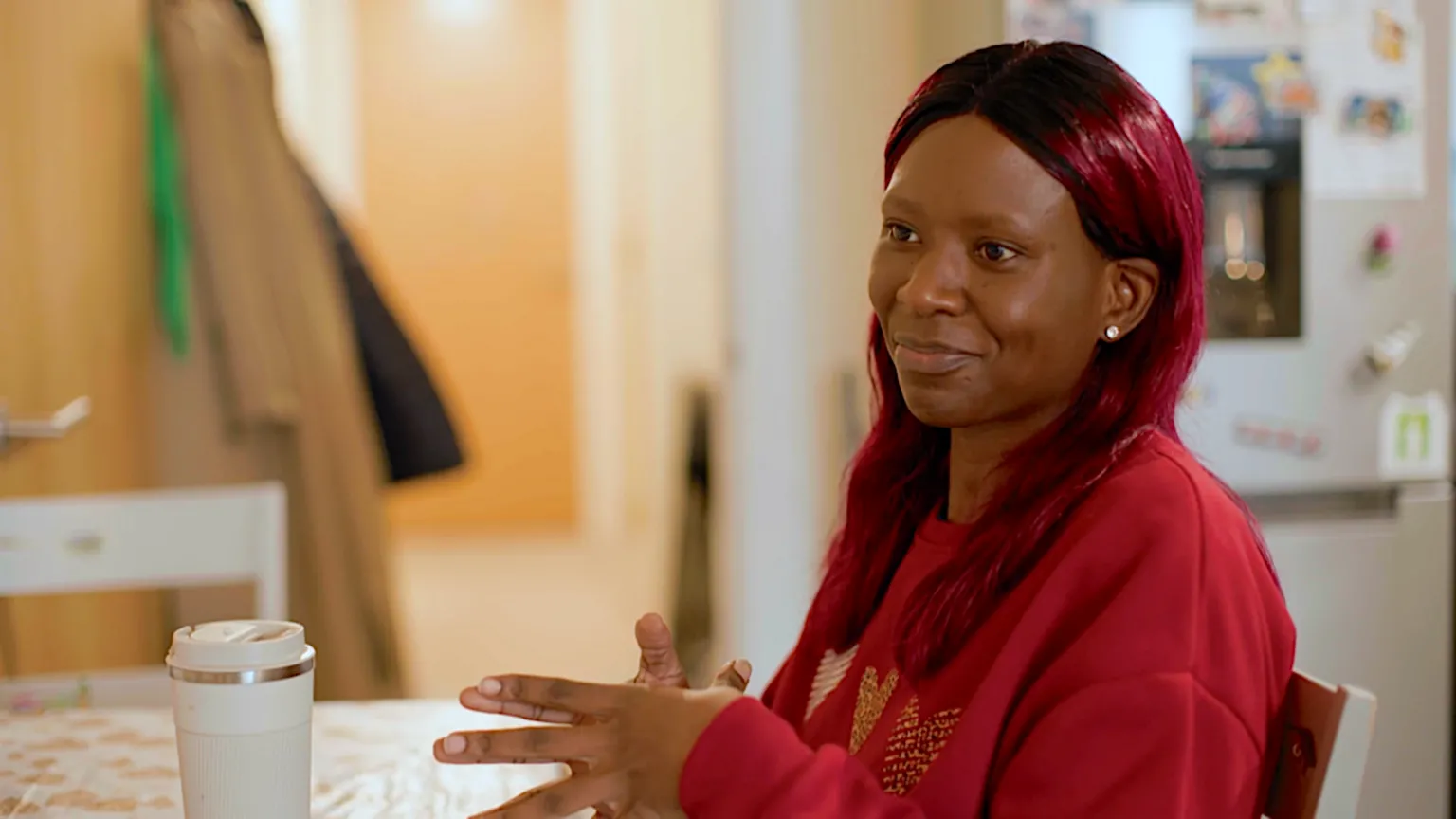
Chloe is facing one of the most challenging decisions a woman can encounter. After a previous surgery failed to alleviate the severe pain caused by her endometriosis, she plans to undergo a hysterectomy at just 26 years old, which will involve removing her womb and ending her chances of having children.
"I'm at the point now where I would not be able to look after a child. It wouldn't be fair. I just want everything out,"she shared from her home in Edinburgh, fighting back tears.
"I know it's not a cure but I need to have a better quality of life."
Chloe is among the women I met during six months of traveling across the UK to investigate how endometriosis affects women's lives for the documentary Emma Barnett: Fighting Endometriosis.
This experience strengthened my conviction that this invisible disease, which affects one in 10 women of reproductive age yet remains largely hidden, is a silent medical emergency demanding urgent attention from doctors, researchers, and policymakers.
Understanding Endometriosis
A common misconception is that endometriosis is merely a painful period condition. However, it is a systemic inflammatory disease. Cells similar to those lining the womb begin growing in other parts of the body, such as the bowel or lungs, multiplying and creating inflamed, raw lesions.
These lesions, triggered by menstrual cycle hormones, thicken and bleed monthly, causing inflammation and scarring in surrounding tissues. Symptoms vary depending on lesion location and affected organs, but the defining feature is intense, debilitating pain.
"I've always got some form of deep ache, then I get these flare-ups where I feel I can't speak, I can't sleep, I can't eat, I can't do anything. It is horrendous, there is nothing that will ever, ever compare,"Chloe explained.
Dame Hilary Mantel described her experience living with endometriosis, stating,
"Anything I have achieved has been in the teeth of the disease."The late author’s choice of words resonates deeply with me as I endure my own struggles.
Diagnosis Delays and Personal Stories
I was diagnosed with endometriosis ten years ago, just before beginning work at the BBC, after my husband and I struggled to conceive naturally. Yet, I had sensed something was wrong since age 10 when my menstrual cycle began. It took 21 years to receive a diagnosis.
In the UK, the average diagnosis time is nine years and four months, according to a survey of over 3,000 women conducted by Endometriosis UK. For women from ethnic minority backgrounds, this period extends to 11 years.
Madalitso, who moved to the UK from Malawi at age 13, waited 25 years for a diagnosis. Her symptoms began at age 10 with her first periods. At one point in her late teens, doctors removed her healthy appendix, mistakenly believing it was the source of her pain.
She is now scheduled for further surgery aimed at excising or destroying endometriosis tissue.
"The main thing I want is just a relief of pain. It's like getting my life back,"she told me.
Beyond Diagnosis: The Ongoing Struggle
While lengthy diagnostic delays are frustrating, many reports focus solely on this aspect and medical misogyny. Having read and watched many such accounts, I know that diagnosis is only the beginning of a difficult journey. The causes of endometriosis remain unknown; no definitive understanding exists about how or when it develops in the body.
Currently, there is no cure for this disease, which affects over 176 million women worldwide, according to Endometriosis UK. The situation is especially dire for women in developing countries with limited healthcare access. The disease also impacts families and loved ones who witness the suffering and feel helpless.
Surgery can reduce pain for some, but for others, relief is temporary or absent.
Chloe’s Experience with Treatment and Impact
Out of desperation, Chloe crowdfunded to have her previous surgery abroad due to long NHS gynecology waiting lists—almost 750,000 women are on such lists in the UK, according to the Royal College of Obstetricians and Gynaecologists.
Endometriosis has profoundly altered Chloe’s life since childhood. She transitioned from being highly active to barely able to perform daily activities due to pain.
Doctors hoped surgery would provide about five years of relief, but signs soon showed the disease had returned extensively.
The young woman I met moved slowly around her home, living a restricted life, frequently using heat pads to ease pain and cramps. She is now preparing for further surgery to remove her womb.
Endometriosis can severely limit choices. It is a thief—sometimes stealing openly by disrupting plans and work, other times quietly eroding relationships and personal well-being.

Challenges in NHS Care and Policy
Chloe must navigate her own path to obtain care. Although the NHS has guidelines for managing endometriosis, the disease’s complexity and varied manifestations mean no standardized treatment plan or care timeline exists.
This contrasts with chronic conditions like dementia and diabetes, which have specific NHS pathways for diagnosis and management. Over 1.5 million women in the UK live with endometriosis, according to Endometriosis UK, compared to just under a million with dementia. However, charities and experts believe the actual number is higher due to underdiagnosis.
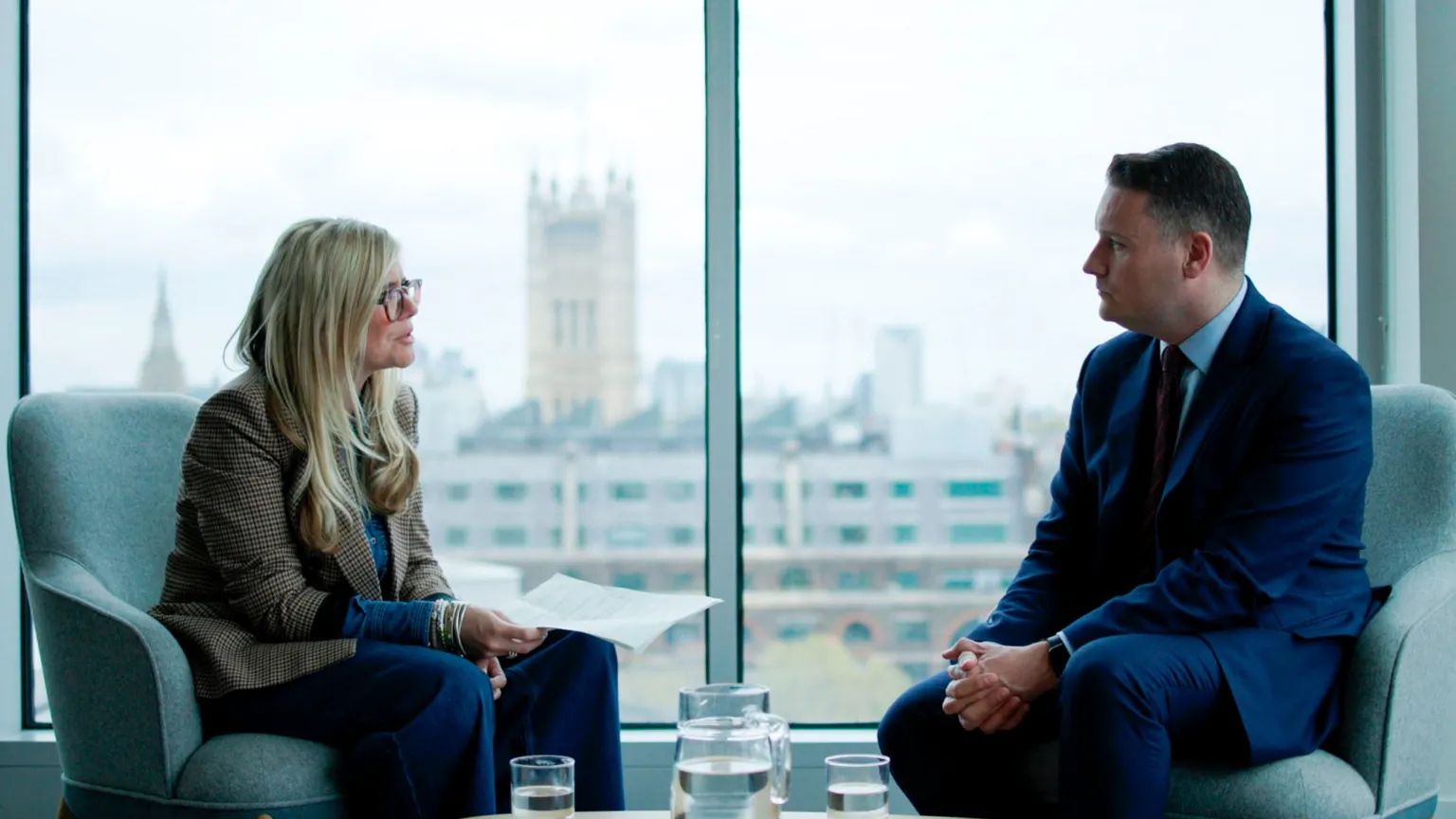
I raised the absence of an NHS pathway with then Health Secretary Wes Streeting shortly before his resignation. He expressed surprise that such a pathway did not exist.
"Yes, that should already exist. It should, and I accept that,"he said.
A Department for Health and Social Care spokesperson stated the government is committed to accelerating diagnosis, prioritizing research into women's health, and redesigning patient pathways for pelvic pain and endometriosis to reduce repeat appointments, unnecessary referrals, and long waits.
Streeting also promised to investigate the lack of dedicated funding for endometriosis research after I cited national action plans in Australia and France.
"There is more money going in, but I take up your challenge that there needs to be more of a dedicated focus,"he acknowledged.
Economic and Personal Costs
Dr. Lucy Whittaker, an endometriosis researcher at the University of Edinburgh, told me the condition costs the economy £12.5 billion annually due to lost work and healthcare expenses. She estimates that one in six women with endometriosis in the UK eventually leave the workforce permanently because of its impact.
While endometriosis may not be fatal, for many women it represents a living death. They are unable to work, maintain relationships, care for children (if they can have them), or simply exist peacefully in their own bodies.
Women must often plead with doctors to believe their symptoms and assemble their own care teams to manage a disease that has eluded the world’s best medical minds. Even those treated at rare specialist centers face ongoing uncertainty about the best course of action.
The Need for Research and Support
Women with endometriosis seek proper care, but doctors require answers. This necessitates increased research focus through ambitious projects and dedicated funding until the disease’s mysteries are solved.
We cannot allow women to continue living within the relentless grip of this debilitating disease.


