

Community Care for Vulnerable Adults in Northern Ireland
James Patton, aged 39, lives independently in his own home with continuous support from a dedicated team of specialist carers.
The care of vulnerable adults in Northern Ireland gained renewed attention following the publication of the Muckamore Abbey Hospital Inquiry report.
Questions remain about the optimal approach to caring for vulnerable adults.
James, who has complex needs, has thrived since transitioning from Muckamore to community living, according to his parents.
The Department of Health reports that over 1,200 adults with learning disabilities in Northern Ireland receive care packages, encompassing both community-based and residential care.
Several charities in Northern Ireland offer supported living arrangements for adults with learning disabilities, including individuals formerly residing at Muckamore. One such organization is Positive Futures, which manages James's accommodation.
Agnes Lunny, Chief Executive of Positive Futures, emphasized the importance of recognizing that individuals with learning disabilities are equal citizens.
"We need to understand people deserve to have a life, and that life needs to be in the community."
"We need to move away from crises and instead support families early to ensure people can live well in their own communities."
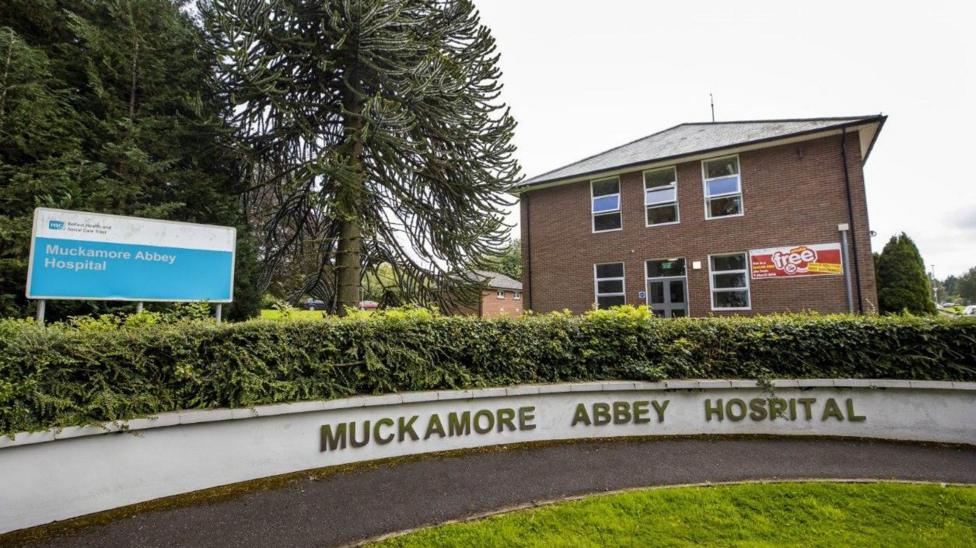
What is Muckamore Abbey?
Muckamore Abbey Hospital, located in County Antrim, opened in 1949 and served as a regional center for adults and children with severe learning and mental health disabilities.
In 2017, a police investigation was initiated following allegations of ill-treatment at the hospital.
The public inquiry, which began in June 2022, examined events from December 1999 to June 2021.
At the time the final report was published last week, only one patient remained at the hospital, which is scheduled for closure.
Between November 2017 and 15 June 2026, a total of 116 patients from Muckamore underwent the resettlement process.
The report clarified that abuse did not affect every patient or staff member, nor was it perpetrated by a majority of staff.
James Patton's Experience
James's home is decorated with family photos, his DVD collection, and board games. He enjoys playing football and having picnics in the park.
Although James spent five years at Muckamore, he was not part of the inquiry and has been receiving community-supported care since 2007.
His parents, Pam and Ronnie Patton, stated that James wanted to leave the hospital with them and that his current living arrangement has improved his happiness.
"Leaving him in this accommodation is different - he is happy," Pam said.
"His staff know his wants and needs, his routines and on certain days he gets a takeaway, he goes for drives and walks, he has a quality of life," Ronnie added.
Aaron, a member of James's care team, noted their collaborative efforts to support James.
"We set goals for James, including his fitness. We are making a difference and that feels good," he said.
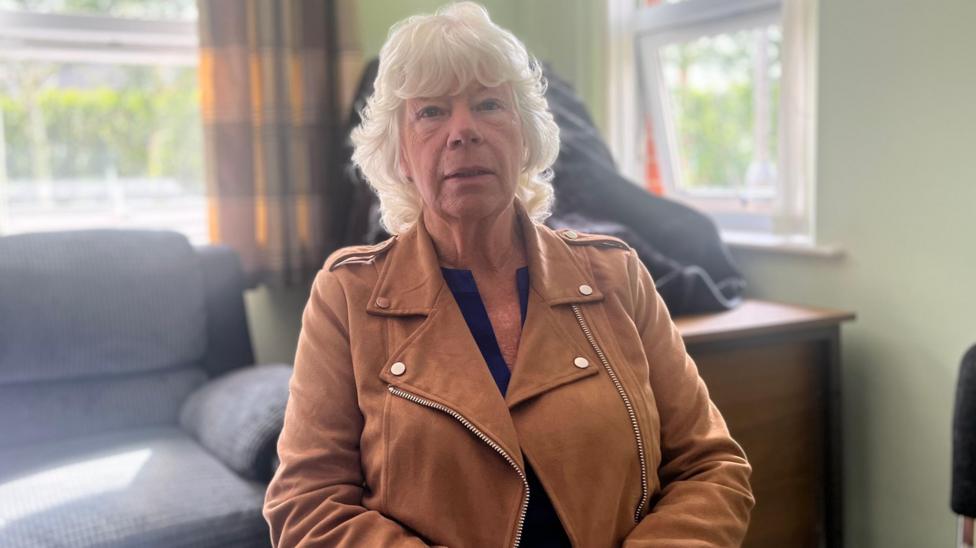
Timothy Jones' Transition
Timothy Jones, aged 31, who has complex needs and is non-verbal, lived at Muckamore for nine years before being resettled in 2025.

He now resides in his own home with a support team of three carers, including Tobias Stewart.
Tobias described Timothy as confident and trusting of his staff.
"It's been great to see. This is his home - he is comfortable, he can go to the kitchen when he wants to make a cup of tea and to make the rest of us a cuppa."
Tobias acknowledged Timothy's challenging behaviors as a form of communication due to his non-verbal status.
"It's not his fault he is non-verbal and it's his way of communicating something. He loves McDonald's and the beach, and we take him to where he wants to go - it's great and there is banter and laughs."
Timothy's mother, Dawn, noted that while he still experiences outbursts and complex behaviors, his life is significantly calmer and happier.
"He looks more in control of his environment," she said.
Positive Futures and Community Living
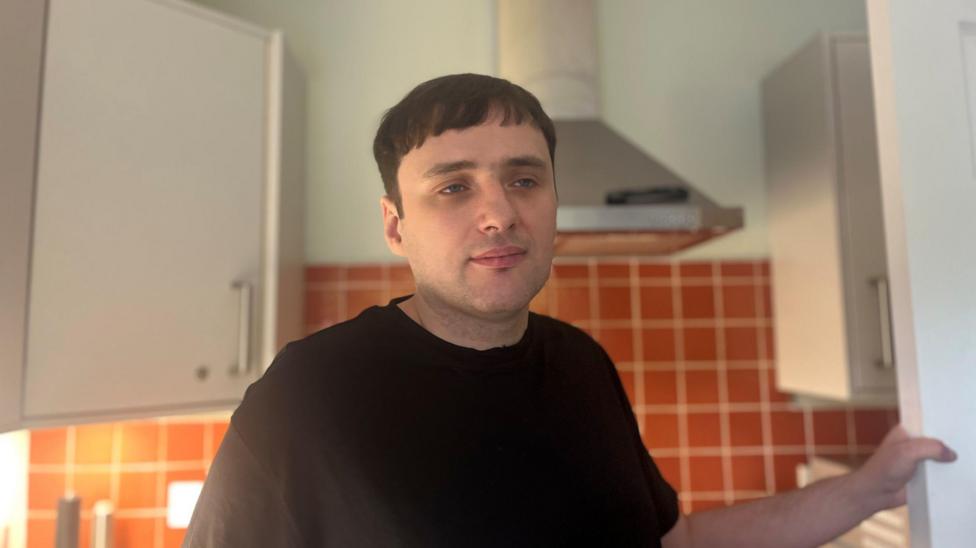
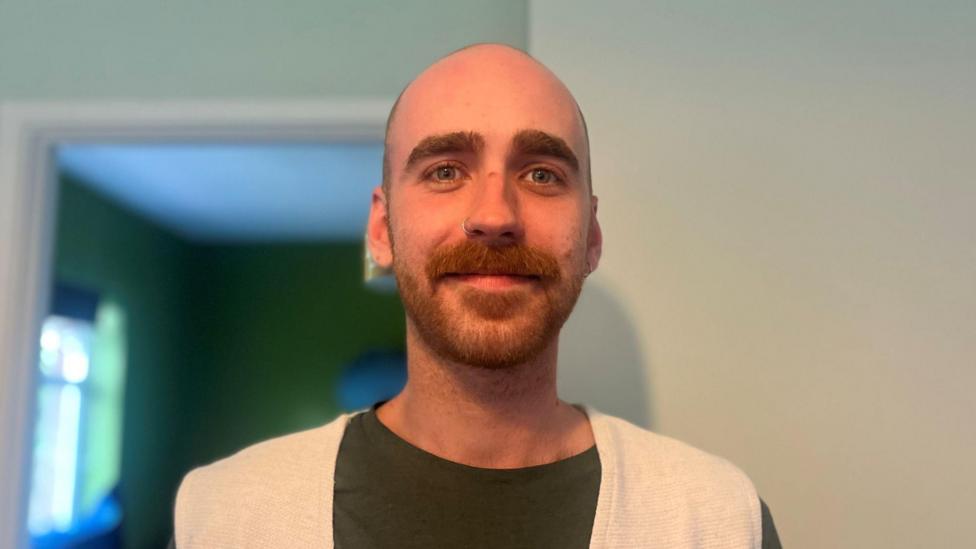
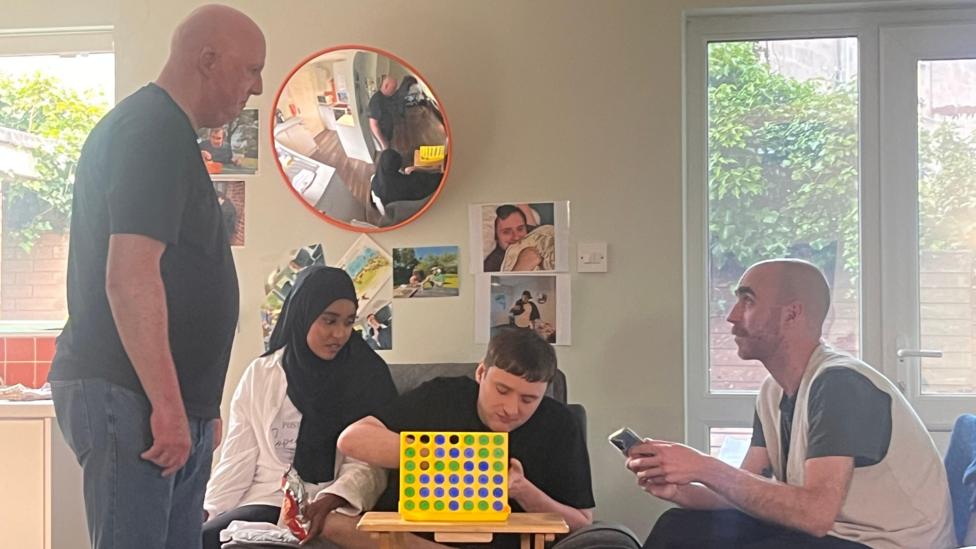
Both James's and Timothy's homes are managed by Positive Futures, which supports individuals with learning disabilities, acquired brain injuries, and autism.
Their parents affirm that with appropriate support, individuals with complex needs can live independently within the community.
James, though non-verbal, communicates through high-pitched noises and gestures to indicate his preferences, such as selecting DVDs or requesting items in the kitchen.
He retreats to his bedroom for personal time.
Pam highlighted the importance of routine and familiarity in maintaining James's calm demeanor.
The care team shares photos of outings and activities to keep families informed.
"His mischievous personality shines through, when he wants us to leave, he waves," Ronnie said.
"One time he prompted us to go by getting Pam her coat - we all laughed and that was nice."
Resettlement Process and Challenges
Positive Futures has assisted in resettling 24 of the 116 patients relocated from Muckamore.
Some adults continue to reside in hospital settings outside of Muckamore.
The resettlement process faced criticism for poor planning, delays due to insufficient community resources, and inadequate investment.
Many relocated patients experienced placement breakdowns and required readmission, while others remained in hospital due to a lack of suitable housing options.
Deadlines for moving all patients out of Muckamore were missed multiple times.
According to the latest Department of Health statistics, over 12,000 care packages are active in Northern Ireland, with 97% provided by the independent sector, including charities.
The majority of these packages serve elderly individuals. Of the 10% (more than 1,200) designated for adults with learning disabilities, 52% involve nursing care packages, while 48% are for residential care.
Care packages are funded by Northern Ireland's health and social care trusts, with costs varying by individual case, primarily driven by staffing expenses.
- Vulnerable patients' lives made 'miserable' by abuse, Muckamore inquiry finds
- What happened to our daughter in that hospital?
- Trust apologises over impact of abuse at Muckamore Abbey Hospital


