

Conditions in North Wales A&E Units Compared to Developing World Hospitals
Jon Osborne, a former surgeon and campaigner, has stated that the standard of care in some accident and emergency (A&E) units in North Wales is worse than that provided in hospitals in the developing world.
Osborne, from Conwy and a former health service surgeon, reports that many patients are treated in corridors without dignity or respect.
He leads the BEDS campaign, which calls on the North Wales health board and the Welsh Government to increase capacity in community hospitals to alleviate pressure on wards in North Wales hospitals.
The Betsi Cadwaladr University Health Board acknowledged that the situation for some patients is unacceptable but stated that significant work is underway to improve experiences in A&E units.
Patient Experience Highlights Pressure on North Wales A&E Units
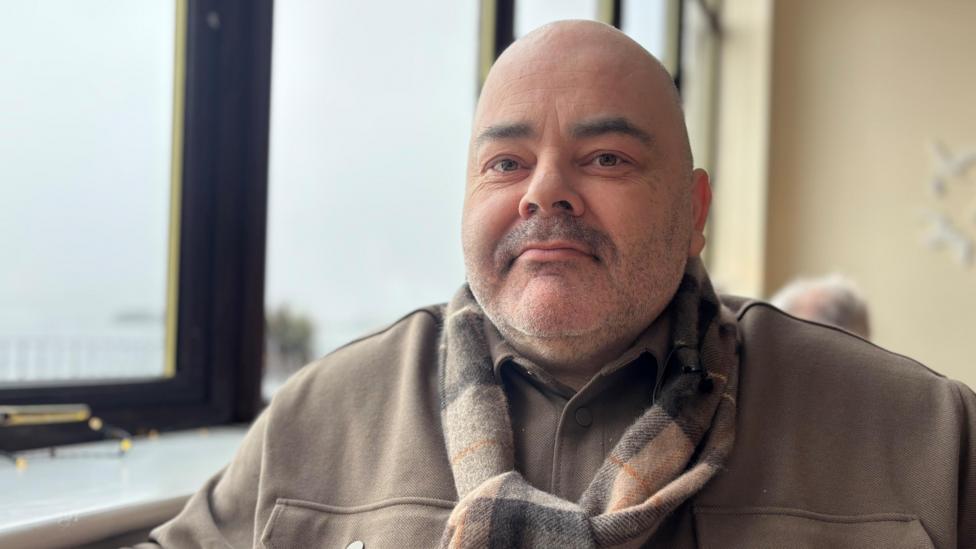
Gavin Borrough described spending 24 hours in an A&E unit as feeling "like a week".
Recent figures show that the North Wales health board has the longest waiting lists in A&E units, with 18.4% of cases waiting more than 12 hours.
In November 2025, Gavin Borrough from Trawsfynydd had to wait a long time for treatment after suffering stomach problems.
"It was a terrible experience because you sit on a chair in great pain, thinking you might die in a way, that's why you're in A+E because you're seriously ill," he said.
"Being left on a chair with no one telling you what was happening or how long you would wait, no reassurance in any way.
"24 hours feels like a week."
Extended Waiting Times and Overcrowding in A&E
By the time he was moved to a ward, Gavin had spent 42 hours in the A&E unit and noted that many others were in similar situations.
"Every space was being used; as you walked through the door, you saw queues in the corridor, people sitting in chairs and people everywhere," he added.
After raising concerns on social media, Mr Borrough was invited to meet with a health board manager to discuss his worries, but he feels lessons have not been learned.
"There is a difference between the policies they promise and the patient experience."
Concerns Over Patient Safety and Dignity
Jon Osborne, a former surgeon at Glan Clwyd Hospital who has also worked abroad, is a vocal campaigner for improvements in emergency care in North Wales, describing the current situation as unacceptable.
"There have been tragedies with patients dying unnecessarily or developing disorders and being kept in dreadful conditions in corridors where access to toilets is difficult and they are not protected," he said.
"I have worked in the developing world and sometimes the situation there is better than it currently is in A&E units here in North Wales."
Calls for Increased Community Hospital Beds and Experienced Staff
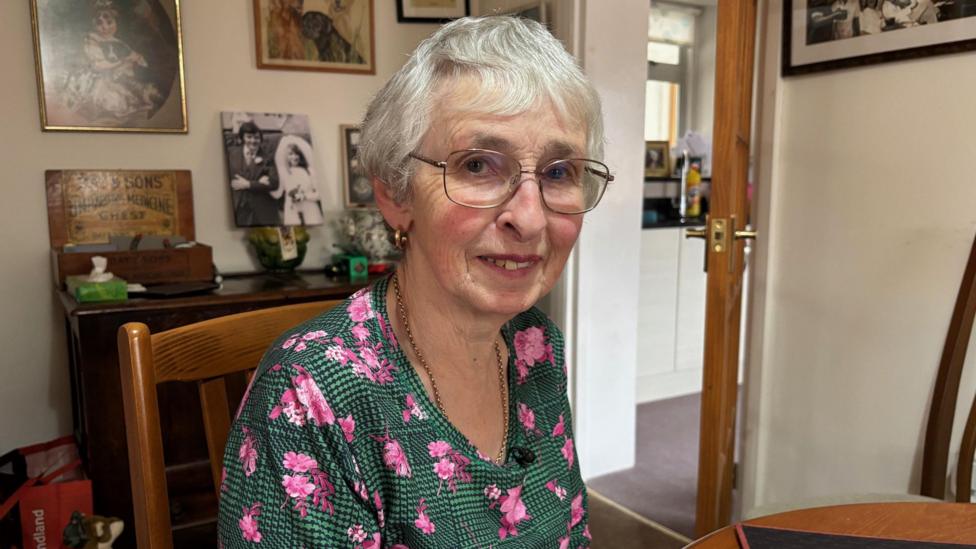
Hearing stories about challenges in A&E units is "heartbreaking" for former nurse Mair Dowell.
The BEDS campaign urges the health board to open more beds in community hospitals to ease pressure on general hospital wards.
They also call for more experienced doctors to work in A&E units to facilitate earlier and easier identification of patients needing urgent care.

Mair Dowell, a former nurse from St Asaph and a member of the campaign, also calls for improvements.
Ms Dowell worked at Glan Clwyd Hospital from its opening day until 2017 and identifies bed shortages as one of the biggest challenges facing the health board.
"There are so many older people in this area reaching retirement age, but it's not just that; there are others who want to go home but community care is not there," she said.
She added that seeing headlines and stories about concerns over care "breaks her heart."
Local Authorities Declare Health Emergency
In January, Conwy Council followed Denbighshire Council in declaring a health emergency and called for improvements and an end to the practice of treating patients in corridors.
Responding, Tehmeena Ajmal, Chief Operating Officer at Betsi Cadwaladr University Health Board, said that emergency and urgent care "remain a priority" and acknowledged that "too many patients are waiting longer than they should, which can have a significant and distressing impact on individuals and their families."
"A substantial improvement programme is underway across our emergency departments. This includes placing experienced clinicians at the front door to assess and refer patients to the most appropriate service as soon as they arrive; improving early access to specialist teams; strengthening senior clinical decision-making; and expanding care closer to home so that those with the most urgent needs attend our emergency departments only."
She added that the health board has met with BEDS members and Mr Borrough "to hear about their experiences directly" and expressed gratitude for their time and willingness to share their views.
"Safety, dignity, and the wellbeing of our patients are at the heart of everything we do. While there is more to do, we are working hard, diligently, and determinedly to achieve sustainable improvements."
Welsh Government Response
A Welsh Government spokesperson said: "Care in undesignated or non-clinical environments is unacceptable. It endangers the dignity, safety, and wellbeing of patients.
"We have provided over £200 million in additional funding this year to help people leave hospital when they are ready, ensuring they receive the right care, in the right place, at the right time.
"Health boards are responsible for planning and delivering services based on an assessment of local population needs. This includes decisions on hospital bed capacity or community beds to meet local demand."
Follow Cymru Fyw on Facebook, X, Instagram, or TikTok.
Send story ideas to cymrufyw@bbc.co.uk or contact via WhatsApp on 07709850033.
for the latest Wales news on your mobile device.


