

Life-saving actions
The rollout of Covid vaccines, the largest immunisation programme in UK history, was described as an "extraordinary feat" by the Covid inquiry. The fourth report from the inquiry highlighted the rapid development and deployment of vaccines, noting that 132 million doses were administered in 2021. It also commended the UK’s success in identifying effective treatments against the virus.
Inquiry chair Baroness Hallett emphasized the vaccine programme’s impact, citing research that estimated over 475,000 lives were saved after more than 90% of people aged over 12 received a jab. She identified this as one of two major pandemic success stories, alongside the use of the inexpensive and widely available steroid dexamethasone to prevent fatal lung damage.
However, Baroness Hallett noted disparities in vaccine uptake, with lower rates observed in communities experiencing higher deprivation and among some ethnic minority groups.
"Governments and health services must work with communities to rebuild trust and promote a better understanding of, and confidence in, vaccines,"
she stated. The report attributed vaccine hesitancy to the spread of misinformation online, lack of trust in authorities, and concerns about the rapid development of the vaccines. It called for improved communication regarding the benefits and risks of vaccination in future efforts.
The inquiry also observed a decline in uptake of childhood vaccinations unrelated to Covid since the pandemic began, identifying this as a lasting consequence.
Minority harmed need better support
Baroness Hallett urged enhanced support for individuals adversely affected by Covid vaccines. Although such cases represent a minority, she stressed the necessity of reforming how they are assisted.
More than 20,000 claims related to Covid vaccines have been submitted to the Vaccine Damage Payment Scheme, a government financial support mechanism. Yet, only approximately 1% of these claims have resulted in one-off, tax-free awards of £120,000.
The report criticized the current system, which requires claimants to demonstrate at least 60% disability, as ineffective for Covid vaccine-related cases. It recommended that the capped payout of £120,000, unchanged since 2007, be increased at least in line with inflation and adjusted according to the severity of injury.
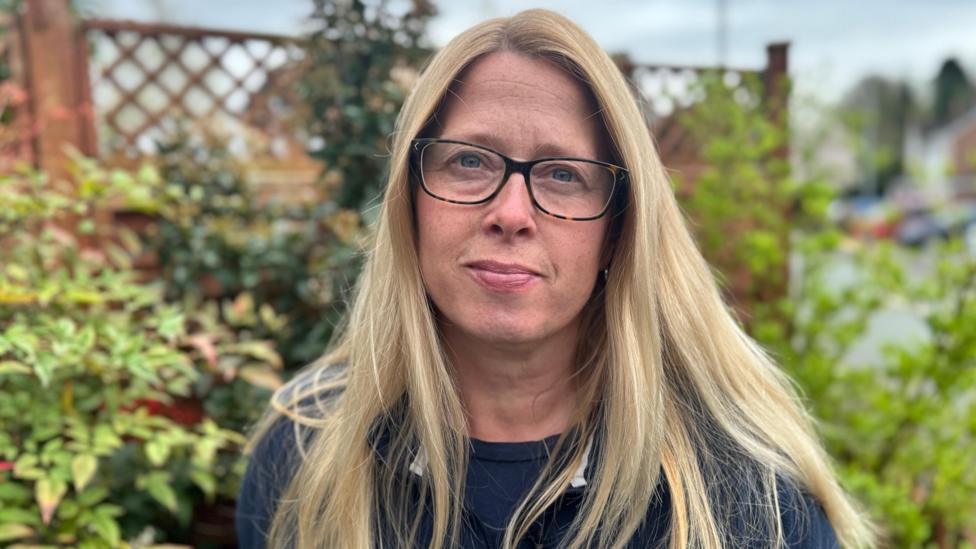
Kerry Clarkson, 49, is among those who have faced difficulties obtaining compensation. She was hospitalised in April 2021, weeks after receiving the Oxford AstraZeneca vaccine, due to a rare blood clot linked to the jab. She continues to experience health issues including lung damage, joint pain, and nerve damage, which have prevented her from working full time.

Earlier this year, Ms. Clarkson was informed via letter that her health condition did not meet the threshold required to qualify for compensation.
"I'm one of the lucky ones. I know that there are people who've unfortunately passed away from this, so families have been devastated by it."
She described the current compensation scheme as "not fit for purpose."
Vaccine concerns
The report also criticized government measures to mandate vaccination for health and care workers. In June 2021, the government required care home staff to be vaccinated to continue working and planned to extend this mandate to all health and care workers. However, the care home mandate was later revoked amid evidence indicating the vaccine’s primary benefit was preventing severe illness rather than stopping infections.
The inquiry suggested that these mandates may have contributed to alienation among workers and increased vaccine hesitancy.
Unison general secretary Andrea Egan commented on the approach, stating:
"Making them compulsory didn't command the support of the profession and likely contributed to vaccine hesitancy in some groups. Instead, ministers should have run targeted campaigns to reassure staff the vaccine was safe, amid the deluge of anti-vax nonsense."
A government spokeswoman described the vaccine programme as "unprecedented," reflecting the strength of the UK's world-leading life sciences sector, the universal public health system, and the dedication of health and care staff.
She added:
"We are grateful to all those involved in this national effort – the scientists, researchers, regulators, NHS and social care staff and volunteers who supported the roll-out of vaccines and treatments at pace."
The government stated it would carefully consider the inquiry’s report and remains committed to "learning vital lessons."
What is the UK Covid inquiry and how does it work?


