

Parents Call for Milk Alternatives in Schools
Parents of children with dairy allergies are advocating for milk alternatives to be made available in schools, as some children report feeling "excluded" during milk time.
Councils in England and Wales provide free milk to children under five and subsidised milk to those under 11, with Wales offering free milk to children aged five to seven. However, the current scheme only covers milk products derived from cows, goats, and sheep, and the availability of alternatives depends on individual schools' decisions.
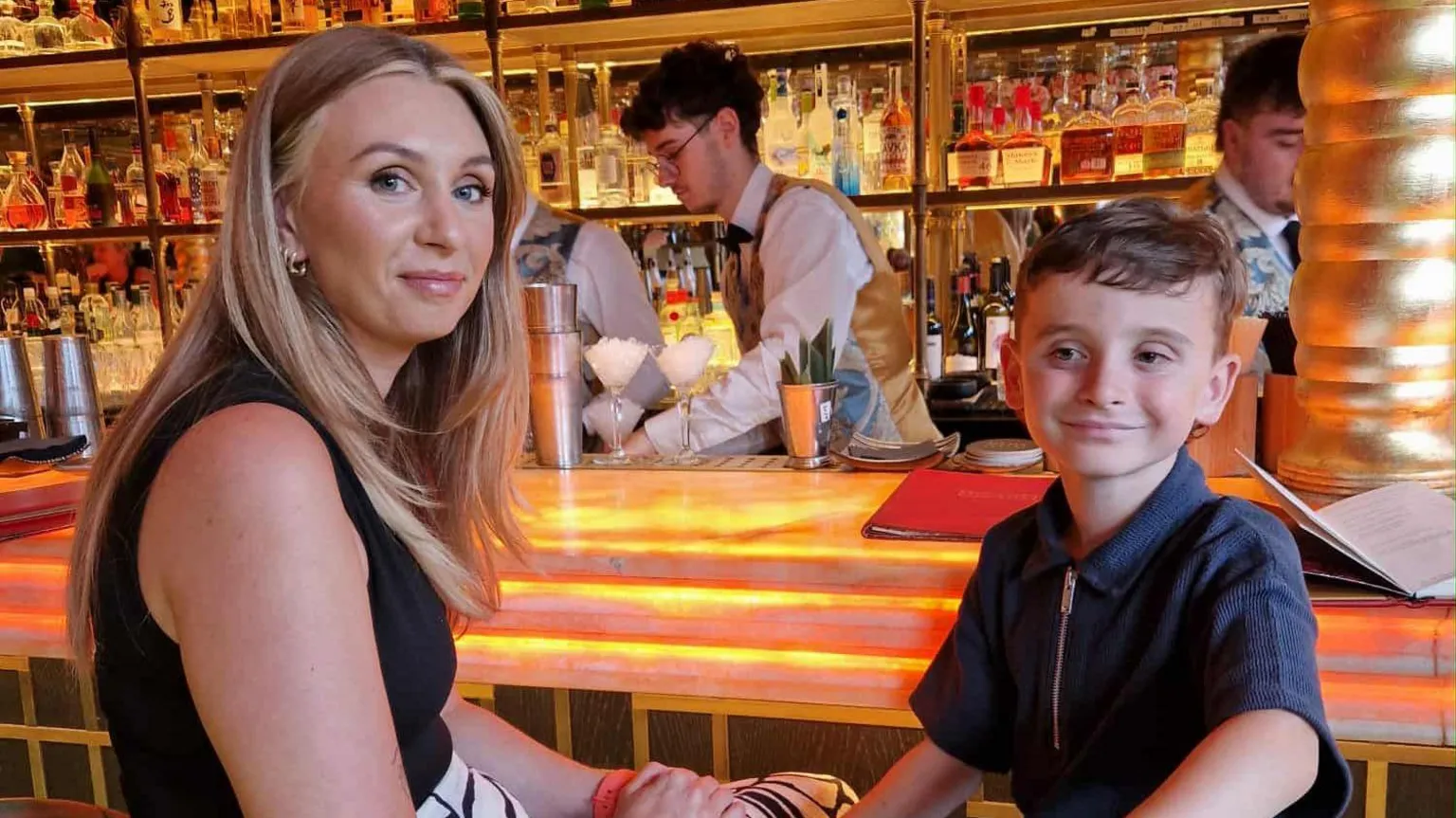
Zoe Stokes-Jones, 37, from Llandaff, Cardiff, shared her experience with her eight-year-old son Jacob, who has a severe dairy allergy. When Jacob began primary school, they were informed that his options were limited to "cow's milk or water," which left him feeling "left out."
Availability of Milk Alternatives Across Wales
Out of Wales' 22 councils, only 11 provided data on the number of schools offering milk alternatives. These councils indicated that alternatives were available upon request, often at an additional cost to the council. Torfaen council was the only one to report explicitly providing alternatives in all its primary schools.
A BBC Wales inquiry revealed that schools could offer alternatives for children with dietary needs at their discretion, but most required requests and approvals.
The Welsh government stated it is "working to review the current arrangements" for the School Milk Scheme. Governing bodies retain discretion to include soya, rice, or oat drinks in school menus.
Jacob's Experience with Dairy Allergy at School
Zoe discovered Jacob's milk allergy when he was six months old and believes milk alternatives should be provided free of charge, similar to cow's milk.
Jacob experiences potentially fatal anaphylactic reactions to dairy and must carry an EpiPen and take multiple antihistamines.
When Jacob attended nursery, Zoe was able to provide oat milk for him. However, upon starting mainstream school, they were told the options were "cow's milk or water" due to the school's lack of storage facilities for alternatives.
"What we found is he feels a little bit pushed out and he feels the odd one out because he's not able to have the same experience as his peers," Zoe said.
"They are all sat down together having a quiet moment and if you can't have it, you're not included.
It is sad and it does impact him. And I think more could be done to make him not feel that way, but people don't always think about the implications around it."
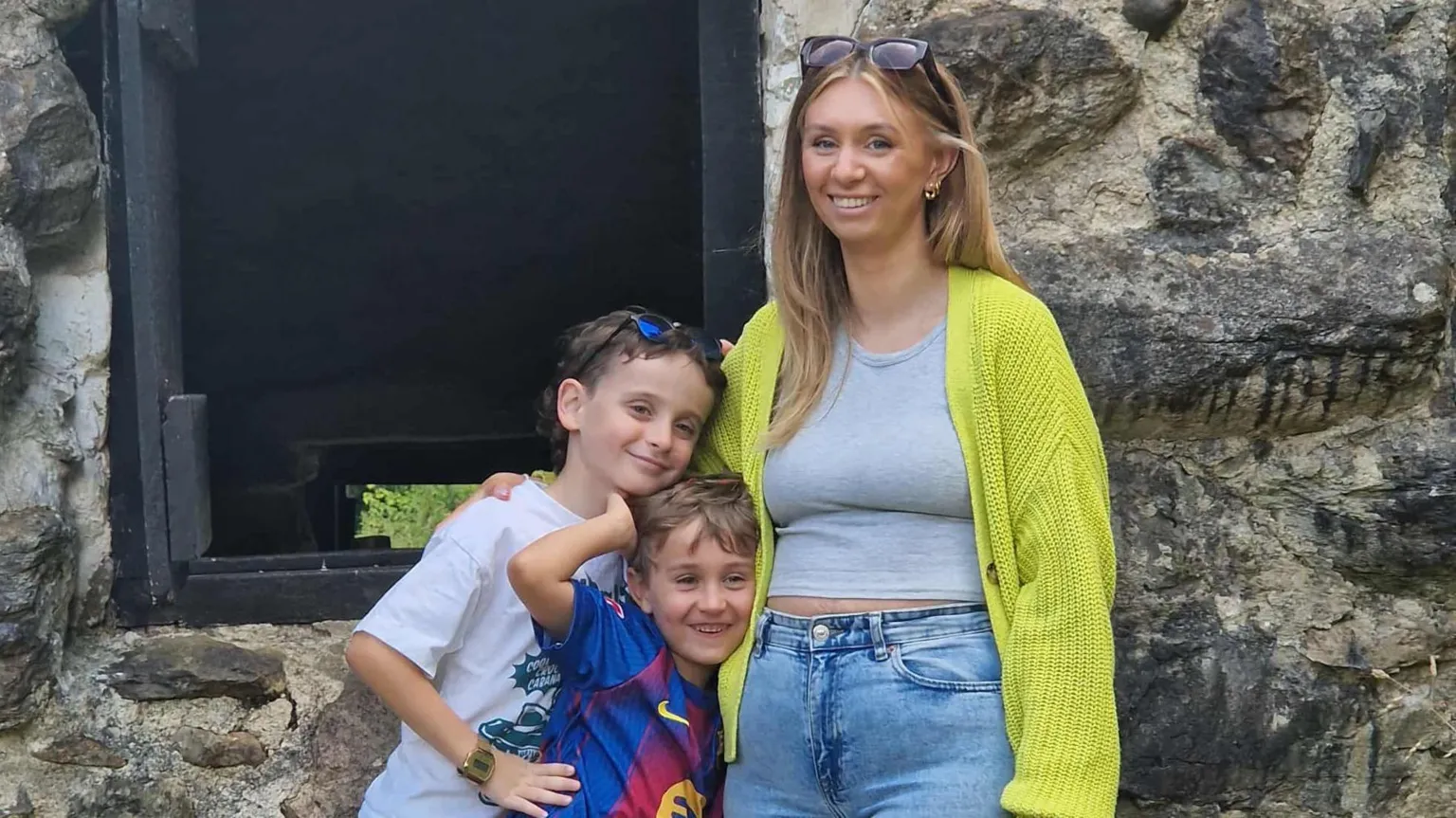
Zoe highlighted a lack of awareness regarding the risks of milk allergies and noted that her family incurs significant expenses to ensure Jacob's safety.
School Milk Subsidy and Alternative Provisions
Cardiff council stated that schools participating in the School Milk subsidy scheme offer milk during mid-morning or afternoon breaks, with some schools providing milk alternatives alongside the subsidised milk.
Approximately 1.5 million children under five receive school milk in England, Wales, and Northern Ireland through the Nursery Milk scheme, which provides 189ml (1/3 pint) daily at no cost in daycare settings.
In Scotland, pupils aged one to five receive milk alternatives as part of the Scottish School Milk subsidy scheme.
In Wales, 81,374 pupils up to age seven received free school milk in 2024-25, including whole or semi-skimmed heat-treated milk, plain yoghurt, UHT milk, and lactose-free or lactose-reduced milk. However, milk alternatives such as soya or rice are not subsidised under the scheme.

Challenges Faced by Families with Allergic Children
Stacey Angel, 41, from Newport, shared that her weekly food shopping exceeds £170 to ensure her five-year-old son Brayen's safety. Brayen is allergic to multiple foods, including dairy, banana, pineapple, peas, green beans, wheat, egg, soya, nuts, peanuts, kiwi, root vegetables, and pea protein.
Stacey expressed gratitude that Brayen has a group of four friends at school who also have dairy allergies, and they sit together during milk time. However, this group does not receive milk alternatives, a situation Stacey wishes to see improved.
"Everyone is getting milk. The whole point is that they get the calcium they need. It would make him feel better.
While he's still aware he's different and not getting the same milk, it would be more inclusive for him."
Newport council could not specify how many primary schools provide milk alternatives but stated that all 56 schools could request alternatives if desired.
Brayen's school confirmed that milk alternatives are now being arranged for children who require them during free milk time and that measures are in place to protect children with serious allergies.
Stacey's family of six follows a dairy-free diet to prevent cross-contamination, and she and her husband prepare all of Brayen's school lunches.
"He doesn't get a free school meal as it's not safe for him to do so," Stacey said.
Although Brayen's allergies are considered their "normal," Stacey described the cost of his food as "so expensive," requiring visits to multiple shops to obtain suitable items.
Brayen is registered as disabled due to his allergies, and the family receives £200 monthly towards his care, which Stacey says does not cover the "staggering" food expenses.
Stacey praised Brayen's school for its allergy management, including handwashing protocols and supervised yard time after eating, but hopes for greater inclusivity as allergies become more prevalent.
"Sometimes, when I step back, I can get overwhelmed and realise it's not normal - it's a lot," she said.
Calls for Policy Changes Following Tragic Incident
These concerns arise following the death of five-year-old Benedict Blythe, who died in hospital after a reaction to cow's milk at school in December 2021. His mother, Helen Blythe, has campaigned for the government to "act immediately" to provide spare allergy pens in schools.
Hundreds of parents have signed a petition advocating for plant-based options in UK nursery and school milk schemes to "help promote inclusivity and ensure all children can benefit."
Allergy specialist Dr Helen Evans-Howells, whose son Ethan has a milk allergy, emphasized that the severity of milk allergies is often underestimated, noting that milk is the "highest cause of death in allergies."
She added that most allergy-related deaths occur in schools and nurseries and called for greater awareness and understanding, with milk alternatives helping parents who already face increased costs.
Dr Evans-Howells stated that without alternatives, milk time can be discriminatory, excluding children with allergies.
Welsh Government Response
The Welsh government reiterated that it is collaborating with local authorities, schools, and suppliers to review the School Milk Scheme's current arrangements.
It also noted that all primary learners are eligible for free school meals, and local authorities or governing bodies have discretion to design menus that can include plain soya, rice, or oat drinks.


