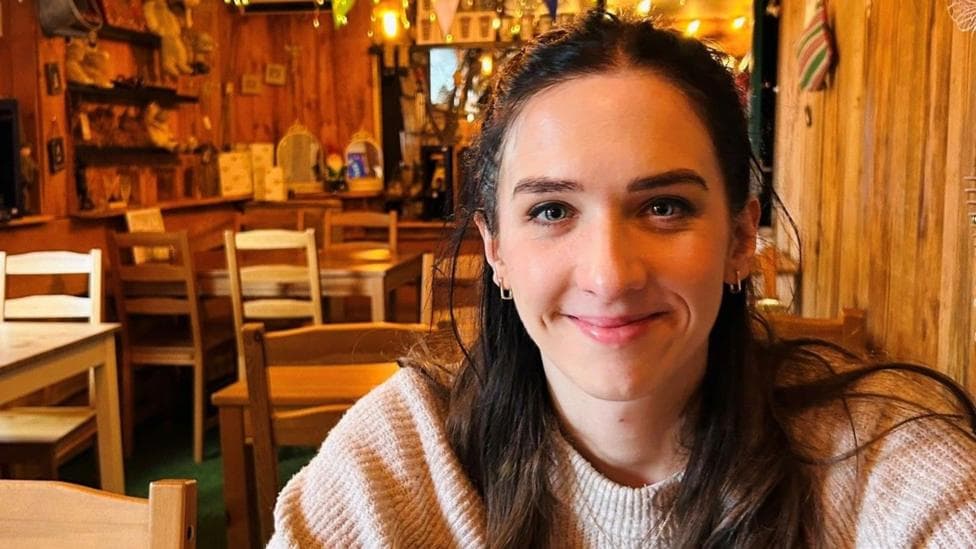
Lucy Shepherd was diagnosed with triple positive breast cancer shortly after turning 33 in 2019. During her treatment, routine monitoring revealed that her heart function had deteriorated—a known side effect of certain cancer therapies. A new clinical trial has now offered her and others like her a path away from the heart medications they were told they might need indefinitely.
The study, funded by the British Heart Foundation and presented at the European Society of Cardiology Congress in Munich in late August 2026, examined whether breast cancer survivors whose hearts had recovered could safely discontinue precautionary heart drugs. Researchers found that the vast majority could do so without experiencing further decline in heart function, challenging the long-standing practice of keeping such patients on medication for life.
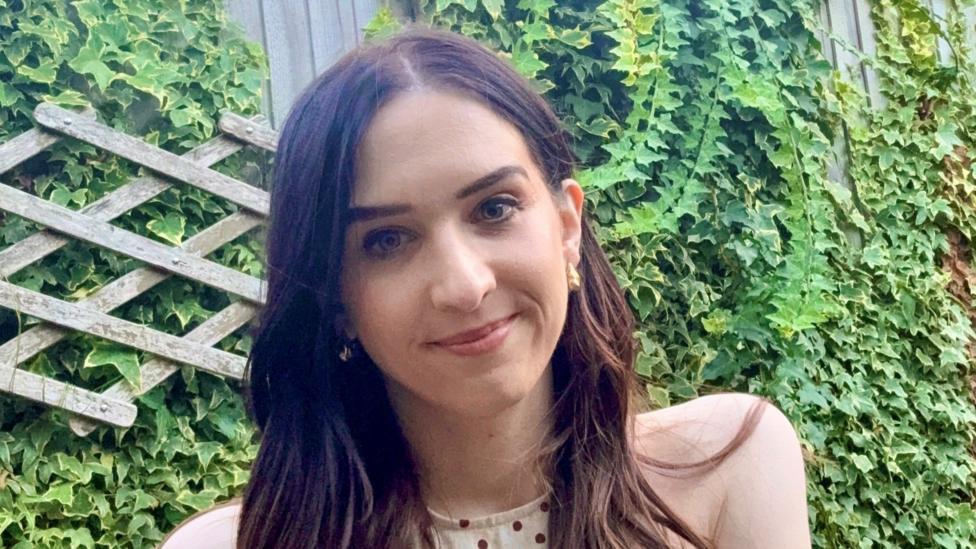
Being part of the trial and having the chance to come off my heart medication has definitely improved my life, said Shepherd, now 39 and living in Hertfordshire.
What did the trial find?
The research involved 90 women in their 40s and 50s across four UK hospitals whose hearts had recovered after receiving a specific type of breast cancer treatment. According to medical research reporting, 98% of patients who stopped taking their heart medication showed no change in heart function after one year, with only one woman developing a problem with her heart's pumping ability. Women who discontinued the drugs also reported improved quality of life in follow-up questionnaires.
The findings were published in the European Heart Journal and are described as
hugely encouragingfor the thousands of survivors affected by treatment-related heart damage.
Why does breast cancer treatment affect the heart?
Breast cancer is the most common cancer in the UK, with nearly 60,000 new cases diagnosed annually, according to Cancer UK. Approximately 15 to 20% of breast cancer cases are HER2-positive, meaning the cancer cells have higher than normal levels of a protein called HER2 on their surface. In about 10% of cases, the drugs used to treat HER2-positive breast cancer cause problems with heart function. Until now, survivors have been routinely advised to remain on heart medications for life, even after their cancer treatment ends and their heart function recovers, out of concern that stopping the drugs might trigger a decline.
How has this changed Shepherd's life?
Shepherd described the uncertainty of her situation before joining the trial.
Living beyond my cancer treatment was difficult because no one could tell me whether I should stop or continue taking my heart medication, she explained.
As I got fitter after my cancer treatment ended doctors gradually reduced my heart medication dosages, but I was still having side effects like a low heart rate and fatigue. I also had the mental burden of remembering to take them and the worry of what would happen if I missed a dose.
The ability to stop the medication has lifted that burden.
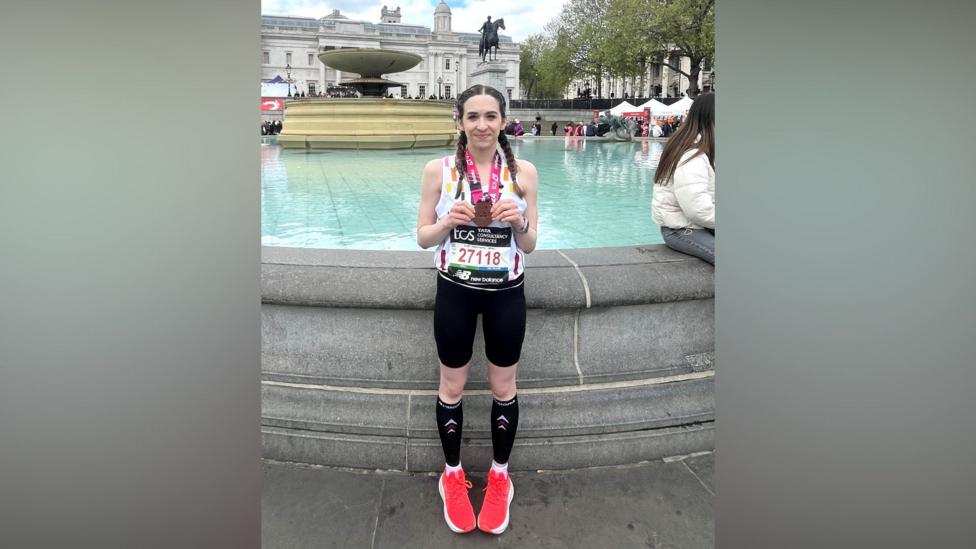
I'm still taking hormone therapy, but I don't live with the same fear I once had. It has helped me to trust my body again—I feel strong and I know I can take on new challenges now.
What do researchers say about the findings?
Prof Charlotte Manisty, head of clinical cardiovascular science at University College London and consultant cardiologist at Barts Heart Centre and University College Hospitals London, led the trial.
Modern breast cancer treatment is a remarkable success story, she said.
But the damaging effects of these drugs on the heart leaves survivors and their doctors with difficult questions about ongoing treatment to maintain their heart health.
Our study provides the first evidence that heart failure therapies can be safely stopped in survivors whose hearts have recovered, with the support of ongoing close monitoring. We hope these findings will be encouraging for survivors and their doctors, giving hope for a future free from treatment.
Dr Sonya Babu-Narayan, clinical director at the British Heart Foundation and consultant cardiologist, added:
These findings will be hugely encouraging for the thousands of breast cancer survivors whose heart health has been affected by lifesaving cancer treatment. The study results give hope that many women will be able to safely stop medicines once their heart has recovered.
What happens next?
The women in the trial will continue to be monitored over the next five years to track their long-term heart health. According to research reporting on the study, longer-term follow-up beyond the initial one-year window is needed to confirm whether stopping medication remains safe over extended periods. The researchers suggest their findings can begin important conversations between survivors and their doctors about whether lifelong treatment is necessary.
The trial sits within a broader field of cardio-oncology research. The British Heart Foundation has long funded clinical trials aimed at preventing or treating heart damage related to breast cancer therapy, showing this is part of an established research area rather than an isolated study. Research in this field also includes studies of ACE inhibitors, beta-blockers, and cardiac monitoring for women receiving chemotherapy.
Key Facts
- 98% of trial participants who stopped heart medication showed no decline in heart function after one year
- The trial involved 90 women in their 40s and 50s across four UK hospitals whose hearts had recovered after cancer treatment
- About 10% of HER2-positive breast cancer patients develop heart problems from their treatment
- Survivors will be followed for five years to monitor long-term safety of stopping medication
- The findings challenge the current practice of keeping all such survivors on heart drugs for life