

Unmasking Autism in Women
Alex Morgan created a website to offer scarce resources and information tailored for autistic women.
Masking, camouflaging, and blending in have long been survival strategies for women with autism in a society that for decades overlooked their existence. Many women diagnosed in adulthood have begun sharing their experiences through writing to illuminate the diverse realities and complexities of their previously concealed lives.
Alex Morgan took an online autism test while ill with Covid, never suspecting she had the condition. Upon seeing the results, everything suddenly made sense to her.
"I had all these misconceptions about what autism was," she says. "I thought it was monosyllabic boys, going around looking at their feet and collecting information about trains."
Comedian Fern Brady discusses in her book Strong Female Character how she managed her adult diagnosis by learning from "19-year-old girls on TikTok."
"I could only find information for parents of autistic kids. There was just an absolute void of information."
Sarah Hendrickx, who spent years diagnosing autism in boys and men, admits she "failed miserably to apply it to myself."
These accounts underscore the limited understanding of how autism presents in women and girls, even into the 2020s.
The Mask Slips
Beyond their late diagnoses, these women share a commitment to bridging the knowledge gap.
Neuroscientist and autism expert Gina Rippon notes that the rise in late autism diagnoses around the start of this decade revealed the many coping mechanisms women had developed.
"Most of them had been trying to hide their autism," Rippon explains. "They were camouflaging, they were desperate to be social and wanted to fit in."
When Alex Morgan was a child, many believed girls could not have autism.
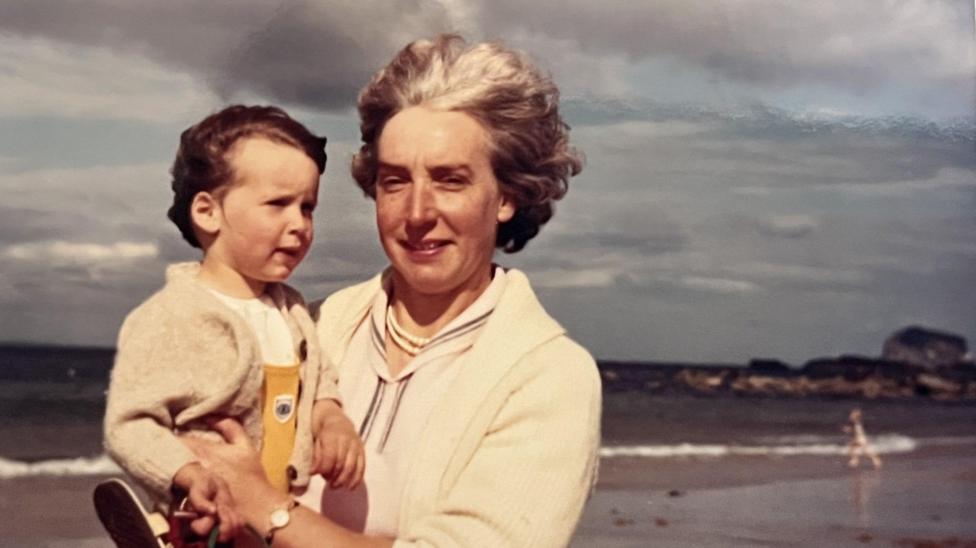
Following her medical diagnosis three years ago, Morgan, 62, launched The Autistic Woman website to gather information and personal stories.
"I realised we are often invisible," she says. "We hide how we are because we are conditioned by society to blend in."
Her memoir Mothertongue, reflecting on key life events through the lens of her diagnosis, was published this month.
Despite a successful career as a national newspaper journalist, Morgan, who grew up in Edinburgh and now resides in Cockermouth, Cumbria, always felt out of place.
As a teenager, she experienced what her GP diagnosed as a breakdown triggered by watching The War Game—a 1960s depiction of nuclear war's effects on Britain.
"I'm shaking, I'm in tears all the time, I'm terrified. Every sound I hear I think is a nuclear bomb going off."
She was prescribed sedatives, but her condition did not improve. She now recognises this episode as autistic burnout.
"It's when you become totally exhausted with trying to exist in a world that is not designed for how your brain works," she explains.
"The world to a lot of us is very loud, very noisy, very crowded, very bright, very smelly, and it's exhausting suppressing your response to all of this and carrying on."
Comedian Fern Brady has written and performed shows about her experiences as an autistic woman.
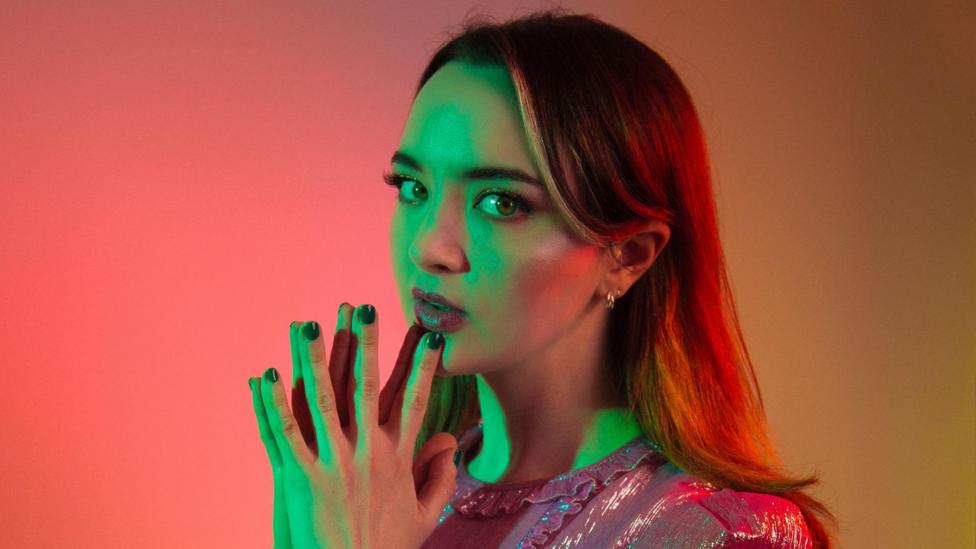
Brady, born in Bathgate, West Lothian, sought a diagnosis about five years ago after experiencing meltdowns.
"I didn't know what they were," she says.
With few women discussing the "less savoury elements of autism" at that time, she decided to write her book despite concerns it might harm her career.
She also toured a stand-up show titled Autistic Bikini Queen, later filmed for Netflix.
Brady remarks,

"I actually got discouraged from mentioning that I was autistic when I first got diagnosed because it's still a bit of a dirty word, where ADHD isn't and you're seeing that a lot now.
So many people are using the word neurodivergent as a polite euphemism for autistic, which bugs me."
Although some individuals spoke candidly about autism, they were not part of mainstream discourse when she wrote Strong Female Character.
"I just wanted to make the thing that I wished had existed when I was 20."
She describes a common trait among autistic girls and women: excelling at work while subsequently spending "weeks in bed not able to speak."
Brady challenges the notion that women mask autism well, citing the prevalence of burnouts, eating disorders, depression, and anxiety.
"Something that riles me is people say it's so much harder to diagnose women because they mask well," she says.
"Well, they don't mask 'well' because of the number of women that have burnouts, that end up with eating disorders or terrible depression and anxiety."
'Girls Don't Get Autism'
Rippon, Professor Emeritus of Cognitive Neuroimaging at Aston University in Birmingham, authored The Lost Girls of Autism in 2025, exploring why women have been overlooked.
While early autism studies in the 1940s included some girls, the condition appeared more common in boys, creating a "self-fulfilling prophecy."
"The male prevalence became the key description of autism and that affected certainly all of the research in my area," she says.
"So if a young girl was having behavioural problems, whoever was presenting their concern was told girls don't get autism or she's shy, she'll grow out of it."
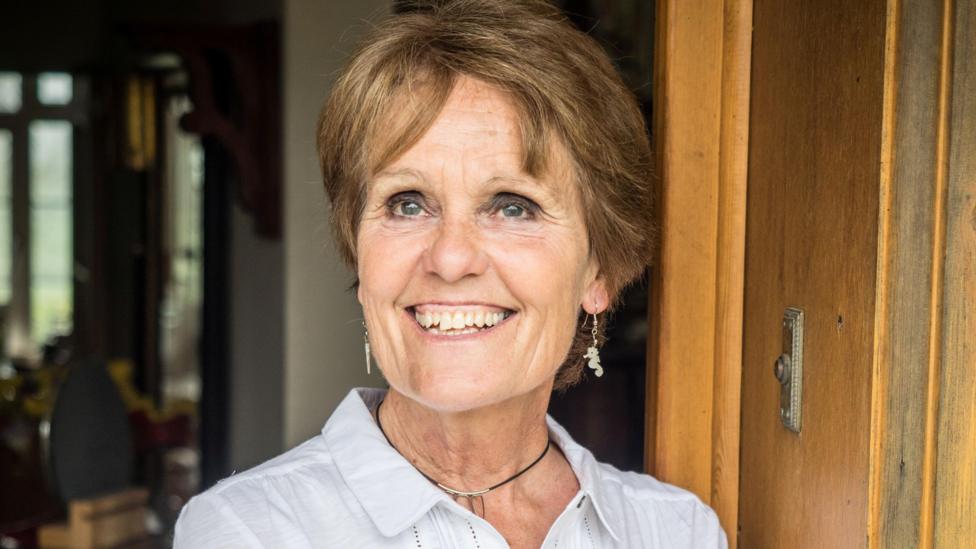
Gina Rippon studies sex and gender differences in normal development and in autism.
Failing to diagnose women had serious consequences.
Undiagnosed women were often "othered and called weird" while facing significant mental health challenges.
"There's really high levels of suicidal ideation, unfortunately, and depression and other mental health issues in this population," Rippon states.
Like Brady, Morgan is familiar with these struggles. She endured "tremendous pain and misery" after her teenage breakdown until it culminated in her late 20s.
"I was working in a very high-pressure job editing a Sunday newspaper magazine and one day I just thought I can't do this anymore.
I stood up, I walked out. I went to my partner's house, I put on my pyjamas and I went to bed for six months."
Although she received therapy, her autism remained undiagnosed at the time.
"Without that help I don't think I'd have made it," Morgan reflects.
"It would have been lovely [to get a diagnosis], that would have been very helpful, to have known a long time ago. But realistically, in the 1980s, it was never going to happen."
Physician Heal Thyself
Hendrickx began working with autistic individuals in education 25 years ago and later diagnosed the condition herself.
By the time she recognised her own autism, she had earned a master's degree in autism and authored five books on the subject.
"I'd had lots of relationships, I'd had children, I'd had lots of jobs and I didn't see myself in autism," she admits.
"I was kind of shocked about that, that I'd been able to apply the diagnostic criteria to other people but had failed miserably to apply it to myself."
Sarah Hendrickx writes about the life experiences of women with autism.
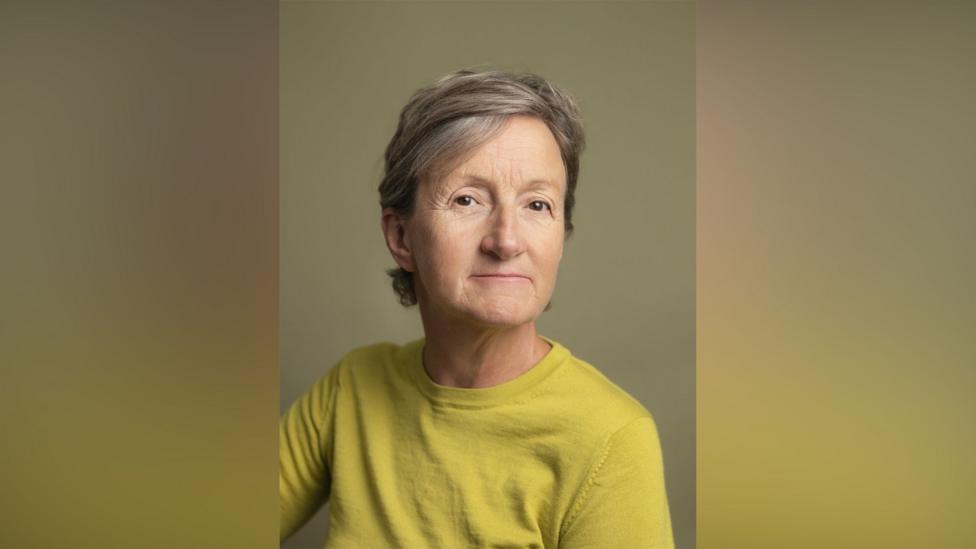
She authored Women and Girls on the Autistic Spectrum, presenting women's direct experiences.
Despite similar diagnoses, each individual is unique.
In 2024, she published a second edition after noting more women in their 40s seeking diagnosis.
"I just wanted their voices to be heard," she says.
"We realised that quite a lot had changed over that period of time. There was a lot more understanding of things like menopause.
Perimenopause was atrocious and appalling for me. The coping strategies that had kept me going throughout my life just didn't work anymore."
Diagnoses, Dangers, and Discourse
Brady, who experiences premenstrual dysphoric disorder, wishes medical professionals better understood how certain conditions affect autistic women.
"Healthcare outcomes for autistic people are really poor," she says.
"The way we communicate pain can be different. People might not communicate it the way a neurotypical person does.
That can become dangerous and then illnesses get missed."
Rippon stresses the importance of supporting women who suspect they may be autistic in seeking diagnosis but warns against social media narratives that dismiss diagnoses as a "fashion accessory."
"I would object to that strongly. I think that narrative is very toxic at the moment and has implications - it is something to worry about."
Follow BBC Cumbria on X, Facebook, Nextdoor, and Instagram.
Get in Touch
Do you have a story suggestion for BBC Cumbria?
- The rise of women with autism diagnoses: 'We mask until it blows up'
- Teenage life was an ordeal, until Caitlyn found her calm with a camera
- Are there more autistic people now?
Related Internet Links
- Aston Institute of Health & Neurodevelopment


