

Potential for Non-NHS Assisted Dying Services in Wales
Non-NHS providers might be able to offer assisted dying services in Wales even if the Senedd rejects the landmark legislation, according to the Welsh health secretary.
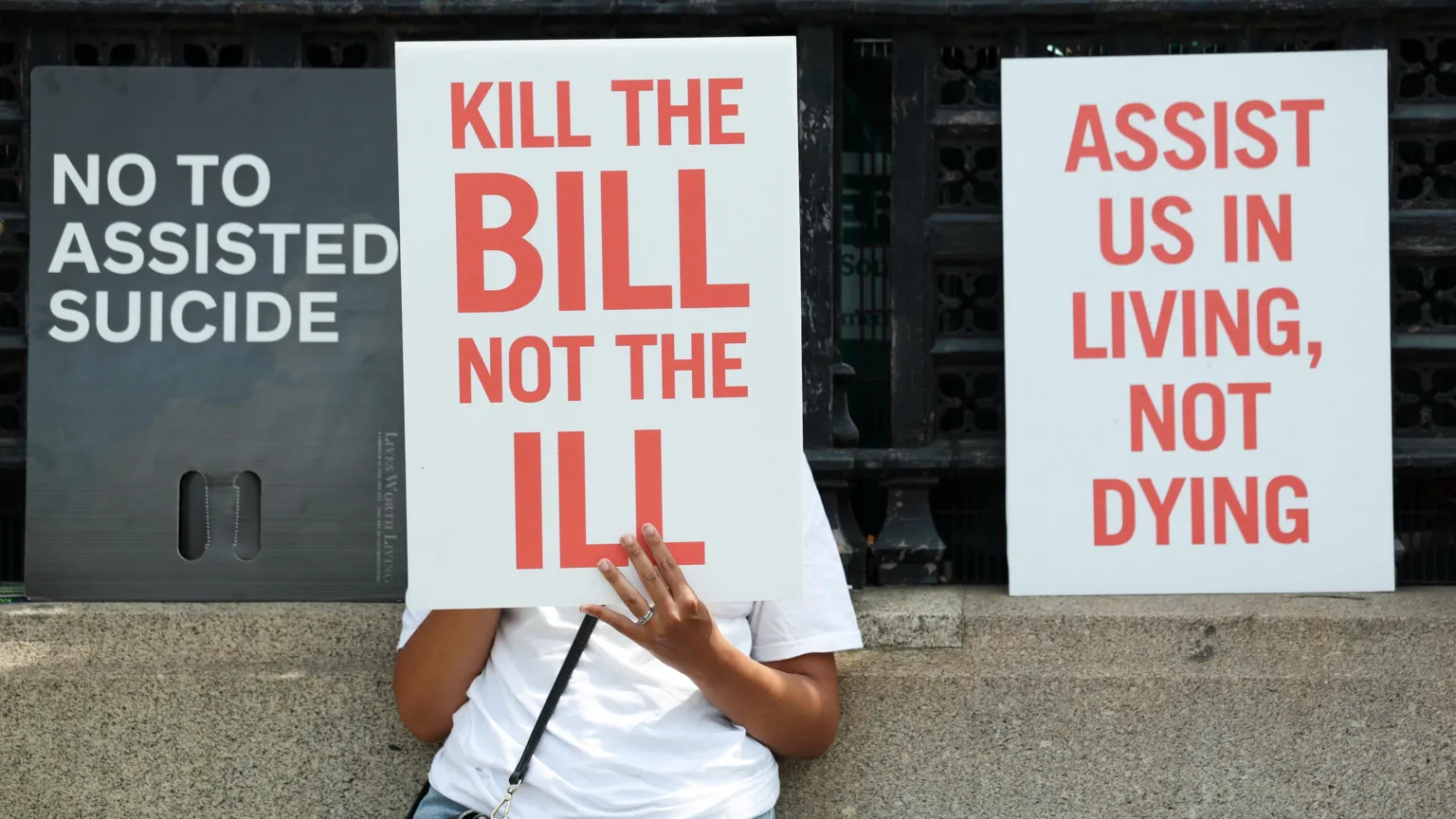
On Tuesday, Senedd politicians will decide whether to approve the bill allowing some terminally ill adults in England and Wales to end their own lives.
Jeremy Miles informed a committee that if members vote against the legislation, independent providers "could still be established in Wales due to the change in the criminal law".
However, the vote concerns only whether Welsh ministers should be empowered to set rules for assisted dying services in Wales and whether these services should be available on the NHS—not whether assisted dying should be legal.
Assisted dying was previously rejected as a principle when last voted on by the Senedd in October 2024, with nine politicians abstaining.
Should the UK Parliament legislation pass, assisted dying would become legal in both England and Wales regardless of the Senedd's vote on Tuesday, as changes to suicide law are not devolved.
Since the Senedd holds responsibility for healthcare legislation in Wales, it has been asked to give its consent, although Parliament can legislate without it.
The bill is currently under scrutiny in the House of Lords, where numerous amendments are being considered, raising concerns among supporters about the bill's potential to pass Parliament.
Welsh Government's Position and Implications of the Vote
Miles made these remarks earlier to the Senedd's legislation committee, which requested the Welsh government clarify the practical implications of Tuesday's vote amid warnings that Members of the Senedd (MSs) lacked full understanding of the stakes involved.
He stated that if the Senedd rejects the legislation and the UK Parliament proceeds regardless, the Welsh government would have to "operate within a framework that has not been endorsed by the Senedd".
The UK Parliament might remove parts of the law that apply to Wales' devolved institutions; BBC Wales has learned that the bill's proponents have pledged to remove such sections in the Lords if Welsh consent is refused.
Miles told the committee that "this could result in the Welsh ministers not being provided with powers to regulate about assisted dying in Wales".

He added:
"Independent providers of non-NHS services could still be established in Wales due to the change in the criminal law following the commencement of other provisions in the act."
Miles noted that the final outcome would depend "on decisions taken by the UK Parliament and therefore cannot be stated with certainty at this stage".
He explained that how assisted dying would operate in Wales if the bill passes would be "for the next Welsh government to consider", with the next Senedd election scheduled for 7 May.

Scope of Senedd's Vote and Political Positions
Rather than the entire bill, the Senedd has been asked to approve sections related to areas it typically controls, such as regulations Welsh ministers can set.
The Welsh government is tabling Tuesday's vote but remains officially neutral. Labour and Conservative MSs have confirmed free votes, while Plaid Cymru MSs were allowed to vote as they wished during the last vote in 2024.
Miles and Welsh First Minister Eluned Morgan opposed the bill two years ago.
Concerns Raised by Supporters and Opponents
Labour MS Julie Morgan, a supporter of the legislation, expressed concern that poorer terminally ill individuals might be unable to access assisted dying services.
"There could be a very unequal situation if there was access in England to service and in Wales, the only people who could access something like this would be people who were wealthy enough to pay for it."
Reform UK's James Evans, who described himself as "fifty-fifty" on supporting the motion, said the Senedd vote is occurring too early for members to fully understand the final legislation, which may lead some MSs to vote against it.
He expressed uncertainty about the vote's outcome and believed "a lot" of people could be influenced by the uncertainty.
"There's still a risk that this bill will not be exactly what it says on the tin. It's a mess the way the government has handled it," he said, adding, "this is one of the only times we are being asked to vote on something where we don't really know the outcome from Westminster".
Evans also voiced concerns about the "inequity" of a situation where assisted dying is legal and free in England but not in Wales.
Timing and Future Steps
A Welsh government source told the BBC that the timing of the vote is considered optimal to ensure the Senedd's views are recorded while the Lords continue to consider the bill.
If consent is granted, another Senedd vote would be required to agree on regulations for how an assisted dying service would operate after the May election.


