

Impact of Winter Flooding on Wildlife
This winter's severe flooding has destroyed nests, drowned small mammals, and threatens a significant decline in butterflies and other species this spring.
Persistent storms and nearly continuous rainfall—described as "apocalyptic" by one expert—have caused some of the worst flooding in decades across the South West.
While the human consequences have been widely reported, nature organizations warn that the full impact on local wildlife is only beginning to be understood.
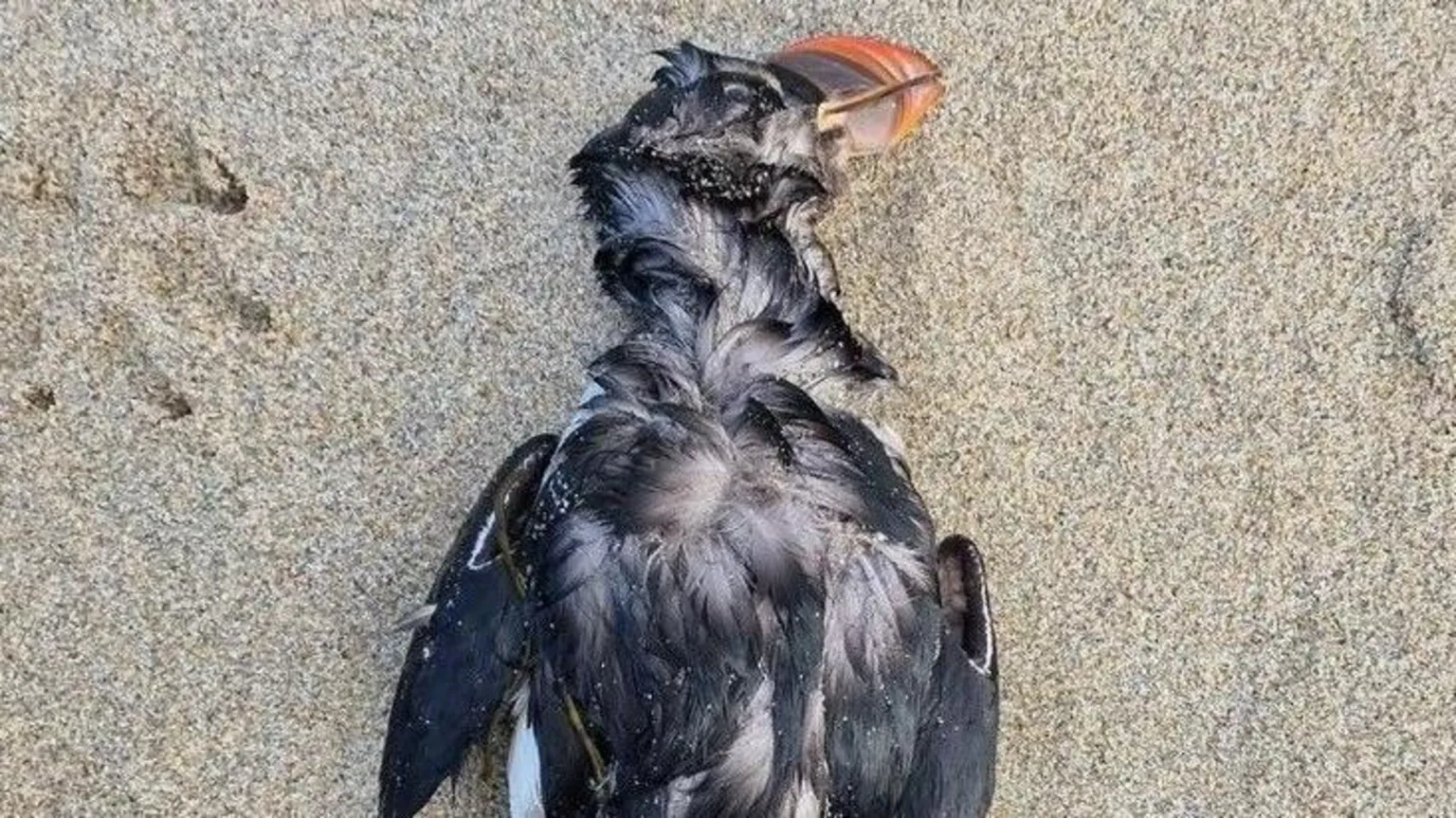
The severe effects of storms on seabirds, including thousands of puffins found washed up along the South West coastline, the Channel Islands, and France, have been well documented.
The "conveyer belt of storms hitting us" has resulted in a busy period with numerous strandings reported, according to Rob Deaville, project manager for the Cetacean Stranding Investigation Programme (CSIP) at the Zoological Society of London.
"The reports have included turtles, some alive and dead, and many strandings are likely to be storm related," Deaville said.
Effects on Terrestrial Wildlife
On land, habitats for hedgehogs, field voles, and other small mammals have been flooded, forcing them from their homes and causing drowning incidents.
Early nesting birds have lost eggs, and conservationists caution that spring may see noticeably fewer butterflies and insects, as floodwaters have swept away eggs and overwintering larvae.
Although some species are naturally resilient to wet winters, rescue groups report that repeated storms and saturated ground are overwhelming animals' capacity to cope.
Stephen Hussey from Devon Wildlife Trust noted that slow-moving mammals are particularly vulnerable.
"They may not be able to move to higher ground and therefore could be overwhelmed very quickly by water," Hussey said.
Species such as field voles and hedgehogs rely on dense vegetation, leaf piles, and scrub for shelter during colder months. Rising floodwaters eliminate these refuges within minutes.
Rescue centers have observed that with winters becoming "wetter and wetter" and summers warmer, fewer hedgehogs complete full hibernation, leading to health problems and altered feeding behaviors.
Hibernation typically occurs from October or November through March or April.
Devon rescue group Prickles in a Pickle has received an increased number of reports of hedgehogs displaced by floods in Plymouth, Kingsbridge, Ivybridge, and Dartmouth.
"This winter has been hard hitting for the animals," said co-founder Judy Thompson.
"They have been flooded out of their homes and at this time of year, food is scarce. If they're underweight or struggled into the winter in the first place, this is a double hard hit for them."
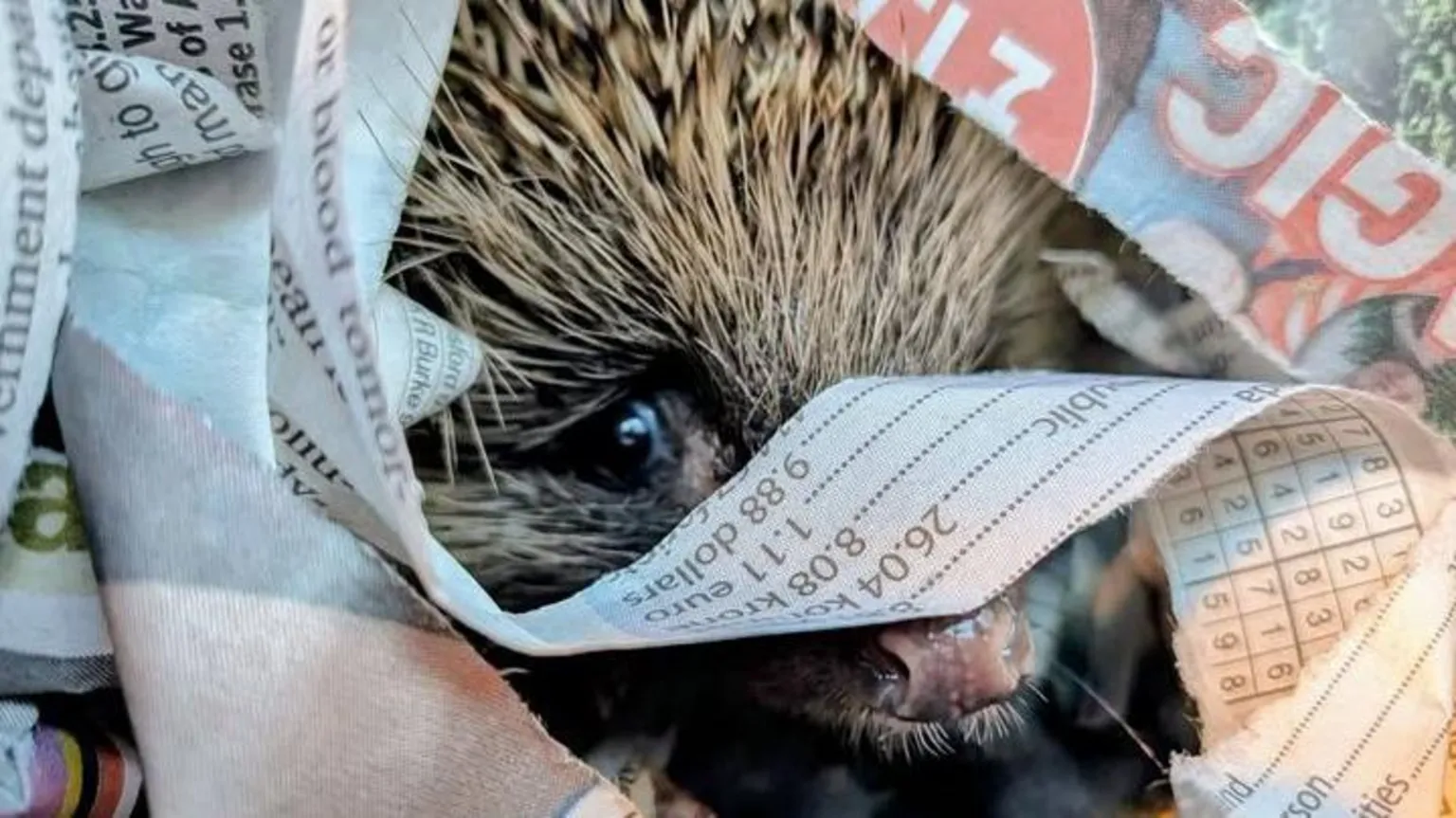
Thompson described some hedgehogs arriving at the rescue center as "little empty bags of prickles and very, very slim" due to dehydration.
She explained that the animals cannot safely drink floodwater because of the risk of being swept away, and their primary food source, worms, have been flattened or dried out by the rain.
"Building sites are stealing habitats, leaving wildlife with nowhere to go. There needs to be more natural management of floodplains and drainage," Thompson added, highlighting that increased development on and near floodplains is reducing wildlife refuges.
The European hedgehog is protected under the Wildlife and Countryside Act 1981 and is classified as "vulnerable to extinction" on the IUCN Red List for British Mammals.
Devon Wildlife Trust reports that their numbers in the UK have fallen below one million, a decline of 30% over more than ten years.
"We can't afford to lose them as fast as we are... I for one don't want to see them disappear," Thompson said.
Potential Decline in Butterfly Populations
The full impact of the wet winter may become apparent in spring, when butterflies that typically populate hedgerows and gardens could be noticeably absent.
Hussey explained that many butterflies lay eggs on plant material in spring and summer, which can be lost if floodwaters cover these areas.

"A lot of butterflies will have laid their eggs last spring and summer on plant material. If the water rises and covers it, those will be lost and washed away," Hussey said.
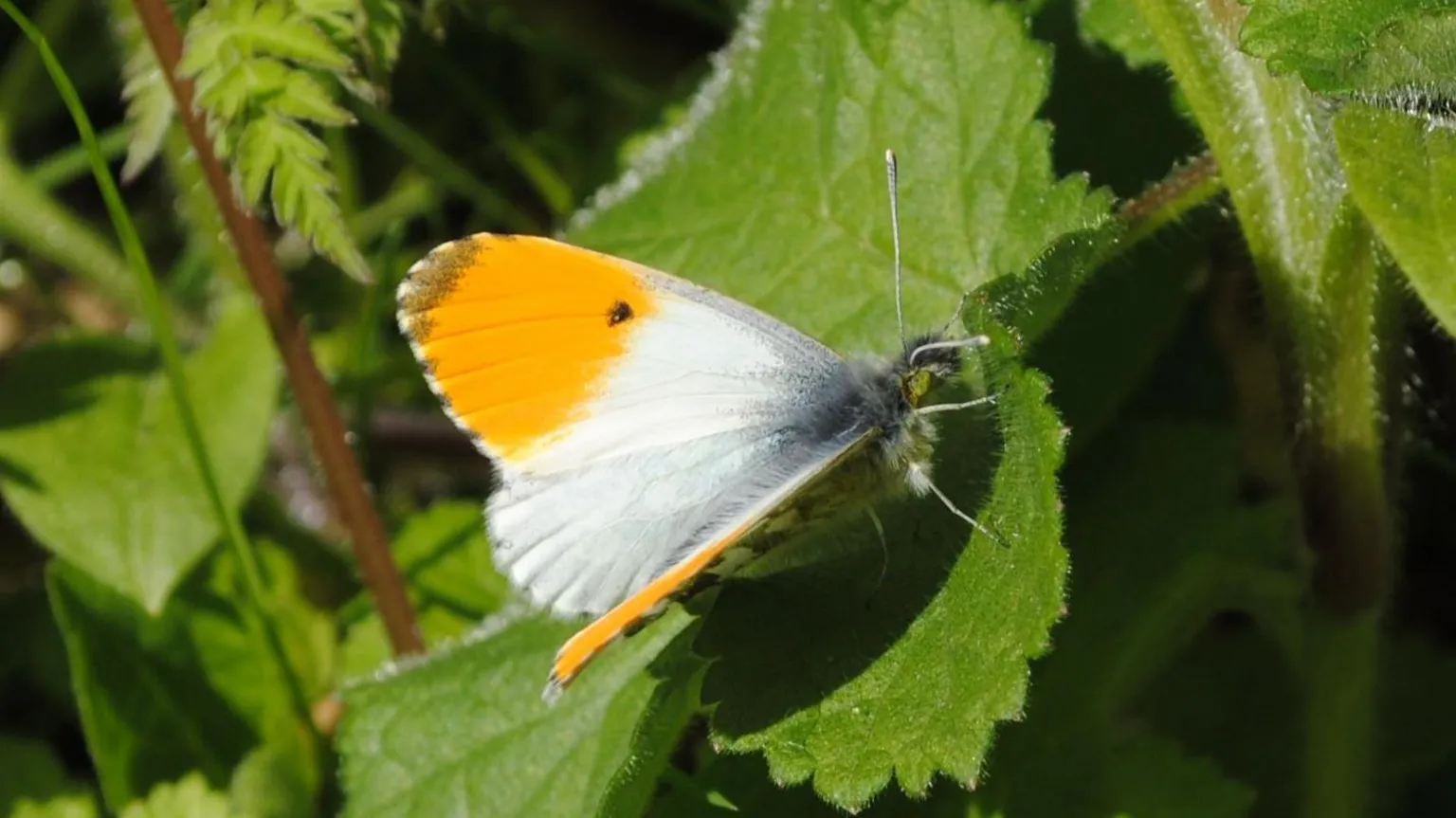
Orange-tip butterflies, among the earliest species to emerge, are particularly vulnerable as their eggs and pupae overwinter low on vegetation, making them susceptible to prolonged flooding.
Experts warn that insect losses could have cascading effects up the food chain, impacting birds and small mammals that depend on them.
Flooding Impacts on Waterfowl
In Dawlish, Devon, two black swan nests and ten eggs were destroyed after consecutive storms in January caused torrential rain and the brook to overflow.
Don Phillips, head waterfowl warden, noted that nest losses have occurred previously.
"We've had a lot worse storms, but Storm Chandra was a bad one, especially because they were nesting," Phillips said.
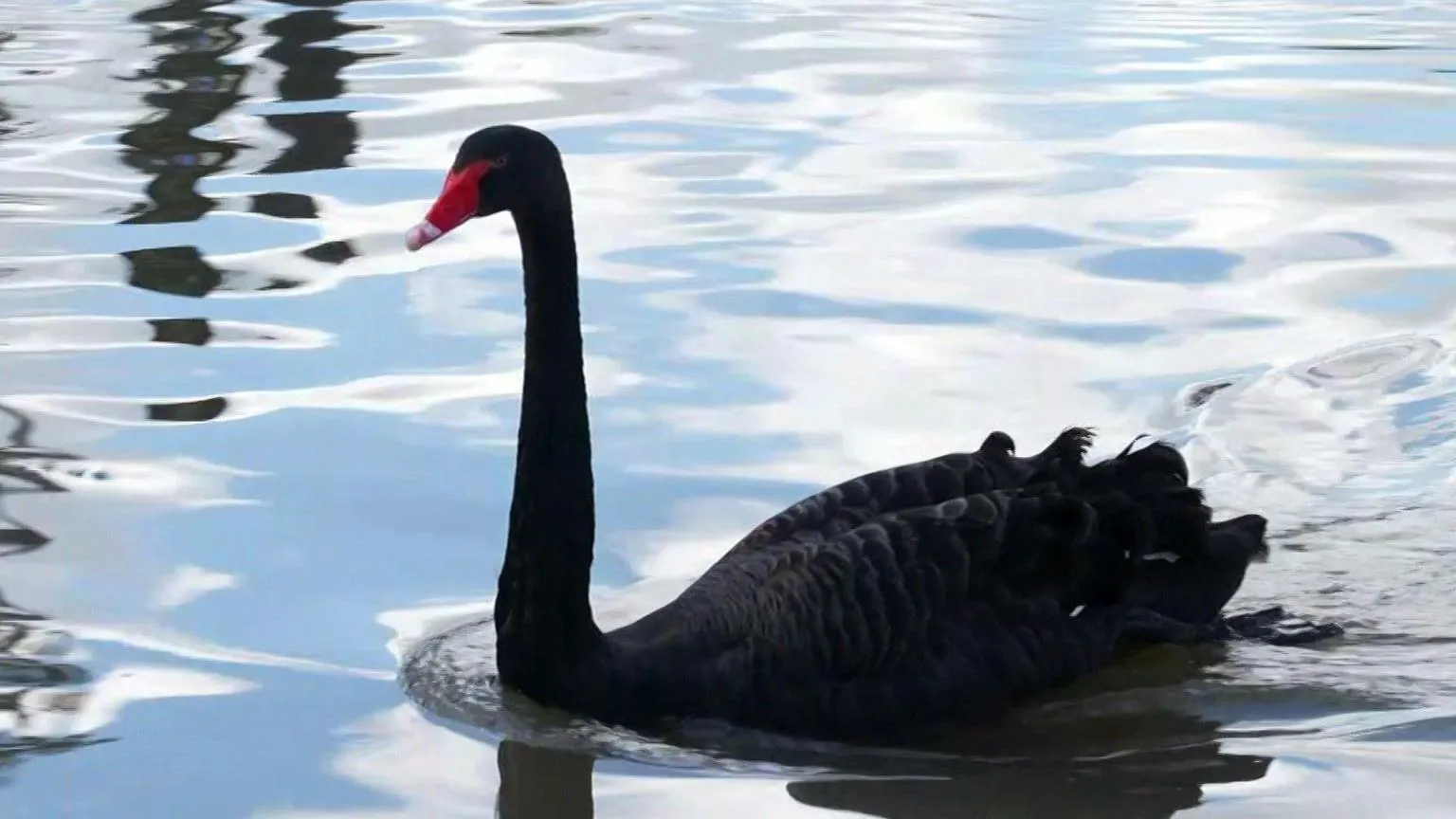
Both pairs have since rebuilt nests in slightly higher locations and are incubating new clutches of eggs.
"The new nesting sites are in higher positions than the previous ones," Phillips said.
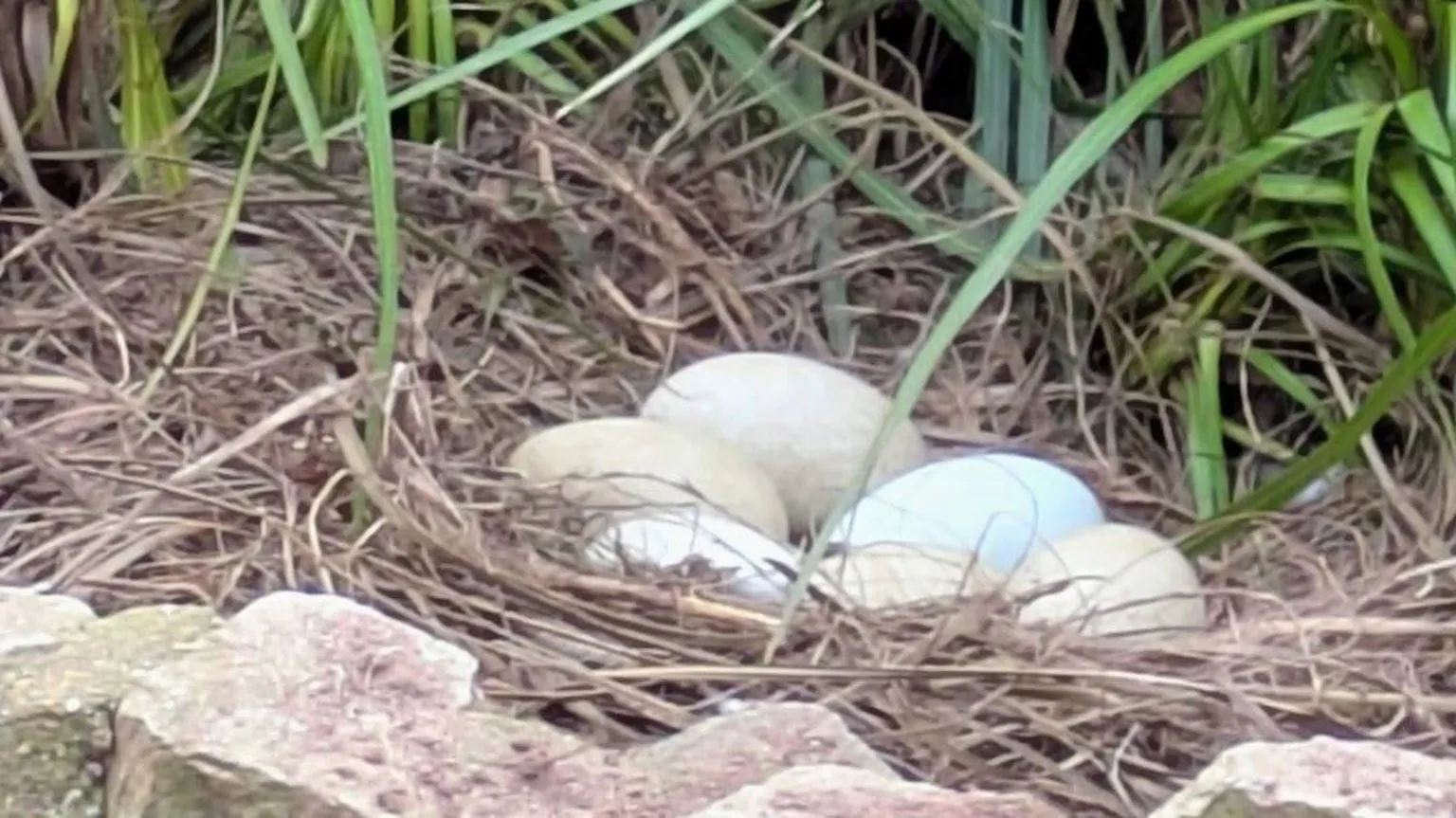
Phillips hopes these improved sites will offer protection if further wet weather occurs.
Weather Statistics and Expert Perspectives
The Met Office reported that this season ranks among the top five wettest winters on record for Cornwall, Devon, and Dorset.
Rainfall totals in parts of Cornwall and Devon have reached approximately 150% of the long-term average.
In February, rain fell for 49 consecutive days near Cardinham, 48 days at Exeter Airport, and 43 days in Okehampton.
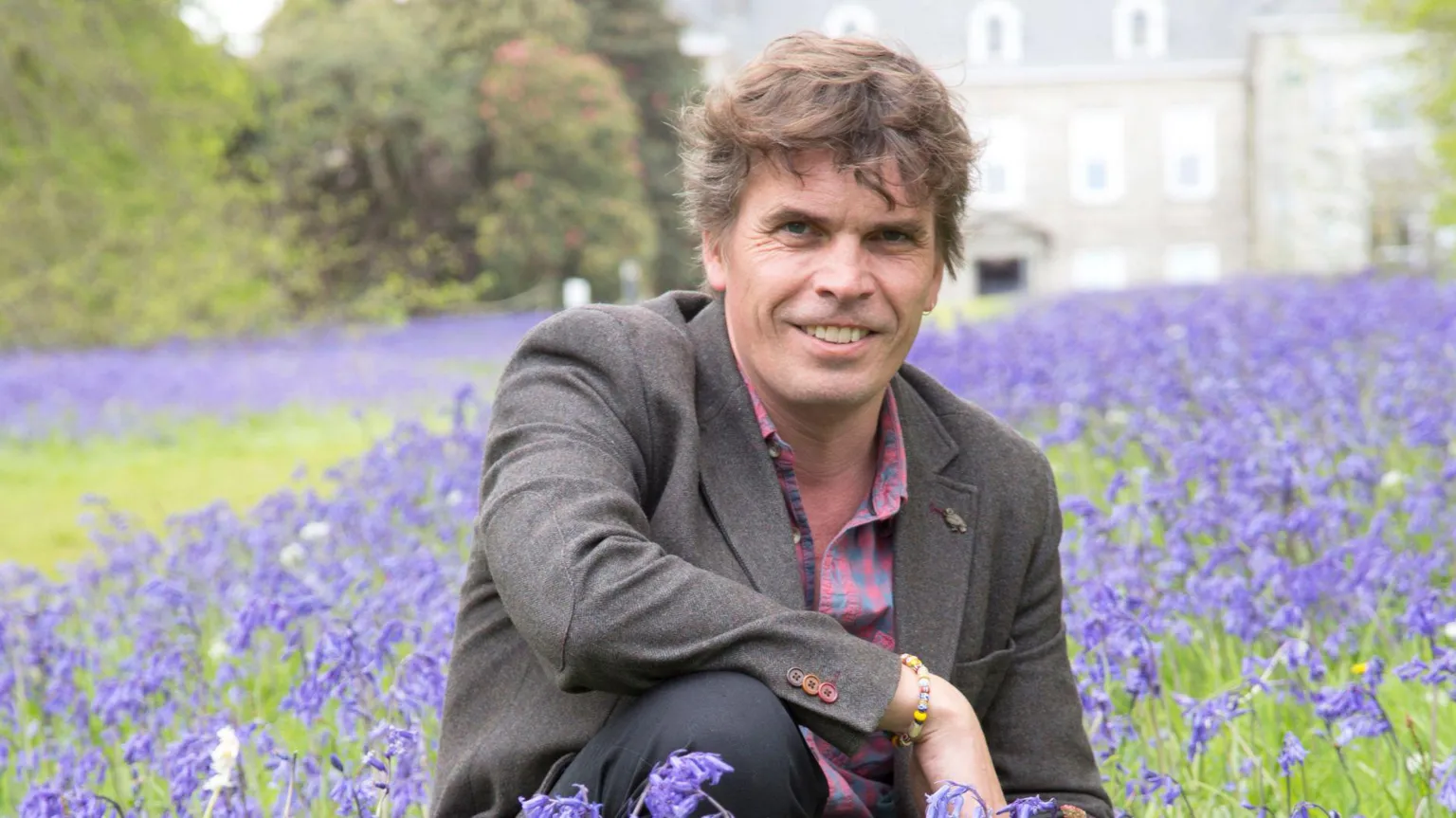
While heavy winter rain is typical for the region, Professor Dave Hodgson, an ecologist at the University of Exeter's Cornwall campus, described this season's volume and persistence as "a bit apocalyptic."
High winds and saturated ground have also toppled trees, eliminating nesting cavities for birds and burrows for mammals such as badgers and rabbits.
BBC South West broadcast meteorologist Bee Tucker expressed cautious optimism about the weather forecast.
"This week is likely to see more rain towards the tail end but the next few days should see some much needed drier and brighter weather, with maximum temperatures hitting more 'spring like' values of 13-16 degrees," Tucker said.
Hodgson acknowledged the damage caused by flooding but emphasized the resilience of many species if escape routes are available.
"It's inevitably going to wash away butterfly eggs, remove nesting sites and disrupt underground breeding areas," Hodgson said.
"A lot of wildlife is able to escape from floods and rainfall, but only if it has the opportunity to do so."
He compared wildlife needs to those of humans, highlighting their search for shelter, food, safety from disease and predators, and breeding opportunities.
"The winter should be a wake-up call to create more natural flood defences and wildlife-friendly escape routes - higher ground, connected green spaces and undisturbed vegetation can give animals places to retreat during storms," Hodgson said.
Hodgson also noted that human infrastructure in the South West was not designed to handle this level of sustained rainfall.
Flooding can cause sewage releases into rivers and estuaries, posing risks of disease and toxic water to wildlife and increasing mortality events.
Measures to Support Wildlife
The Devon Wildlife Trust offers guidance on its website for making gardens and outdoor areas more hedgehog-friendly.
Based on climate change models, more intense rainfall, storms, and flooding are expected in future winters.
"We need to pay attention to climate change predictions and how we can mitigate these weather events through changing the way that we use the natural environment," Hodgson said.
"It's about working with the natural environment – reducing waste, influencing how water and drainage are managed, and ensuring everything operates more sustainably with less impact on biodiversity."
"It's not just the wildlife charities to solve this, it's on every person to solve it by treading more lightly," Hodgson added.
Follow BBC Devon on X, Facebook, and Instagram. Send story ideas to spotlight@bbc.co.uk.


