

2026 Atlantic Hurricane Season Forecast
The 2026 Atlantic hurricane season is predicted to be less active than usual, according to the US science agency NOAA. The agency forecasts between three and six hurricanes from June to November, compared with the average of seven hurricanes in a typical season.
This reduced activity is largely attributed to the emerging El Niño weather pattern, which is expected to strengthen in the coming months. El Niño tends to disrupt the development of tropical storms in the Atlantic basin.
While climate change is not believed to increase the overall number of hurricanes, typhoons, and cyclones worldwide, rising global temperatures mean that the storms that do form have the potential to produce stronger winds and heavier rainfall. Scientists emphasize that it only takes one strong storm to cause significant impacts.
What Are Hurricanes and Where Do They Occur?
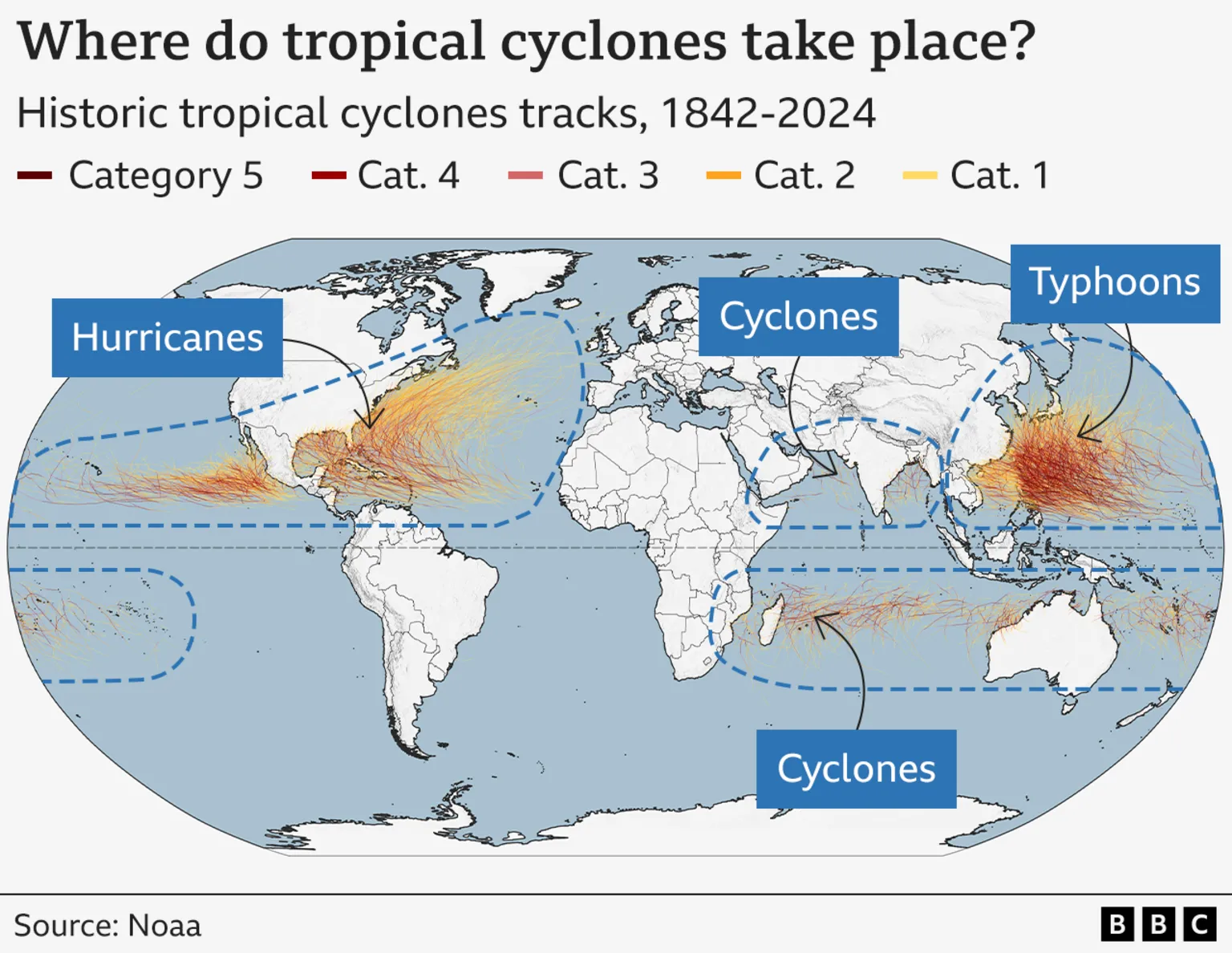
Hurricanes are powerful storms that develop over warm tropical ocean waters. In different regions, these storms are referred to as cyclones or typhoons, but collectively they are known as "tropical cyclones."
Tropical cyclones are characterized by very high wind speeds, heavy rainfall, and storm surges, which are short-term rises in sea levels. These phenomena often lead to widespread damage and flooding in affected areas.
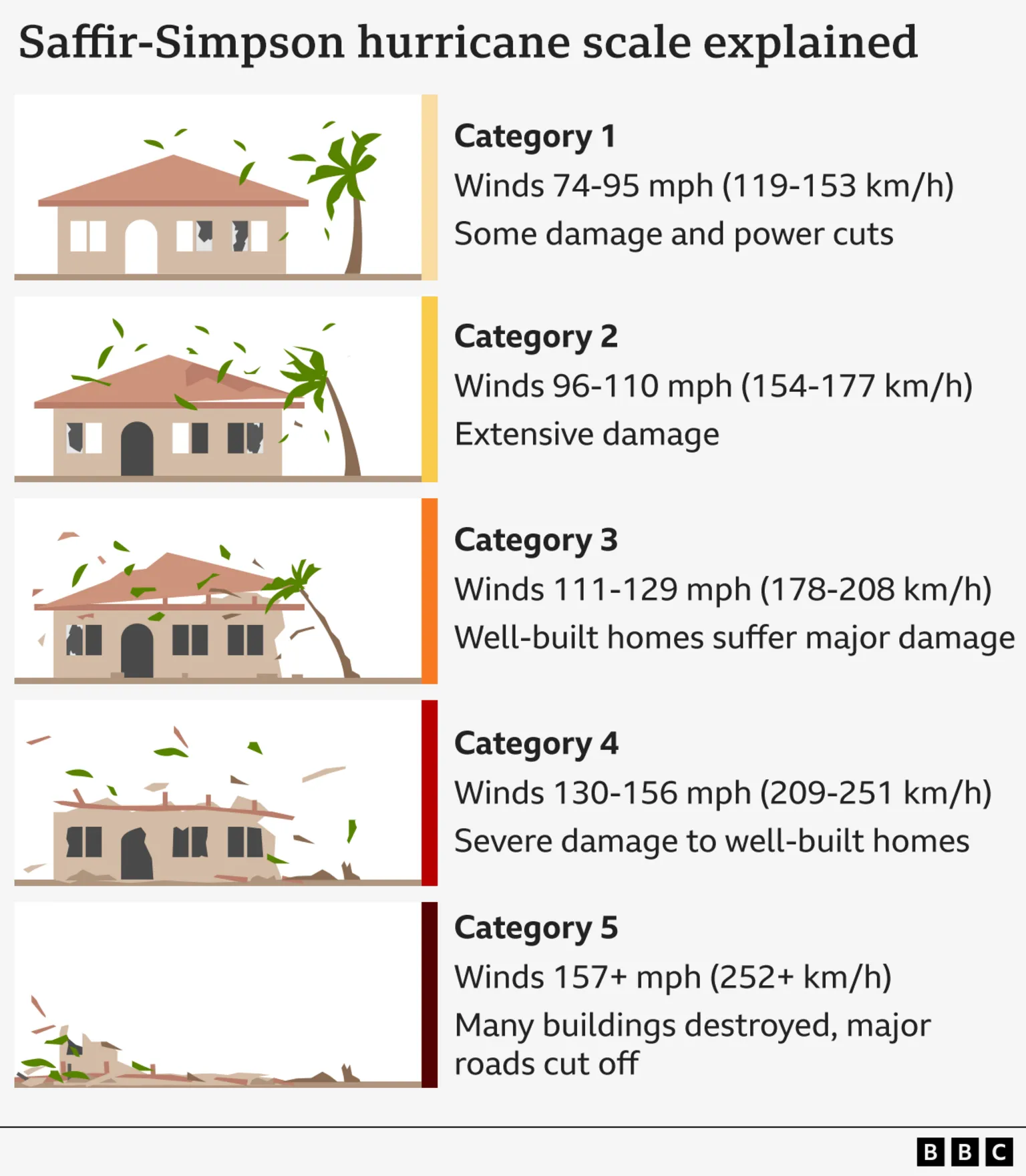
Hurricanes are categorized by their peak sustained wind speeds. Major hurricanes are classified as category three and above, meaning they have sustained winds of at least 111 mph (178 km/h).
How Do Hurricanes Form?
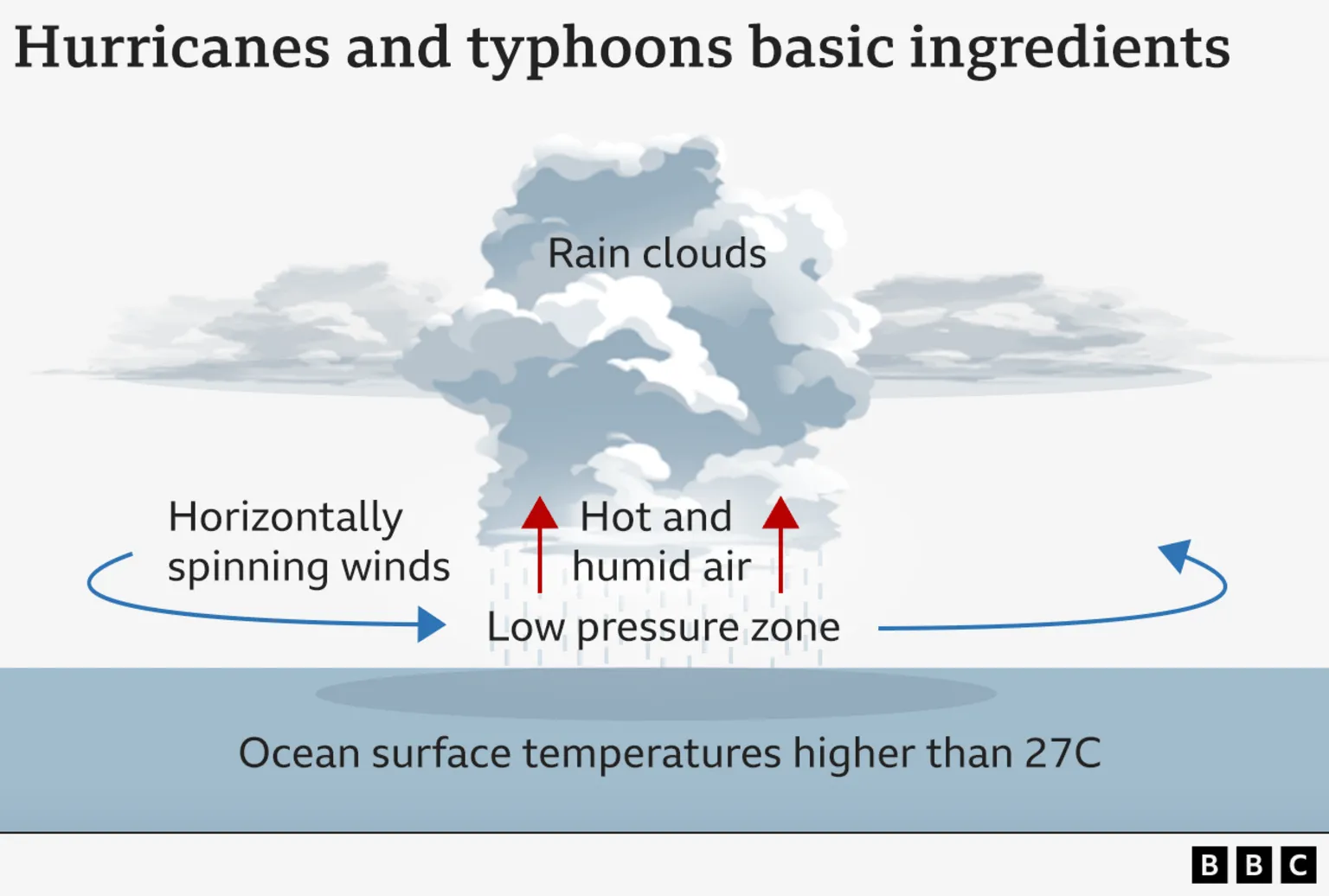
Hurricanes, typhoons, and cyclones originate as atmospheric disturbances, such as tropical waves or areas of low pressure where thunderstorms and clouds develop. Warm, moist air rises from the ocean surface, causing winds to begin spinning. This rotation is influenced by the Earth's rotation, which affects wind patterns in tropical regions just away from the equator.
For a hurricane to develop and maintain its rotation, the sea surface temperature generally needs to be at least 27°C to provide sufficient energy. Additionally, wind shear—the variation of wind speed and direction with height—needs to be low to allow the storm to organize and strengthen.
When these conditions align, an intense hurricane can form, although the precise causes of individual storms are complex and influenced by multiple factors.
Have Hurricanes Been Getting Worse?
Globally, the frequency of tropical cyclones has not increased over the past century and may have even decreased, although long-term data is limited in some regions.
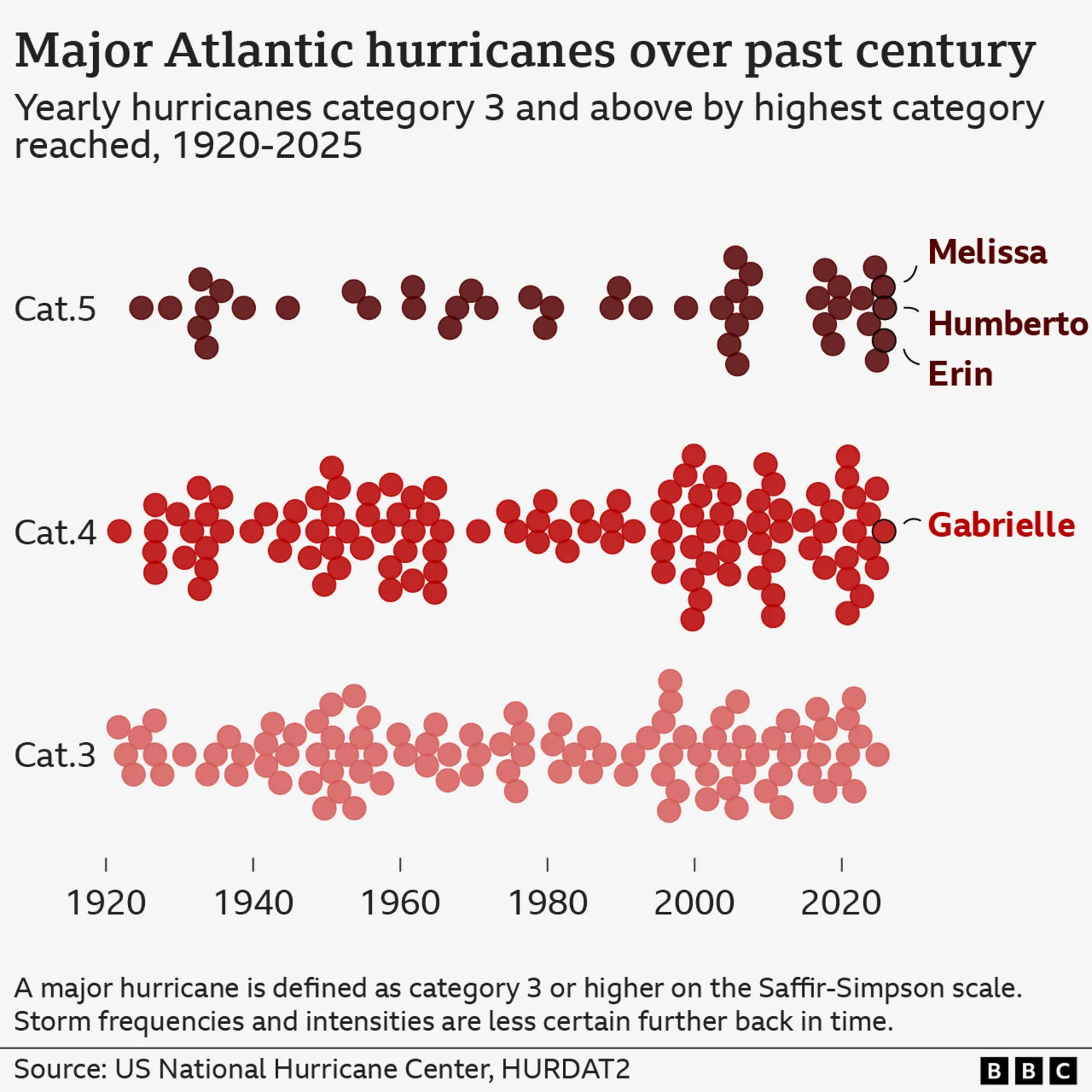
However, according to the United Nations' climate body, the Intergovernmental Panel on Climate Change (IPCC), it is "likely" that a higher proportion of tropical cyclones worldwide have reached category three or above over the past four decades, indicating an increase in the number of the most intense storms.
The IPCC quotes "medium confidence" that there has been an increase in the average and peak rainfall rates associated with tropical cyclones.
The frequency and magnitude of "rapid intensification events" in the Atlantic have also likely increased. Rapid intensification refers to situations where maximum wind speeds increase very quickly, which can be especially dangerous for affected communities.
There has also been a slowdown in the forward speed of tropical cyclones across the Earth's surface. This slower movement typically results in more rainfall over a given location. For example, Hurricane Harvey in 2017 stalled over Houston, Texas, releasing approximately 100 cm of rain in three days.
In some regions, the average location where tropical cyclones reach their peak intensity has shifted poleward. For instance, this shift has been observed in the western North Pacific, potentially exposing new communities to these hazards.
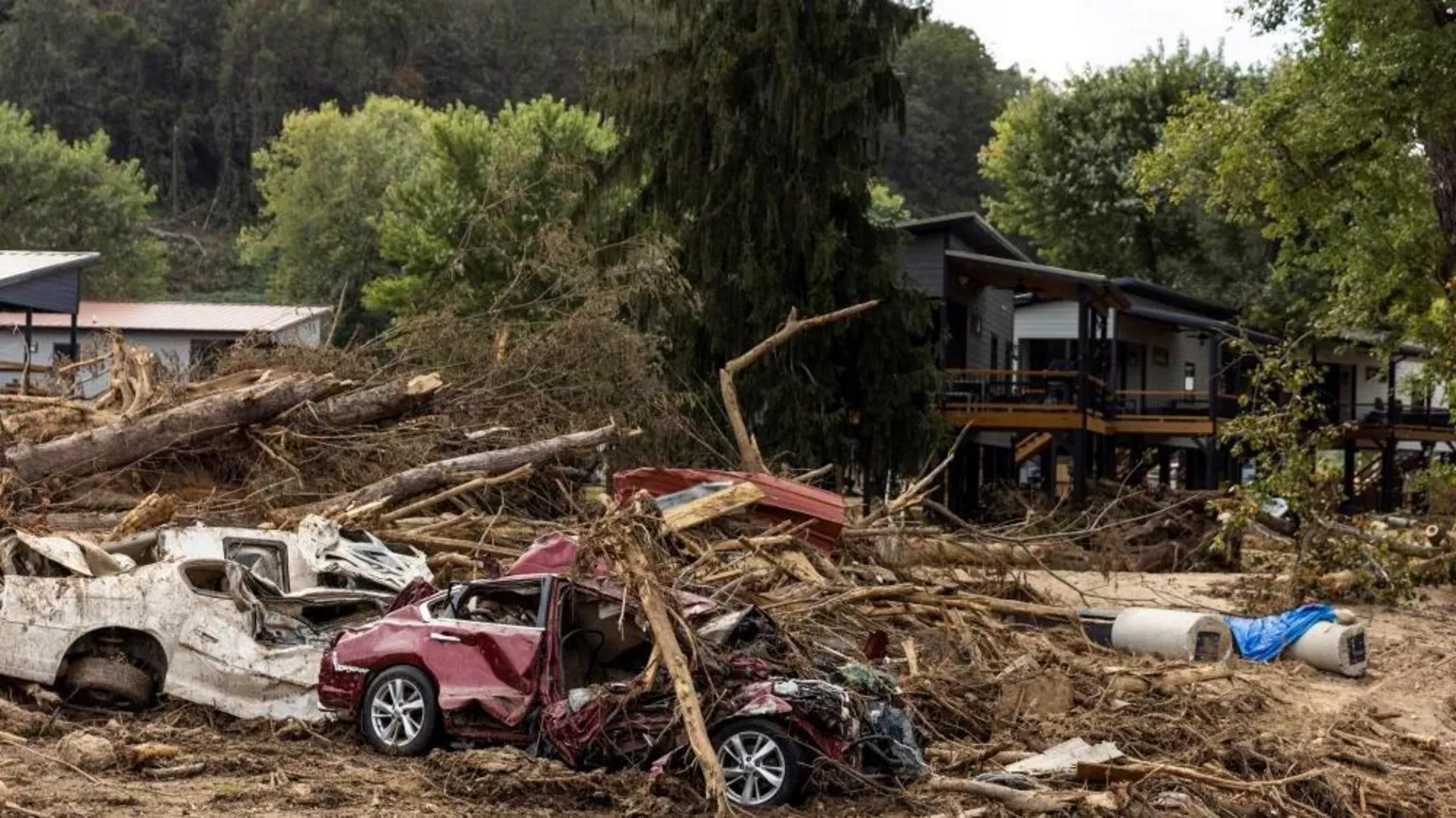
There is also evidence that the increased intensity of hurricanes in the United States has led to greater damage.
How Is Climate Change Affecting Hurricanes?
Determining the precise influence of climate change on individual tropical cyclones is challenging due to the complexity of these storm systems. Nevertheless, rising temperatures affect these storms in several ways.
Firstly, warmer ocean waters provide more energy for storms, resulting in higher wind speeds. A recent study estimated that maximum wind speeds of hurricanes between 2019 and 2023 were increased by an average of 19 mph (30 km/h) due to human-driven ocean warming.
Secondly, a warmer atmosphere can hold more moisture, leading to more intense rainfall during storms. For example, climate change made the extreme rainfall from Hurricane Harvey in 2017 approximately three times more likely, according to one estimate.
Finally, sea levels are rising, primarily due to melting glaciers and ice sheets, as well as thermal expansion of warmer water. Local factors also contribute to sea-level changes. Higher sea levels mean that storm surges occur on top of already elevated baseline levels, worsening coastal flooding.
For instance, it is estimated that flood heights from Hurricane Katrina in 2005—one of the deadliest storms in US history—were 15-60% higher than they would have been under the climate conditions of 1900.
Overall, the IPCC concludes that there is "high confidence" that humans have contributed to increases in precipitation associated with tropical cyclones, and "medium confidence" that humans have contributed to the higher probability of a tropical cyclone being more intense.
How Might Hurricanes Change in the Future?
The IPCC states that the global number of tropical cyclones is unlikely to increase. However, as global temperatures continue to rise, it is "very likely" that these storms will produce higher rainfall rates and reach higher peak wind speeds. This implies that a greater proportion of tropical cyclones will reach the most intense categories, four and five.
The extent of these changes is expected to correlate with the magnitude of global warming. The proportion of tropical cyclones reaching category four and five may increase by approximately 10% if global temperature rises are limited to 1.5°C, increasing to 13% at 2°C and 20% at 4°C, according to the IPCC. However, these numbers carry some uncertainty.


