Emperor Penguins’ Moult Under Threat from Climate Change
Scientists have identified that the annual process during which Emperor penguins completely shed and regrow their feathers is increasingly endangering the species as Antarctica undergoes significant warming.
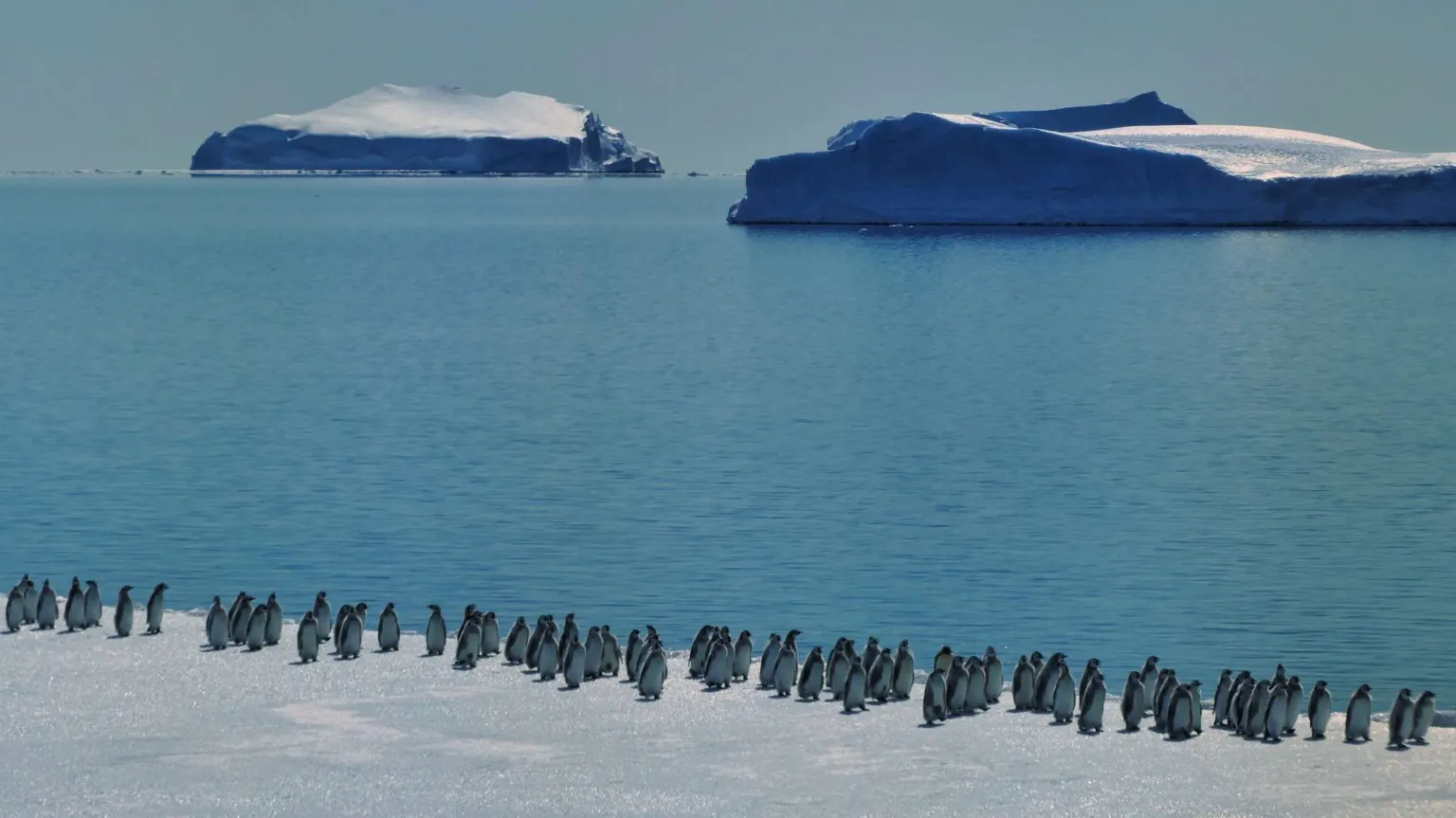
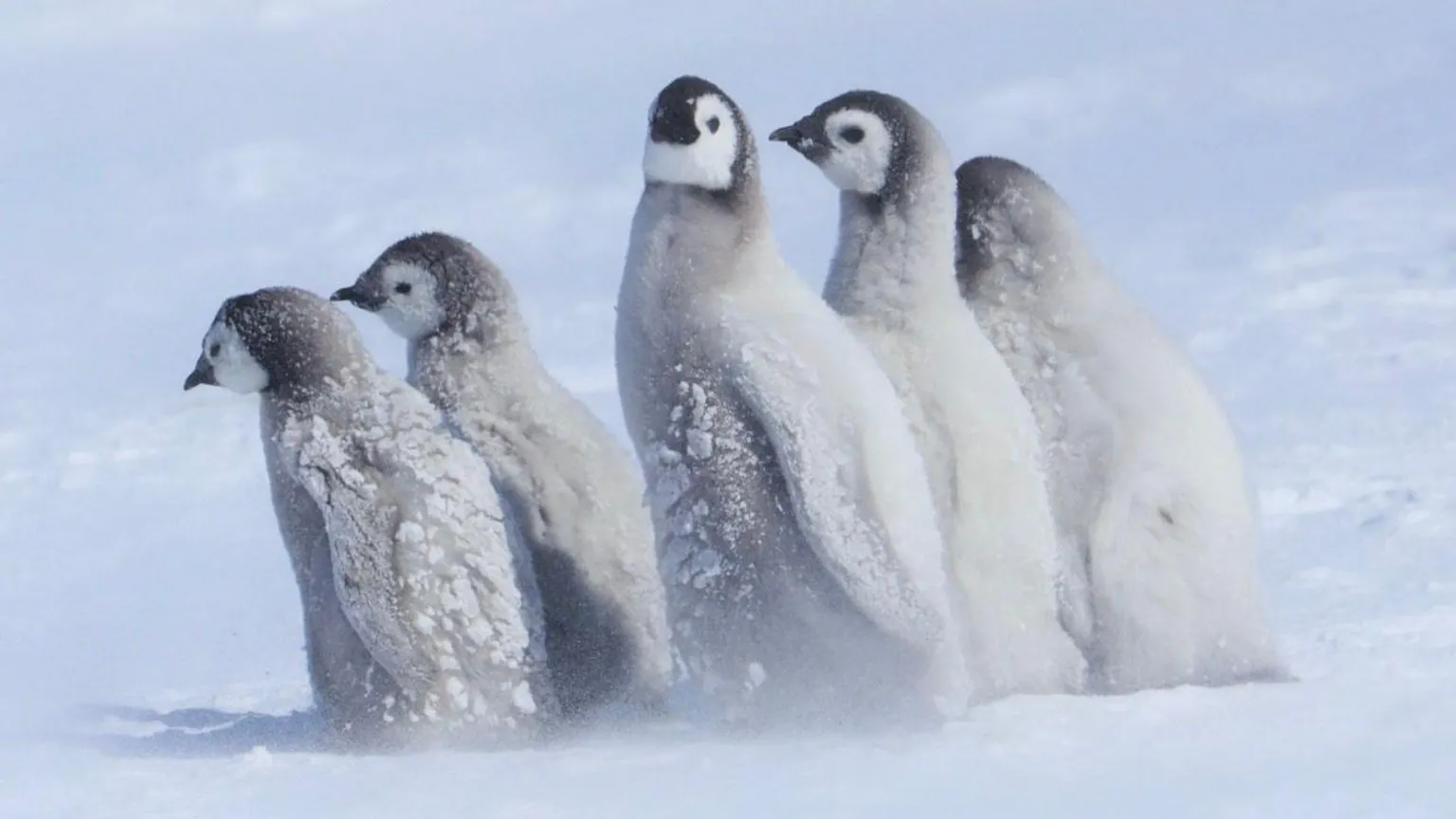
Each year, Emperor penguins must remain on stable floating ice platforms long enough to replace their weathered feathers with new, waterproof plumage. However, between 2022 and 2024, Antarctic sea ice diminished drastically, primarily due to climate change, removing the safe moulting grounds the birds depend on.
Researchers using satellite imagery to monitor these penguins have recently been unable to locate most of the colonies. There are concerns that thousands of penguins may have succumbed to the frigid Antarctic waters.
"This was really an 'oh my God' moment," said Dr Peter Fretwell of the British Antarctic Survey, who has studied Emperor penguins for two decades.
"You could see this was something game-changing for Emperor penguins. Suddenly you're thinking, well, have we got time to save them?"
The study, published in the journal Communications Earth & Environment, presents evidence of the consequences stemming from the collapse of Antarctic summer sea ice during 2022-2024, a topic previously reported by the BBC.
The research focuses on West Antarctica, which hosts 30-40% of the global Emperor penguin population. These birds are among the most vulnerable species worldwide.
Emperor penguins undertake migrations spanning thousands of kilometres to locate stable sea ice during the Antarctic summer, where they endure a period known as the "catastrophic moult" annually.
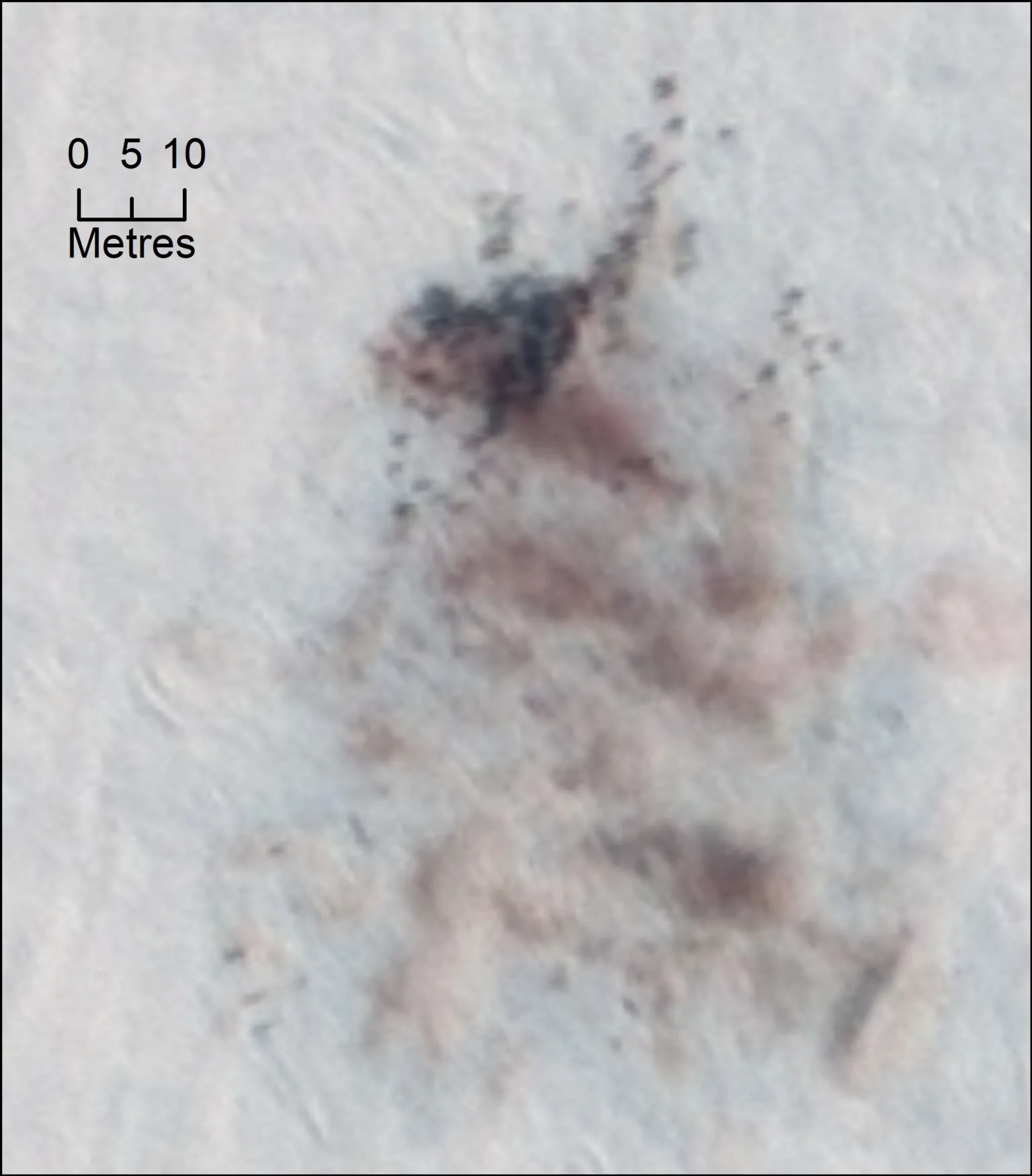
Prior to this research, limited information was available about the 30-40 day moulting period. Dr Fretwell observed large brown patches in satellite images from 2019 to 2025, which were identified as accumulations of feathers in an area named Marine Bird Land.
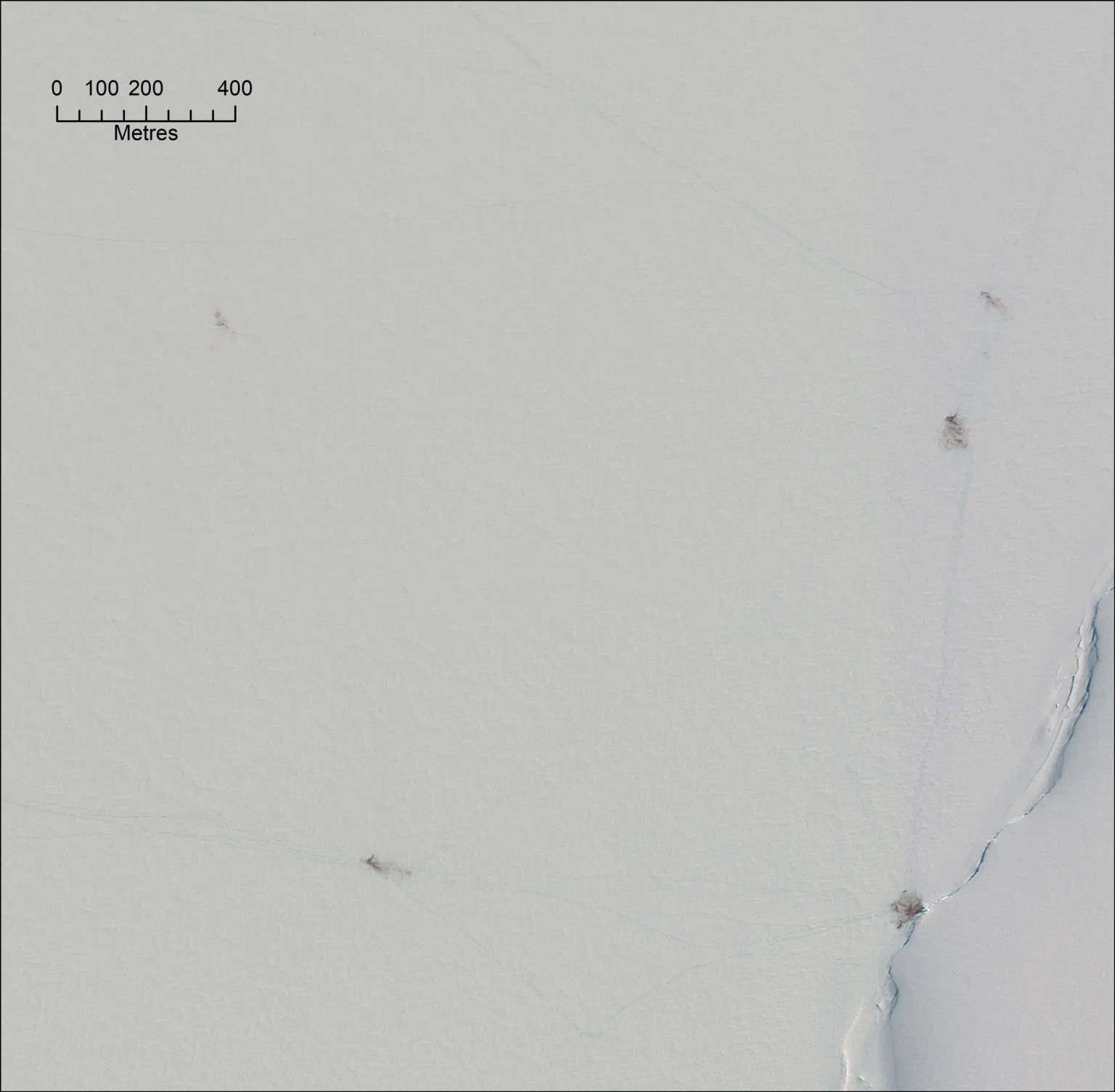
Dr Fretwell explained, "The penguins' feathers are the most complicated and best insulating of any animal. Over time they become damaged, so the penguins shed them annually."
He added, "It's incredibly energy-intensive and the birds use up to 50% of their body mass during this process."

"It's probably the most dangerous time for adult Emperor penguins because they haven't got their waterproof suits on," he continued. "If they enter the water during this time, they are likely to perish."
During 2019, 2020, and 2021, sea ice remained relatively stable, and substantial feather mounds were visible in satellite imagery.
However, in 2022, Antarctic summer sea ice contracted sharply, decreasing from an average of 2.8 million square kilometres to a record low of 1.79 million square kilometres in 2023.
This declining trend persisted until 2025, when a slight recovery of sea ice was observed in West Antarctica.
Despite this, when Dr Fretwell examined satellite images, he detected very few signs of the penguins.
"There should have been lots of penguins there, but actually we could only see 25 groups," he said. "Groups vary in size from tens to up to 1,000 birds."
"Again this year the sea ice hasn't been too bad, but I can only see a handful of penguins really," he added.
He expressed concern that most of the penguins may have died. Some might have relocated to other areas in East Antarctica to moult, but such a shift would disrupt breeding cycles and likely result in population declines.
In the longer term, the species’ best chance for survival may lie in adapting to moult on shallow ice shelves. Dr Fretwell has observed some groups beginning this adaptation, although it may negatively affect their breeding and feeding patterns.
He emphasized that these findings highlight how global warming’s effects can sometimes be sudden and dramatic.
"It wasn't just a few colonies that were lost and it wasn't a slow process," he said.
"It is the only piece of science I've ever done that's really emotionally got me," he added.
Future Research and Conservation Implications
Dr Fretwell plans to compare these observations with an upcoming population census of Emperor penguins in the Ross Sea region, where the birds migrate to and from. This will provide further data on potential mortality rates.
He noted that the results could alter current predictions regarding the species’ extinction timeline.
"Now I'm asking, is that coming forwards towards us? Is it the end of the century?" he questioned.