Expedition Launches from Norway to Explore Arctic Ecosystems
An eight-month scientific expedition will commence shortly from Norway, aiming to discover new species before climate change and pollution irreversibly alter the northern ocean.
Next month, six scientists and six crew members will travel to Kirkenes, a remote Arctic town near the Russian border, to begin a journey into one of Earth's most hostile, inaccessible, and least-studied regions. There, they will board the Tara polar station, a futuristic floating laboratory built in France.
The team will face extreme and isolating conditions, including months of total darkness and temperatures dropping to -50°C (-58°F). Upon arriving in Norway on 14 August, they will wait for favorable weather and an icebreaker to clear a path before embarking on an eight-month voyage. The vessel, measuring 26 meters long and 16 meters wide, is designed to be frozen into the pack ice and drift slowly over the North Pole.
The mission's objective is to collect data on how climate change and pollution are impacting the central Arctic Ocean's unique, complex, and largely unknown ecosystems, which are among the most fragile worldwide.
“We are losing species before we have time to discover them,”said Romain Troublé, a microbiologist turned sailor and executive director of the Tara Ocean Foundation, a French philanthropic organization.
“So we’re there to document these. In the next 20 years, everything will shift.”
For his contributions to developing the polar station, Troublé received recognition this week.
In 2023, Nature magazine described Troublé and Étienne Bourgois, co-founder of the Tara Ocean Foundation, as visionary leaders. An editorial compared the continuous two-year expedition of the original Tara schooner, which sailed across Pacific coral reefs and contributed to research on reef formation and biodiversity, to historic voyages such as Charles Darwin’s journey aboard HMS Beagle from 1831 to 1836.
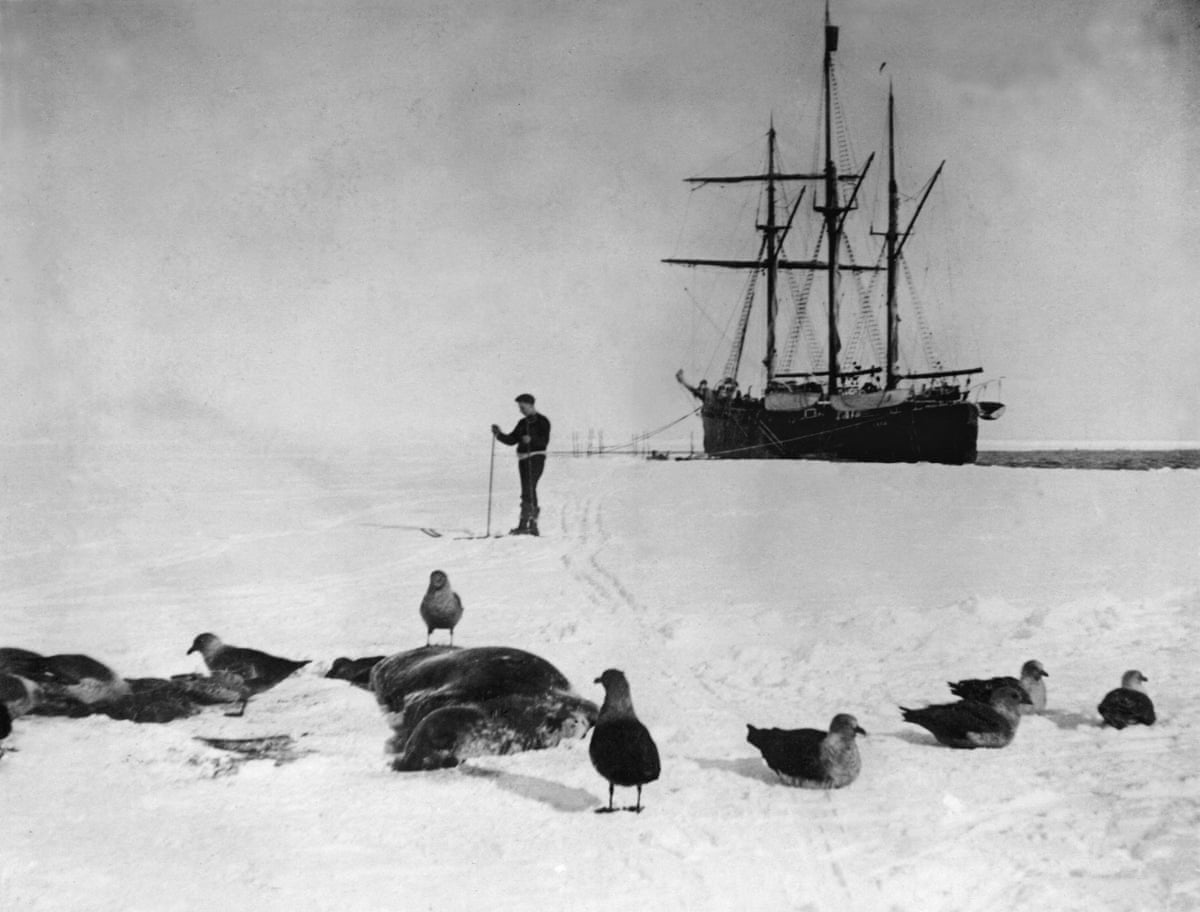
An earlier version of the Tara schooner undertook a transpolar drift in the Arctic in 2006, marking only the second such expedition in the central Arctic since Fridtjof Nansen completed the first aboard his ship, the Fram, between 1893 and 1896.
“We decided we wanted to do it again in the future, with more funding, with more means,”Troublé explained.
“We know pretty well the depth, the physics of the Arctic. But we have no clue about the life, the biological aspect. It is a blank sheet to discover.”
The station’s design was created by Agnès Troublé and Bourgois, while Romain Troublé secured the €26 million (£22 million) funding and organized the mission. He noted several challenges, including assembling scientists from 15 countries and addressing the "human challenge" for personnel onboard.

The scientists and crew will be extremely isolated; although emergency rescue is possible, it could take up to a week to reach them. This expedition is the first phase of a planned continuous mission spanning 10 legs over 20 years, aiming to influence policies that protect the Arctic.
The urgency of the mission is underscored by the Arctic warming three to four times faster than other regions, with sea ice that once shielded the area melting rapidly. This exposes the sea to increased risks from shipping, fishing, mining, and pollution.
Dr Nina Schuback, a biological oceanographer taking leave from the Swiss Polar Institute to participate, stated,
“We know that the central Arctic Ocean is changing really, really rapidly. We can see the ice conditions changing, using satellite data, but if you want to talk about the effect this has on biology, it is very hard to get data.”
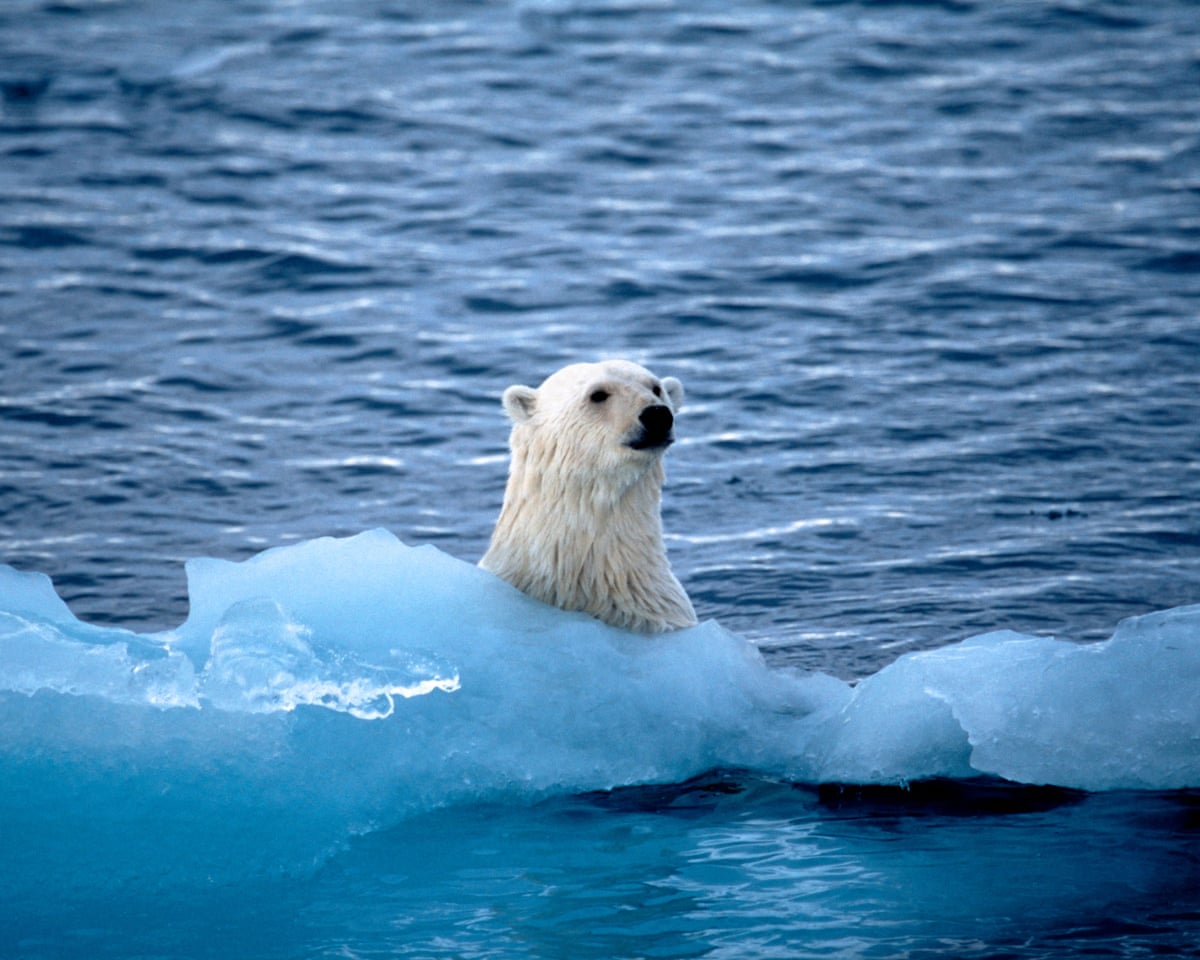
The Arctic Ocean and its sea ice support an interconnected ecosystem, including polar bears, walruses, beluga whales, and microbes such as ice algae that form the base of the food chain.
Schuback and her colleagues will collect microbial samples from seawater via the station’s "moon pool," a central opening that also serves as the launch point for divers, underwater drones, and remotely operated vehicles to explore beneath the ice. They hope to identify new species adapted to this unique environment where the sun does not rise for nearly half the year.
Schuback, who underwent a rigorous selection process, admitted she feels both
“excited and scared”about experiencing the polar winter.
“I’ve never experienced polar night. My biggest fear is the darkness. You get tired,”she said, adding,
“And I do a lot of exercise but it will be hard on such a small platform.
“But time will go very quickly. There’s exciting science – and how often do you get the chance to do something like this? I feel very privileged.”
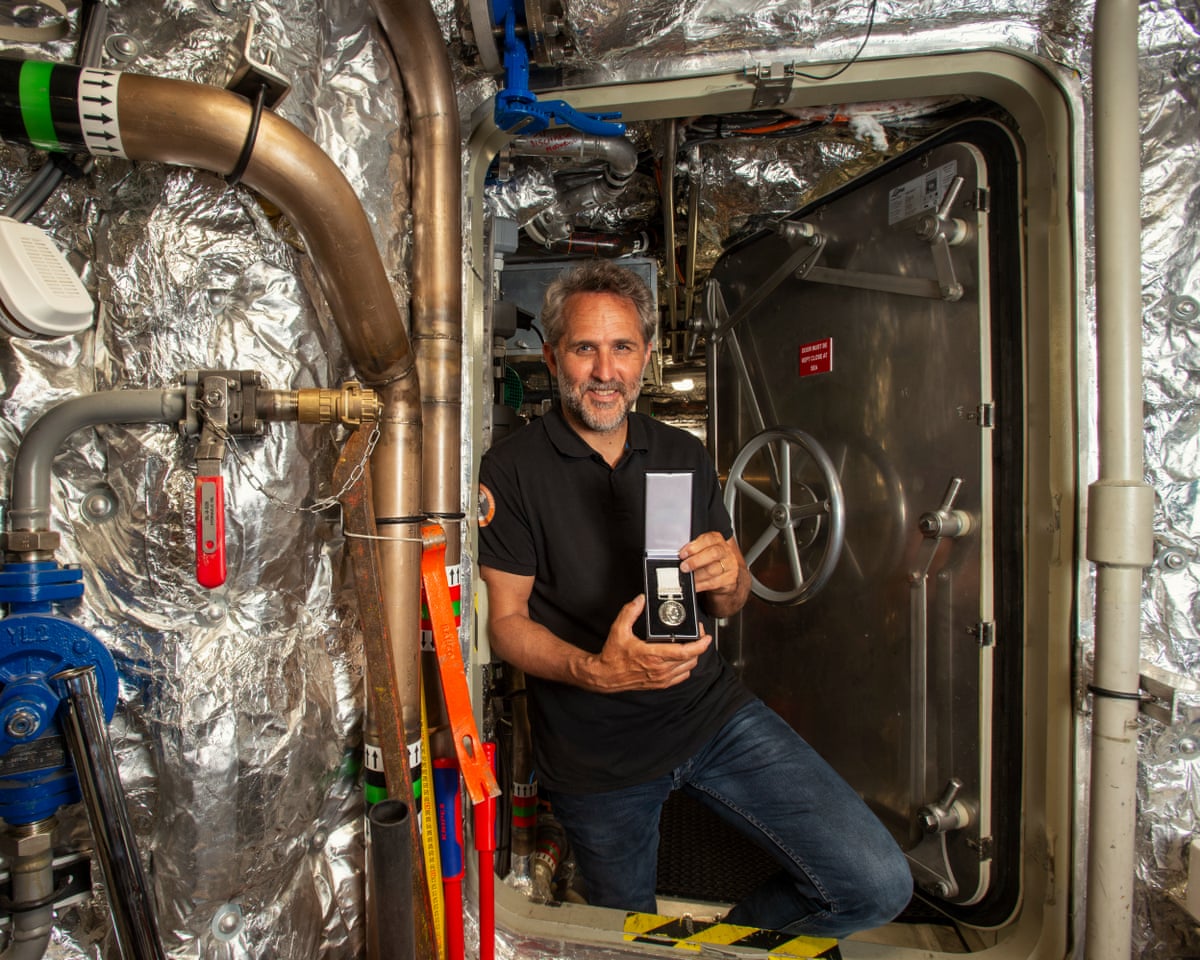
The expedition's innovative vessel is designed for a long-term scientific mission in the Arctic.
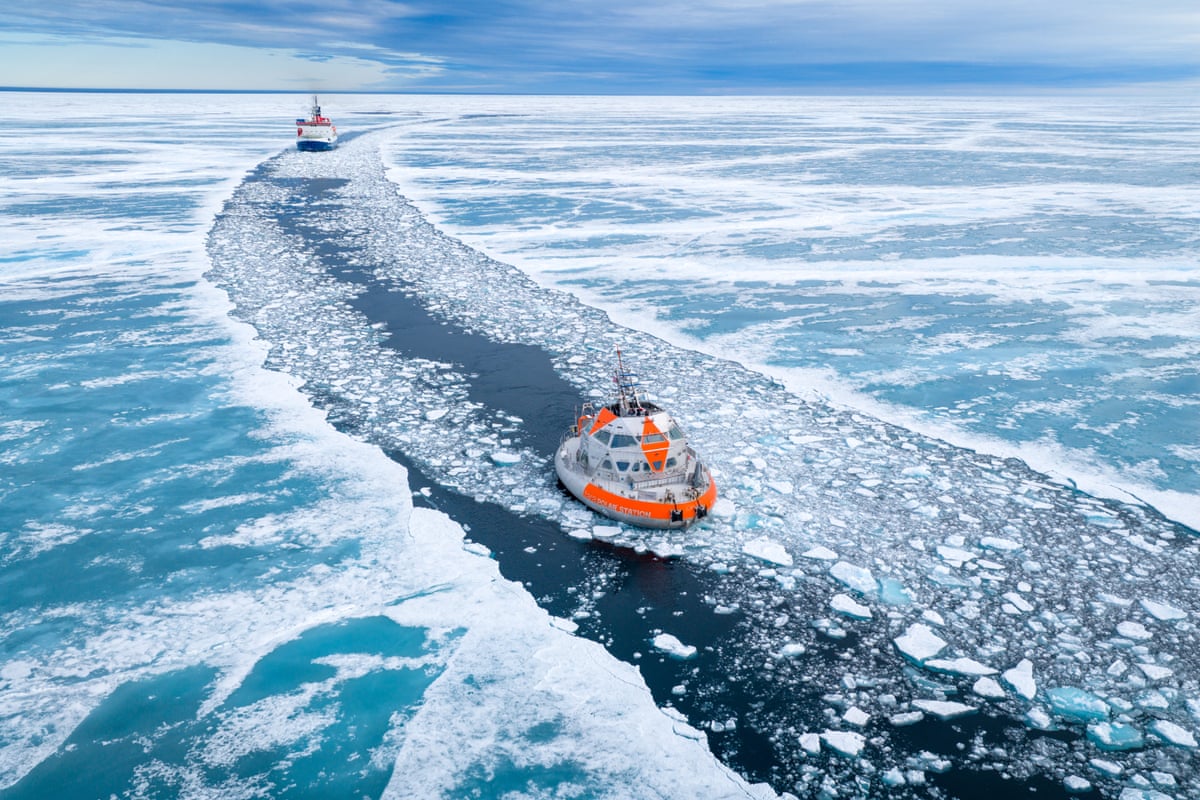
The 2006 transpolar drift expedition by the earlier Tara schooner followed in the footsteps of historic Arctic explorations.
Environmental changes threaten iconic Arctic wildlife, such as polar bears clinging to melting ice floes near Svalbard.