

Campaigners Spotlight Pollution in Britain's Waterways
One of the campaigners who inspired 's new docudrama Dirty Business has described the pollution of Britain's waterways as having "tragic and upsetting" consequences.
Ash Smith, an Oxfordshire resident, began investigating pollution along stretches of the River Windrush in the Cotswolds in 2016, alongside fellow campaigner Peter Hammond.
The two are now central figures in Dirty Business, a series partly based on their decade-long investigation into England's water companies. The show portrays real stories of whistleblowers and victims who believe their lives have been devastated by exposure to sewage-contaminated water.
"The stories are real, they're about real people, and some of it is so tragic and upsetting," Ash said.
Ash first noticed problems with the Windrush, a tributary of the Thames, shortly after relocating to west Oxfordshire.
"I've spent my life around rivers, I know what rivers should look like when they're healthy and the Windrush had a fantastic name, a beautiful reputation and I saw it and I thought that's not right," he explained.
"Within two years the weed went and the river was looking miserable."
Ash co-founded the Windrush Against Sewage Pollution (WASP) group to address these concerns.
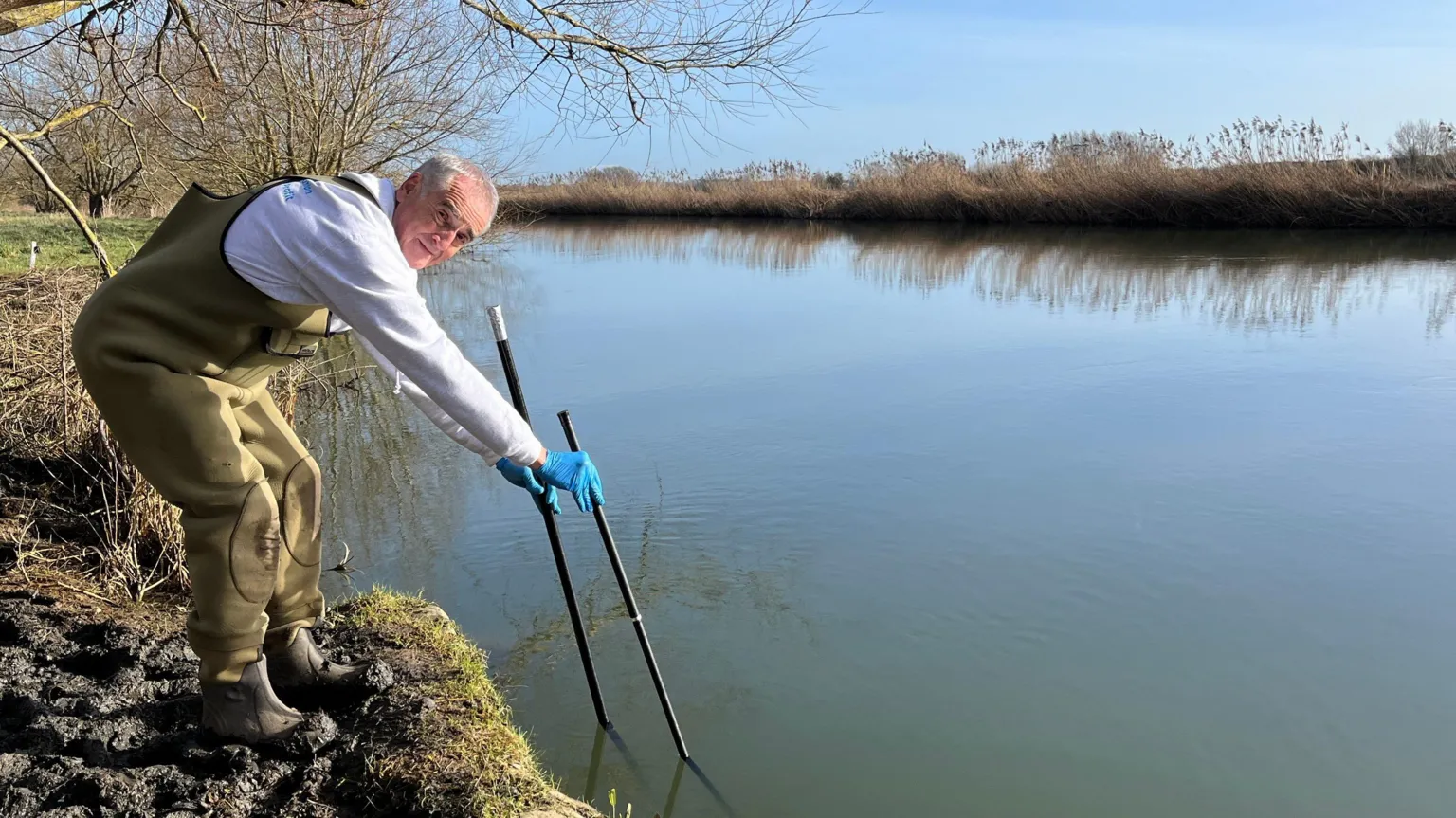
"I then started asking the questions and using the freedom of information law to dig a little deeper and [what I found] is concerning and it's disturbing," he said.
A Decade-Long Fight for Accountability
What began as a local concern evolved into a ten-year campaign to hold water companies accountable for sewage discharges.
"We've concentrated on being accurate, on being truthful and not exaggerating - because you don't have to - it's shocking enough," Ash stated.
"In fact, every time we thought we'd got something that was really bad it actually turned out to be far worse."
Ash, a former police officer, and Peter, a former Oxford University mathematics professor, have spent years investigating sewage discharges and have compiled evidence of an environmental catastrophe affecting the nation's waterways.

"We're in a terrible state and that has to be fixed really quickly - but first of all we need to get to the heart of the problem that caused it," Ash said.
Series Highlights Their Investigation
Their investigative story has been adapted into a three-part series that aired this week.
The series has drawn comparisons to 2024's Mr Bates vs The Post Office, with noting that the latter demonstrated how television drama can intensify public outrage over a scandal and prompt official changes.
Jack Seale, in a five-star review, commented,
"If this doesn't do it, perhaps nothing will."
Ash is portrayed in the series by actor David Thewlis, known for his role in the Harry Potter films.
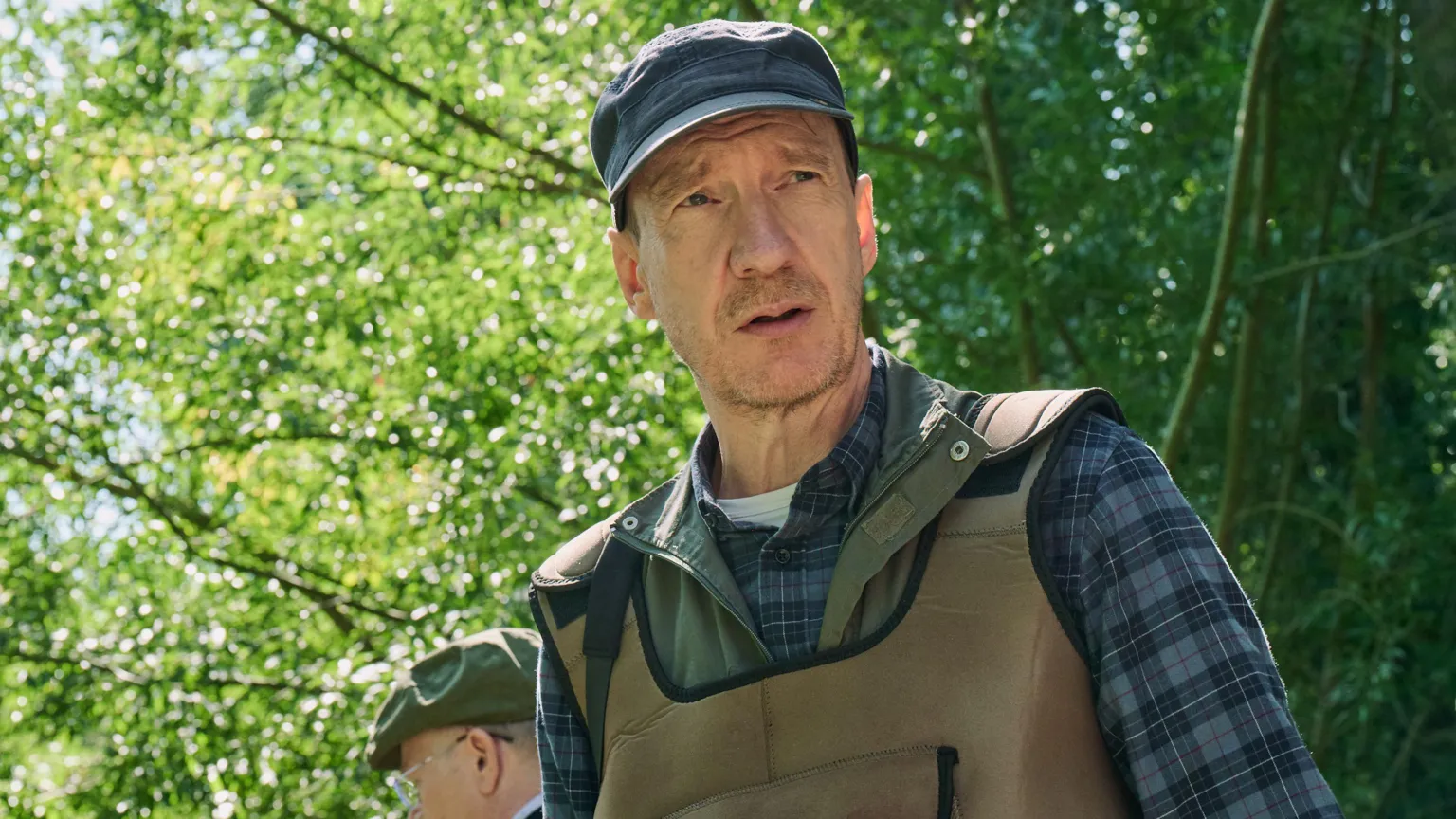
"I hope the series makes it clear we're in the middle of something," Ash said.
"This is not like an account of something that happened - it's an ongoing thing," he added.
"We've always been about informing the public and getting to the tipping point where enough members of the public know what is wrong and demand for it to be changed.
"It's 2026, we can afford to do it, we've paid to do it, we've paid easily enough money to do this properly and it's been diverted in what I think is a huge scam."
Legal Context and Government Response
Sewage discharges are legally permitted during heavy rainfall because combined sewer overflows act as a "safety valve," preventing sewer networks from backing up and flooding homes, roads, and businesses when overwhelmed.
Last year, the government pledged to reduce sewage discharges by half, following Thames Water's record £122.7 million fine for breaching rules on sewage spills and shareholder payouts.
In a statement, Thames Water emphasized its commitment to environmental responsibility.
"Taking action to improve the health of our rivers is a key focus for us and that is why, over the next five years, we are delivering the most significant upgrade to the wastewater network in 150 years," the company said.
Thames Water added that it "believes in transparency" and is working "proactively and constructively" with community groups, including WASP.
You can follow BBC Oxfordshire on Facebook, X (Twitter), or Instagram.


