

Rare Flower Rescued from Extinction in Guernsey
The dwarf pansy (Viola kitaibeliana), a rare flower with a limited presence in the British Isles, has been successfully preserved in Guernsey through a dedicated conservation effort. While this species is widespread across southern Europe, within the British Isles it is only found in Guernsey and the Isles of Scilly.
First recorded in Guernsey in 1871, the dwarf pansy historically grew along the island's west coast and on Lihou Island. However, its wild population has since dwindled, with only a small group remaining at Pleinmont.
A collaborative project between La Société Guernesiaise and the charity Grow involved collecting seeds from the dwarf pansy's small lilac flowers and propagating them. The plan includes eventually offering these plants for sale to support the ongoing conservation work of both organizations.


Encouraging Native Planting and Conservation
Helen Litchfield, secretary of the botany section at La Société Guernesiaise, highlighted the success of the propagation efforts, stating that the dwarf pansy is no longer at risk of extinction.
"Dwarf pansies are definitely one of our very rarest plants, that will not be going extinct anytime soon,"
Guernsey is home to 167 plant species considered rare in the British Isles, with 34 species found in fewer than 25 locations.
Although the dwarf pansies are not yet available for purchase, Litchfield encouraged island residents to plant other native and naturalised species to aid conservation efforts.
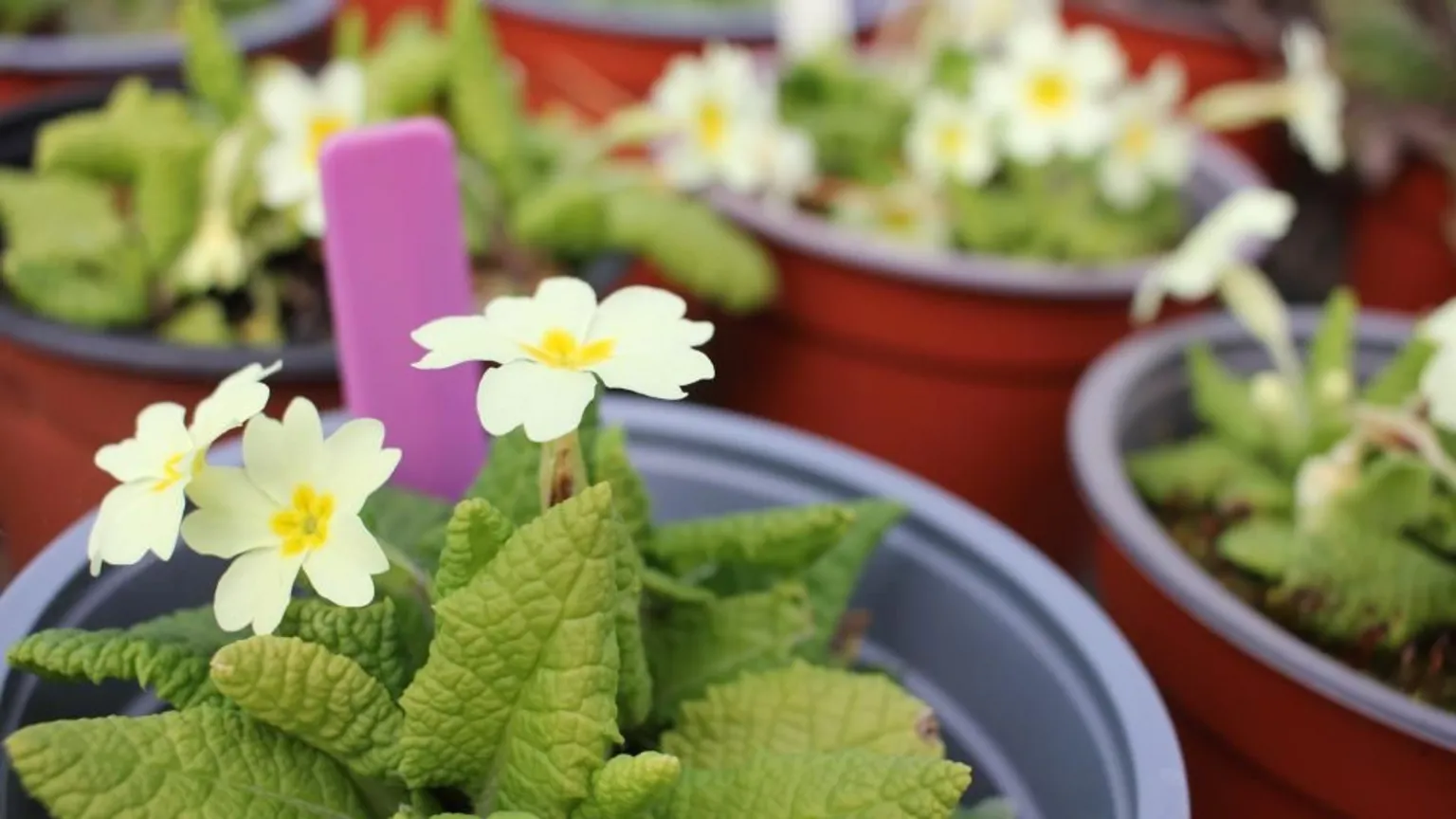
"You can't argue with a primrose, they're absolutely glorious... red campions will flower all year round, and they are just so beneficial to all sorts of insects and wildlife,"
"We don't want to lose anymore plants, so our rarest plants are being preserved in this way."
Addressing Invasive Species to Protect Biodiversity
Litchfield also emphasized the importance of controlling invasive non-native species such as stinking onions and wild leek. These species spread rapidly in gardens and can out-compete native plants in the wild, threatening vital habitats like the Bluebell Woods and coastal turf.
"These species spread fast in the garden, and quickly out-compete native species in the wild, overtaking important habitats like the Bluebell Woods and coastal turf."


