Increased Orca Sightings Near Farne Islands
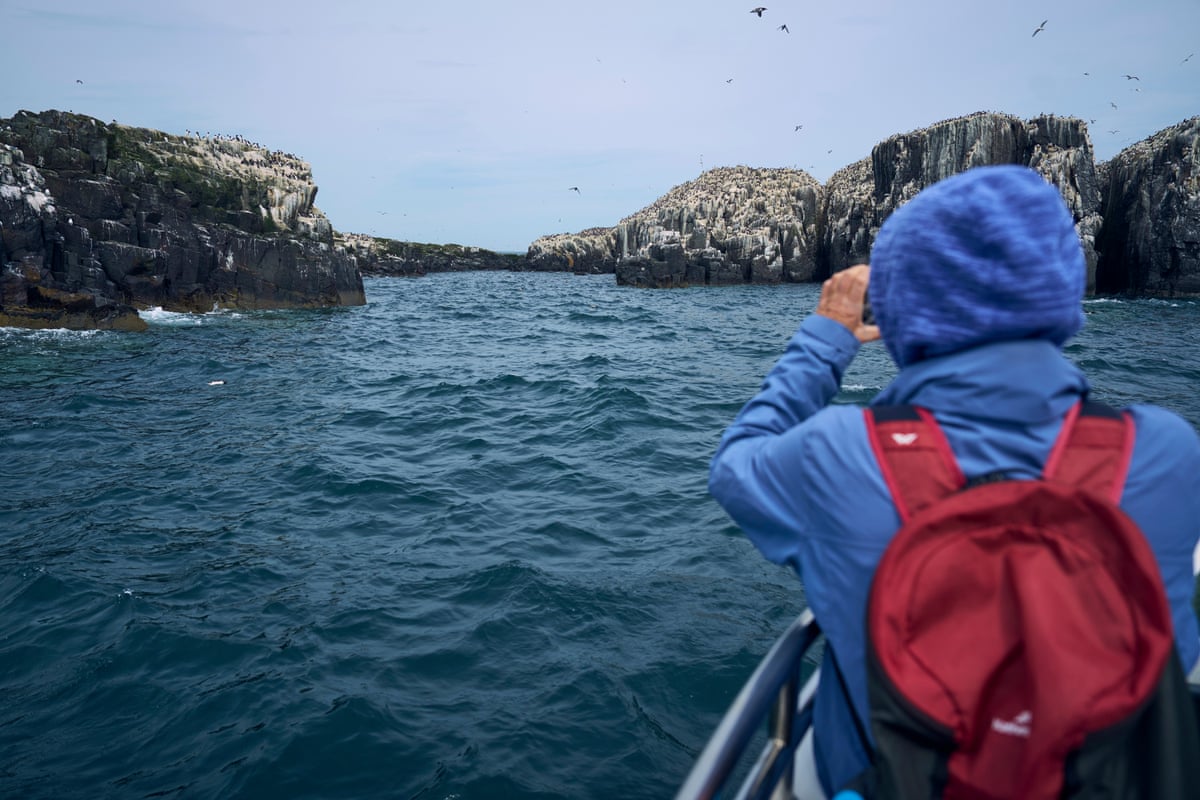
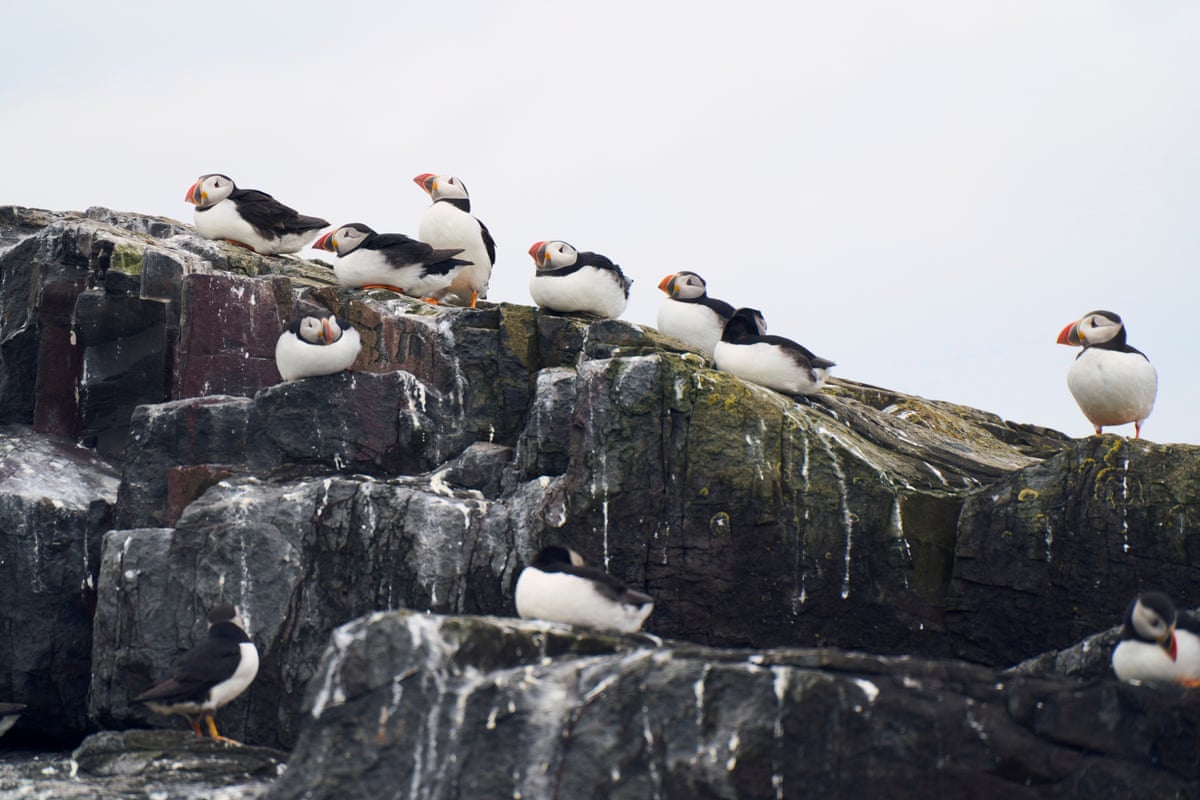
The Farne Islands, located off the Northumberland coast, have traditionally attracted nature enthusiasts eager to observe resident seabirds such as guillemots and puffins.
However, in recent times, particularly last week, a larger black-and-white marine species has been captivating wildlife observers. Orcas have been appearing more frequently and closer to shore than in previous years, alongside a rise in dolphin sightings.
Historically, fishers in these waters might have spotted orcas far offshore, but the past two years have seen more regular and nearshore appearances of these cetaceans.
Experts Discuss Possible Causes
Cetacean specialists acknowledge the difficulty in pinpointing the exact reasons behind the notable increase in orca and dolphin sightings off Northumberland. Nonetheless, they suggest this trend could signify improvements in the marine ecosystem's health.
Perspectives from Serenity Boat Tours
Andrew Douglas, owner of Serenity Boat Tours, recounted his first orca sighting last year with enthusiasm.
“I was like a little child … excited as hell.”
“And I looked around at everybody else, and the smiles are just beaming, and you just think to yourself, that’s what it’s all about.
“The big dorsal fins on the males are just absolutely huge, it just makes you smile, it’s really cool.”
Since that initial encounter, Douglas and his crew have observed orca pods several times, whereas prior to this, Douglas had only seen orcas once before, at age 20.
Participants on his tours frequently inquire about the likelihood of orca sightings, asking,
“When will we see the orcas?”
Douglas noted the unpredictability of such sightings, stating,
“They’re just unpredictable, so you never know.”
While the Farne Islands themselves remain a significant draw, Douglas has observed increased visitor numbers coinciding with the orca appearances.
“Having the orca, it doesn’t half boost things,”
he said.

Potential Impact of Sandeel Fishing Ban
Douglas speculated that a government ban on sandeel fishing, implemented approximately two years ago, may have contributed to the resurgence of marine life.
“That’s the best thing the government’s done so far,”
“They banned it about two years ago, and that’s made a massive difference straight away.
“Not just from the orcas, but from dolphins and other things, you don’t pinch from the bottom of the food chain, you need that bottom of the food chain to get the rest of the stuff working, and it’s made a massive difference for the birds as well, so I think that’s one of the big things.”
Sandeels, described as “tiny, tiny fish,” are fundamental to the marine food chain. Their depletion can negatively affect higher trophic levels.
“Things have just started to come back,”
“So you’re starting to see a lot more mackerel now, a lot of herring now, so I think these orcas are attracted to all that food.”
Local Crewman Shares Experiences
Aaron Fordy, a crewman born and raised in Seahouses, has witnessed orcas on four occasions, recalling the specific dates from memory.
“You’re used to dolphins and porpoises and things which are a lot smaller,”
“and then you get an orca which is massive, big dorsal fins, they stick out like a sore thumb as well, just black and white in a blue sea, it’s really cool.”
He described the initial sighting as a moment of great excitement.
“We’re just jumping about, really excited to see them, because of course it’s a first experience for us too,”
Videos of the whales have been shared with researchers in the Shetlands, who have indicated that the sightings involve multiple different pods rather than repeated visits from the same group.
Scientific Insights on Orca Population and Ecosystem Health
Dr. Conor Ryan, an honorary research fellow at the Scottish Association for Marine Science, stated that there is no definitive explanation for the increased sightings. Possible factors include enhanced public awareness, orcas moving closer to shore, or an increase in their population.
He noted challenges faced by orcas in British waters, including difficulties in breeding due to pollution, with the Shetland population nearing extinction.
Dr. Ryan emphasized the significance of the sandeel fishing ban as a plausible contributing factor.
“By removing the bottom of the food chain, what we do is we decrease the biomass of the whole system so there’s less energy, less calories available for everybody in the ecosystem, and usually top predators are the ones that really suffer from that,”
He added that monitoring whale populations serves as a useful indicator of ecosystem health.
“And in general, if you’re getting big predators returning to an area, that’s a good sign of a healthy ecosystem.”
Julia Sutherland, a researcher at the University of St Andrews, described orcas as “highly mobile animals” and suggested that the rise in sightings could be due to both increased presence and greater reporting facilitated by social media.
“What we know about killer whales here in the UK is we’re lacking so much knowledge in comparison to elsewhere in the world, so it’s quite hard to draw really concrete conclusions at this stage.”
Dr. Luke Rendell, also from the University of St Andrews, highlighted that the orca population around the UK is among the most polluted globally, adversely affecting their reproductive potential.
“They are exploratory and curious animals.”
“Some of it could just be exploration and expanding their knowledge, some of it could be a reduction in the food resources where they were before and needing to explore more.”