

Unexplained Fish Die-Off and Pollution at Lake Suchitlán
Fishers on El Salvador’s largest lake continue to seek answers following a significant fish die-off, with no official explanation provided by the government.
From the village of Copapayo, Noel Avalos recalls the morning they rushed to the shore of Lake Suchitlán, the country’s main hydroelectric reservoir also known as Cerrón Grande, to find dead fish washed up overnight.
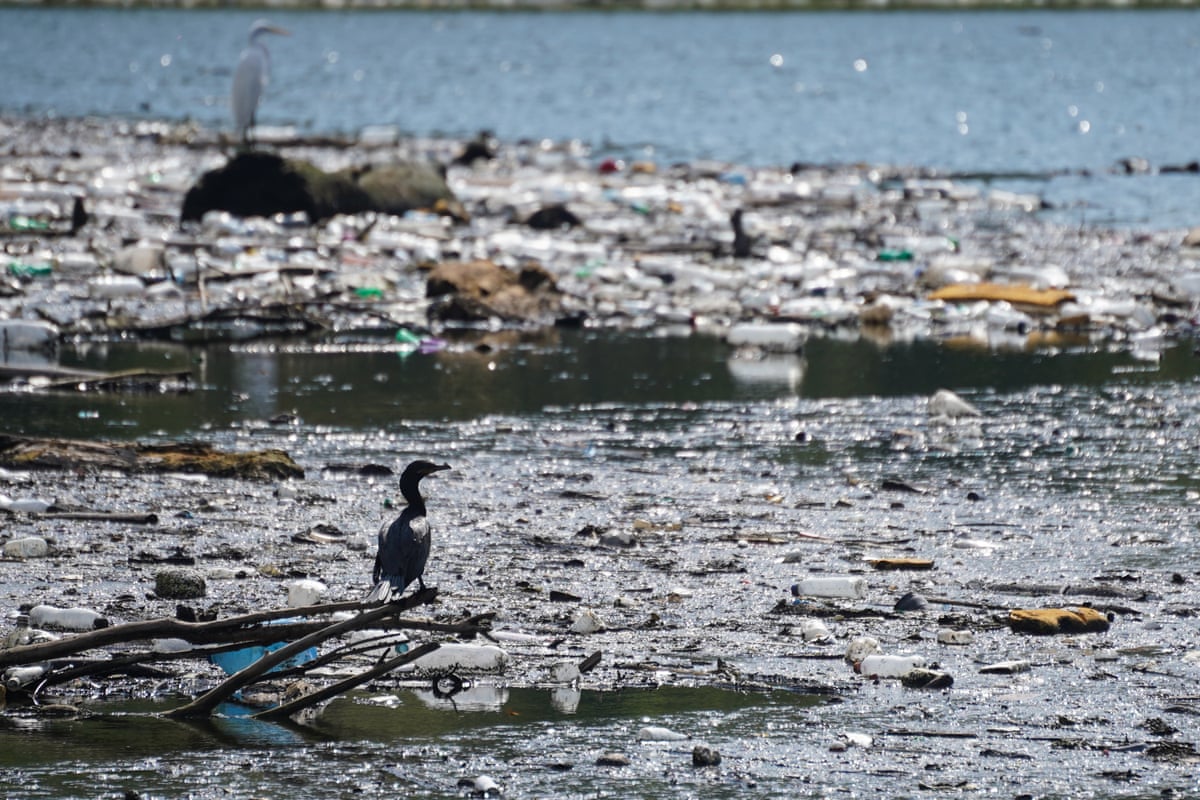
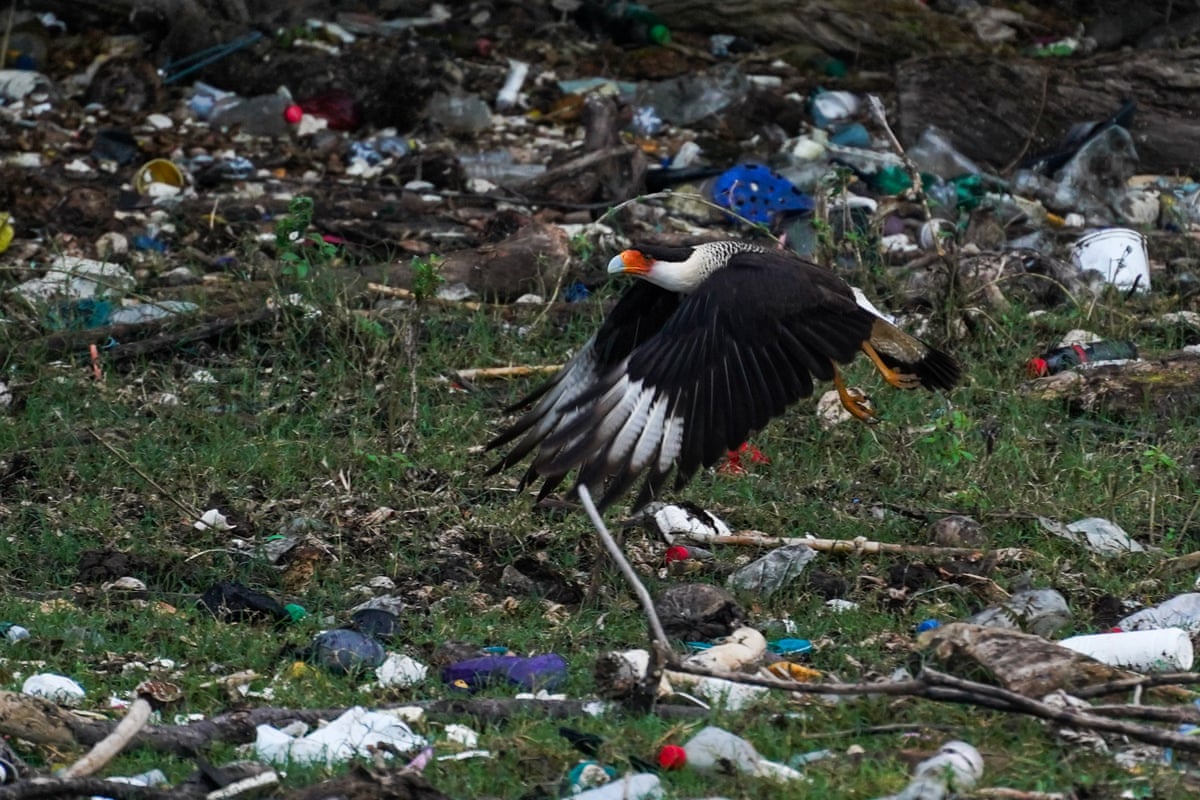
By August 2025, the lake’s 33,000-acre surface was extensively covered with water lettuce (Pistia stratiotes). In the months that followed, plastic waste accumulated along the shoreline, dead fish became increasingly common, and residents dependent on fishing reported worsening livelihoods.
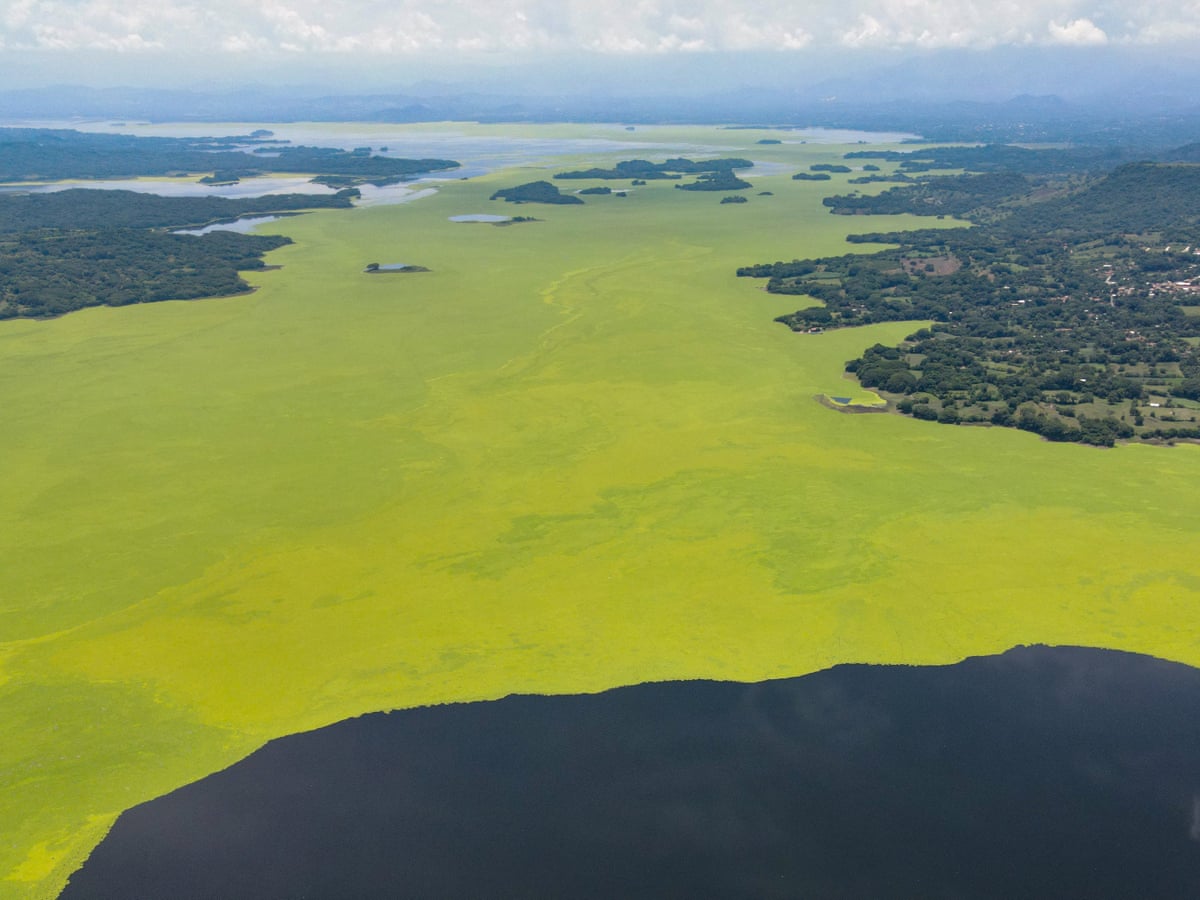
Nearly a year later, Salvadoran authorities under President Nayib Bukele have remained silent, offering no explanations or accountability for the environmental crisis.
Ecological and Economic Importance of Lake Suchitlán
The die-off occurred in a critical ecosystem. Lake Suchitlán is a Ramsar wetland, home to 12 of El Salvador’s 14 native fish species, as well as endangered species such as cougars and ocelots. It also serves as a reservoir feeding the Cerrón Grande dam, which supplies approximately 25% of the nation’s electricity.
Experts warn that the collapse of Lake Suchitlán threatens national food security, power generation, and public health.
For local fishers, who earn about $15 (£11) per day, the 2025 ecological collapse forced many to join clean-up efforts and rely on relatives’ income or agricultural crops. The military was mobilized to assist with the clean-up operation.
The pollution has also negatively impacted tourism, one of the few alternative income sources in the area. Local guides report that visitors who previously came for boat tours, birdwatching, and lakeside dining stopped visiting as the water became opaque and foul-smelling.
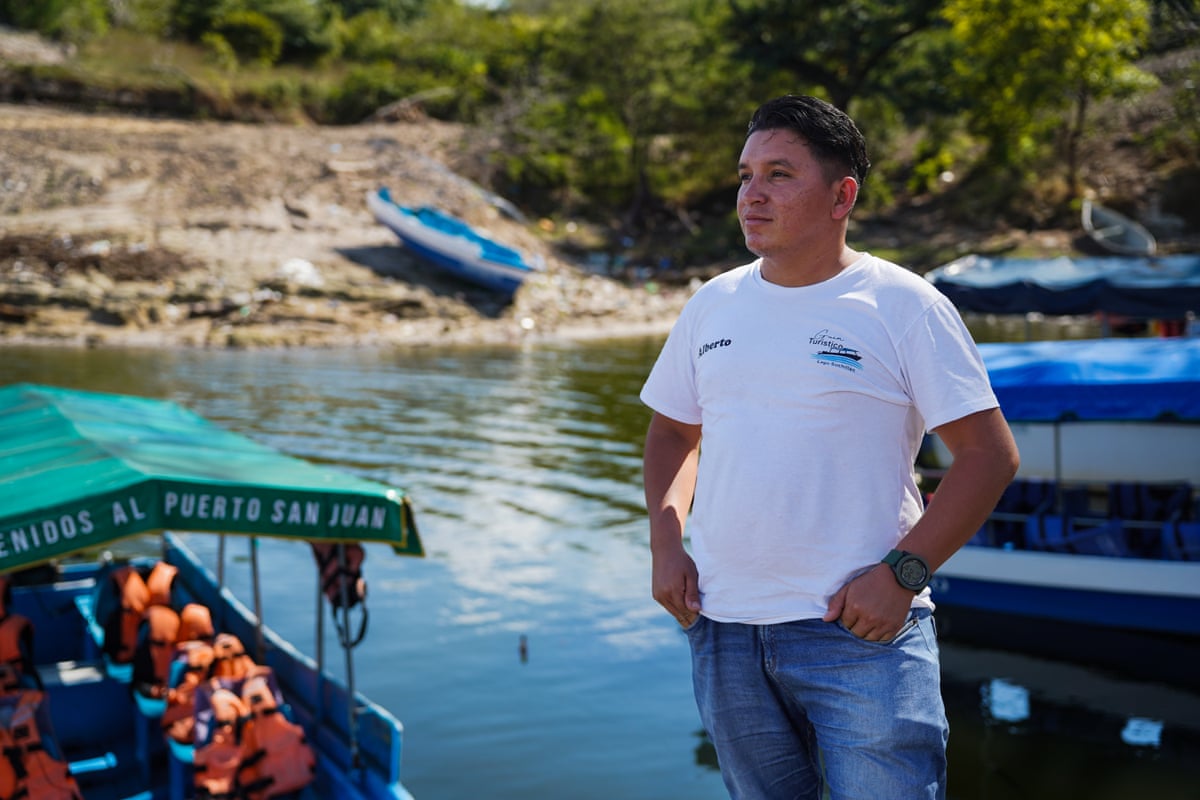
“The clean-up seemed impossible. People are starting to come back very slowly, but during these months we had to take different jobs, getting only 30% of what we were making before.”
— Alberto Castillo, boat operator in Suchitoto
Environmental Warnings and Causes
Scientists and local environmental organizations had warned for years that untreated sewage, agricultural runoff, and weak enforcement of water quality regulations were pushing the lake toward collapse.
Biologist Gabriel Cerén explained the severity of nutrient overload in the water:
“What facilitates the reproduction [of the water lettuce] is the high amount of nutrients that the Lempa River gets from fertilizers that end up in the lake and concentrates a high amount of nitrogen and sulphates.”
Under these conditions, invasive plants such as water lettuce proliferate, depleting oxygen levels necessary for fish and aquatic life. This led to fish deaths, increased mosquito populations, and persistent foul odors, marking a shift from gradual deterioration to ecosystem breakdown.
Official Response and Research Efforts
No official explanation has been communicated to the communities dependent on the lake. In the weeks following the die-off, researchers from the University of El Salvador’s toxicology laboratory (Labtox) were requested to analyze the water.
The request came through institutional channels linked to the courts, under which Labtox provides technical support without publishing public reports.
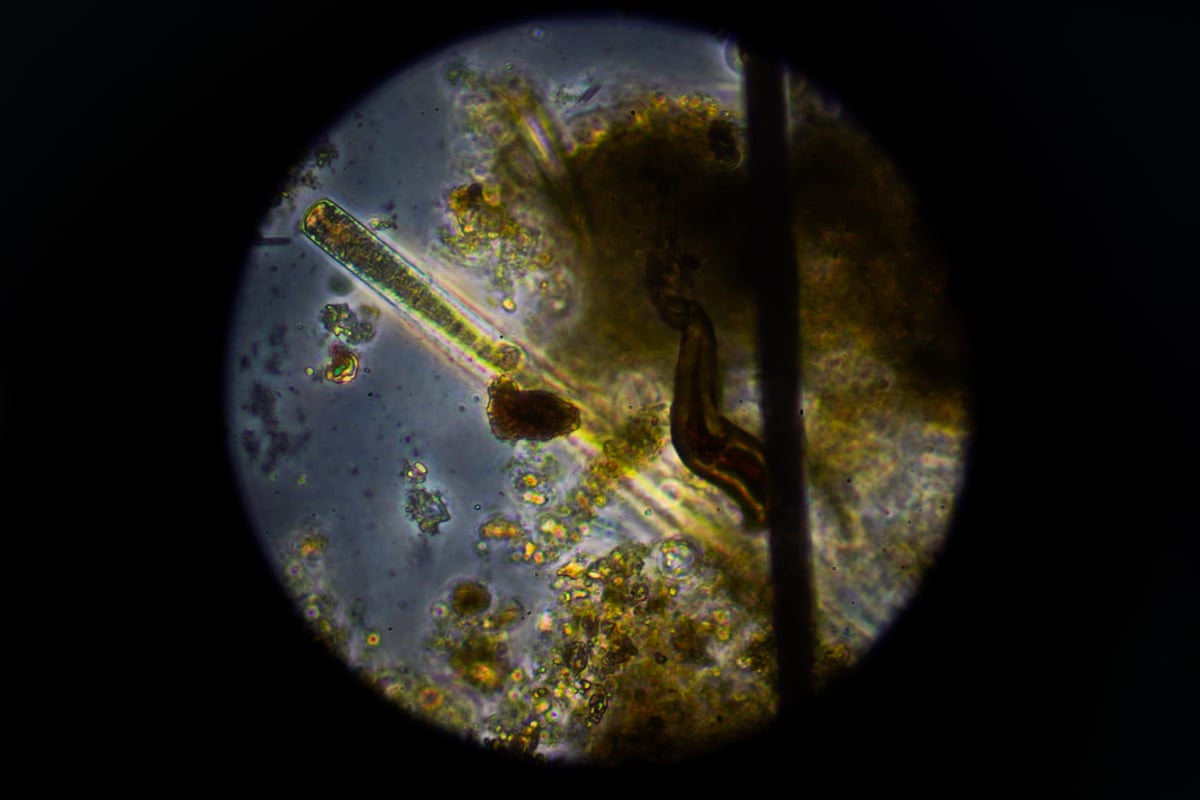
Labtox is among the few institutions in El Salvador equipped to monitor cyanobacteria, organisms that thrive in nutrient-rich water and can release toxins harmful to humans and wildlife. Their analysis focused on measuring nitrogen and phosphorus, key indicators of eutrophication.
However, Labtox does not test for pesticides or herbicides, including paraquat, a highly toxic chemical known locally as Gramoxone.

Sampling conducted several weeks after the fish die-off showed no anomalies. Nutrient levels were within expected ranges, and no active cyanobacterial bloom was detected.
Researchers cautioned against drawing definitive conclusions, noting that monitoring during the die-off was impossible due to dense mats of water lettuce covering the surface, which blocked access to sampling points and disrupted measurements.
Community Concerns and Speculation
The discrepancy between residents’ observations and scientific findings has deepened mistrust. Fishers and local leaders report that the water lettuce appeared suddenly and was removed just as abruptly. Videos recorded by residents show agricultural drones flying low over the lake in the days preceding the die-off. No authority has confirmed the use of drones or chemicals on the water.
Residents traveling by boat across the reservoir have reported that fishers and community members believe poison or chemicals were sprayed from the air to eliminate aquatic plants. Others speculate that a sulfur vein beneath the lake was disturbed.
None of these claims have been confirmed. The consistent factor remains the silence from authorities in a country where, according to campaigners, freedom of expression is increasingly restricted and environmental activism is becoming more dangerous.
El Salvador’s environment, agriculture, and health ministries have not commented on how the water lettuce was removed or whether chemicals were used.
Impact on Local Communities
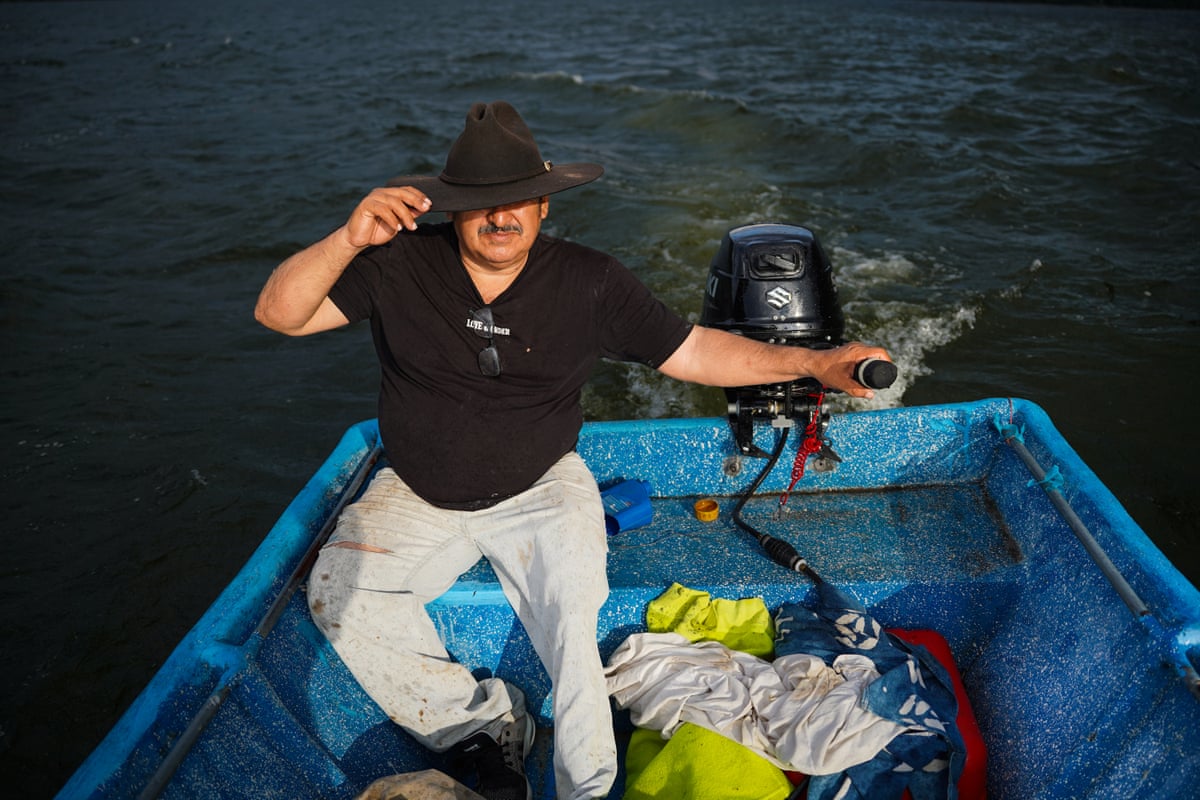
In Copapayo, a lakeside community of families displaced during the civil war, uncertainty has become part of daily life. Avalos, who settled there after the conflict ended, describes the scenes on the lake as disturbing to anyone unfamiliar with it.
“We eat them out of necessity. Our bodies have had to adapt.”
Despite health concerns, many families continue to consume fish caught from the lake, as fishing remains one of the few available sources of protein.
Regional Context and Ongoing Environmental Challenges
The situation at Suchitlán is not isolated. Across Central America, lakes and reservoirs face increasing strain due to pollution, rising temperatures, land-use changes, and weak environmental oversight.
Nearly a year after the fish die-off, environmental concerns persist around Lake Suchitlán. In June, the government-run newspaper reported a large amount of plastic waste swept into the reservoir after a storm.
Earlier this year, authorities responded to a cyanobacterial bloom at Lake Ilopango, one of El Salvador’s most important freshwater lakes and tourism destinations. Environmental officials attributed the outbreak to high temperatures, intense solar radiation, and excess nutrients.
Untreated wastewater and expanding development around Lake Coatepeque have also led to recurring cyanobacterial blooms. Lake Güija faces similar stressors, with communities reporting water contamination and declining quality linked to agricultural runoff, deforestation, and industrial activity.
Health and Environmental Consequences
Suchitlán provides a human-scale view of the broader crisis. Tourists have reported skin rashes after swimming in the lake. In Copapayo, residents report mosquito population explosions following the die-off, causing difficulty sleeping. Gastrointestinal and acute respiratory infections are among the most common illnesses in lakeside communities.
Structural Neglect and Need for Action
Residents have been left with a lake that appears normal again; fish have returned and the water lettuce is gone. However, the crisis has exposed years of structural neglect. El Salvador treats only a fraction of its wastewater, and municipalities upstream discharge effluent directly into rivers feeding the reservoir.
Environmental regulations rarely result in enforcement, and agencies responsible for water quality monitoring remain chronically underfunded.
“The lake needs an urgent study. We’ve had fish die before, but nothing like this. First the water lettuce, then the plastic, now the fish – it demands attention.”
— Alberto Castillo
For residents like Avalos, concern extends beyond the 2025 events to whether the conditions that caused the crisis persist. Steering his boat through narrow channels cut into the vegetation, he says:
“This has become the perfect breeding ground for it to happen again and again. It’s pure contamination.”


