

Concerns Over Swift Displacement After Building Demolition in Dorking
Campaigners have raised concerns that nesting swifts may have been displaced following the demolition of part of a building in Dorking. The demolition work, initially scheduled for autumn, began during the birds' migration season.
Swift conservation groups reported that a section of wall containing crevices used by the birds for nesting was removed in May at a site located in Station Approach.
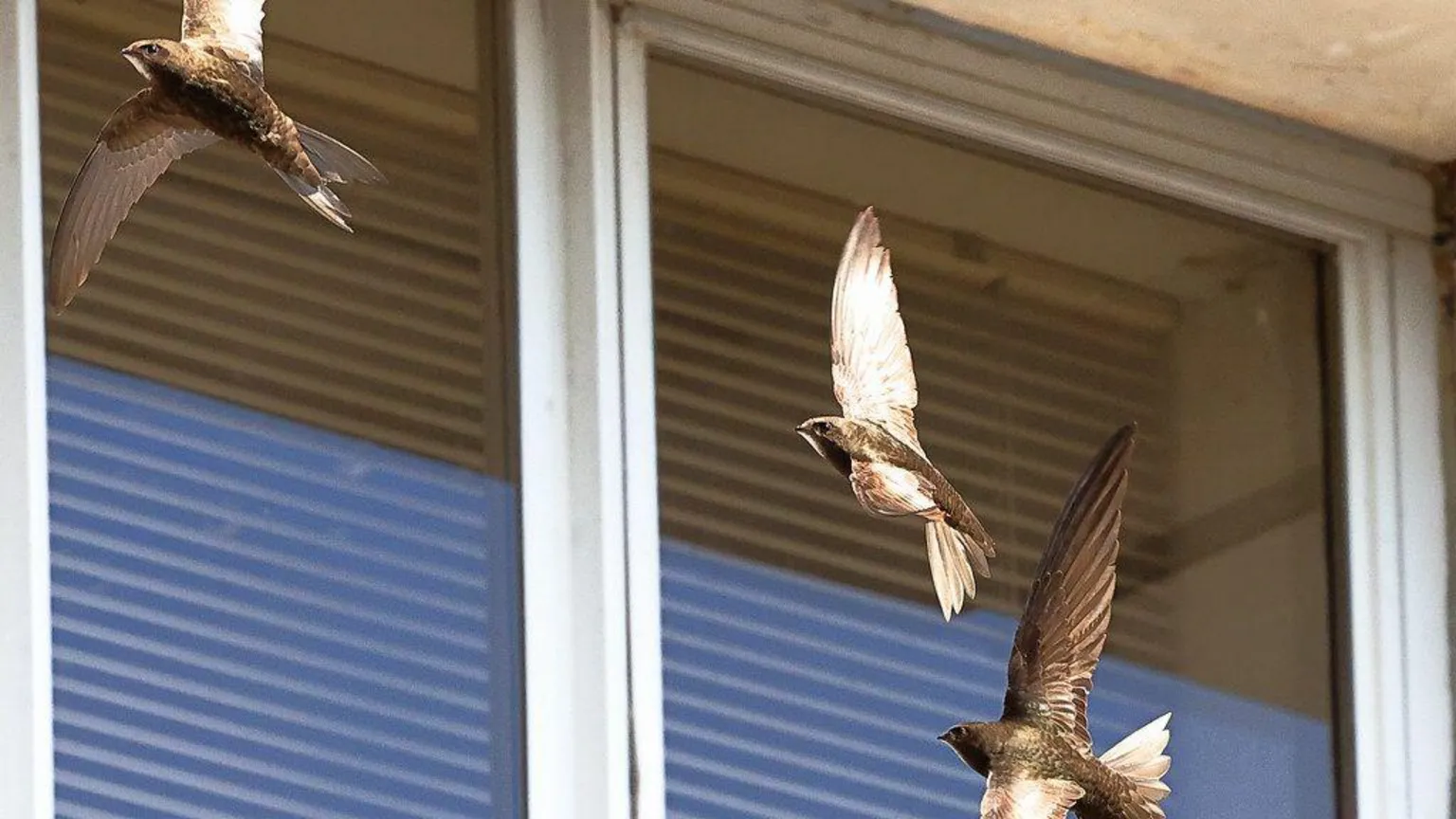
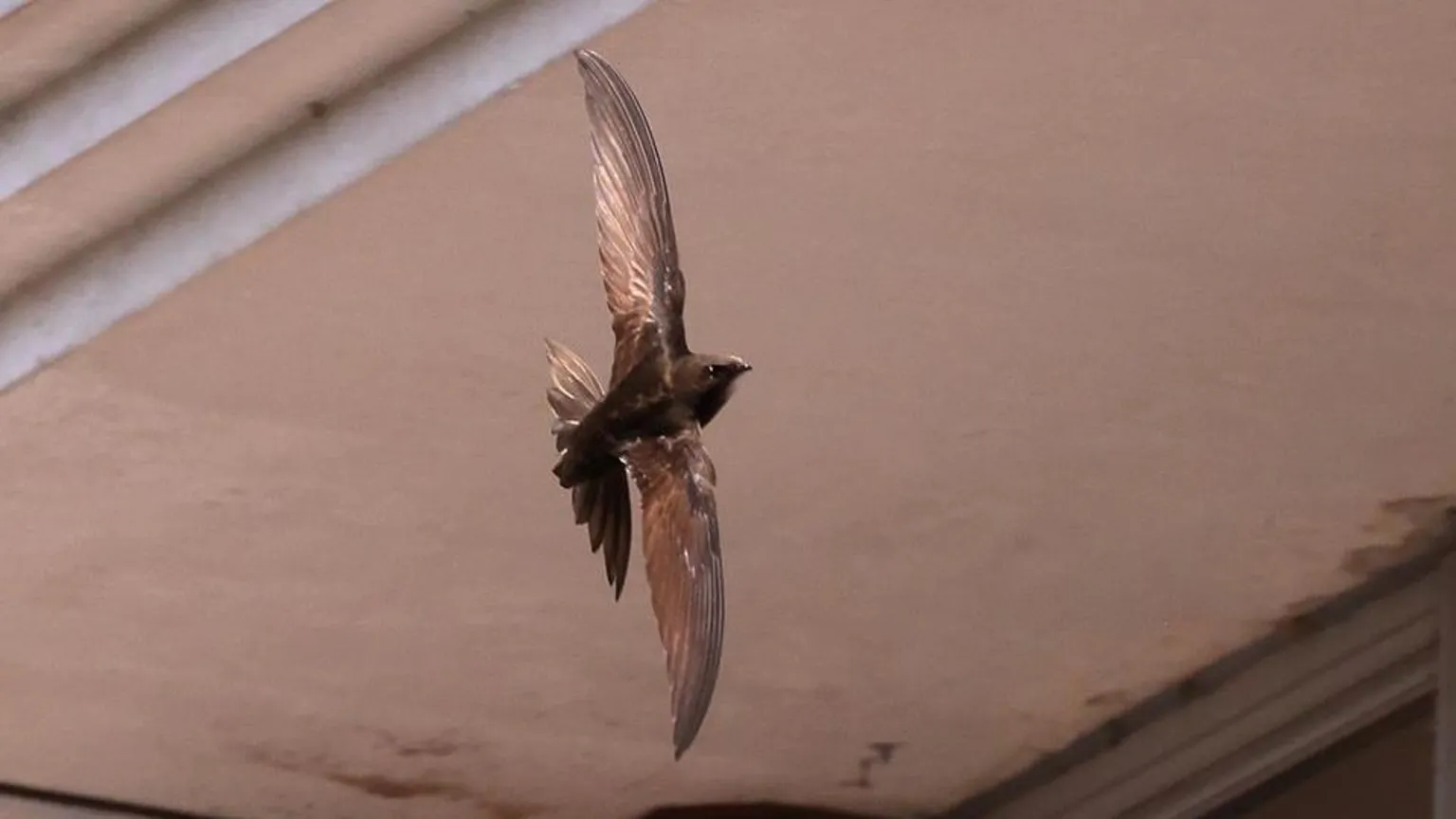
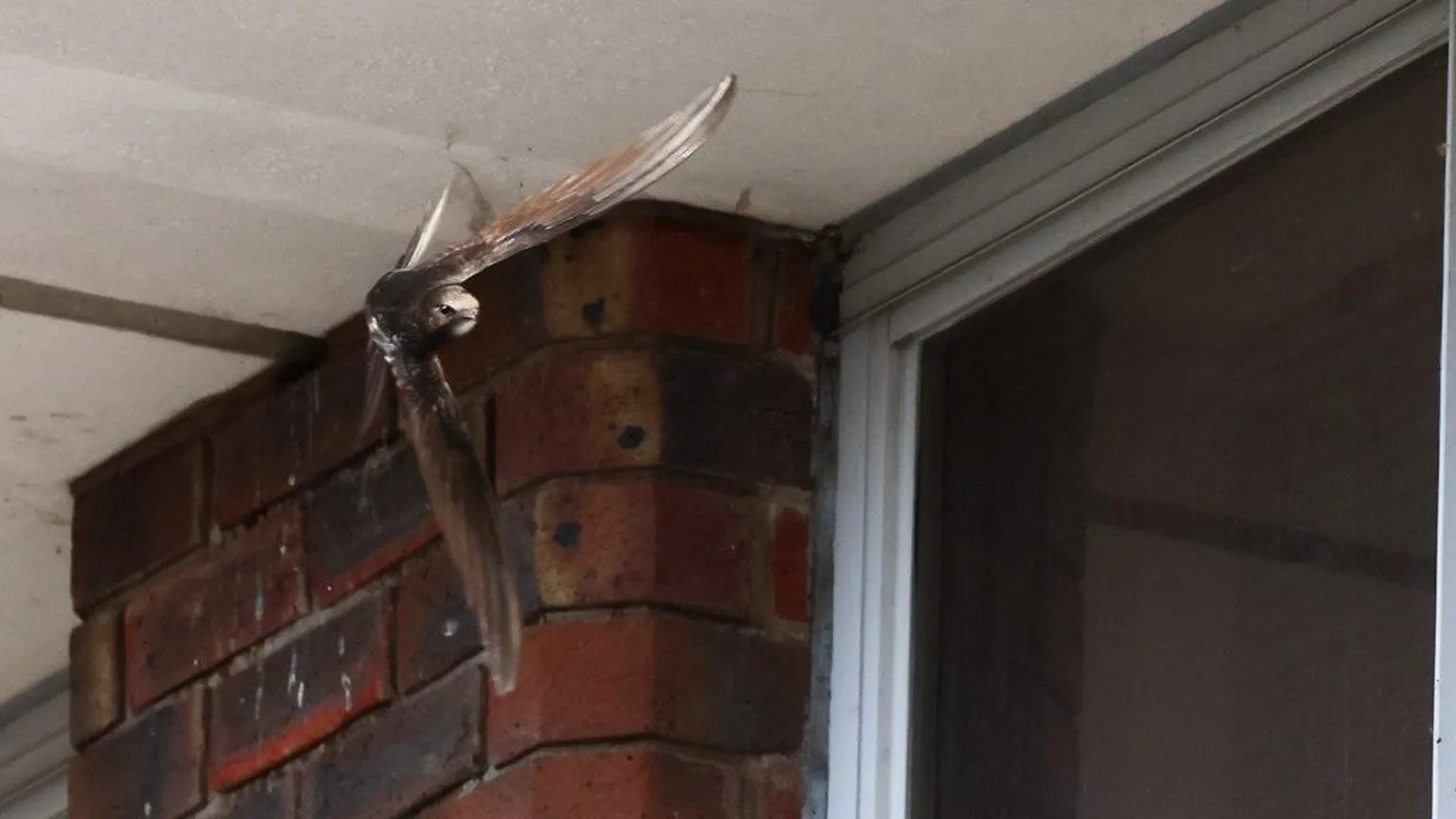
Photographer Amy Brewer observed birds attempting to return to their traditional nests, which swifts typically use year after year. Meanwhile, Dorking Swift Conservation warned that an established colony might be lost due to the demolition.
Clarion Housing Group stated that ecological checks were conducted prior to the demolition and that further checks continued throughout the works. Mole Valley District Council has issued a temporary stop notice regarding the demolition.
Brewer, who has been documenting the swifts, noted that she had previously seen birds entering gaps in the structure and believed several nests were present.
"I went back the day after and got footage of them flying around, trying to get in, but the wall had gone," she said.
"It was heartbreaking. You could tell they were trying to find where their nests were."
She added that there was usually one pair per nest and that multiple nests likely existed at the site.
Conservationists Highlight Long-Term Nesting and Potential Wildlife Crime
Julia Hemsley, a founder of Dorking Swifts Conservation, emphasized that the site had been used as a nesting colony for many years.
"They committed a wildlife crime. They were fully aware of nests there," she said.
Hemsley reported seeing more than 30 swifts flying above the building site as the birds arrived in the UK searching for their nests.
"Swifts go back to nests year after year, they are very loyal to them," she said.
She warned that it is not uncommon for swifts to cease breeding after losing their nests.

Campaigners are calling for the building developer to be held accountable under wildlife protection laws.
Hemsley also urged local residents to install swift boxes and use recorded calls to attract swifts to new nesting sites.
Official Responses and Investigations Underway
Surrey Police confirmed receipt of reports concerning the incident and stated they are reviewing the matter, including gathering any relevant footage. The police have appealed to anyone with concerns to come forward.
Mole Valley District Council is examining whether planning requirements were adhered to and will consider taking action if any breaches are identified.
Councillor Bradley Nelson, cabinet member for planning, clarified the council's position regarding demolition during nesting season.
"The approved planning documents do not impose an absolute prohibition on demolition during the nesting season.
Instead, they require that, where works take place during this period, a nesting bird check is carried out by the developer within 48 hours prior to demolition."
Developer and Contractor Statements
Clarion Housing Group stated that it takes its ecological responsibilities very seriously.
The group reported that its contractor, The Hill Group, informed them that pre-demolition checks did not identify any nesting birds within the building that would prevent the works from proceeding.
Clarion Housing Group added that additional checks were conducted throughout the demolition process. Some work occurred during the nesting season due to delays, but this was not prohibited under planning regulations.
The Hill Group said it collaborated with ecologists and the council throughout the demolition of Regent House to ensure compliance with planning requirements and to protect wildlife.
Further Information and Contact
For updates, follow BBC Surrey on Facebook, X, and Instagram, or listen to BBC Radio Surrey on Sounds. Story ideas can be sent to southeasttoday@bbc.co.uk or via WhatsApp at 08081 002250.


