

Peat’s Environmental Importance and Widespread Use
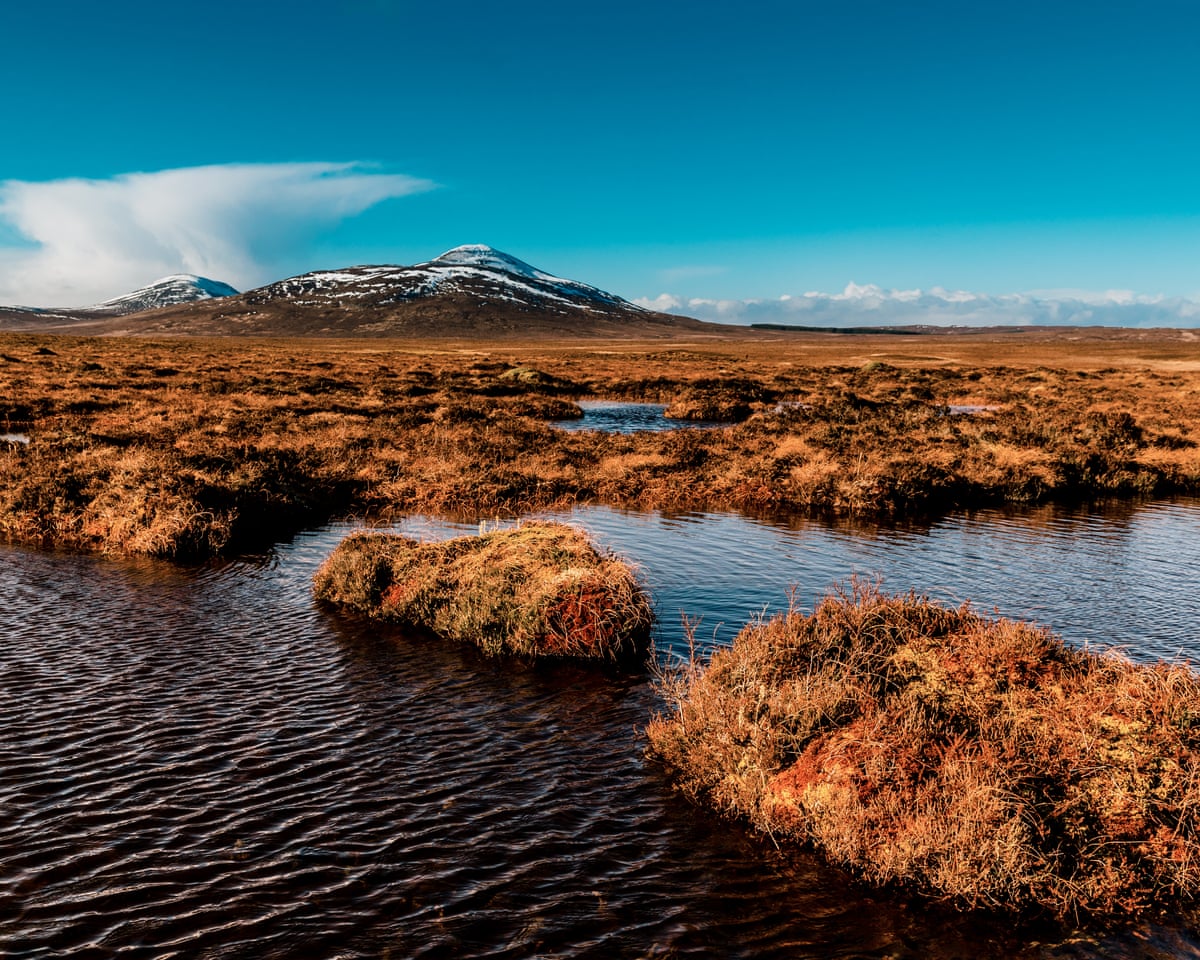
Peat bogs play a critical role in the environment, storing twice as much carbon as all the world’s forests combined. In the UK, however, 80% of peatlands are damaged, with the majority of extracted peat used in horticulture. This has raised concerns among environmental campaigners who fear the situation is worsening.
‘I don’t see how I can possibly do my job and eat mushrooms,’ says Sally Nex, a campaign advocate.
‘An awful lot of the food you buy in the supermarket is grown in peat: field mushrooms and little button mushrooms, salads and many brassicas, herbs in pots … all of those have started in peat.’
This revelation surprises many, including those who have long purchased peat-free compost, as they may not realize that many plants sold in garden centres are grown in peat.
‘I would imagine that most people are buying peat-free compost at the moment – certainly, you only have to go into a garden centre to see the amount of peat-free options you now have,’ says Nex.
‘But you may not realise that an awful lot – probably most – of the plants that are on sale in that garden centre are also grown in peat.’
Peatlands cover just 3% of the Earth’s surface but store more carbon than all the world’s forests combined. In the UK alone, peatlands hold over 3.2 billion tonnes of carbon. Alistair Griffiths, head of science at the Royal Horticultural Society (RHS), explains:
‘Nothing else, other than the ocean, stores that much carbon for that length of time – tens of thousands of years.’
However, when peatlands are damaged, they release stored carbon rapidly, shifting from carbon sinks to carbon sources. Globally, peatlands are degraded by drainage, conversion to agriculture, burning, and mining for fuel. In the UK, where 80% of peatlands are damaged, over 90% of extracted peat is used in horticulture.
‘The 1,000 hectares [2,500 acres] that are being extracted in Scotland, the 1,000-plus that are being extracted in Northern Ireland, the extra 384 hectares in the Somerset Levels – that’s what I want to stop,’ says Nex.
‘These are peatlands that are bringing down our climate emissions and protecting our local communities from flooding – or would be if they weren’t being drained and dug up.’
Approximately 760,000 cubic metres of peat are used annually in UK horticulture.
Legislative Efforts and Industry Targets
The environmental impact of peat has led to calls for banning its sale, yet it remains legal to sell peat to gardeners in the UK. Campaigners have been advocating for decades to reduce peat use. In 1999, the UK set a voluntary target for the horticultural industry to be 90% peat-free by 2010; by 2011, only 32% was achieved. A new target was set, but the 2020 goal was also missed.
In 2022, the Conservative government announced plans to ban peat sales, and in 2024 a private member’s bill was introduced. However, a general election called a week before its second reading caused the bill to be dropped.
Labour’s 2024 manifesto and its October 2025 carbon budget and growth delivery plan pledged to legislate a ban on peat and peat-containing products, but with the caveat ‘when parliamentary time allows.’ The government’s environment improvement plan in December reiterated this commitment alongside the same caveat.
‘The policy has enormous support right the way across the board, but it’s too big to just shuffle in and too small to give it its own space,’ says Nex.
‘It’s not as big as cost of living or the NHS and all of the things that we’re battling against at the moment, but it must be the most widely supported piece of legislation that hasn’t actually made it into law.’
The Liberal Democrats and the UK’s Green parties have long supported a peat ban. This year, environment ministers from England, Wales, Scotland, and Northern Ireland agreed that any legislation should be consistent across the UK.
Campaign Pressure and Public Support
Campaigners continue to increase pressure for a peat ban. Two years ago, over 100 businesses, NGOs, and supporters, including Chris Packham and columnist George Monbiot, signed an open letter to Labour leader Keir Starmer. In February, the Peat-Free Partnership submitted a petition to No 10 Downing Street calling for legislation; it has since been signed by nearly 18,000 people.
A 2022 government consultation found that over 95% of 5,000 respondents supported a ban, and an RHS survey in 2024 showed 80% public backing.
‘We’re in the middle of a climate and biodiversity crisis – the government just needs to get on with it. We’re so close, but we need to get over the line,’ says Griffiths.
Industry Initiatives and Peat-Free Adoption
In the absence of legislation, many businesses have voluntarily adopted peat-free practices. Major retailers such as Dobbies, Tesco, Waitrose, Lidl, Co-Op, Morrisons, and Iceland now sell only peat-free compost.
Griffiths notes there are 124 fully peat-free plant nurseries across the UK.
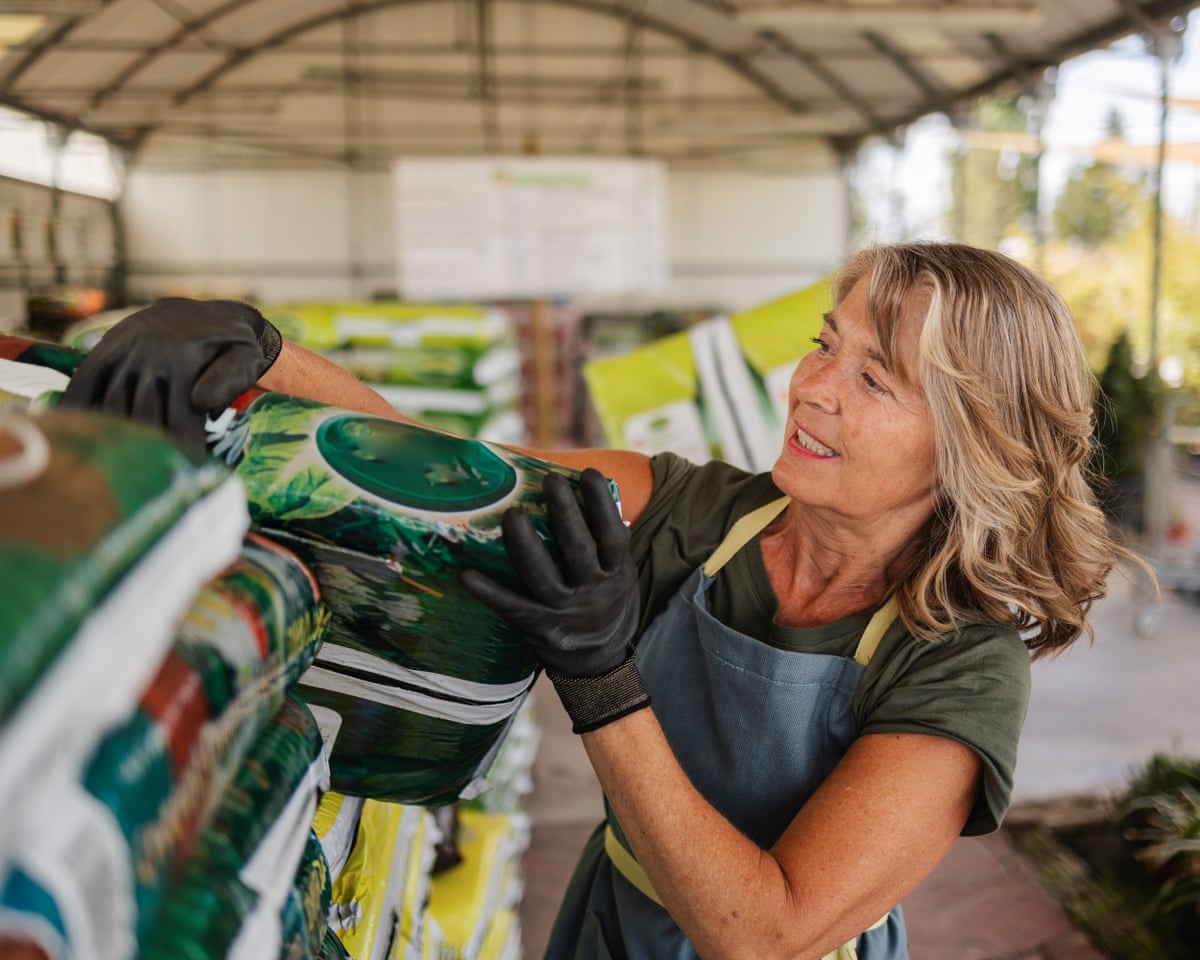
B&Q’s Verve plant range recently became peat-free. Consumers are encouraged to inquire about peat content before purchasing.
‘It’s really good if we ask awkward questions and double-check whether or not things are peat-free before we buy them. Otherwise, garden centres don’t think people are interested,’ says Nex.
The RHS is leading the peat-free movement. Since January, its five garden centres and RHS Plants online sell only “no-new-peat” plants, meaning plants grown entirely peat-free or containing peat extracted before the end of 2025. Additionally, all RHS flower shows, including the flagship Chelsea Flower Show held in May, have adopted a no-new-peat policy.

Resistance and Challenges Within the Industry
Not all stakeholders have welcomed the peat-free policies. Tim Penrose of Tim’s Hostas, which has exhibited at Chelsea annually since 1996, had his application rejected this year due to peat-related issues.
‘We met the peat-free policy 100%, even though we didn’t particularly want to,’ Penrose says.
‘We were blocked from exhibiting because we didn’t attend “anti-peat” seminars.’
Penrose staged a protest in response and noted that many others share his reservations about peat-free growing.
‘All of a sudden, lots of people are creeping out of the cupboards and saying: “I’m not happy, too.” Carnivorous plants will not grow in peat-free. We get thousands of plants from Holland, which isn’t interested in peat-free – what do we do then? I think peat-free could become a very big issue. A lot of the exhibitors are in their 70s and 80s. They don’t want more hoops to jump through.’
The RHS responded:
‘Despite the RHS repeatedly offering Tim Penrose support, as we have done with hundreds of nurseries, Tim would not engage with RHS or the process to transition to peat-free. This matter is currently subject to legal action.’
Landscape architect Andy Sturgeon, a six-time Chelsea gold medalist, also observed discontent at this year’s show.
‘Loads of people in the Chelsea pavilion were saying to me: “I’m not coming back, you can’t grow this without peat.” It’s just ridiculous.’

According to Sturgeon, two nurseries have already announced they will not exhibit at Chelsea in 2027 due to the peat policy, while others are concerned about meeting the requirements in time.
Grower Tim Guinness argues peat is the ideal growing medium.
‘Peat is the perfect growing material. The alternatives require more fertiliser, more water – they’re shipped across the world. There’s no comparison. Substitutes don’t establish well and it puts people off gardening. It seems to me bonkers.’
Nex dismisses such objections as misinformation and scare stories.
Guinness criticizes social media for vilifying peat.
‘This hate campaign against peat is very harsh,’ she says.
‘No one in Europe is banning it; it’s only us on the back foot. Given that the alternatives are less sustainable, banning peat is not the right answer – it is virtue-signalling.’
She acknowledges peat’s environmental impact but emphasizes the need for viable alternatives.
‘Everyone wants it to go eventually, but we must have something to replace it with.’
Research and Development of Peat Alternatives
Griffiths, who has grown plants without peat since 1999, highlights ongoing research into peat-free alternatives. The RHS has invested £2.5 million, partly government-funded, into research at hundreds of nurseries.
‘For a very long time, the alternatives to peat were bark, wood chip, wood fibre and coir [coconut fibre],’ Griffiths explains.
‘These do have their own carbon footprints, from the energy used to produce wood fibre to the long distances coir travels (although it is lightweight and transported by boat). But peat will always have a bigger one due to its ability to store carbon for tens of thousands of years.’
He compares peat alternatives to electric cars: not the final solution but important stepping stones. Ideally, more locally sourced materials will be used in the future.
Promising alternatives include paludiculture (moss farming), cellulose fibre, cork, hemp, miscanthus (silvergrass), rice, vermicompost (from worms), frass (from black soldier flies), seaweed, and willow.
‘There have been improvements in quality and consistency of peat-free compost,’ Griffiths says.
‘They are much, much better than they were. If you water little and often, you actually use less water than before.’
Regarding carnivorous plants, which naturally grow in peatlands, Griffiths notes collaboration with the Carnivorous Plant Society. For example, Chester Zoo now grows these plants entirely without peat.
‘Any legislation is not a guillotine measure,’ says Nex.
‘I envisage a phased ban, requiring most growers to replace peat within two years, but allowing five years for trickier customers such as carnivorous plants and rhododendrons.’
Seedlings and Young Plants: A Specific Challenge
Seedlings pose particular challenges because peat aids germination. David Denny, head of research at the British Growers Association, explains:
‘With plug plants [potted seedlings] and young plants, there are mechanical issues for the seedlings to germinate, so growers use very small amounts of peat, then they’re moved to peat-free.’
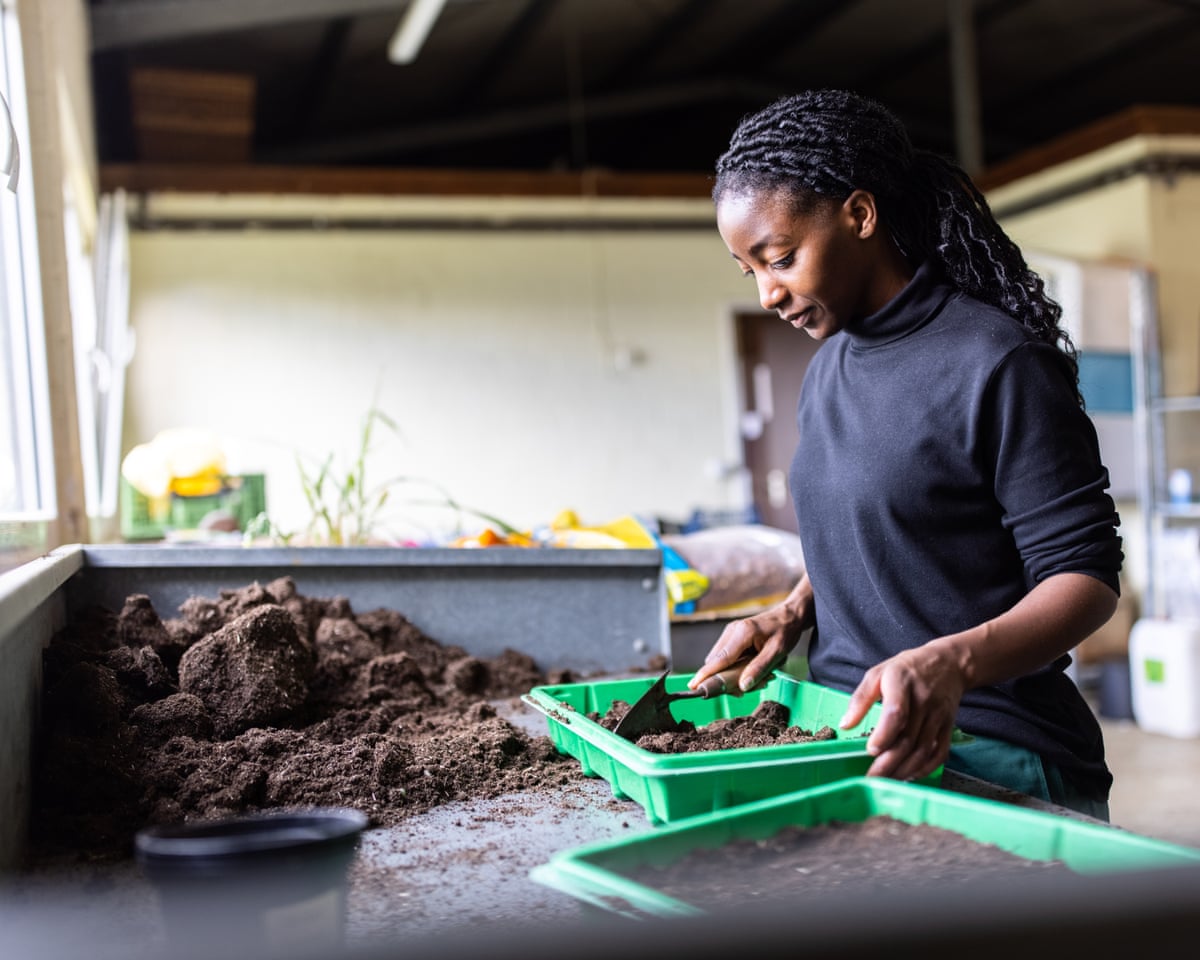
About 60% of young plug plant material in the UK is imported from Europe, where peat is still widely used. However, countries like Germany, Belgium, and Switzerland are advancing peat-free efforts. The RHS has visited ten young plant producers in Europe, all trialling peat-free materials.
UK’s Position and Industry Perspectives
While some critics argue that a peat ban could disadvantage the UK, Nex emphasizes the country’s leadership in peat-free horticulture.
‘The UK is the world leader in peat-free and we should be bloody proud of that,’ she says.
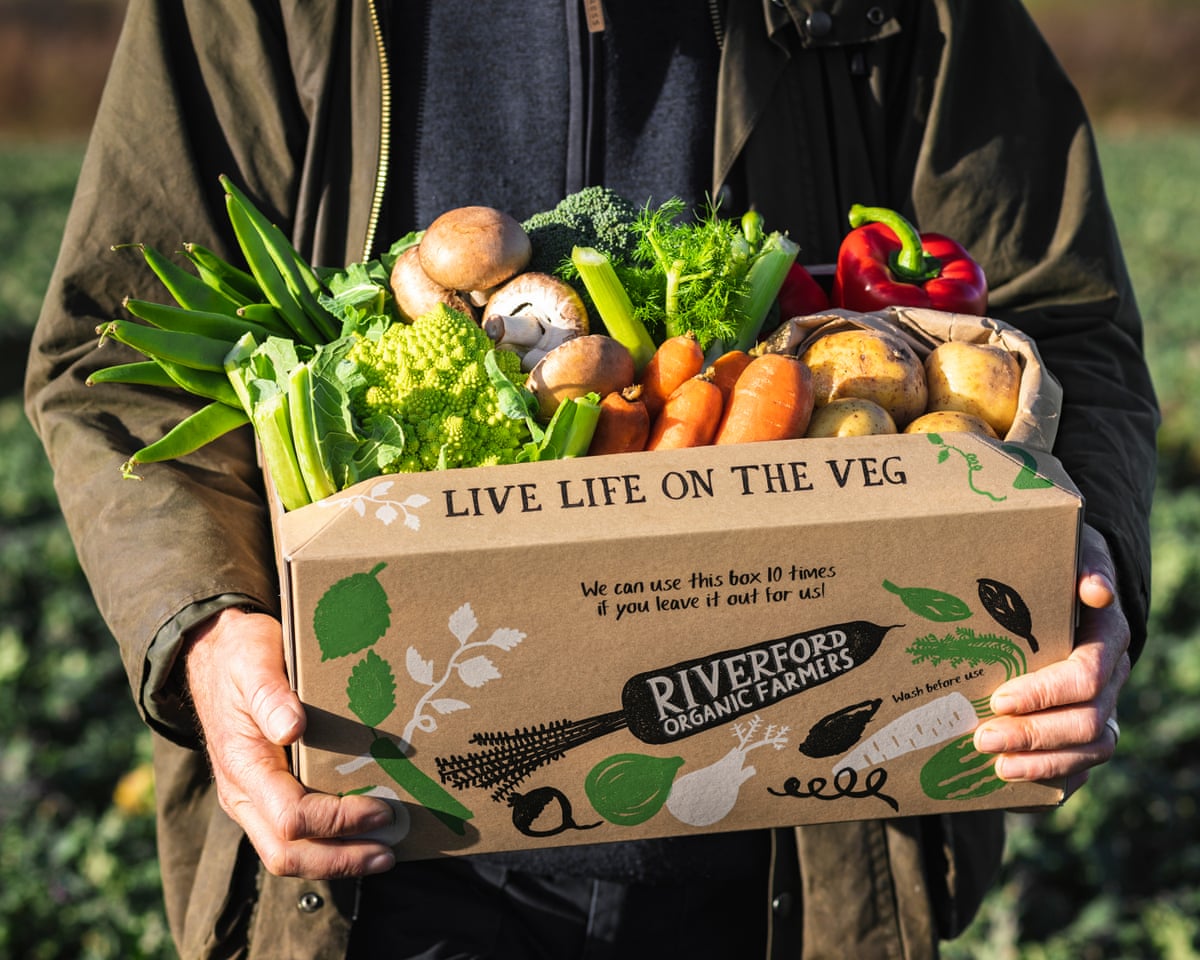
She cites research by Coventry University in collaboration with Devon-based Riverford Organic Farmers and Cambridgeshire-based Delfland Nurseries, which developed a peat-free seedling mix.
Griffiths highlights peat-free young plant producers such as Seiont in Caernarfon and another in Cornwall. Seiont is now 100% peat-free and exports to Europe, demonstrating growth potential with investment.
Despite progress, Denny notes that the British Growers Association does not support legislation, believing the industry is leading solutions independently.
‘The industry is leading with solutions on this. It’s not waiting for the government to ban it,’ he says.
‘It is reasonable to expect the industry to have transitioned away from peat by 2030.’
Nex acknowledges industry strides but points out challenges.
‘A lot of the industry has gone peat-free already off their own backs. They’ve had to pay for the trials. They’ve had to shoulder all of that burden. Yet they’re not able to see the full return from their investment because they’re forever having to compete against cheap, peat-grown, low-cost plants. Once we’re all peat-free, that completely changes. That includes imports, so that we’re not undercut.’
She also notes that progress accelerated when legislation seemed imminent.
‘Between 2022 and 2024, peat use went down really steeply.’
Griffiths adds that while he has had many challenging conversations with growers, the announcement of potential legislation made discussions easier. However, he warns that some growers are reverting to peat due to doubts about legislation’s enactment.
Conclusion: Legislation as a Catalyst for Change
As demonstrated by past environmental policies, legislation can transform intentions into tangible change. The availability of peat-free mushroom ranges at retailers such as Riverford, Tesco, and Waitrose shows that a peat ban would not require giving up common foods.
If a ban is enacted, it is expected that more retailers will follow suit, allowing advocates like Nex to consume mushrooms with a clear conscience.


