A deliberate act of vandalism targeting a home heating oil tank has triggered an environmental disaster at Broughshane Waterfowl Park in County Antrim, resulting in the deaths of 13 birds and forcing the closure of the popular attraction. According to BBC News, more than 20 birds were transported to the USPCA's headquarters for emergency specialist treatment following the incident, though the death toll has continued to climb as recovery efforts persist.
The Northern Ireland Environment Agency (NIEA) was first notified of the contamination on Thursday 22 October. A spokesperson confirmed that inspectors deployed oil absorbent booms and other containment measures immediately after the incident was confirmed to have caused significant damage to the ponds. The substance involved was identified as home heating oil, or kerosene, with the source traced to a vandalized tank at a nearby property. Police have appealed for anyone with information about the vandalism to come forward.
According to local reporting, the losses included two Trumpeter swans and more than ten ducks, with other affected birds still receiving treatment as of 26 October, meaning the final toll remained uncertain. Flooding the previous evening had submerged bird enclosures, and oil entered the affected areas through the drainage system; three pens that were directly impacted housed five swans alongside ducks and geese.
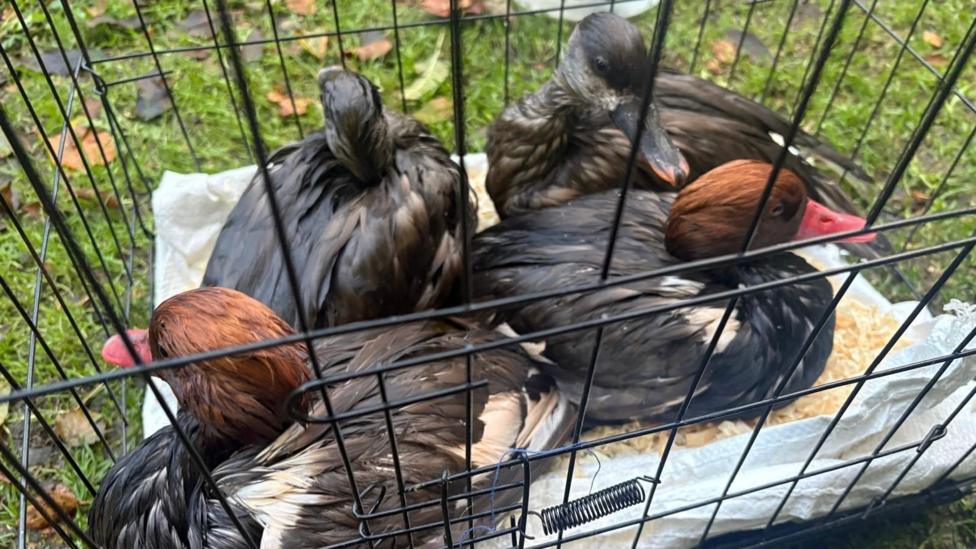
The park, which has operated for 13 years, is home to 120 collection birds as well as wild species. Gary Hayward, chairman of Broughshane Environment Wildfowl and Wildlife Trust, described the incident as a
nightmare, telling BBC News NI:
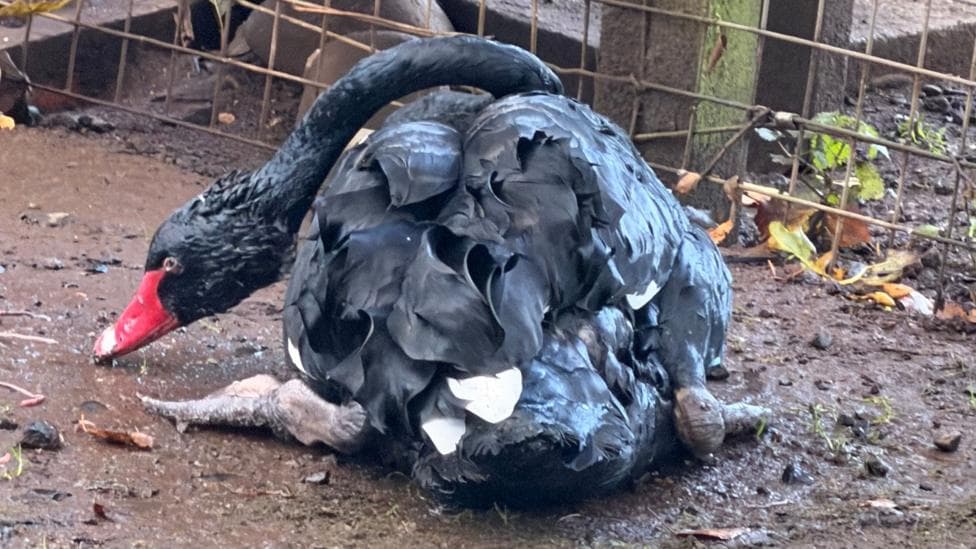
We are devastated. One of our volunteers appeared on the Thursday morning to feed [the birds], and walked down through the park and smelt this kerosene smell and saw the black swans completely oiled.
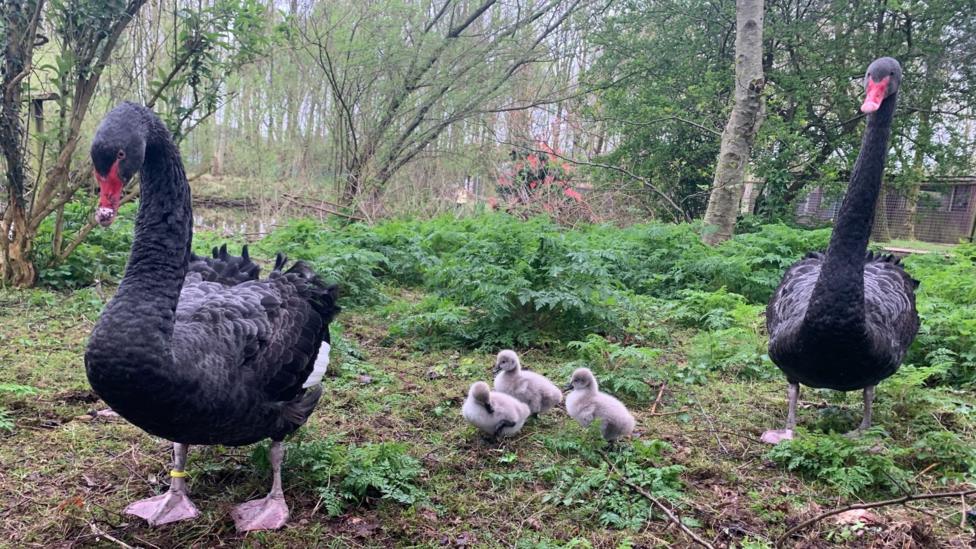
Hayward expressed deep sadness over the losses:
So far we have lost 13 birds, some of which are really close to us.He praised the efforts of both the USPCA and the NIEA in treating the affected birds and managing the cleanup operation. According to available accounts, the USPCA veterinary team provided round-the-clock care, washing and treating birds without charging the charity for their services.
How are rescue efforts progressing?
The waterway has shown improvement, though further cleanup work will continue as long as deemed necessary. Siobhan Hawthorn, wildlife supervisor at the USPCA, has been instrumental in the rescue operation. She expressed frustration at the preventable nature of the disaster:
It's massively frustrating when these kind of incidents occur, especially when it's caused by carelessness and us humans and these poor birds have suffered because of it. There's no reason for them to have died needlessly for that reason.
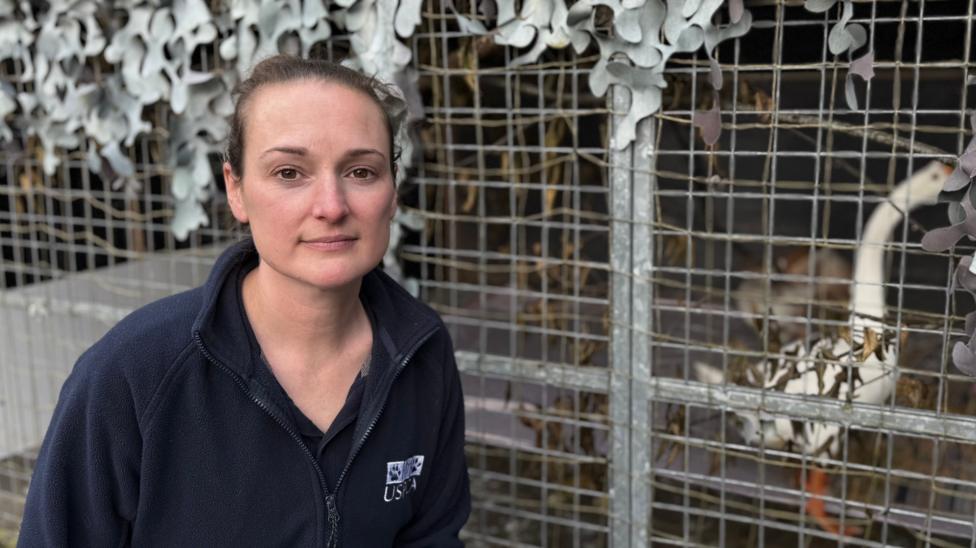
The rescue team has worked intensively to revive the birds, which include geese, ducks and swans.
It's been a case of getting them all bathed and treated as soon as we could because of the level of contamination they suffered,Hawthorn explained.
We've given them all doses of charcoal to help combat some of the toxins that they would have ingested.She acknowledged that timing was critical:
Unfortunately not all of them got to us as quickly as we would have liked and they have ingested too much.
What challenges remain for recovery?
The incident has placed considerable emotional and mental strain on USPCA staff. The centre remains uncertain about the duration of care required for surviving birds.
We would like to think that they're over the worst of it, but you just don't know exactly how much they have potentially ingested,Hawthorn said.
Birds are extremely good at hiding illnesses and ailments, so sometimes you don't see the symptoms until it's a little bit too late because they're just so good at hiding it.
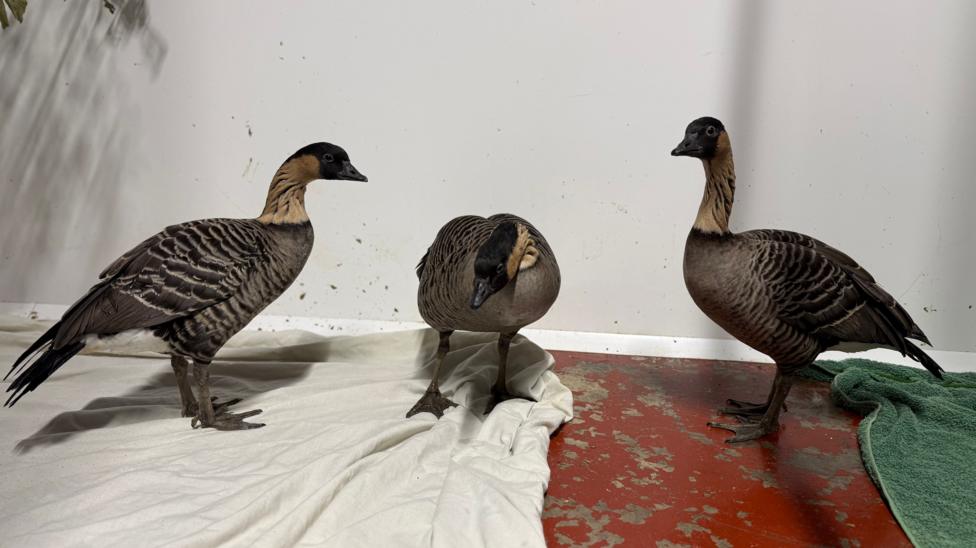
A significant complication is that the majority of birds receiving treatment are non-native species and cannot be returned to the park until the pond reaches complete cleanliness.
The majority of these birds that have come into us are actually not native species so they can't be returned until the pond is 100% fully cleaned and cleared,Hawthorn explained.
Hayward believes recovery will take weeks before the park can return to normal operations. He hopes the incident will serve as a deterrent to future vandalism:
People need to be fully aware of what impact it can have if somebody vandalises a heating containers and tanks.
What is the broader context?
This incident reflects a wider pattern of environmental contamination affecting Northern Ireland's wildlife. Over the past five years, more than 50,000 fish have died in Northern Ireland's rivers due to pollution from agriculture, industry, and water company operations, with enforcement actions remaining limited. In August 2026, a pollution incident killed fish across 5 kilometres of the Kilkeel River in County Down, described by a local angling club as the worst environmental event it had witnessed.
Alliance North Antrim MLA Sian Mulholland and Braid Councillor Chelsea Harwood publicly expressed concern following the Broughshane incident and urged anyone with information to assist the investigation.
What happens next?
The Trust has not announced a reopening date or provided a timetable for when the affected areas will be safe for birds and visitors. The park remains closed while decontamination and environmental recovery work continues.
Key Facts
- Thirteen birds have died following the vandalism of a home heating oil tank near Broughshane Waterfowl Park on 22 October, with losses including two Trumpeter swans and more than ten ducks
- More than 20 birds were transported to the USPCA for emergency treatment, with the USPCA veterinary team providing round-the-clock care at no charge to the charity
- The park, home to 120 collection birds plus wild species, has been forced to close while oil removal and pond decontamination efforts continue
- Most affected birds are non-native species and cannot be returned until the pond reaches complete cleanliness
- Recovery is expected to take weeks, with no reopening date yet announced