

Signs of Recovery on Protected Seabed
Early indications of recovery have been observed on a protected seabed area damaged by illegal fishing in the Summer Isles near Ullapool.
Conservationists highlight this as evidence that marine ecosystems can regenerate if effectively protected from trawlers and dredgers, which drag heavy gear along the seabed to collect catch.
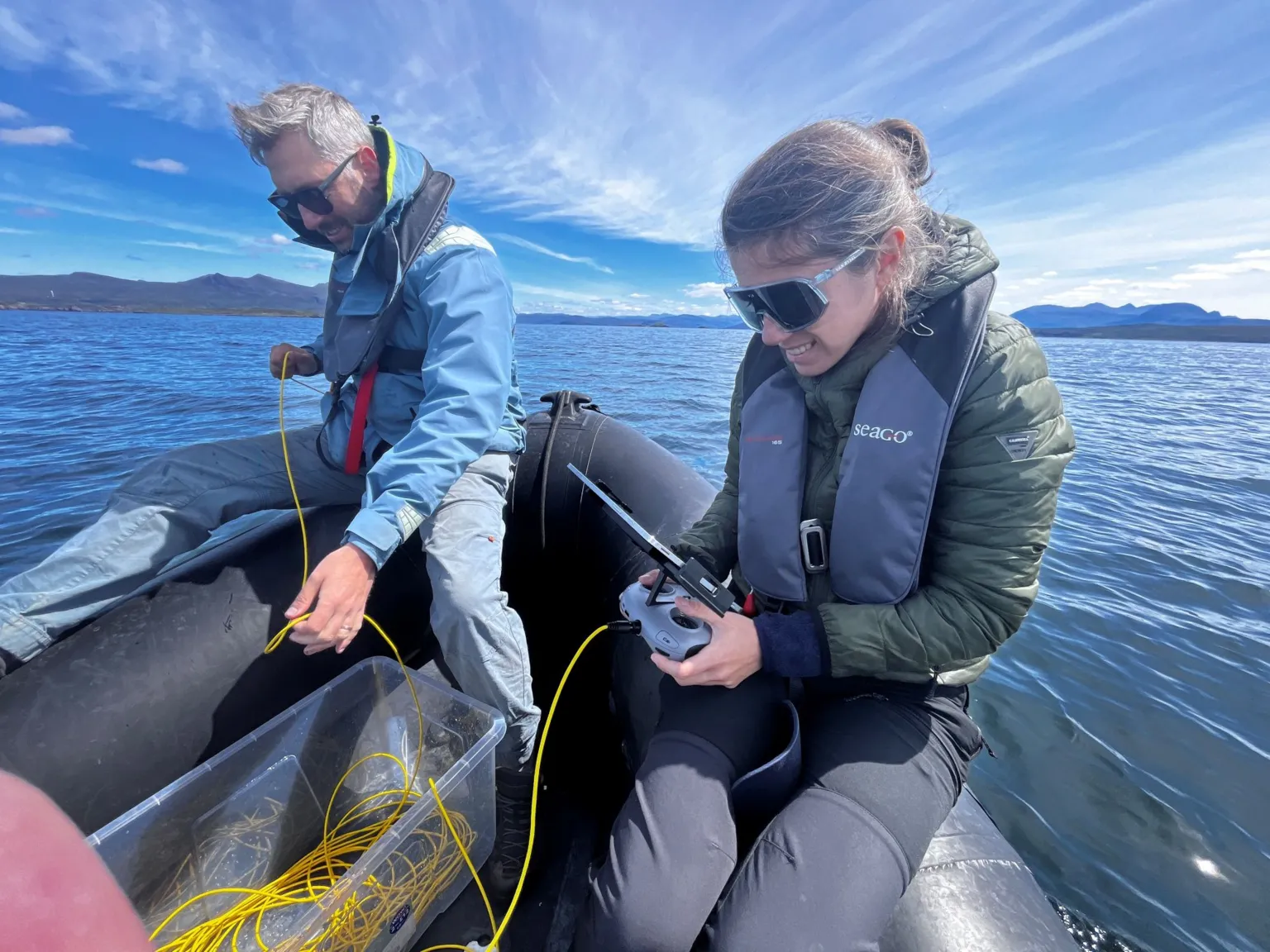
Calls for Greater Protection and Political Action
The Open Seas coalition, comprising scientists, activists, and some fishermen, accuses ministers of delaying measures to safeguard at least 30% of Scotland's inshore waters. They plan to submit a petition to the Scottish Parliament.
Fishing industry leaders argue that banning certain vessels is an oversimplified approach, while the Scottish government asserts its commitment to marine environmental protection.
Impact of Dredging on Marine Ecosystems
Dredging is considered one of the most harmful fishing methods by conservationists. It involves dragging heavy equipment along the seabed to harvest scallops, which bury themselves in sediment.
This practice can devastate all life in its path, with numerous incidents demonstrating significant harm to marine ecosystems.
Wester Ross Marine Protected Area
Established in 2016, the Wester Ross Marine Protected Area (MPA) spans approximately 231 square miles (600 square kilometers) of inland waters, including Loch Broom, Grunard Bay, and Loch Ewe.
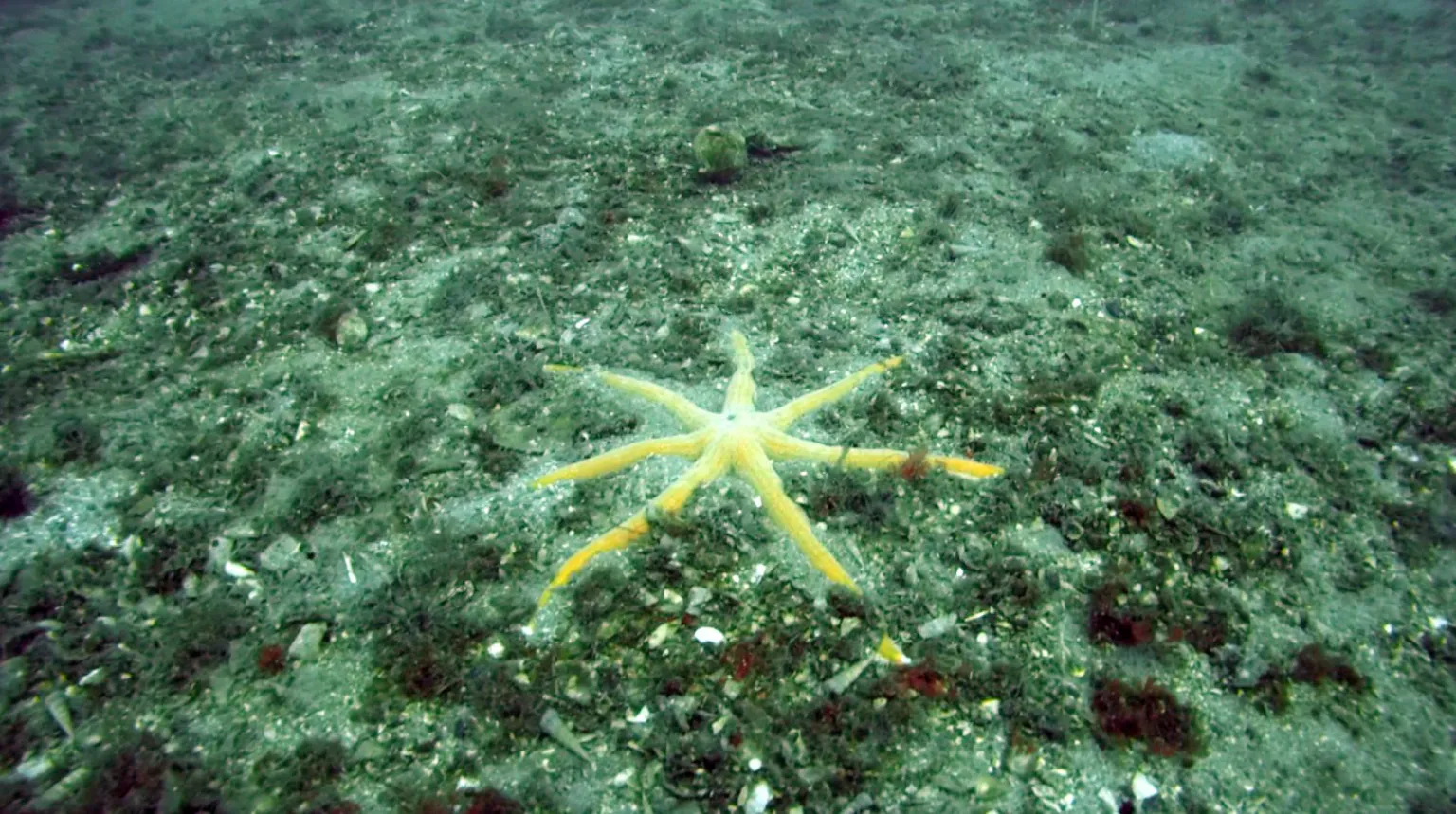
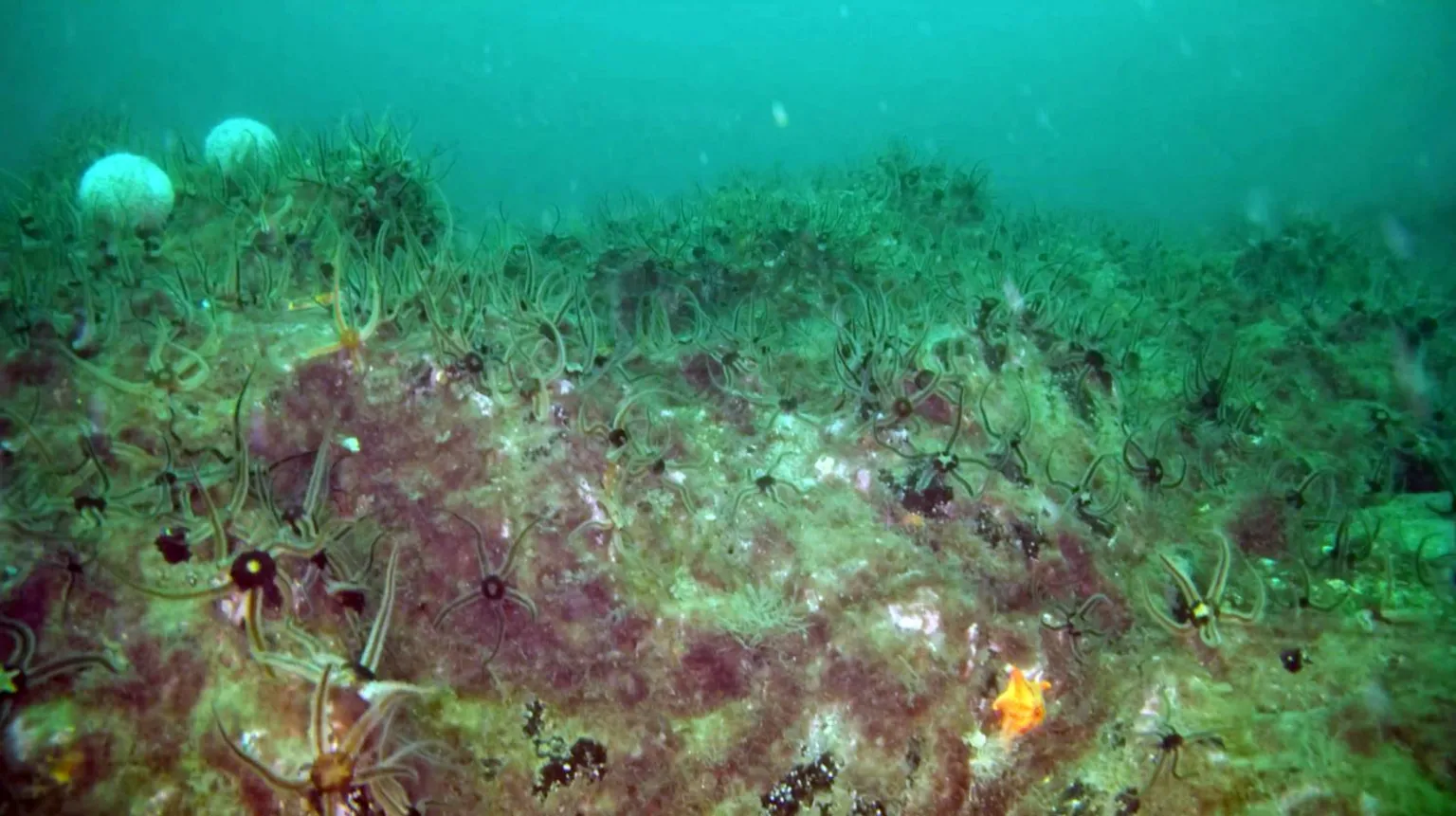
The seabed, sculpted by glaciers retreating at the end of the last ice age, serves as habitat for flame shells and maerl beds (hard seaweed), which provide shelter for various species such as sea cucumbers, scallops, and sea urchins.
Illegal Dredging Incident and Damage Assessment
In 2019, a dredger illegally trawled within the MPA near the small island of Eilean Dubh. Subsequent dives documented extensive seabed damage.
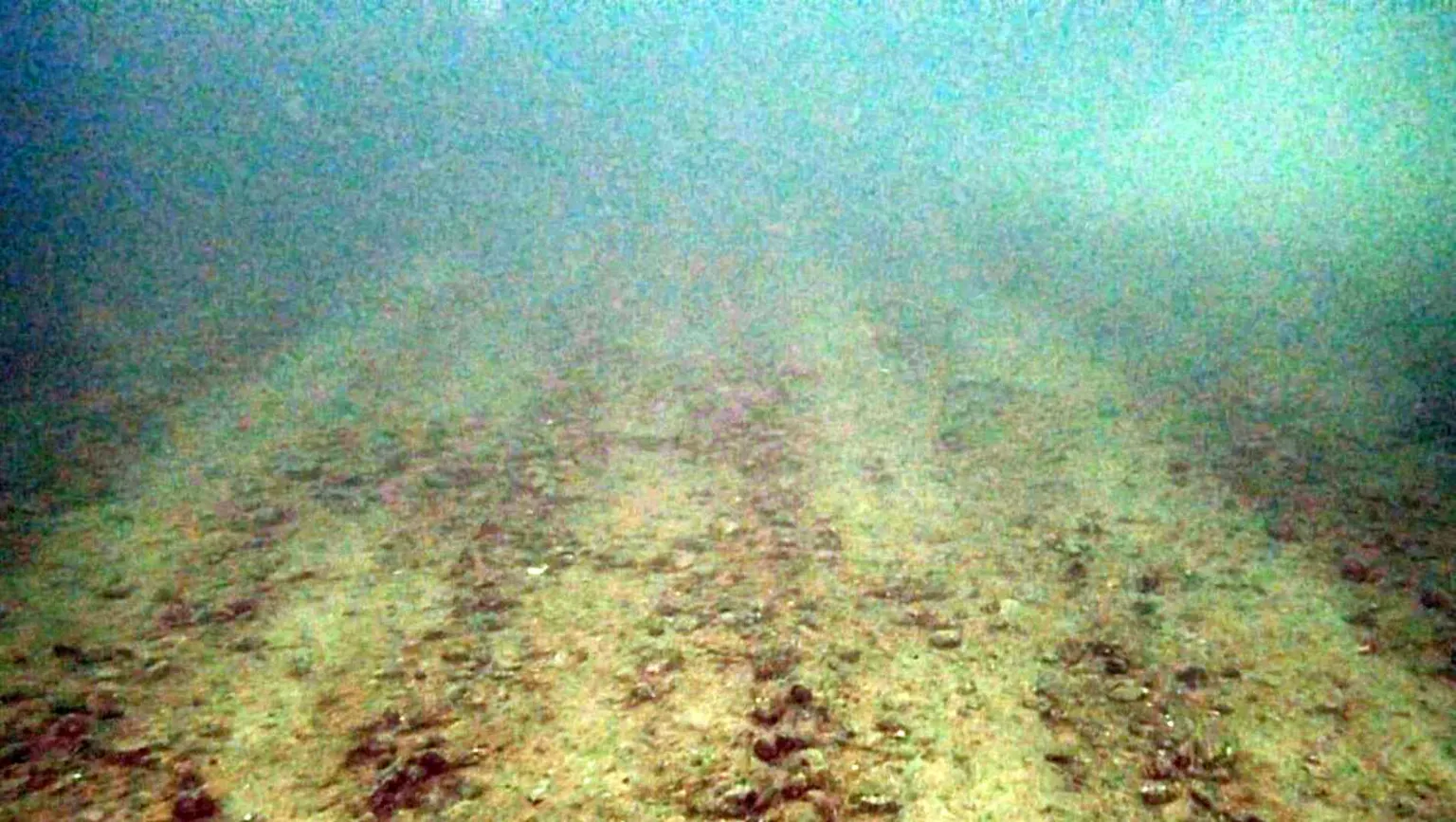
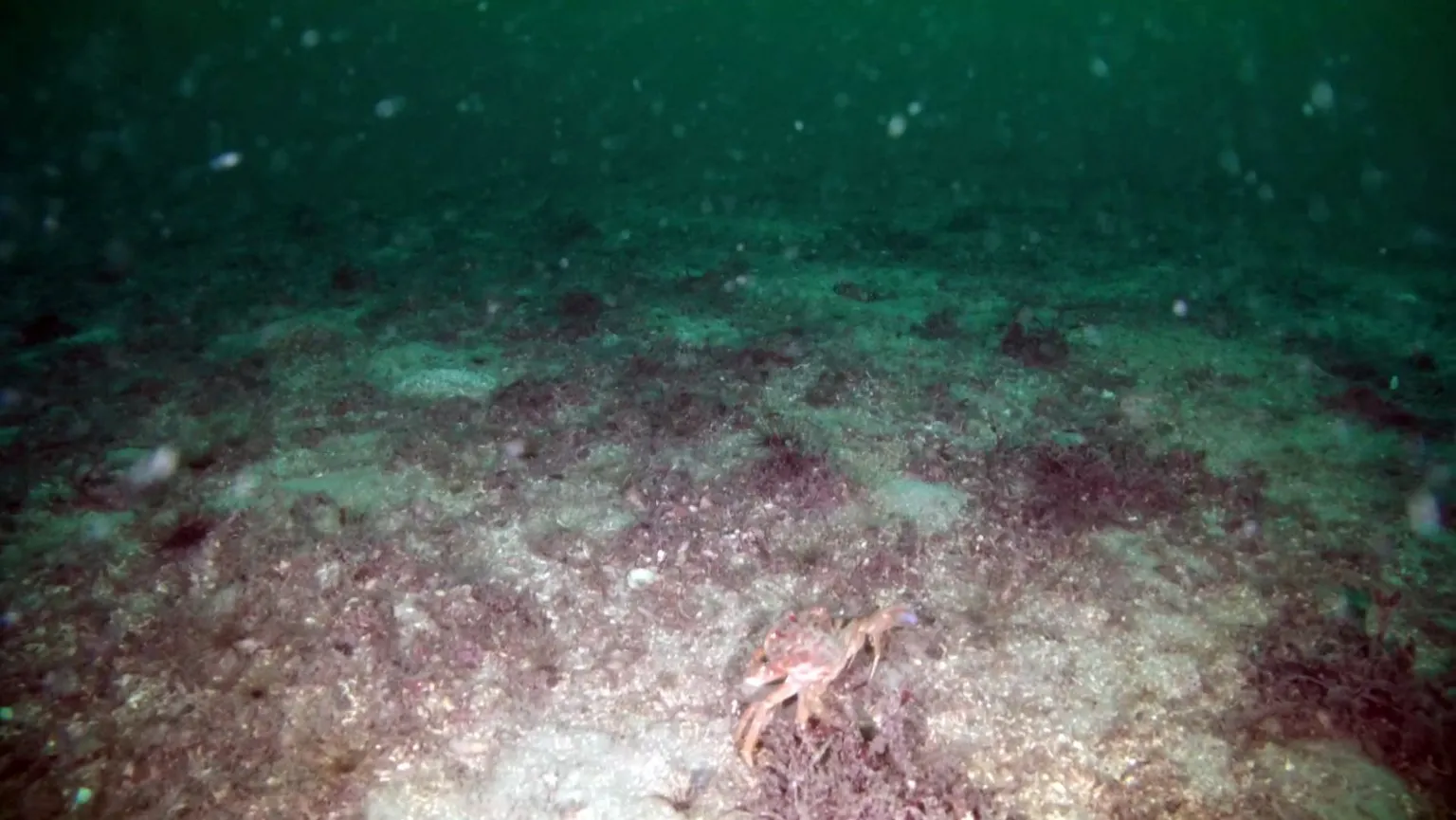
Experts estimate full recovery may take at least a decade, but recent observations using a remotely operated underwater drone show promising signs.
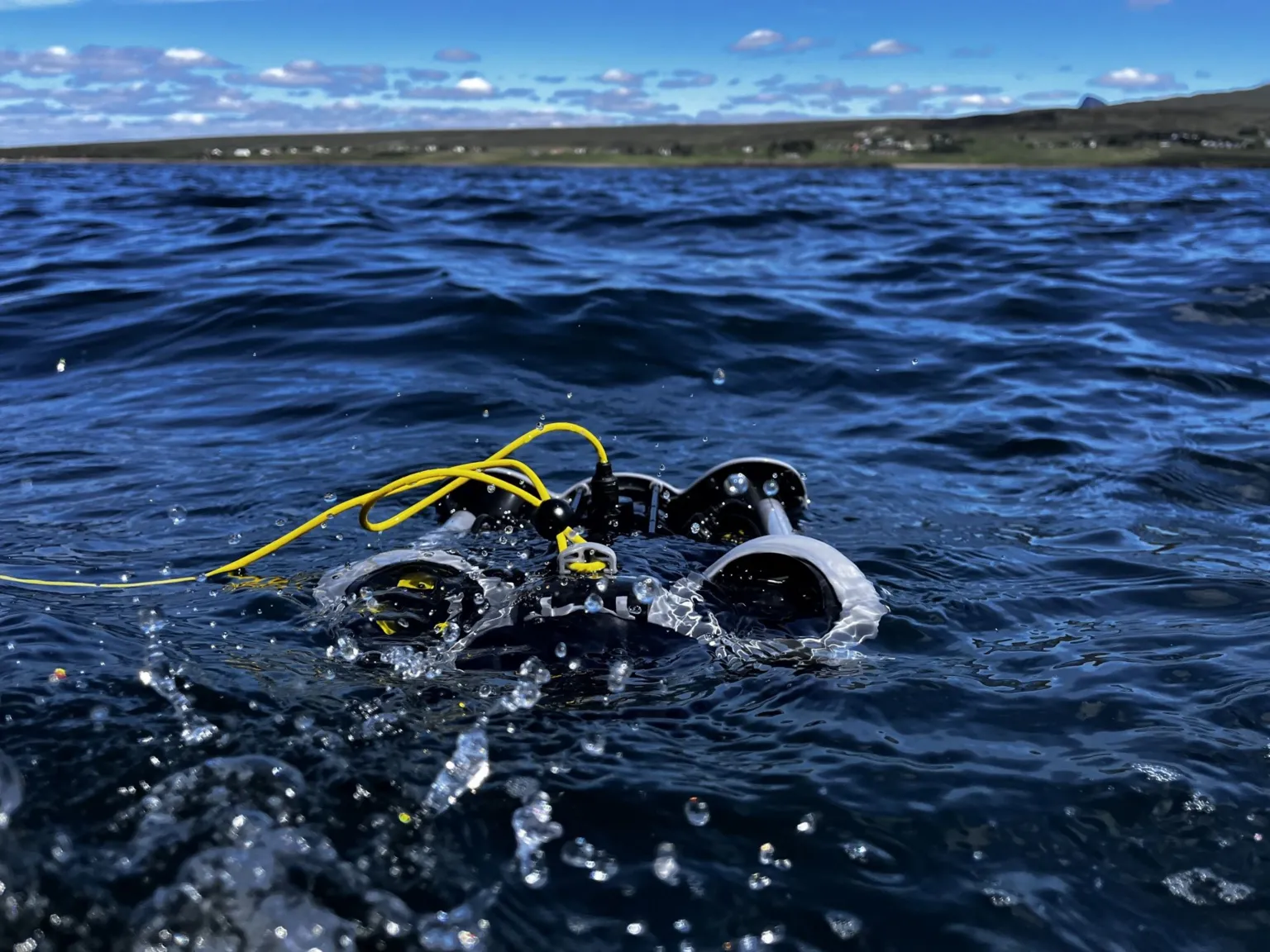
Encouraging Signs of Marine Life Returning
Significant numbers of sea cucumbers, which can bury themselves under sand to evade fishing gear, have been observed in the recovery zone.
Other species such as cat sharks, cushion sea stars, and crabs have been spotted, along with the return of some algae. However, more complex ecosystems are still years away from reestablishing.
In a separate, undisturbed section of the MPA, the seabed is rich with life in a more complex, three-dimensional habitat.
Importance of Nursery Grounds for Fish
Phil Taylor, director of Open Seas, emphasizes the significance of these areas as nursery grounds for young fish like cod, providing shelter from predators.
"Cod, of course, is one of the species we all want to see recovered in these areas. Cod once were here in such abundance that they were caught commercially and landed into the harbours all around the coastline," he said.
"They don't really exist in those kinds of abundance any more so we all need to band together and figure out how we can recover it."
Upcoming Protest and Campaign Goals
Campaigners plan to gather outside the Scottish Parliament on Tuesday to urge ministers to accelerate the establishment of more effective MPAs.

They advocate for fishing restrictions covering at least 30% of Scotland's inland waters.
While over 240 MPAs currently exist, many lack actual fishing restrictions.
Participants in the protest are calling for an urgent consultation to impose fishing limits in additional areas.
Public Support and Environmental Criticism
Joe Richards, Scotland Project Manager at the Blue Marine Foundation, stated:
"The Scottish public is tired of waiting. More than 16,500 people have added their names to a simple call - stop delaying and start protecting Scotland's coastal seas.
"Our coastal waters are becoming devoid of life and we are losing fishing boats and coastal jobs as a result."
A report by the independent watchdog Environmental Standards Scotland criticizes ministers for failing to protect and restore the seabed.
The report describes ministerial efforts as "non-compliant and ineffective" regarding marine environment regulations, highlighting a "persistent gap between ambition and delivery."
It further states that progress has been "slow, inadequate and falling short of key targets."
Scottish Government Response
Marine Minister Jim Fairlie commented:
"Scottish ministers take the protection and restoration of the marine environment seriously, and I am happy to meet with representatives to receive their petition and hear their concerns.
"I appreciate that there will be differing views about how best to manage the incredible natural resources we have and I and my colleagues across government will work with all partners to ensure that we are responsible custodians of our seas."
Greenpeace Plans Direct Action
The campaign group Greenpeace has announced intentions to undertake direct action to enhance MPA protection.
They plan to deploy one of their ships to place boulders on the seabed, creating physical barriers to restrict access.
Specific target sites have not been disclosed, but Greenpeace has previously conducted similar actions in the southern North Sea, the English Channel, and off England's southwest coast.
Fishing vessels typically avoid areas with large rocks due to the risk of gear entanglement.
The UK government recently dropped a legal case aimed at preventing Greenpeace's direct action.
Fishing Industry Perspective
The Scottish Fishermen's Federation emphasizes that all stakeholders desire healthy seas, abundant marine life, and thriving coastal communities.
Chief Executive Elspeth Macdonald stated:
"The call to ban trawling and dredging in 30% of inshore waters is based on an arbitrary target rather than scientific evidence, and takes little account of the diversity of Scotland's coastline, seabed habitats, fisheries and fishing communities."
"The fishing industry is now heavily regulated and management measures need to be proportionate."


