

Peatland Restoration Initiative Begins Near Loch Ness
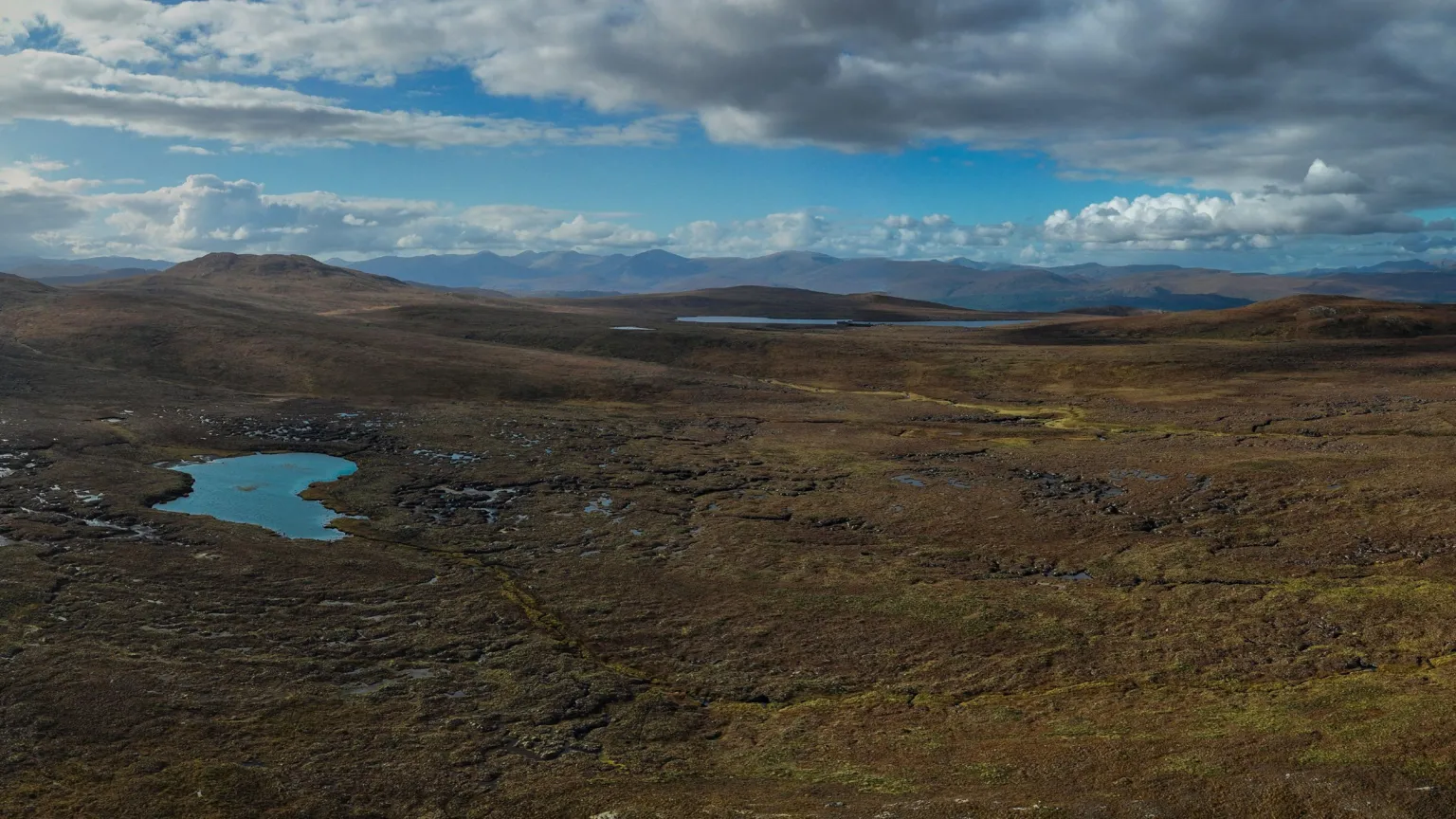
Work has commenced on a project aimed at restoring over 1,000 hectares (2,500 acres) of peatland near Loch Ness.
Rewilding Affric Highlands is spearheading a partnership involving charities and private landowners to protect and rehabilitate interconnected areas of blanket bog.
The initiative includes the Dundreggan Estate, owned by the rewilding charity Trees For Life, alongside private landholdings at Guisachan and Corrimony Farm.
Environmental Importance of Peatlands
Healthy peatlands play a crucial role in preventing carbon dioxide emissions and provide habitats for diverse wildlife species.
Research indicates that approximately 80% of peatland in Scotland is degraded.
The degradation often results from drainage of bogs to facilitate commercial forestry planting.

Additionally, peatlands can dry out due to excessive trampling and overgrazing by red deer.
Restoration Techniques and Wildlife Benefits
The rewilding project involves blocking drains and constructing dams to retain moisture within the peatlands.
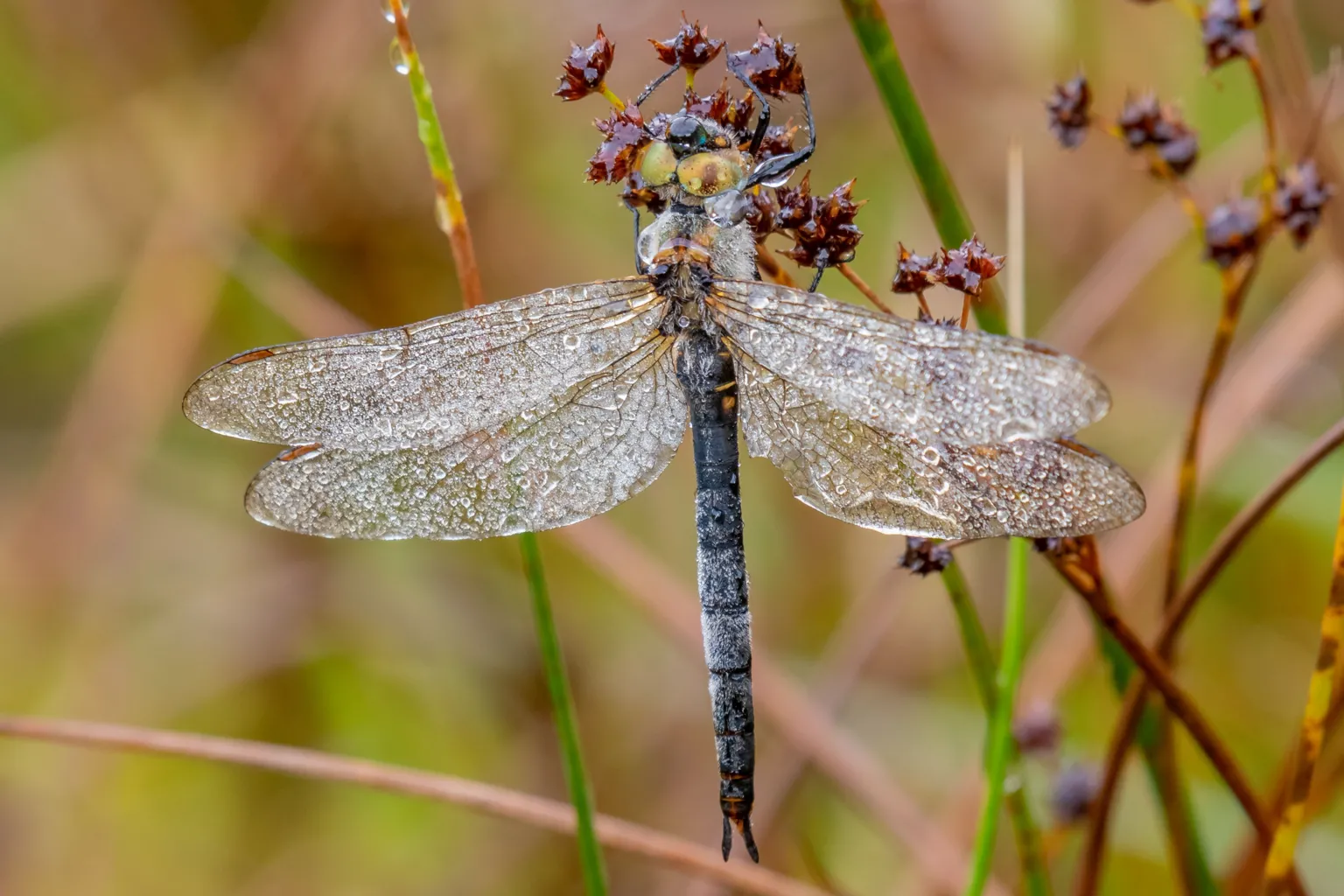
Restoration of pools is underway to reestablish habitats for species such as dragonflies and wetland birds including black-throated divers and dunlin.
Sphagnum moss is also being planted as part of the restoration efforts.
This moss can retain up to 20 times its weight in water and fosters the waterlogged, acidic conditions essential for revegetation and peat formation.
Farming and Restoration Collaboration
Corrimony Farm, managed by David Girvan, is an upland working farm with approximately 150 suckler cows and 180 breeding ewes.
"We're showing that farming can work well with peatland restoration, which makes a real difference for keeping carbon locked up. It's good to see such a big area across different estates being restored together."
Project Vision and Community Impact
Stephanie Kiel, executive director of Rewilding Affric Highlands, emphasized the broader goals of the project.
"This is about restoring a whole ecosystem at landscape scale, with a shared commitment to tackling the nature and climate emergencies and benefitting local communities."


