Conservation Efforts Amid Economic and Environmental Challenges
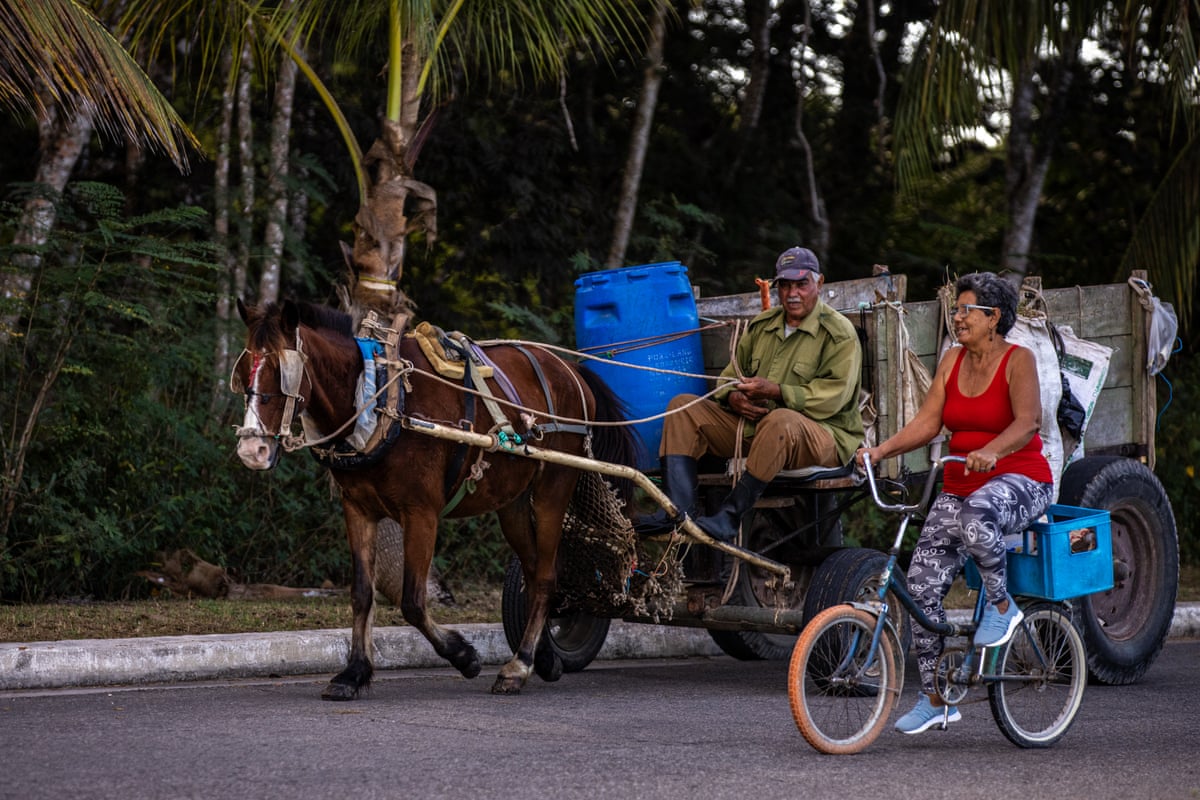
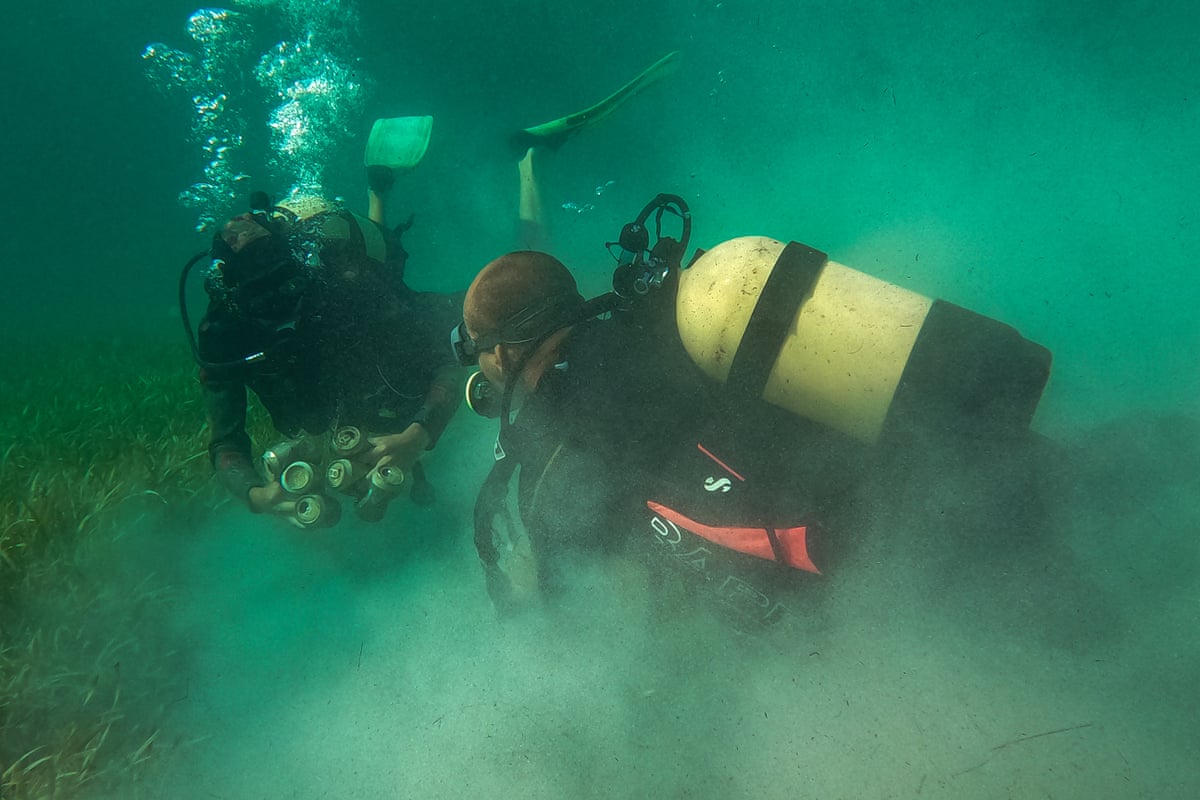
At 8am, scuba divers assemble to collect plastic waste and drink cans from the waters of Cuba’s Ciénaga de Zapata national park. Amid a severe power crisis that has nearly halted the country's economy, they rely on an electric trailer to reach designated cleanup sites. Within a few hours, they gather five sacks filled with cans and other debris.
Lack of environmental awareness, invasive species, and the climate crisis have long posed threats to the island’s pristine marine ecosystems. However, as economic scarcity and sanctions intensify, scientists and community conservationists are compelled to innovate with increasingly limited resources to safeguard this vital Caribbean ecosystem.
Coral Decline and Geopolitical Obstacles
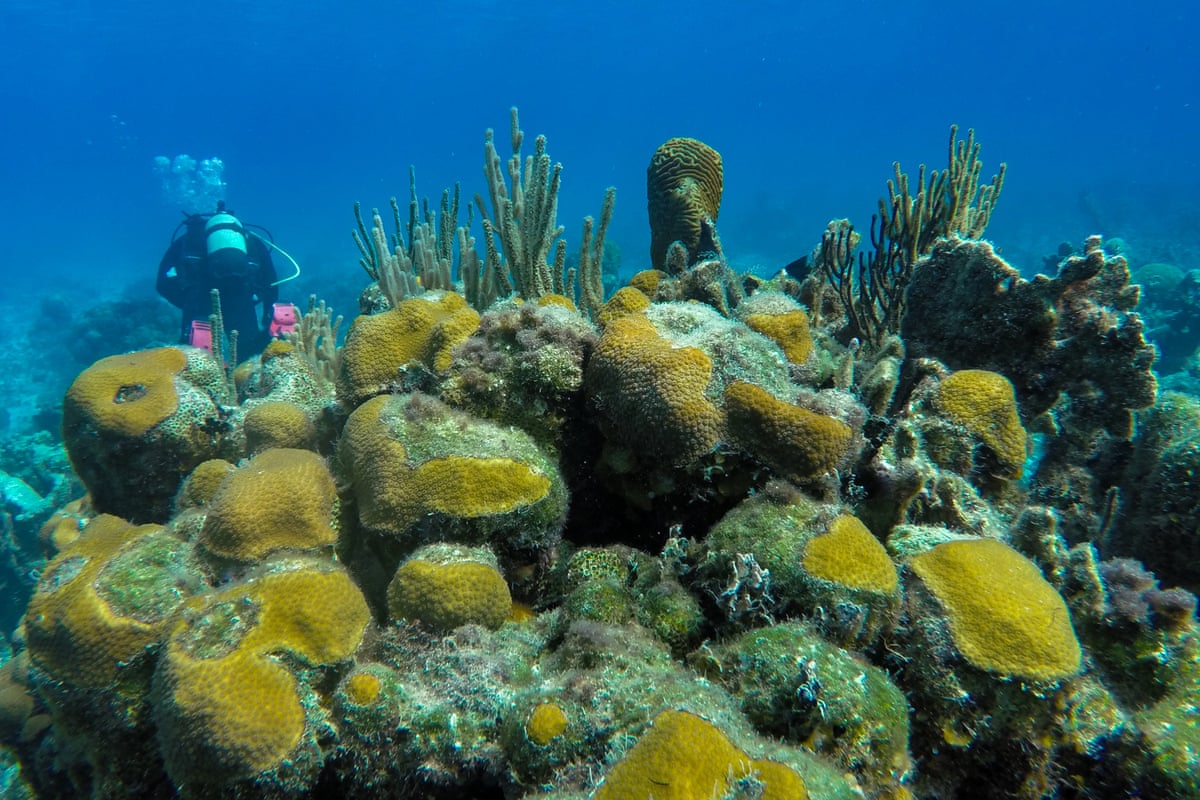
Coral cover in the region has declined since 1980, according to assessments by the Global Coral Reef Monitoring Network, underscoring the need for joint conservation efforts among neighboring countries. Yet, deteriorating relations between the US and Cuba impede collaborative initiatives in the Gulf of Mexico.
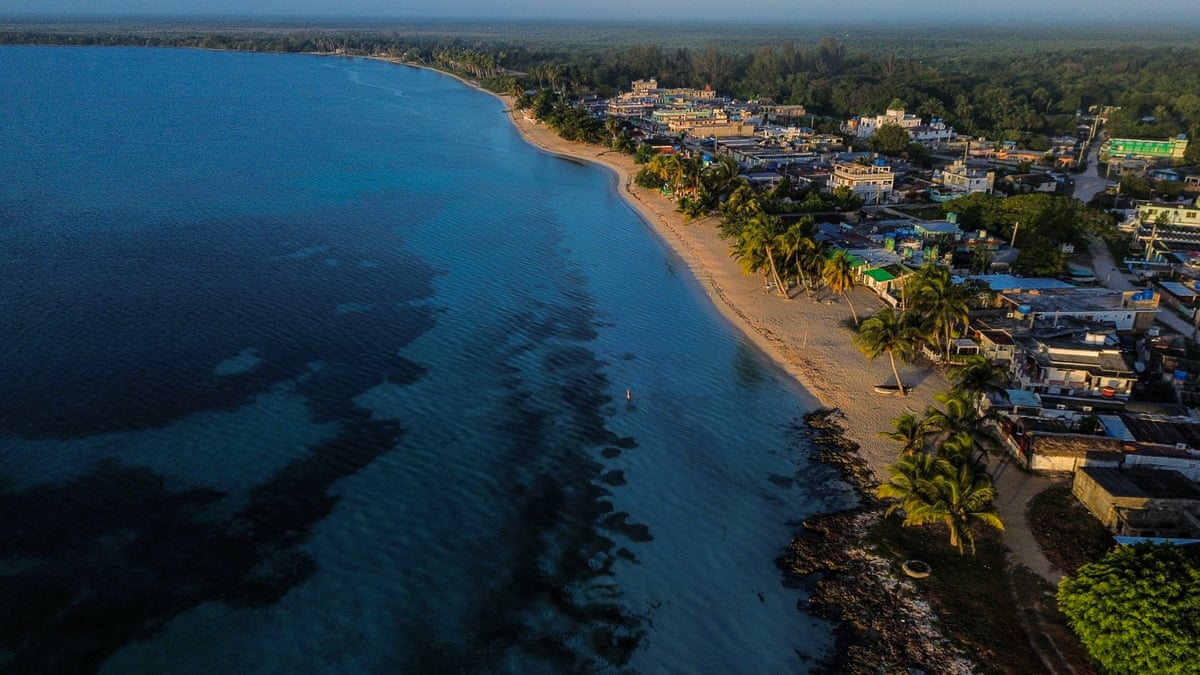
The Ciénaga de Zapata, located in the southeast of Cuba, exemplifies these challenges. This internationally recognized marine conservation site is designated as a biosphere reserve and a Ramsar wetland for its rich biodiversity and geodiversity.
“Compared with other places, we don’t have major polluting sources,”says Marileidy Albertus, a specialist in exotic and wild species at the National Aquarium in Havana.
“We don’t have big industries, oil spills are almost nonexistent, maritime transport is also limited, and for many years, agroecological practices have been implemented.”
While global use of inorganic fertilizers has surged, Cuba’s agroecological approach has mitigated impacts on its reefs. Additionally, the island has been slower than other Caribbean regions to experience coral diseases such as stony coral tissue loss disease (SCTLD), which is spread by international shipping—an activity that also causes pollution and damages corals through anchoring and grounding.
“Coral restoration was not even a topic of discussion in Cuba. We could observe small reductions due to climate change, but not drastically,”Albertus explains.
Shifts in Policy and Persistent Challenges
All of this changed in recent years, prompting the Cuban government to adopt coral restoration measures. Although relations between Cuba and the US had previously led to bilateral agreements on marine conservation, the current political crisis and tightened sanctions have hampered practical implementation of projects on the ground.
The situation has deteriorated further since the US increased sanctions. Fuel is essential for scientists to conduct research and monitor projects, transport volunteers across long distances, and for government authorities to control illegal fishing activities.
“The US administration’s decision to underinvest in the environment is extremely misguided and self-defeating,”says Daniel Whittle, an expert in US and Cuban environmental law and policy and director of the Cuba Environmental Justice Project.
“Cuba contributes very little to climate pollution and has been very proactive since 1992 in having a climate strategy … They understand, as an island nation, how without these common resources everyone loses.”

Resource Scarcity and Innovative Conservation Techniques
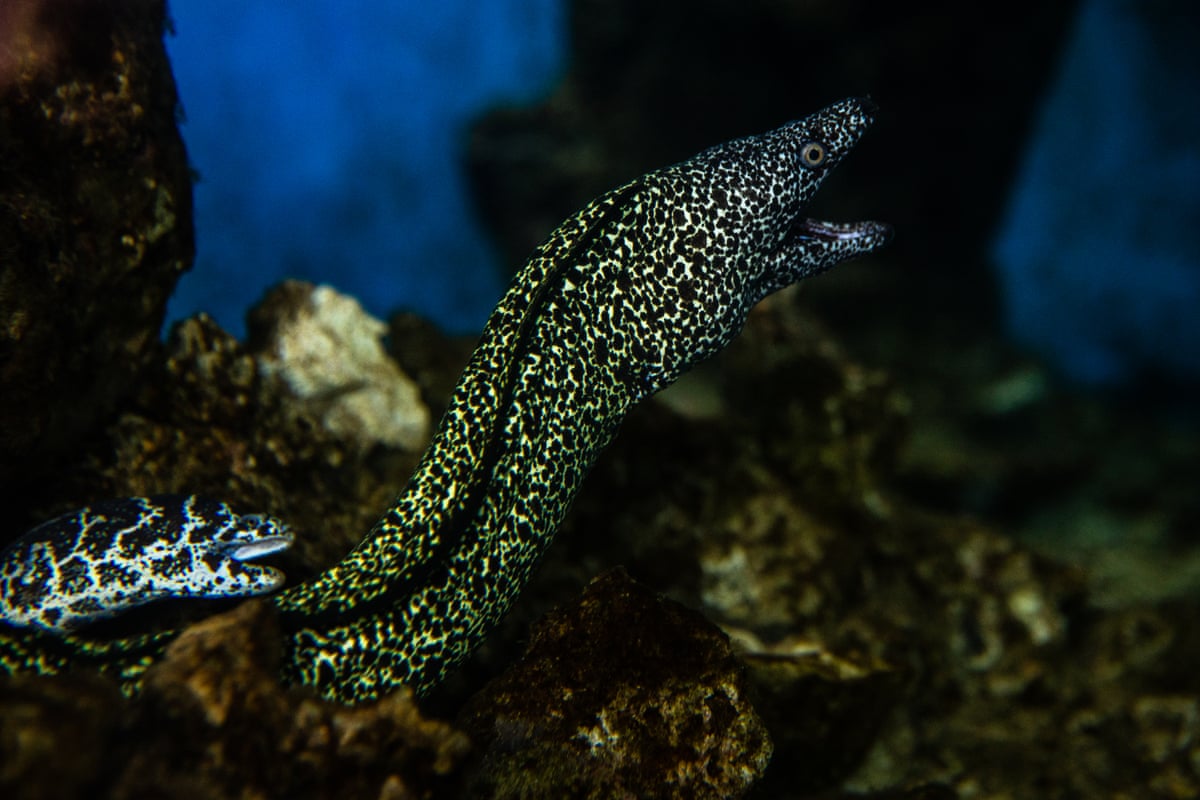
At the National Aquarium in Havana, scientists face daily scarcity. They manually supply oxygen to fish tanks housing fragile species during power outages, struggle to obtain equipment manufactured in or sourced from the US, and have limited access to scientific journals and publications associated with the US. NGOs also encounter difficulties in funding and enabling Cuban scientists to attend international conferences.
Luis Mesa, a conservationist scuba diver in Ciénaga de Zapata, compares these restrictions to freediving.
“With scuba diving gear there are so many possibilities: you can go deeper and stay underneath the water for longer. But to protect the ecosystem, our resources are limited,”he says.
Scientists increasingly rely on a network of local conservationists who monitor the area and report changes to experts.
“After I changed from military to recreational scuba diving, I realised that protecting marine life is important,”says Jorge Sánchez, who has gained knowledge about conservation and marine life through local institutions.
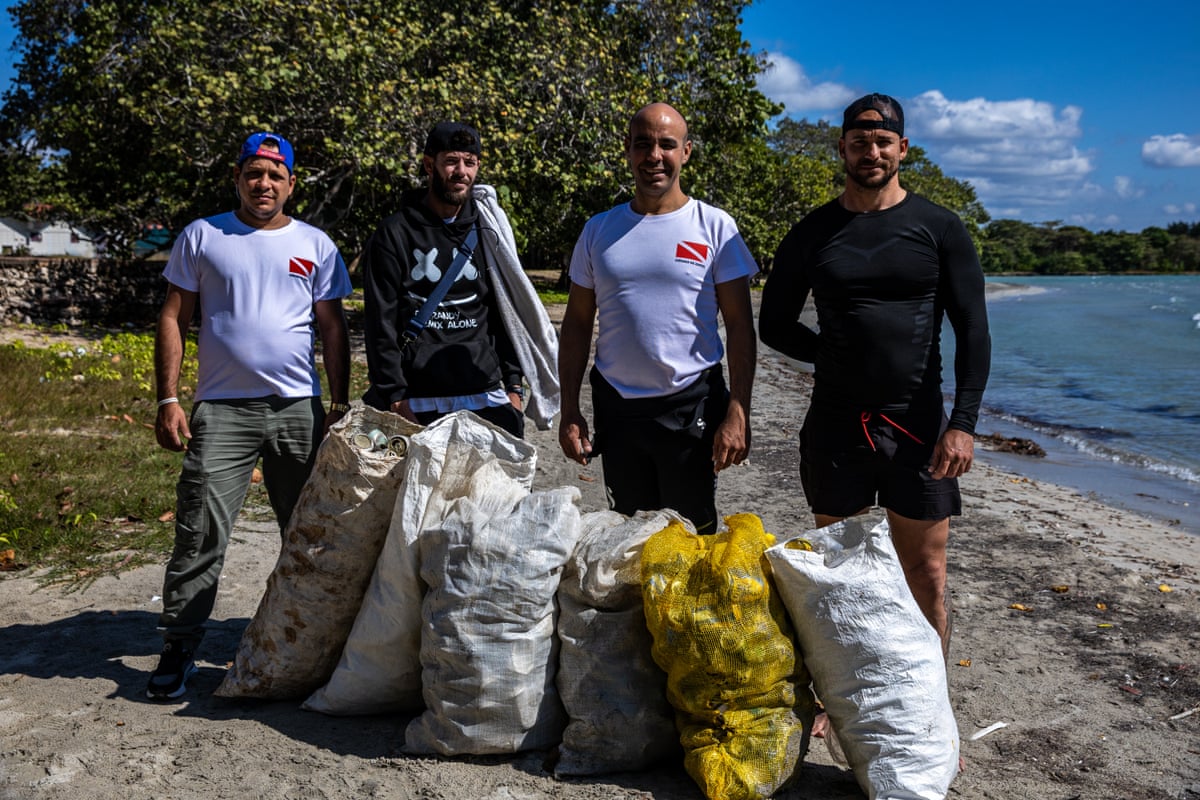
With support from volunteers like Mesa and Sánchez, marine biologists at the National Aquarium employ freediving techniques to conduct experiments at depths of 17 metres in locations accessible by swimming from their workplace—a method that reduces fuel consumption and addresses scarcity.
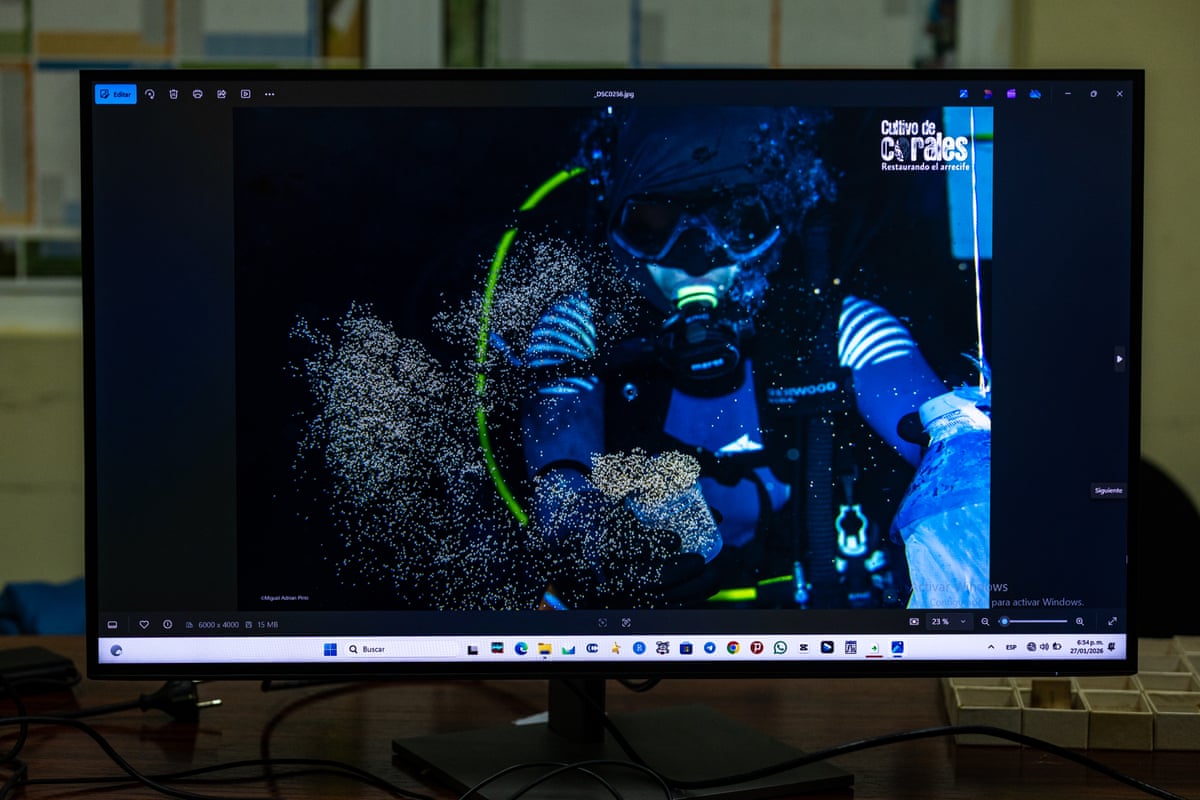
They are also developing their own substrates for coral restoration, utilizing recycled materials such as broken clay and leftover cables from the national telecommunications company.
Since 2019, the team has experimented with coral larval propagation and in vitro fertilization (IVF). They are now innovating by combining these two techniques, a costly and time-intensive process rarely used elsewhere due to its logistical complexity.
“Most organisations depend on financing, and working on long-term projects like this is not easy,”Albertus notes.
Impact of Tourism Decline and Economic Hardship
While overtourism causes environmental issues in other regions, Cuba’s tourism industry has declined due to the COVID-19 pandemic and the tightening of the US blockade, including fuel shortages affecting commercial airlines. This downturn threatens conservation progress.
Many individuals who previously earned income by renting out homes are reverting to traditional livelihoods such as illegal fishing and other activities detrimental to the ecosystem.
“If there aren’t any tourists, they will go back to fishing because that’s what they know,”says Mesa.
Eduardo Abrego, a biologist with extensive experience in Ciénaga de Zapata, adds:
“The worst enemy of conservation is necessity. Humans always try to find a solution to their hardship in nature.”