

Prehistoric Settlement Unearthed Near Crookston Castle
The remains of an ancient human settlement dating back thousands of years have been uncovered near Crookston Castle, located in the south-west of Glasgow.
During a geophysical survey conducted at the castle, archaeologists identified at least five roundhouses along with a fenced enclosure that may have surrounded these structures.
Experts described the circular timber buildings as typical of the Bronze Age or Iron Age, indicating that the area may have been inhabited long before the castle was constructed.
Volunteers from Friends of Crookston Castle collaborated with archaeologists from Historic Environment Scotland (HES) on the survey, which took place over three days last year. They now aim to proceed with a full archaeological excavation of the site.
This discovery marks the first time evidence has been found suggesting the site was occupied during prehistoric times, specifically the Bronze Age.
Community and Expert Reactions
David McDonald, chair of Friends of Crookston Castle, expressed enthusiasm about the find in an interview with BBC Scotland News.
"There has been a lot of archaeology done around this site, but until now nobody knew there was this prehistoric site here.
"We can't say yet whether it dates to the Bronze Age or Iron Age, we will need to carry out radiocarbon dating for that.
"What we can say for sure is there were at least five homes built on this site, and there appears to be another two starting on land where the survey stopped.
"There has always been speculation that this was an older site before the castle but now we have evidence that this was a generational build here, where the roundhouses would be demolished and then rebuilt.
"This wasn't people using the land for seasonal stays and then moving on."
McDonald noted that the discovery holds particular significance for local residents, as Crookston is traditionally associated with post-war housing estates and more recent history.
About 30 volunteers and pupils from five local schools participated in the survey work.
Among the volunteers was Mary-Ann Williamson, 62, who grew up near the castle and played there as a child.
"I grew up right across the road from here, so the castle's always been part of life. I was really fascinated when they mentioned the geology survey.
"Now it's really exciting what we have found. It makes you think 'what was I playing on for all that time?' It just made me go 'wow'. If we can get proper support there is so much this can tell us about the history of Glasgow."
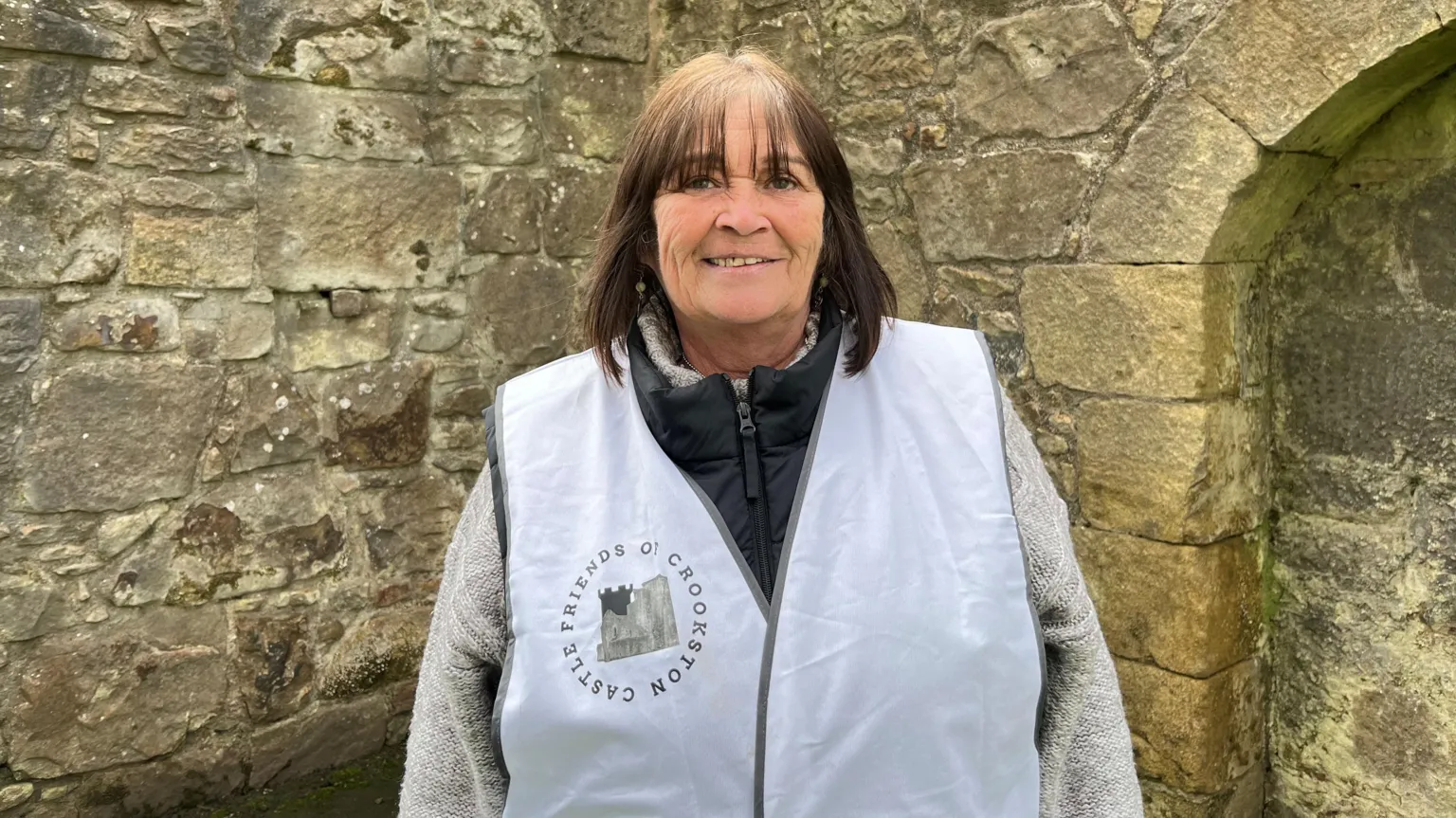
Graphic designer Trisha Robertson, a longtime local resident, became involved with the Friends of Crookston Castle group after seeing their social media posts.
"Crookston Castle was the backdrop to my childhood, but it was just something you would go past, look up at, and not think any more of," she said. "I thought that was as old as it gets, so it's amazing to find out it goes back much further. I'm really hoping there's a dig and we can find out more about what's under there."
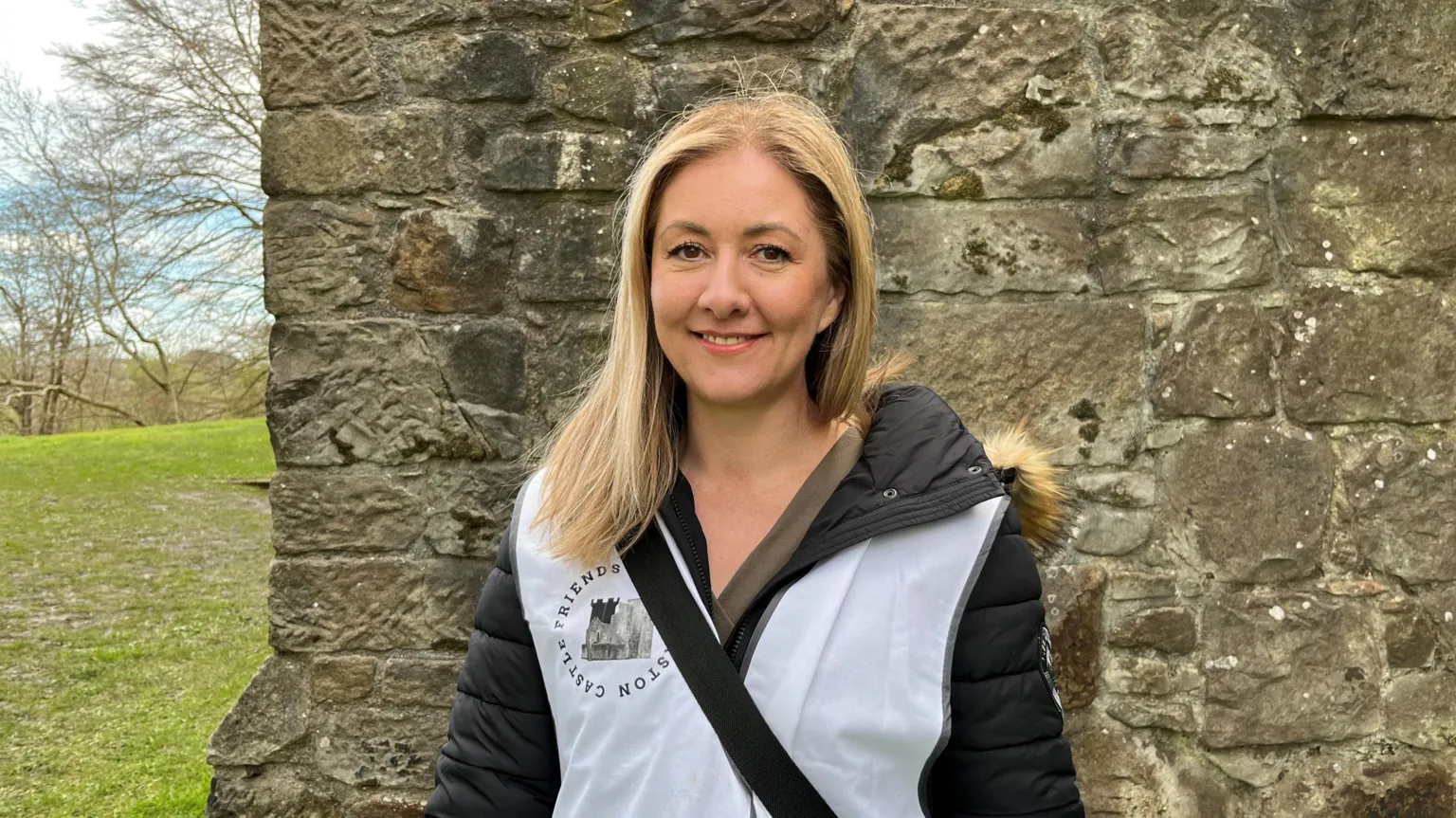
Unexpected Findings from the Survey
The survey was initially intended to clarify the layout of the castle's outer defences, making the discovery of the prehistoric settlement entirely unexpected.
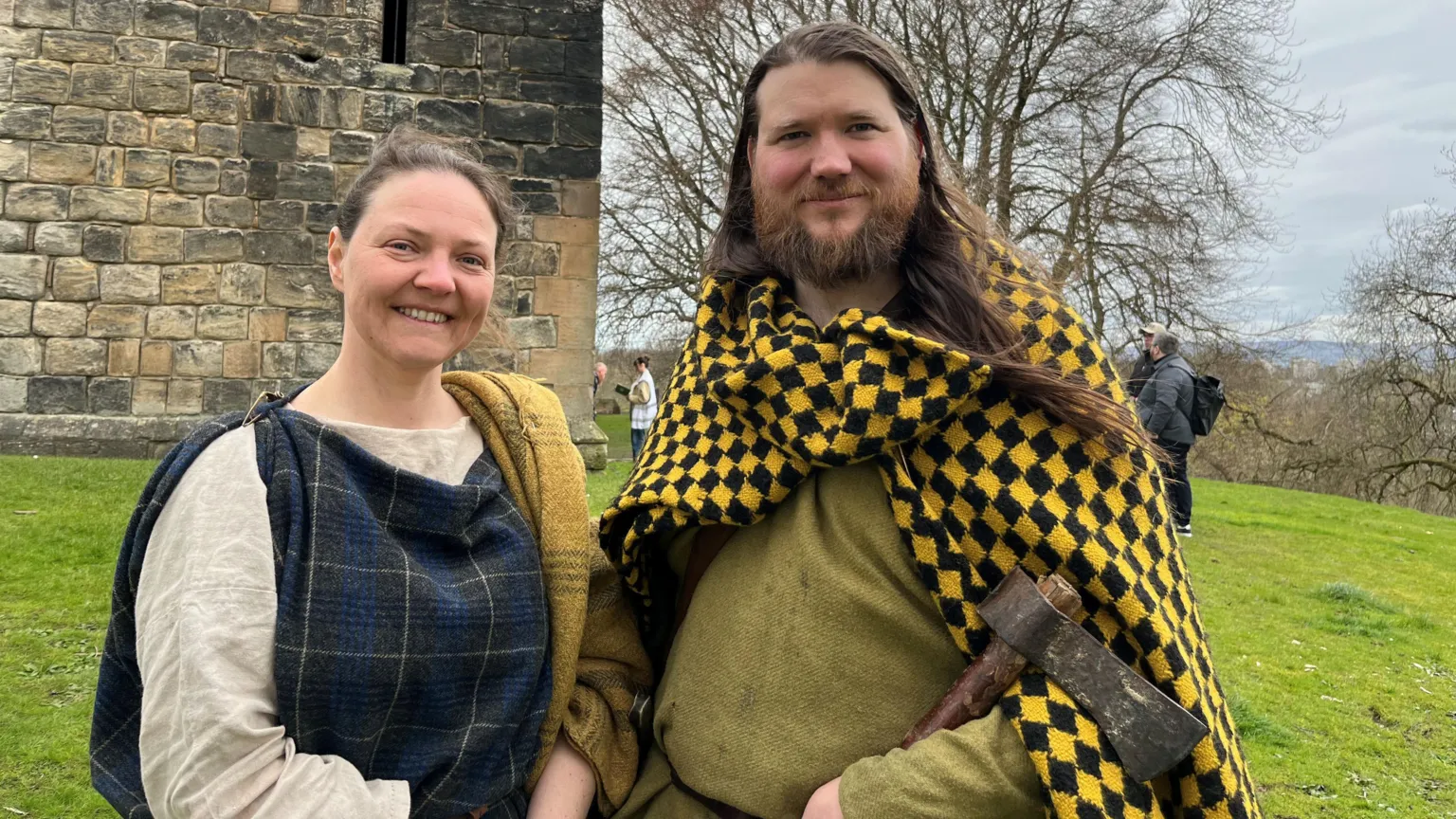
Caroline Nicolay and Thomas Timbrell, who operate Pario Gallico—a company specializing in living history demonstrations and courses focused on ancient techniques from the Iron Age onward—commented on the significance of the site.
"Usually in a city environment any past remains are buried under houses or have been destroyed by developments. This space seems to have been preserved and that offers an amazing opportunity to learn.
"It could be houses, it could be workshops. There is also a square in the middle that we do not know what it is. It could be anything from a shrine to a shed there."
Thomas, a professional blacksmith specializing in historical cutlery, added:
"There is so much potential here. It doesn't seem like there has been a lot of agriculture on top of the original site, so the chances of finding iron items - whether a nail, a knife, an axe head - have increased."
Future Plans and Additional Discoveries
David McDonald expressed optimism about securing further funding to advance plans for a full excavation and to establish the precise dating of the settlement.
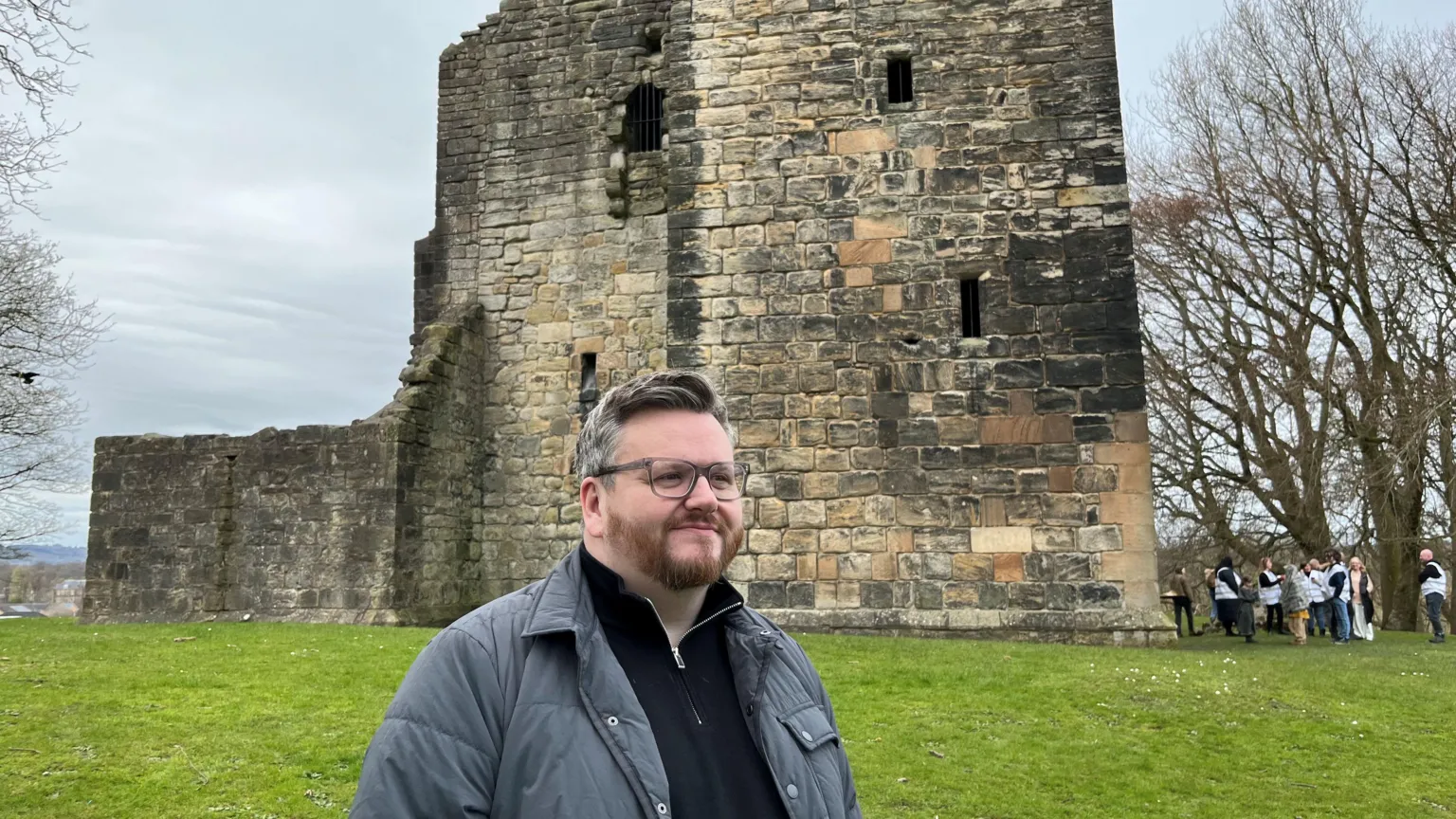
The survey, funded by the Castle Studies Trust, also provided new insights into Crookston Castle itself.
Within the area enclosed by the medieval moat, structural remains consistent with a chapel built by the Anglo-Norman knight and landowner Robert Croc around 1180 were identified.
Additional evidence was found indicating walls, possible entrances, and internal buildings within the castle's defended enclosure.
Glasgow's Lord Provost Jaqueline McLaren commented on the findings, stating they "open up an entirely new chapter in Glasgow's story" and offer an opportunity to better understand the communities that lived in the area long before the city developed.


