
Traditional Hunt of Young Gannets on Sula Sgeir
A team of hunters plans to travel to the small, uninhabited island of Sula Sgeir to conduct the traditional hunt of young gannets, known as the guga hunt, later this summer.
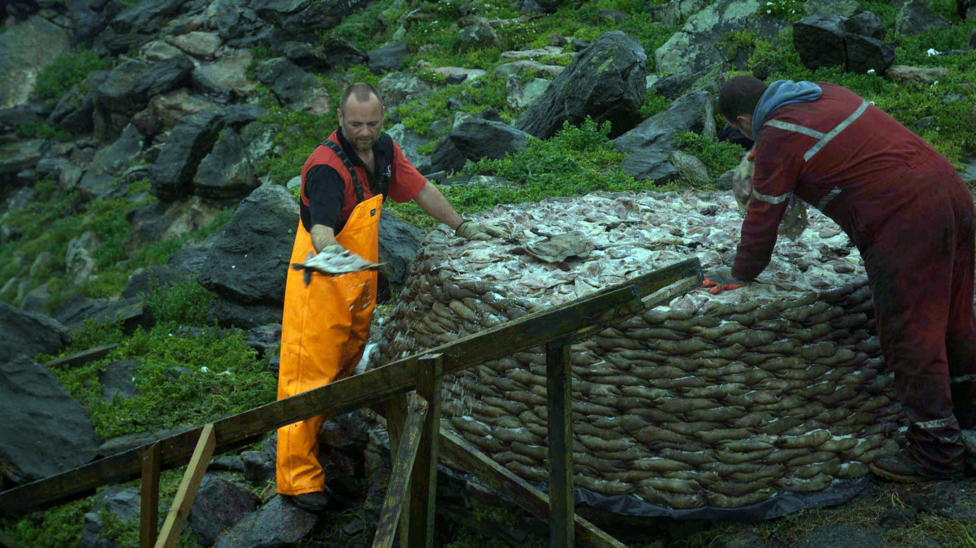
For centuries, this annual hunt has involved the killing of young gannets for their meat on Sula Sgeir, a rocky island located approximately 40 miles (64 km) north of Ness on Lewis in the Western Isles.
Licences for the hunt are issued by the public body NatureScot, which is currently assessing the latest application for the 2026 season.
The organisation's board will be informed that the licence application process is underway during an upcoming meeting. The final decision on whether to grant the licence will be made at a later date.
The guga hunt, a practice dating back to the 15th Century, typically occurs in August each year.
Opposition to the hunt comes from animal rights campaigners who argue that the practice is no longer necessary to provide food for island residents.
NatureScot's Role and Licence History
NatureScot has acknowledged the cultural importance of the hunt, which is recognised under the Wildlife and Countryside Act 1981. Hunters are required to apply for permission annually to conduct the hunt.
Last year, NatureScot granted a licence permitting the killing of up to 500 birds. This followed a three-year hiatus in the hunt due to concerns over bird flu.
The permitted number of birds was reduced from 2,000 in recent years to support the recovery of the gannet population affected by the disease.
In the 2025 hunt, a total of 485 birds were taken.
The guga hunt remains Scotland's last surviving hunt of young seabirds.
Current Licence Application and Public Response
In a report prepared for the NatureScot board meeting scheduled for Thursday, officials stated:
"We have now received an application for a 2026 licence which we are currently assessing.
The NatureScot board has confirmed that it will take the decision on whether to grant the licence when the assessment has been completed."
Public opposition to the hunt has been significant, with more than 104,000 people signing a petition calling on the Scottish government to ban the practice.
The petitions committee at Holyrood is currently considering whether the issue should be debated by Members of the Scottish Parliament (MSPs).
Additional Information
More stories from the Highlands and Islands can be found on .
For further updates on this story, see related coverage on the guga hunt tradition returning after licence approval.


